Mental Health in Professional Sports: The Hidden Battle Behind the Game
Behind the trophies and fame, professional athletes face intense pressure, injury setbacks, public criticism, and career uncertainty. Discover the real mental health challenges in modern sports.
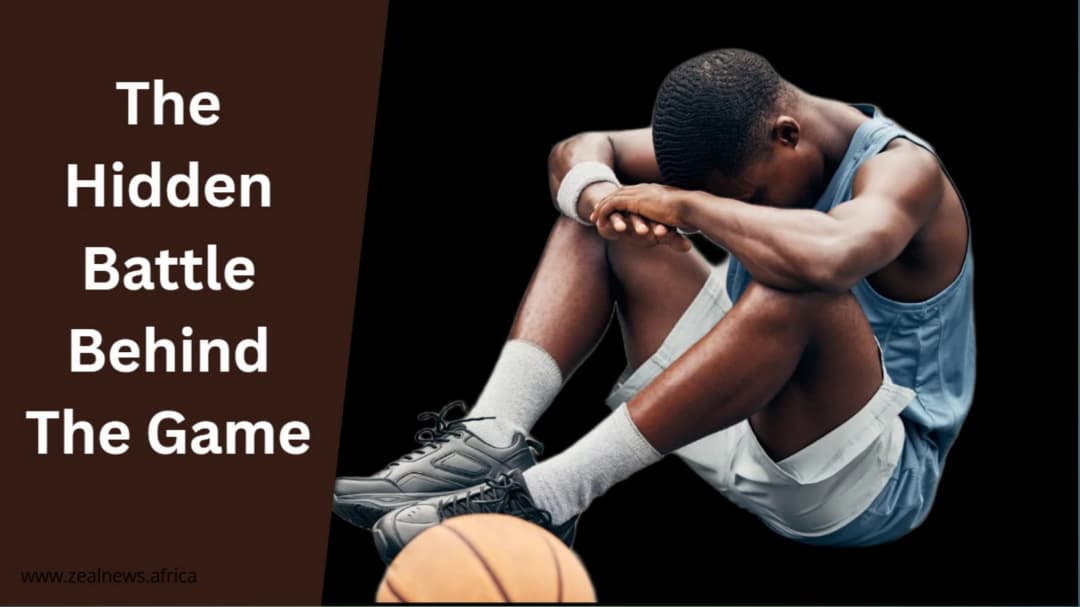
We see professional athletes as strong, confident, and mentally tough.
But we don't see behind the medals, trophies and contracts, is their struggle with serious mental health challenges.
These problems are real and most of the time hidden from the public eye.
In the article, we will discuss four major mental health challenges professional athletes face today.
Constant Pressure to Perform
Professional sports is a results-driven world.
Athletes are judged on wins, statistics, rankings, and titles.
One mistake in an important match can follow a player for years and one bad season can change a career.
The pressure becomes even heavier during global competitions like the Olympic Games, where athletes may train for four years for a single performance that lasts only minutes. If they fail, they feel they have let down their country, their team, their family, and themselves.
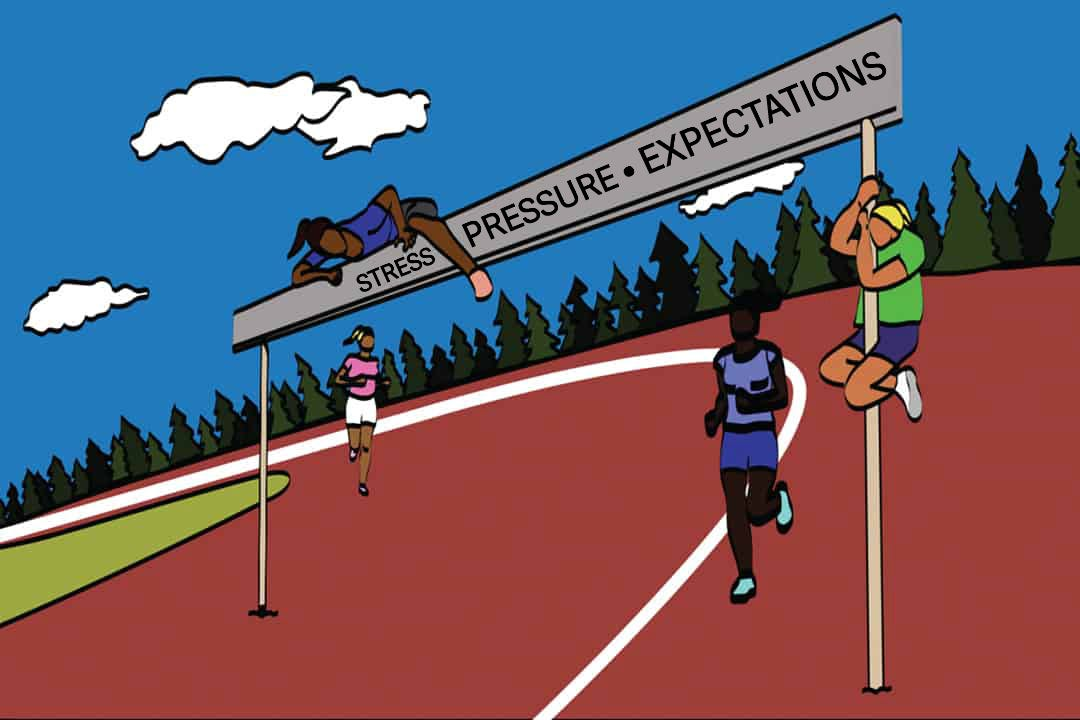
This constant pressure can lead to anxiety, sleep problems, and panic attacks.
Some athletes begin to fear competition instead of enjoying it.
Instead of focusing on the game, their minds are filled with thoughts of failure and criticism. Over time, this stress can turn into burnout, where the athlete feels mentally and emotionally exhausted.
Injuries and Loss of Identity
For many professional athletes, their sport is not just a job, it is their identity.
Injuries are common in professional sports.
A torn ligament, broken bone, or concussion can keep an athlete away from competition for months or even end a career completely. The physical pain is difficult, but the emotional pain can be even worse.
During recovery, athletes often experience loneliness.
They are separated from teammates and spend long hours in rehabilitation.

Some athletes also fear they will never return to their previous level. This fear creates stress and self-doubt.
When sport defines who you are, being unable to play can feel like losing yourself.
Media Criticism and Social Media Pressure
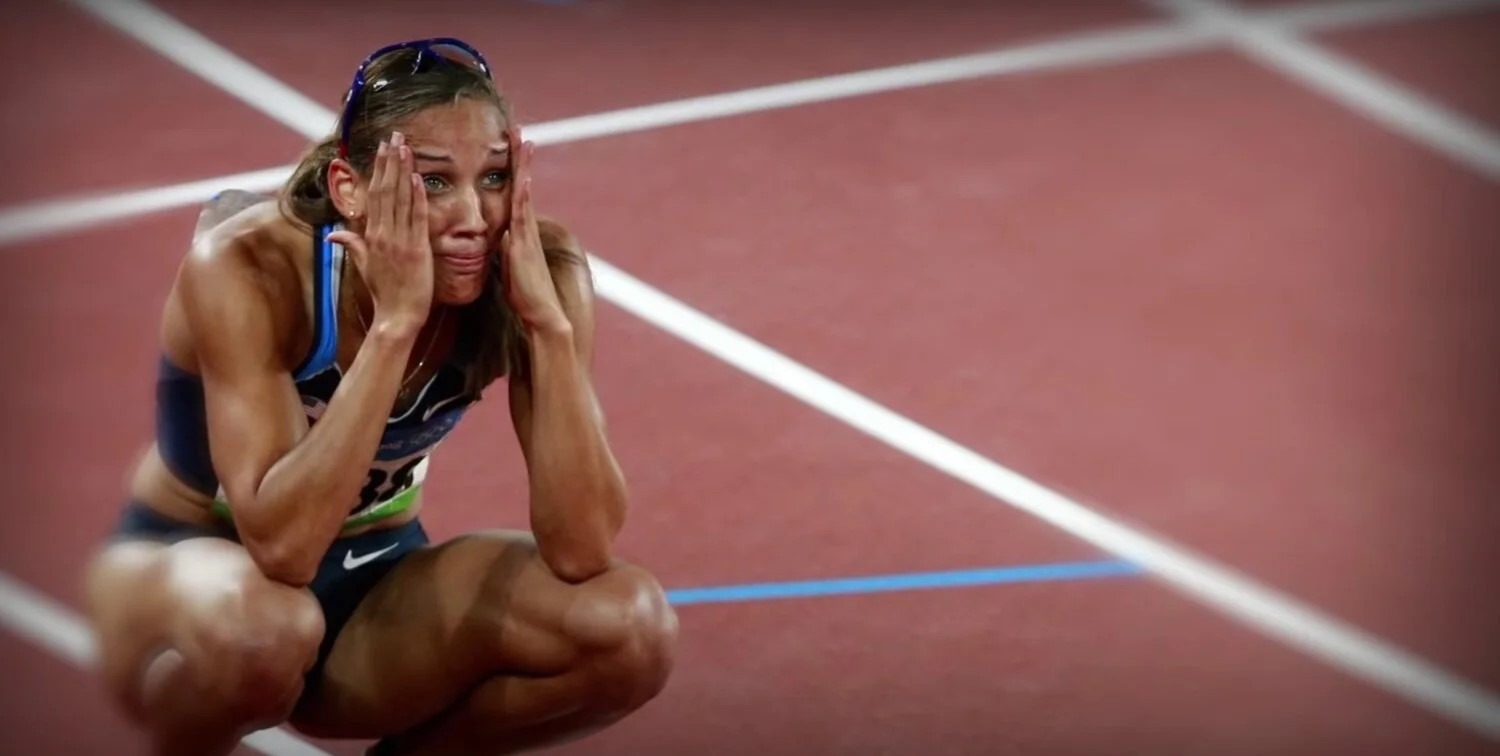
Modern athletes do not only compete on the field, they also live under constant public attention.
Their performance is public, recorded, and discussed by millions.
Television debates, online articles, and social media platforms allow fans and critics to comment on every performance.
After a poor game, an athlete might receive thousands of negative messages within minutes. These comments can attack not only performance but also appearance, personality, and personal life. Over time, this criticism can seriously affect self-esteem.
Tennis player Naomi Osaka spoke openly about her struggles with depression and anxiety linked to media obligations.
Similarly, gymnast Simone Biles stepped back from events to protect her mental health, explaining that the pressure had become overwhelming.
Their decisions showed that even the strongest athletes have limits.
The problem is not only criticism. Fame itself can create isolation.
Retirement and Fear of the Future
Most professional sports careers are short. While many people work for 30 or 40 years, athletes may retire in their 40s or even earlier. Some retire by choice, but others are forced to stop because of injuries or declining performance.
Retirement can bring unexpected emotional challenges as athletes may feel empty. The structure that guided their lives for years suddenly disappears.
There is also financial pressure. Not every professional athlete earns millions. Some struggle with managing money after retirement. Others miss the excitement of competition and the sense of purpose it gave them.
They may ask themselves: Who am I without this game?
Support systems are improving. Organizations and leagues are beginning to provide counseling and career transition programs.
For example, leagues like the NBA introduced mental health policies and professional support services for players.
Conclusion
Mental health challenges faced by professional athletes are serious and complex.
Understanding these challenges helps fans see athletes as human beings, not just performers. It also encourages sports organizations to continue improving mental health support.
In modern sports, mental strength is just as important as physical ability. Taking care of the mind should be treated with the same importance as training the body.