7 Common Rainy-Season Diseases and How to Avoid Them
The rainy season increases the risk of several diseases. Here are 7 common diseases and simple prevention tips for you and your family.
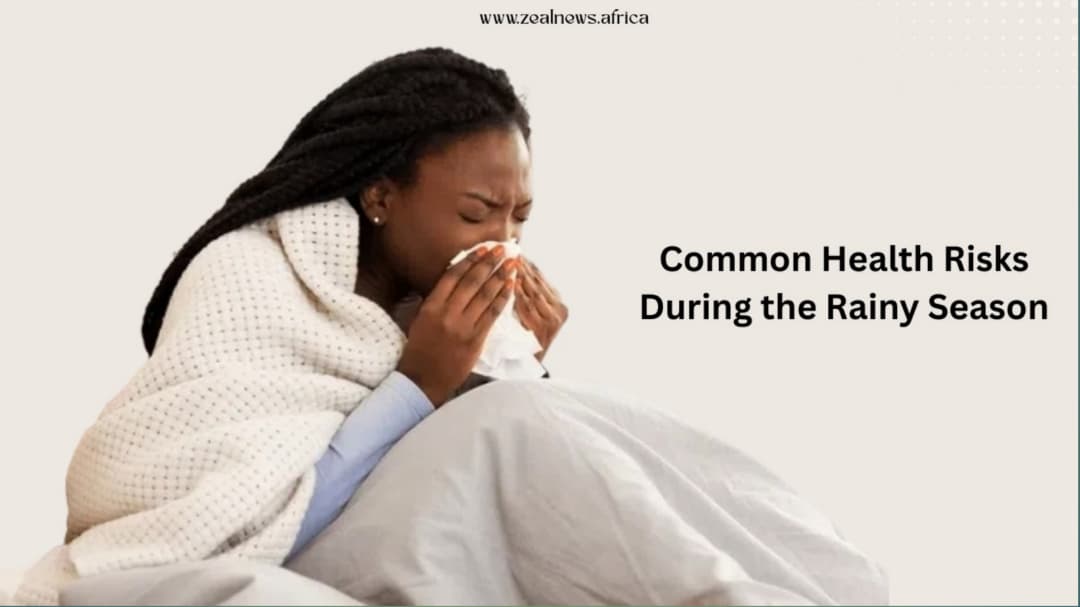
The rainy season brings cooler weather and relief from the heat, but it also increases the spread of several illnesses. Flooding, stagnant water, poor drainage, and damp conditions create the perfect environment for mosquitoes, bacteria, and viruses to thrive.
Children, older adults, and people with weak immune systems are often the most affected during this period.
Knowing the common rainy-season diseases and how to prevent them can help you stay healthy and protect your family.
1. Malaria
Malaria is one of the most common illnesses during the rainy season in Nigeria. Mosquitoes breed rapidly in stagnant water found in blocked gutters, potholes, containers, and flooded areas.
According to the WHO Malaria Fact Sheet, Nigeria accounts for nearly 32% of global malaria deaths, the highest burden of any country in the world.
Symptoms: High fever, headache, chills and sweating and body weakness
How to prevent it
Sleep under insecticide-treated mosquito nets.
Drain stagnant water around your home.
Clear bushes and blocked gutters regularly.
Use mosquito repellents and window nets where possible.
Untreated malaria can become severe quickly, especially in children.
2. Cholera
Heavy rainfall and flooding can contaminate drinking water with sewage and dirt, increasing the spread of cholera. Outbreaks are more common in crowded areas with poor sanitation.
Symptoms: Severe watery diarrhoea, vomiting, dehydration, extreme thirst
How to prevent it
Drink only boiled or treated water.
Wash your hands regularly with soap and clean water.
Avoid eating food from dirty environments.
Dispose of waste properly to keep surroundings clean.
Seek medical attention immediately if symptoms become severe, cholera can be fatal within hours without treatment.
3. Typhoid Fever


Typhoid fever is caused by bacteria spread through contaminated food and water. During the rainy season, flies and poor hygiene increase the risk of infection. The WHO Typhoid Fact Sheet estimates around 9 million people fall ill with typhoid globally each year, with the highest risk in areas with poor sanitation.
Symptoms: persistent fever, stomach pain, fatigue and loss of appetite
How to prevent it
Eat properly cooked food served hot.
Wash fruits and vegetables before eating.
Keep food covered to prevent flies from landing on it.
Maintain good kitchen and personal hygiene.
Avoid self-medication, as typhoid symptoms are often confused with malaria.
4. Respiratory Infections
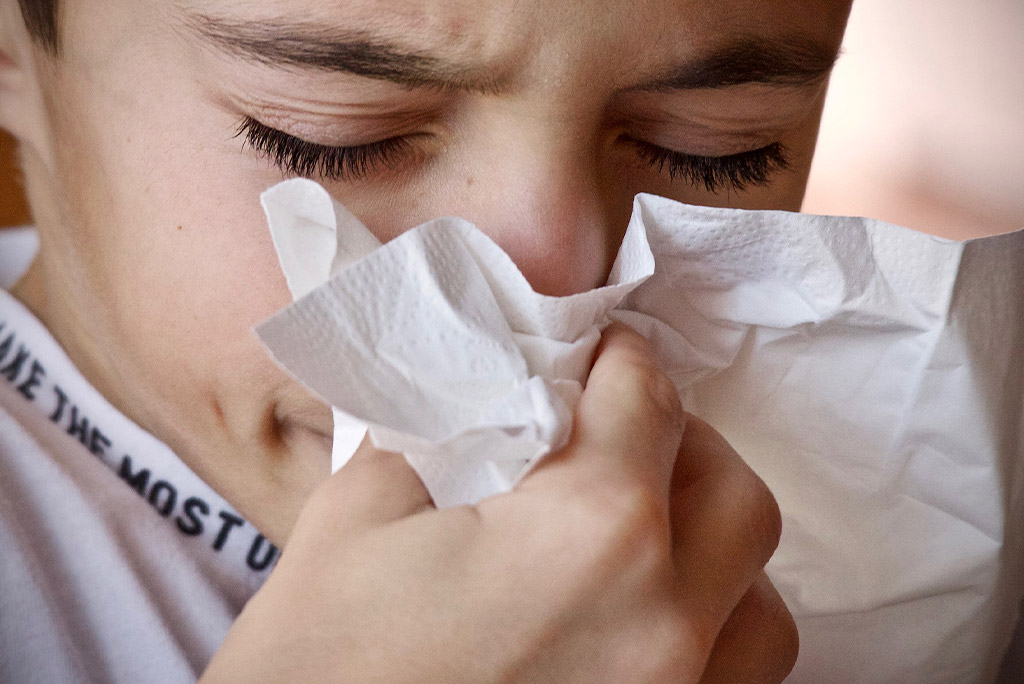
Cold and damp weather during the rainy season often leads to cough, catarrh, flu, and other respiratory infections. Children and older adults are usually more vulnerable.
Symptoms include sneezing, sore throat, cough and chest discomfort
How to prevent it
Stay warm and dry during cold weather.
Change out of wet clothes immediately after being caught in the rain.
Eat foods rich in vitamins to strengthen your immune system.
Keep indoor spaces properly ventilated.
Ignoring persistent cough or breathing difficulty can lead to more serious health issues.
5. Skin Infections
Walking through dirty floodwater and staying in damp clothing for long periods can trigger fungal infections, rashes, and irritation.
Symptoms include itching, skin rashes, peeling skin and irritation between toes or skin folds
How to prevent it
Keep your body clean and dry.
Avoid walking barefoot in dirty water.
Change wet clothes immediately.
Avoid sharing towels and personal items.
6. Pneumonia
Pneumonia is a serious lung infection that becomes more common during cold and wet weather. It can affect people of all ages, but young children and the elderly face the highest risk.
Symptoms include chest pain, fever, difficulty breathing and persistent cough
How to prevent it
Keep warm during cold weather.
Treat coughs and respiratory infections early.
Avoid overcrowded and poorly ventilated spaces.
Seek medical care if breathing becomes difficult.
7. Diarrhoea and Dysentery
Contaminated food and unsafe water during the rainy season can also lead to diarrhoea and dysentery, especially among children.
Symptoms include: frequent loose stool, stomach cramps, weakness and dehydration
How to prevent it
Wash hands before eating and after using the toilet.
Drink clean, treated water.
Wash fruits and vegetables properly.
Conclusion
The rainy season does not have to become a season of illness. Simple habits like keeping your surroundings clean, drinking safe water, maintaining proper hygiene, and protecting yourself from mosquitoes can greatly reduce your risk of infection.
Taking preventive measures early can help you and your family stay healthy throughout the season. If symptoms persist or worsen, always seek professional medical advice promptly.