What African Unity Could Actually Look Like Beyond Political Slogans
African unity is often discussed in symbolic terms, but what would it actually look like in practice? From trade and travel to payments and infrastructure, here is what real continental integration could mean.
The vision of a united Africa is real. But it will not arrive through declarations or summits. It will show up gradually in everyday friction that no longer exists.
African unity is often discussed in grand terms—open borders, one currency, or a single continental identity. But in reality, unity is rarely built through symbolism alone.
Africa has 54 countries, each with different systems, currencies, laws, and levels of development. That diversity makes instant political unity unrealistic.
But that does not mean unity is impossible. It simply means real unity is more likely to come through systems that make cooperation easier in everyday life.
A more unified Africa would not first look like one country. It would look like a continent where movement, trade, and collaboration are less restricted than they are today.
What African Unity Is Often Mistaken For
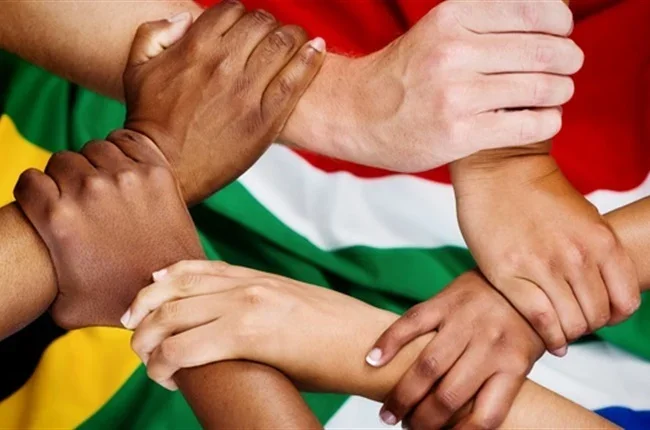
One of the biggest misunderstandings about African unity is the belief that it must begin with dramatic political change.
Many people imagine unity as one president, one currency, one passport system and a completely borderless movement. These are powerful ideas, but they are not practical starting points.
Africa is too diverse politically and economically for immediate fusion.
Real unity is not about removing differences, it is about reducing unnecessary barriers between countries.
In other words, unity is less about becoming one nation and more about functioning better together.
What Already Exists
African unity is not starting from scratch.
There are already systems trying to connect the continent.
The African Union provides a political platform for coordination and continental dialogue.
The African Continental Free Trade Area is designed to reduce trade barriers and create a more connected African market.
Regional blocs like Economic Community of West African States, East African Community, and Southern African Development Community already support cooperation within their regions.
Some African countries also offer visa-free or simplified entry to citizens of other African states.

These developments matter because they show that integration is already happening in pieces.
The issue is not absence of structure, it is uneven implementation.
So while frameworks exist, many Africans still experience the continent as fragmented in practice.
What Real African Unity Could Look Like
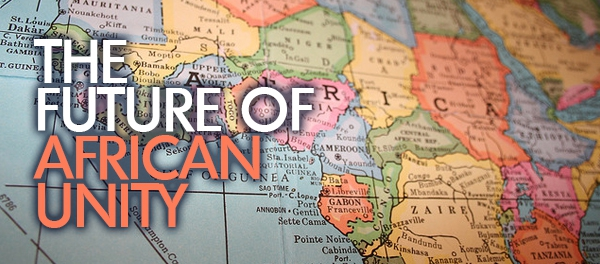
If African unity ever becomes real in practice, it will not first appear in political speeches or summit declarations.
It will show up in ordinary, everyday actions that currently feel harder than they should be.
Easier Movement Across Borders
Travel within Africa would feel less bureaucratic.
Travel within Africa is still, for many Africans, more difficult than travel to other continents entirely.
In 46 percent of travel scenarios for African passport holders crossing into another African country, a visa is required before departure. Only five countries — Rwanda, Seychelles, Benin, Ghana and The Gambia have completely abolished visa requirements for all Africans.
The Africa Visa Openness Index 2024 found that just 28 percent of intra-Africa travel is visa-free, meaning, in most cases, a North American or European tourist has easier access to African countries than African citizens themselves
A genuinely integrated Africa would look like fewer visa requirements, faster border processing, and a flight network built around African destinations rather than European legacy routes.
It would mean a student who secures admission at a West African university from Southern Africa does not spend two months acquiring paperwork before they can attend.
In a more unified system, relocating for work, study, or business would be far more straightforward.
Stronger Intra-African Trade
Today, African countries still trade more with external partners than with each other.
It would be seen when an entrepreneur in one African country can expand into another without dealing with heavy paperwork or long delays.
Despite AfCFTA's promise, the structural barriers to everyday trade remain significant. Road transport accounts for roughly 29 percent of the price of goods traded within Africa, compared to just 7 percent for goods traded outside the continent.
A more unified system would reduce customs delays, inconsistent regulations and transport barriers
This would make it easier for goods produced in one African country to move and be sold in another.
The result would not just be trade growth, it would be stronger economic connection between countries that already share borders.
Easier Cross-Border Payments
Money movement within Africa is still more complicated than it should be.
Businesses, freelancers, and individuals often face high transfer costs, delays and currency conversion issues
A more integrated system would make payments across African countries faster and cheaper.
It would also be visible when sending money from one African country to another feels as simple and affordable as sending it locally.
Solutions exist and are gaining traction.
The Pan-African Payment and Settlement System (PAPSS) enables cross-border transactions in local currencies, eliminating the need for US dollar intermediaries.
But until PAPSS reaches retail consumers, not just participating banks, and until mobile money systems achieve true cross-border interoperability, Africans will continue to pay a premium simply for the act of transacting with each other.
Better Infrastructure Connections
True unity would also be visible in physical connections between countries.
That includes stronger road networks, connected rail systems, improved logistics routes and better regional energy sharing
Without these links, integration remains theoretical.
Infrastructure is where unity becomes real or stays incomplete.
In short, unity would not be announced, it would be experienced.
Not in theory. But in frictionless daily life.
What Still Stands in the Way
Despite existing frameworks, real integration still faces major obstacles.
National interests often take priority over regional goals. Countries protect local industries, policies differ, and implementation is inconsistent.
There are also infrastructure gaps. Poor transport links and weak logistics systems make cross-border movement harder than it should be.
Economic differences between countries also slow down coordination, especially where stronger economies dominate regional trade.
In some regions, security challenges further complicate cooperation.
So the gap is not only about ideas, it is also about execution and capacity.
Conclusion: Unity as a System, Not a Symbol
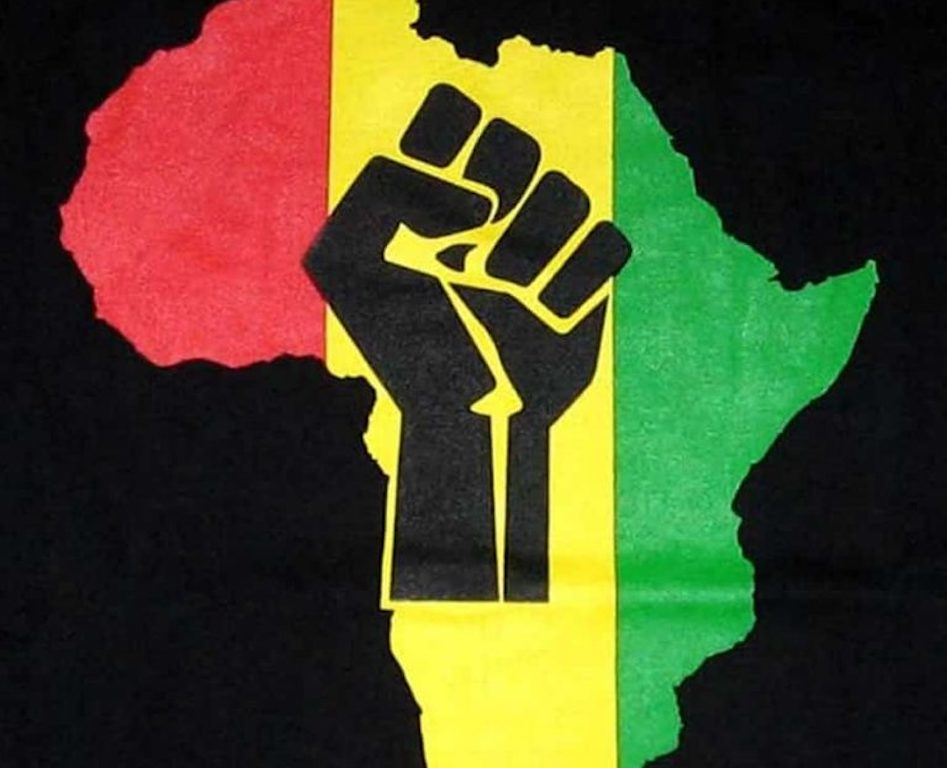
African unity will not arrive like a political announcement. It will accumulate like infrastructure, piece by piece, corridor by corridor, until one day crossing a border within Africa feels unremarkable rather than exceptional.
It will show up when a freelancer in Kigali can invoice and receive payment from a client in Lagos as easily as from one in London. When a Ghanaian teacher's qualifications are recognised in Senegal without months of credential verification.
When a road trip from Dakar to Nairobi does not require the planning stamina of a small expedition.
That is what African unity would actually look like when it stops being an idea and starts becoming a lived experience.