Snoring at Night? What’s Really Happening and How to Reduce It Naturally
Snoring is caused by restricted airflow during sleep, often linked to throat muscle relaxation, nasal blockage, sleep posture, and lifestyle habits. These are practical and natural ways to reduce snoring and improve sleep quality.
Snoring is often seen as a simple sleep noise, but medically it is better understood as a sign of restricted airflow during sleep.
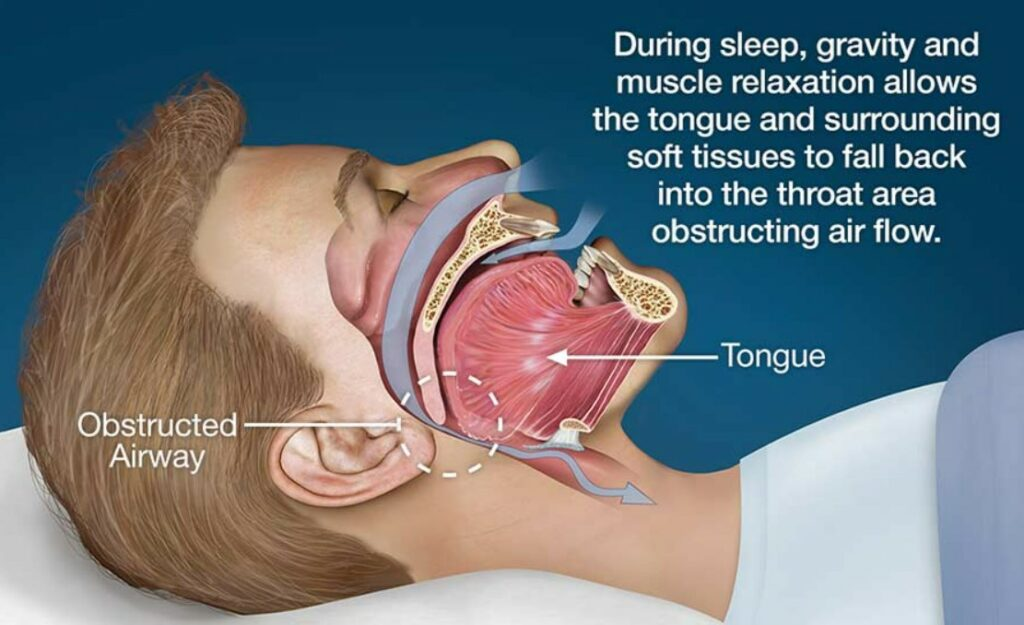
As the body relaxes at night, the muscles in the throat, tongue, and soft palate also relax. In some people, this relaxation narrows the airway enough to disrupt smooth airflow.
When air passes through this narrowed space, it causes vibration of surrounding tissues, producing the sound known as snoring.
While the intensity of snoring can vary, the underlying cause is usually the same: air is not moving freely through the upper airway. This can be influenced by sleep posture, nasal health, body condition, and lifestyle habits.
Understanding these factors makes it easier to see that snoring is not random, it follows a physical pattern.
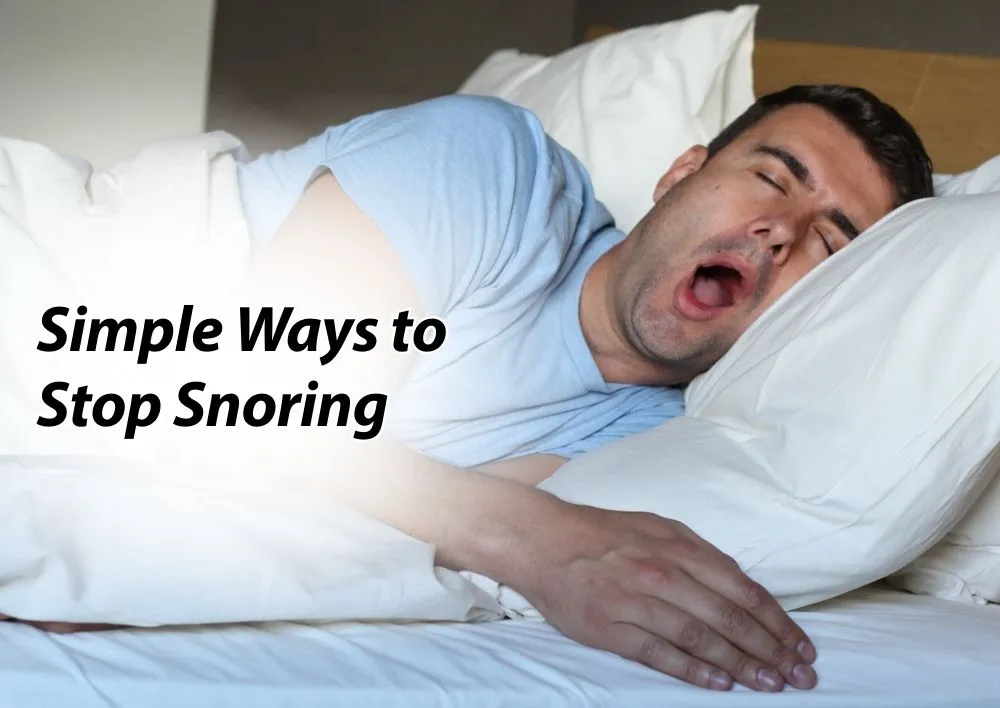
1. Airflow blockage control (sleep position and posture)
Sleep on your side
When sleeping on the back, gravity allows the tongue and soft throat tissues to fall backward. This narrows the airway and increases resistance to airflow. Side sleeping helps keep the airway open and reduces vibration during breathing.
Elevate the head while sleeping
Lying flat increases the chance of airway collapse due to gravity and muscle relaxation. A slightly raised head position helps maintain a clearer breathing path and reduces pressure on the throat.
Use proper pillow alignment
Neck position plays a major role in airway openness. If the head is tilted too far forward or backward, it can partially restrict airflow. Proper alignment keeps the airway in a more natural, open position during sleep.
Social Insight
Navigate the Rhythms of African Communities
Bold Conversations. Real Impact. True Narratives.
2. Nasal breathing improvement (airflow through the nose)
Clear nasal congestion
Blocked nasal passages force the body to rely on mouth breathing. Mouth breathing increases airflow turbulence in the throat, which makes snoring more likely and often more noticeable.
Treat allergies or sinus issues

Chronic inflammation inside the nose reduces airflow efficiency over time. When nasal passages remain partially blocked, breathing becomes less smooth and increases airway resistance during sleep.
Use nasal strips or nasal dilators
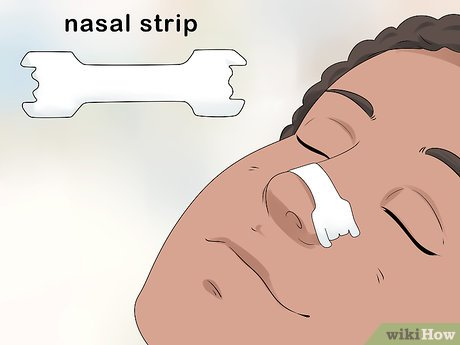
These devices physically widen the nasal passages. By reducing nasal resistance, they improve airflow through the nose and reduce the need for mouth breathing, which helps lower snoring intensity.
3. Muscle and lifestyle factors (how the body behaves during sleep)
Maintain a healthy weight
Excess fat around the neck and upper airway can reduce breathing space. This increases pressure on the airway during sleep and makes it easier for airflow to become restricted.
Avoid alcohol before sleep
Alcohol relaxes throat muscles more than normal sleep does. This excessive relaxation increases the likelihood of airway collapse, which leads to stronger vibration and louder snoring.
Strengthen throat muscles
The throat muscles help keep the airway stable during sleep. When they are weak, they are more likely to relax excessively and partially obstruct airflow. Strengthening them improves airway control.
Maintain a consistent sleep schedule
Irregular sleep patterns can affect how the body transitions into deeper sleep stages. In some people, disrupted sleep rhythm may worsen snoring by affecting muscle stability and relaxation patterns during the night.
Conclusion
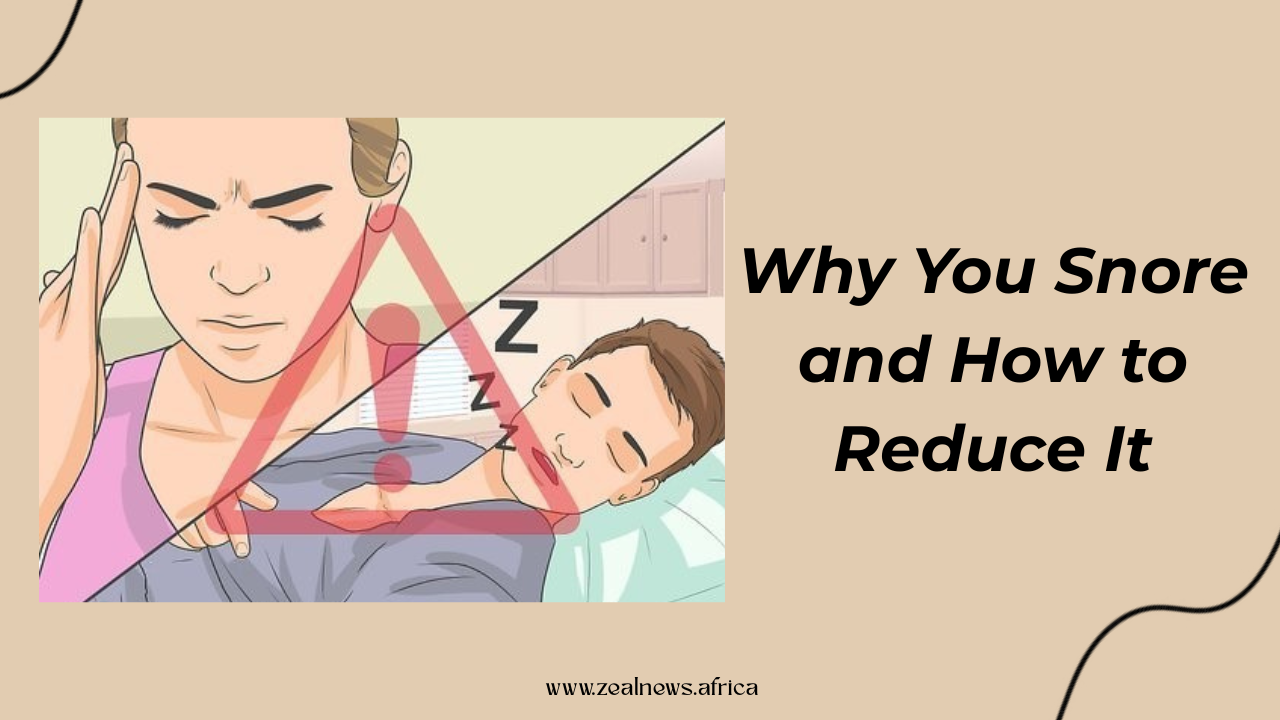
Snoring is not just a sleep habit, it is a mechanical airflow issue caused by partial airway restriction during sleep.
Although no single method works for everyone, combining simple and consistent adjustments, especially around sleep posture, nasal breathing, and lifestyle control can significantly reduce snoring over time.
The Sleep Foundation recommends sleep schedule regularity as part of a broader approach to reducing snoring.
The key is not quick fixes, but improving the conditions that allow smooth airflow throughout the night.