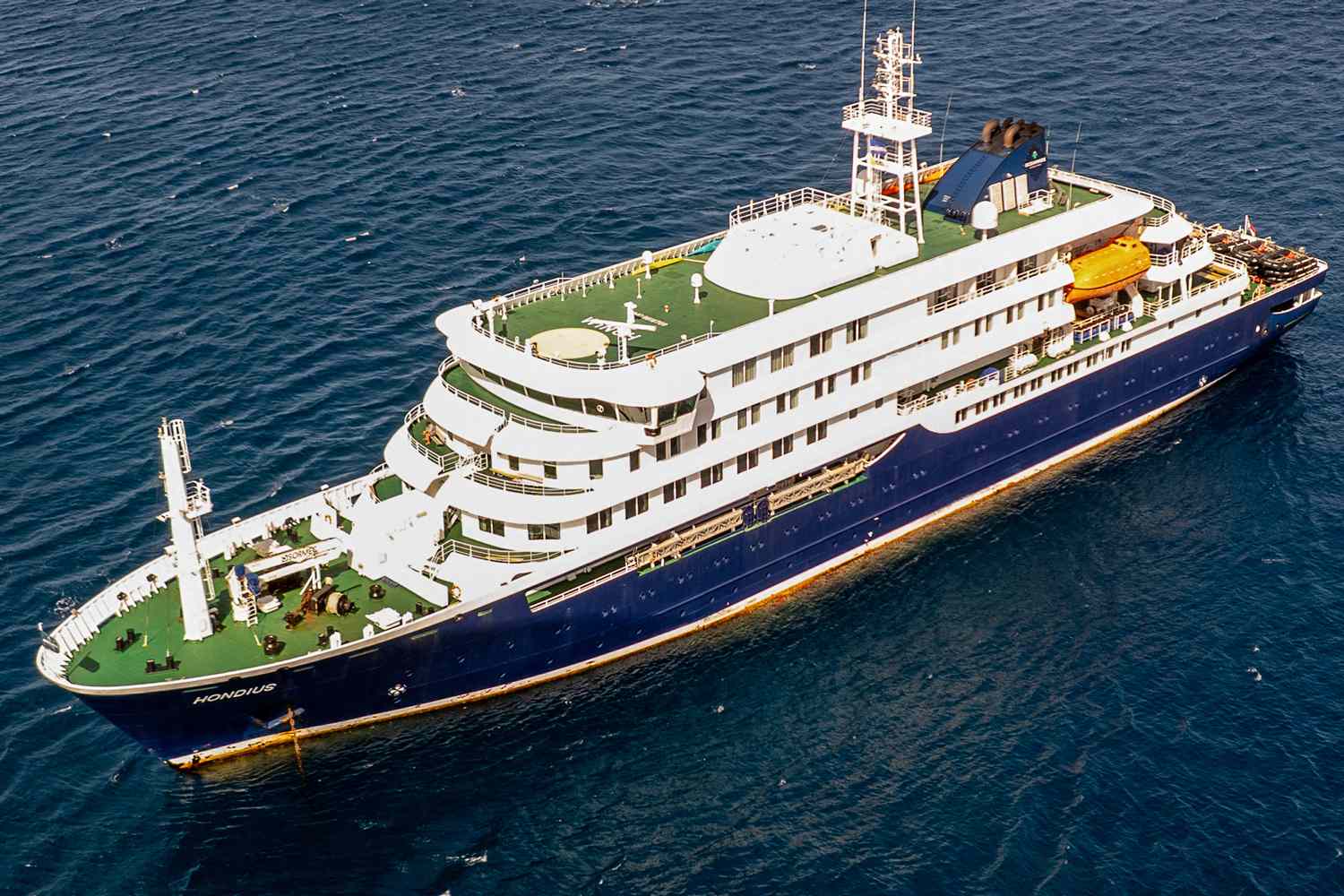
Hantavirus Scare: Cruise Ship Approaches Europe Amid Spreading Rat Virus Fears
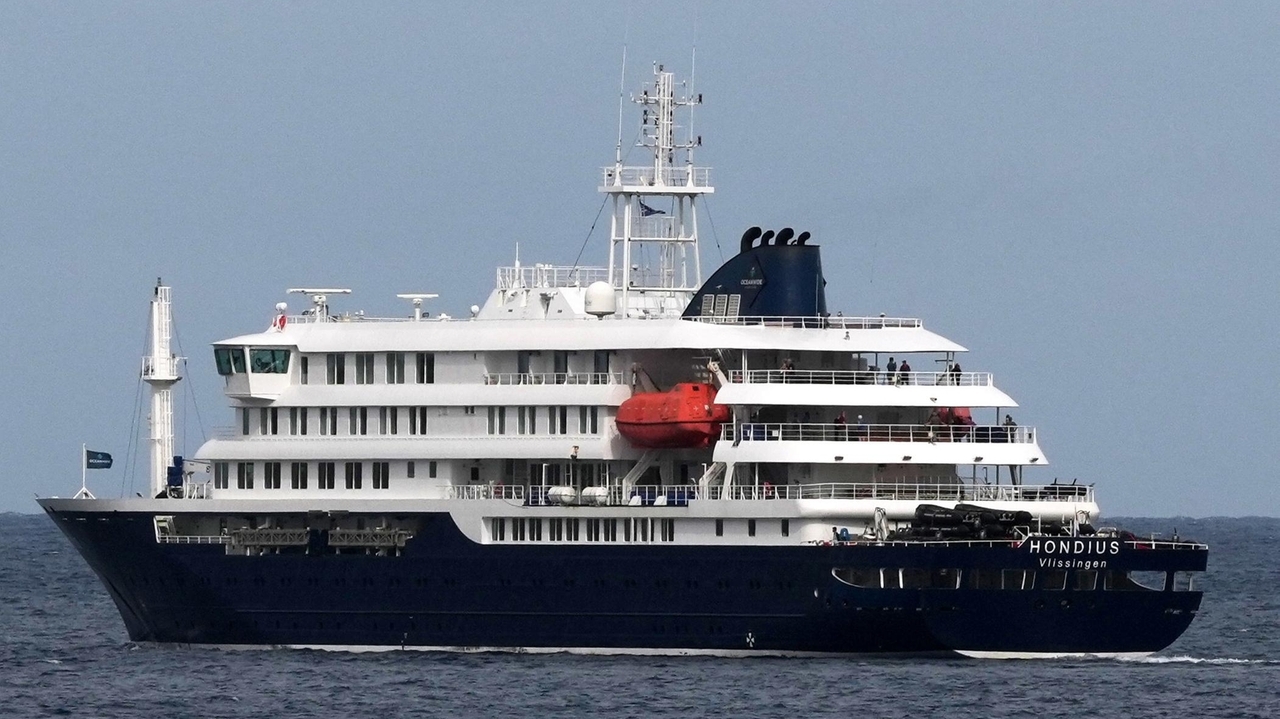
A deadly hantavirus outbreak aboard the Dutch-flagged MV Hondius cruise ship has led to multiple cases and three confirmed deaths, sparking global concerns and an international response. The specific strain identified is the Andes virus, primarily found in Latin America, which uniquely can spread human-to-human, though typically through close and prolonged contact.
The outbreak prompted the World Health Organization (WHO) to issue warnings about potential additional cases due to the virus's incubation period, which can extend up to six weeks. While acknowledging the severity, WHO chief Tedros Adhanom Ghebreyesus and emergency alert director Abdi Rahman Mahamud have insisted the outbreak is likely to be limited and will not become a pandemic, provided public health measures are diligently implemented. The UK was the first to raise the alarm after a cluster of passengers developed severe respiratory illness.
The MV Hondius, which departed Ushuaia, Argentina, on April 1, with scheduled stops including Antarctica and the Falkland Islands, changed its course due to the health crisis. After leaving Cape Verde, it is now heading towards Tenerife, Spain, where the remaining passengers and crew are expected to be evacuated. Cases linked to the ship have been reported in various countries, with patients being treated or isolating in Britain, Germany, the Netherlands (where a new patient was confirmed), Switzerland, and South Africa. US health officials, including the Centers for Disease Control and Prevention (CDC), are monitoring asymptomatic residents who disembarked, assessing the risk to the American public as "extremely low." Passengers were advised that symptoms could take up to eight weeks to appear, potentially creating "super-spreaders."
Hantaviruses are a family of viruses mainly spread through contact with rodents (rats and mice), particularly their urine, droppings, and saliva. While rare, a bite or scratch from a rodent can also transmit the virus. The Andes virus is notable for its human-to-human transmission, though this is generally limited to individuals in close contact with an infected person, such as being coughed on directly rather than just sharing air in a room, as suggested by British science writer Matt Ridley. This close contact requirement supports the WHO's assessment of a low public health risk.
Symptoms of Hantavirus Pulmonary Syndrome (HPS), caused by the Andes virus, typically develop between four and 42 days after exposure. Early symptoms include fever, fatigue, and muscle aches, often accompanied by dizziness, headaches, chills, and abdominal issues. Four to ten days later, late symptoms manifest as shortness of breath, coughing, chest tightness, and fluid in the lungs. HPS has a high fatality rate of 38% among those who develop respiratory symptoms. There is currently no specific treatment or vaccine available; care focuses on managing symptoms and isolating affected individuals.
The exact origin of the MV Hondius outbreak remains unconfirmed. While the Argentine government initially suspected a Dutch couple contracted the virus during a bird-watching event at a garbage dump before boarding the ship, Argentine health authorities maintain that it is not yet possible to confirm the source of infection based on the information provided by the involved countries.
Past outbreaks, such as the 2018 "super-spreader" event in Epuyen, Argentina, offer crucial insights. In that instance, an elderly man with early fever symptoms attended a birthday party, leading to human-to-human transmission. A study of the Epuyen outbreak, which resulted in 33 infections and 11 deaths, revealed that most transmissions occurred on the first day an infected person had a fever and that isolation measures were highly effective in containing the spread. Experts like Conicet analyst Olivier Blond highlighted how the rapid onset of deaths and quick implementation of isolation measures helped halt the transmission chain, contrasting it with the slower progression of COVID-19, thus reducing the chance of a hantavirus pandemic.
Despite external reports of panic, passengers Julia and Roland, a retired French couple on board the MV Hondius, described a calmer situation. They reported "no panic on board," no new cases detected, and stable conditions for others. They noted that a "significant psychological burden" lifted after infected passengers were evacuated. Life on board continued "almost normal," with passengers interacting in small, distanced groups, requiring masks in shared spaces, and meals served under strict distancing rules. French authorities have also been actively involved, providing contact lines and psychological support to their citizens. Earlier, 30 passengers had disembarked the Hondius in Saint Helena, and all were subsequently contacted by the cruise operator, Oceanwide Expeditions. The ship, which operates as a scientific and passion-driven expedition for specialists, underscores the unique nature of this incident and the international coordination to manage the health scare.
You may also like...
Denzel Washington's Iconic 'John Wick'-Style Franchise Dominates Streaming 12 Years Later!

Denzel Washington continues his prolific career with upcoming projects like Netflix's "Here Comes the Flood" and the str...
First Look: 'The Batman: Part 2' Reveals Batmobile and Robert Pattinson's Return!

The highly anticipated "The Batman: Part 2" has offered its first official glimpse, revealing Robert Pattinson's Batmobi...
Namibia's Tourism Model Faces Crisis: Competition Probe Sparks Industry Backlash
A regulatory investigation into exclusive tourism arrangements in northwestern Namibia is sparking a fierce debate, pote...
Central Africa Soars: Air Congo Launches Historic Kinshasa-Brussels Route
Air Congo is set to launch its first long-haul route connecting Kinshasa to Brussels, marking a significant expansion fo...
Elon Musk Unleashes Legal Battle, Puts OpenAI's Safety Record Under Intense Scrutiny!

Elon Musk's lawsuit against OpenAI highlights a critical conflict between the company's founding mission of AI safety an...
Chinese AI Powerhouse Moonshot Secures Staggering $2B Funding, Valued at $20B!

Chinese AI lab Moonshot AI has raised $2 billion at a $20 billion valuation, bringing its total funding in six months to...
Hantavirus Scare: Cruise Ship Approaches Europe Amid Spreading Rat Virus Fears
A hantavirus outbreak on the MV Hondius cruise ship has led to multiple cases and three deaths, with the Andes virus str...
Democracy Under Threat: CSOs Seek Court Intervention to Halt Rapid Passage of 70+ Controversial Bills in Parliament

Opposition political party vice president Sean Tembo and two Civil Society Organisations have strongly condemned the Zam...