Global Health Alert: Hantavirus Outbreak Spurs EU Action and International Tracing Efforts

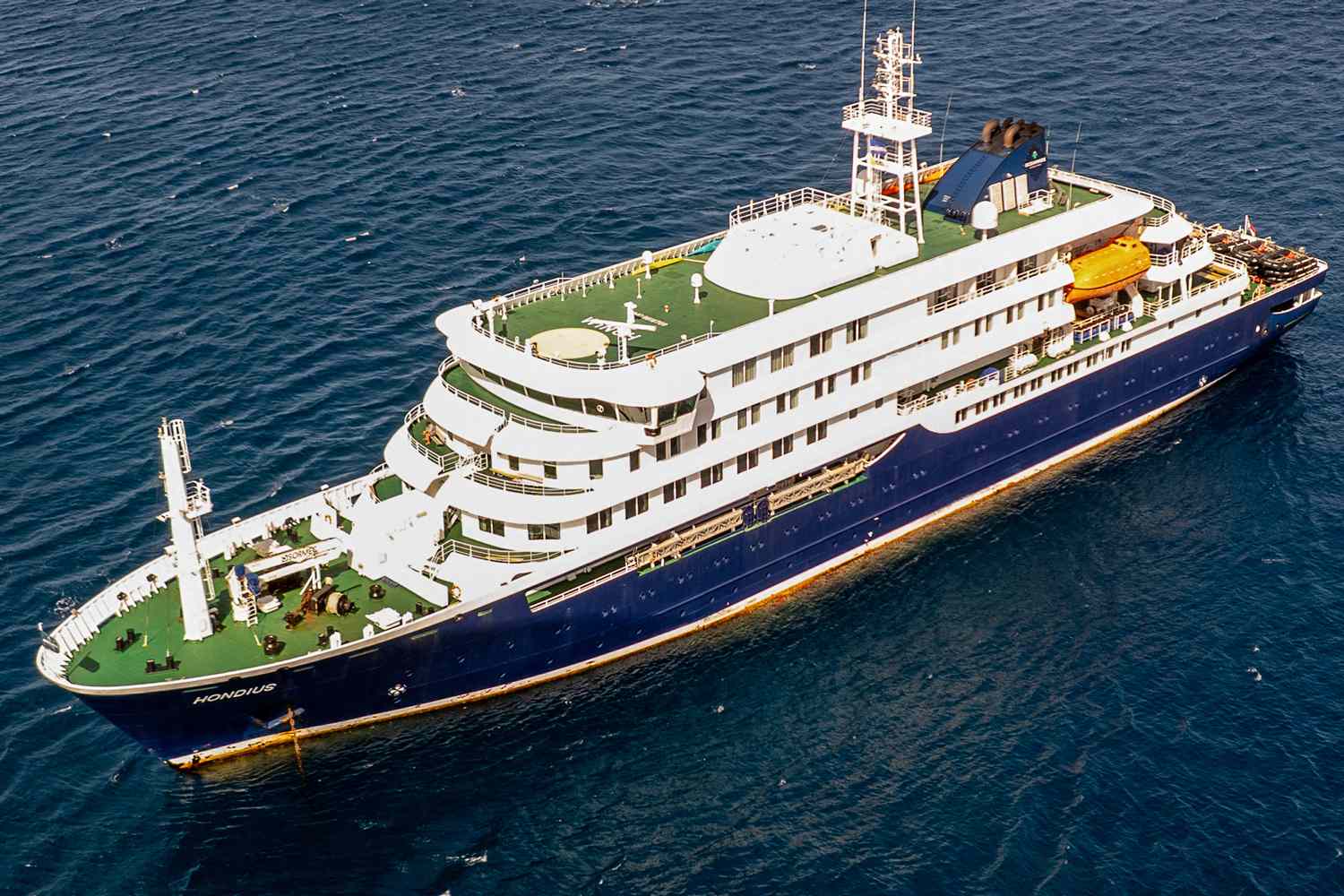
Authorities globally are in a rapid effort to trace dozens of passengers who disembarked from the MV Hondius cruise ship before isolation protocols were enforced, following a deadly hantavirus outbreak. It was revealed on Thursday that at least 29 passengers, representing 12 nationalities, left the vessel on April 24 after the first fatality, triggering an urgent search to track their subsequent movements. Despite the alarm, the World Health Organization (WHO) has emphatically stated that this incident does not signal the beginning of a Covid-scale epidemic or pandemic. Dr. Maria Van Kerkhove, WHO's director for epidemic and pandemic preparedness and prevention, stressed that the public health risk is low.
Of the eight suspected cases linked to the ship, five have been confirmed. WHO Director-General Tedros Adhanom Ghebreyesus cautioned that given the Andes virus's incubation period, which can extend up to six weeks, more cases might emerge. Hantaviruses are typically found in rodents but can infect humans, leading to flu-like symptoms, pulmonary syndrome, and potentially fatal respiratory failure. The Andes hantavirus, a strain capable of human-to-human transmission through very close contact, is significantly less contagious than Covid-19, and currently, no vaccines exist.
The outbreak has resulted in three fatalities. Three individuals displaying symptoms were medically evacuated and are currently receiving treatment in the Netherlands: a 41-year-old doctor, a 65-year-old German passenger, and Martin Anstee, a 56-year-old British expedition guide. Furthermore, a woman in Amsterdam, who was not aboard the ship, is being tested for hantavirus in an isolated ward, potentially marking the first known infection outside the MV Hondius.
Oceanwide Expeditions, the Dutch cruise company operating the MV Hondius, confirmed that 29 people, along with the body of the first fatality, disembarked in Saint Helena on April 24. The first confirmed hantavirus case, however, was not reported until May 4. The company stated that the disembarked passengers, including six US and seven British citizens, have been contacted, with most believed to have returned to their home countries. Specific individuals include a man being treated in a Zurich hospital after testing positive, with Swiss authorities confirming no public risk. In the US, the Centers for Disease Control and Prevention (CDC) is monitoring passengers who traveled to Georgia, California, and Arizona, none of whom have shown symptoms. In the UK, two self-isolating passengers have no symptoms but have been advised to self-isolate for 45 days. Singaporean and Danish officials are also monitoring their respective citizens from the cruise.
The MV Hondius, with 149 people still aboard, was denied docking permission in Cape Verde and subsequently headed for Tenerife in Spain's Canary Islands. The president of the Canary Islands, Fernando Clavijo, expressed concerns over allowing the ship into their waters, requesting a meeting with the Spanish prime minister. Spanish Health Minister Mónica García assured that there was no public health threat and confirmed the ship would remain at anchor, not docking in port. Passengers will be evaluated onboard, and disembarkation will only occur for transfer or repatriation, strictly with protective equipment and without public contact. EU nations are expected to begin evacuating their citizens from May 11, with 14 Spanish nationals, including one crew member, being transferred to a military hospital in Madrid. Spain's opposition party criticized the government for seemingly mixed messages regarding voluntary versus mandatory quarantine procedures.
The vessel began its journey on April 1 from Ushuaia, Argentina. A 70-year-old Dutch man developed symptoms on April 6 and died five days later; his death was initially attributed to natural causes. His body was removed on April 24 at Saint Helena. His 69-year-old Dutch wife flew to South Africa, briefly transferred to a KLM flight, and was then taken off for treatment, where she later died. A KLM stewardess who had contact with her is now in isolation. The body of a German passenger, who developed a fever on April 28 and died on May 2, remains on the ship.
One theory links the outbreak to a birdwatching expedition in Argentina undertaken by the Dutch couple before boarding the Hondius. Argentina has Latin America's highest incidence of hantavirus, with 101 infections reported since June 2025, approximately double the previous year's figures. Argentina's health ministry plans to conduct rodent trapping and analysis in Ushuaia, the cruise's departure point.
Recommended Articles
Deadly Hantavirus Strikes Cruise Ship, Ignites Fears of Wider Outbreak
A suspected hantavirus outbreak on the MV Hondius cruise ship has resulted in three deaths and multiple isolations, prom...
Trump's Falklands Fury: Ex-President Threatens UK Sovereignty, Sparks Diplomatic Row

The White House is reportedly considering punitive actions against European NATO allies, including reviewing US diplomat...
Presidential Scandal Rocks Crypto World: Javier Milei Implicated in $251M Libra Token Scam

New call logs reveal President Javier Milei's direct communications with key figures behind the catastrophic $LIBRA meme...
Heartbreak on the Pitch: Kenya Lionesses Fall to Argentina in Thrilling Rugby Clash

The Kenya Lionesses suffered a 5-0 defeat to Argentina at the 2026 Nairobi HSBC SVNS Division Two tournament, marking th...
Deadly Hantavirus Scare! South Africa Confirms Andes Strain After Flight Link
South Africa has identified the Andes variant of hantavirus, a rare strain capable of human-to-human transmission, follo...
You may also like...
7 Common Rainy-Season Diseases and How to Avoid Them

The rainy season increases the risk of several diseases. Here are 7 common diseases and simple prevention tips for you a...
Only 10 States Have Produced Nigeria’s Presidents Since Independence

Nigeria has had 16 presidents and heads of state since 1960, but only 10 states produced them. Here’s the full list and ...
The Map Lied to You: Africa Is Bigger Than You Think
The world map most people grew up with distorted Africa’s true size. Here is how the Mercator projection reshaped global...
Is Modern Feminism Becoming the Very Thing It Used to Fight?

Feminism started with the simple aim of expanding equality and opportunity for women, but growing debates around extreme...
Can Public WiFi Really Get Your Social Media Account Banned? Separating Fact from Internet Fear

Can public WiFi really get your Instagram, TikTok or X account banned? Here is the truth about shared IP addresses, plat...
Denzel Washington's Iconic 'John Wick'-Style Franchise Dominates Streaming 12 Years Later!

Denzel Washington continues his prolific career with upcoming projects like Netflix's "Here Comes the Flood" and the str...
First Look: 'The Batman: Part 2' Reveals Batmobile and Robert Pattinson's Return!

The highly anticipated "The Batman: Part 2" has offered its first official glimpse, revealing Robert Pattinson's Batmobi...
Namibia's Tourism Model Faces Crisis: Competition Probe Sparks Industry Backlash
A regulatory investigation into exclusive tourism arrangements in northwestern Namibia is sparking a fierce debate, pote...