Can Public WiFi Really Get Your Social Media Account Banned? Separating Fact from Internet Fear
Can public WiFi really get your Instagram, TikTok or X account banned? Here is the truth about shared IP addresses, platform security and the real dangers of public networks.
You are sitting in a café. The data is running low and the free WiFi is right there, blinking at you like an opportunity. You connect. You scroll.
As you skim through Tiktok videos, you come across a post. A creator starts narrating a story with a chilling conclusion: "Don't use public WiFi o — they can use the IP to ban your account." Suddenly you are disconnecting like the router personally wronged you.
But is any of that actually true?
The internet runs on fear as much as data, and this particular claim has been circulating long enough to feel like fact. Let us break it down properly.
First, What Is an IP Address and Why Does It Matter?
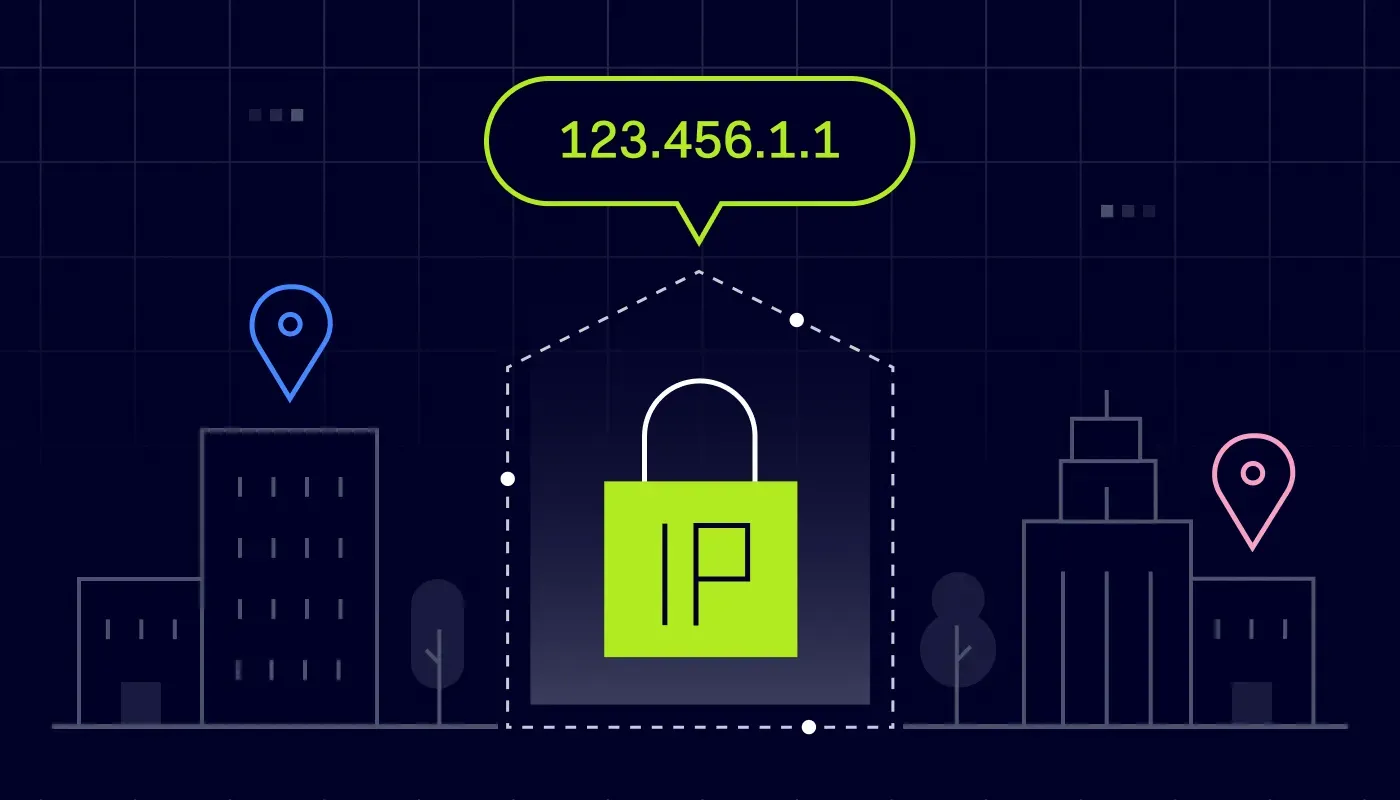
Every device that connects to the internet is assigned an IP address, a numerical label that identifies where traffic is coming from.
When you connect to public WiFi, your device does not get its own unique IP. Instead, it shares the router's IP with every other device on that network.
Social media platforms do log IP addresses. That part is real. What the fear-mongers get wrong is what platforms actually do with that information.
The Claim: Public WiFi IPs Can Get You Banned
The logic goes like this: someone uses the same public WiFi to commit fraud, the platform flags and bans that IP, and now your account, innocent, harmless you, gets caught in the crossfire.
In theory, this is not completely impossible. Platforms like Instagram, TikTok, and X do sometimes take action against IP addresses tied to coordinated fraud, spam or bot activity.
If an IP has been used to create hundreds of fake accounts or run aggressive automation, it can get flagged.
However, modern platforms do not ban accounts based on IP alone. That would be wildly inaccurate and would punish millions of users who share IPs through office networks, university WiFi and mobile data towers.
A student in Unilag and five hundred other students on the same campus network would all lose their accounts simultaneously. That does nothappen.
What Platforms Actually Use to Identify You
Social media companies are far more sophisticated than IP-based detection. The primary tools they use include device fingerprinting which is a combination of your browser type, screen resolution, operating system, and dozens of other signals that make your device uniquely identifiable even without an IP.
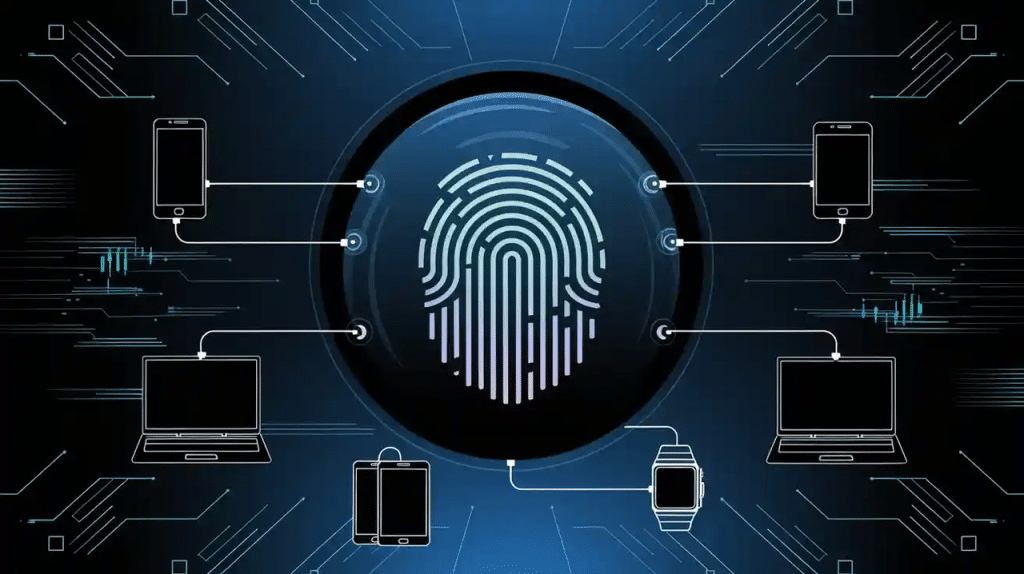
They also track your cookies, session tokens, behavioral patterns and login history.
Latest Tech News
Decode Africa's Digital Transformation
From Startups to Fintech Hubs - We Cover It All.
Your account is tied to your device and your behaviour, not the café's router.
What makes your account look suspicious is logging in from five different countries in two hours, or sending the same message to a thousand people, or running third-party automation tools that violate the platform's terms.
The ban risk from shared IP is largely a myth. It has the structure of something that sounds technically plausible, which is why it spreads so easily.
The Real Risk of Public WiFi
Public WiFi is not dangerous because of account bans; it is dangerous because of data interception.
On an unsecured network, a bad actor can position themselves between your device and the router in what is called a man-in-the-middle attack.

They can see unencrypted traffic passing through the network, which could include login credentials if you are accessing sites that are not properly secured.
This is the actual threat. If someone steals your Instagram password through a compromised network and logs in to run spam or scam campaigns from your account, that can get you banned, not because of the IP, but because your account was used to violate policies.
How to Use Public WiFi Without Playing Yourself
Always check that sites you are visiting use HTTPS, that padlock icon in your browser bar. This encrypts the data between you and the site, making interception significantly harder.
Avoid logging into your social media or banking apps on public WiFi if you can help it. If you must, enable two-factor authentication on all your accounts so that even if your password is captured, access still requires a second step that only you have.
Turn off auto-connect settings on your phone. Connecting automatically to open networks is how most people end up on hostile hotspots without realising it.
A VPN adds another layer of encryption to your traffic and is worth using, but note that VPN IPs are themselves sometimes flagged by platforms because many people share them, which ironically can trigger more login verification prompts than public WiFi alone.
The Bottom Line
Public WiFi will not get your social media account banned. What it can do, if you are not careful, is expose your login details to someone who will use your account in ways that will. The threat is real but the mechanism people describe is just wrong.
Protect your credentials. Enable two-factor authentication. Be conscious of what you are accessing and where. The WiFi at the bus park is not your enemy — carelessness is.