5 Everyday Things You Use That Have Darker Histories Than You Think
Five everyday household items, from alarm clocks to cereal, hide unsettling origin stories shaped by control, exploitation, and manipulation.

Did you know some of the things sitting on your shelves, in your kitchen cabinet, and on your desk looking completely harmless have a grimmer background than you think? Most have been repackaged, rebranded and handed to you without context.
Here are five household staples whose origin stories are far more disturbing than their current roles suggest.

Your Alarm Clock Was Built to Control Your Body
Before factories arrived, people woke with the sun and moved through their days according to natural rhythms. Then the Industrial Revolution happened, and time became something to be owned.
Factory owners became obsessed with squeezing maximum labour from workers, and historians have documented how they deliberately manipulated clocks — running them fast in the morning, slow at closing — to extend shifts without paying extra.
Scholar E.P. Thompson argued that clock-time was systematically imposed on working-class bodies as a form of social control, replacing organic human rhythms with rigid schedules that served capital.
The alarm clock, which became widely affordable by the late 19th century, was the mechanism that brought this control into workers' homes. It was not invented so that your body would report for duty on time, at someone else's insistence.
Your Rubber Products Are Soaked in Congolese Blood
All the rubber products you use at home traces back to natural rubber and the most catastrophic chapter in that history unfolded right here in Africa.
Between 1885 and 1908, King Leopold II of Belgium privately owned the Congo Free State and ran it as a personal extraction operation.
When global rubber demand surged with the invention of the bicycle tyre and the rise of the automobile, he forced Congolese communities to meet brutal rubber quotas under threat of mutilation and death.
The Force Publique, his private army, was ordered to produce severed human hands as proof that bullets were not wasted, an order that resulted in mass amputations of men, women, and children.
Historians estimate that the rubber regime killed approximately ten million people, reducing Congo's population by half. The Congo is still one of the world's poorest countries. The rubber industry still runs.
Your Mouthwash Invented the Problem It Claims to Solve
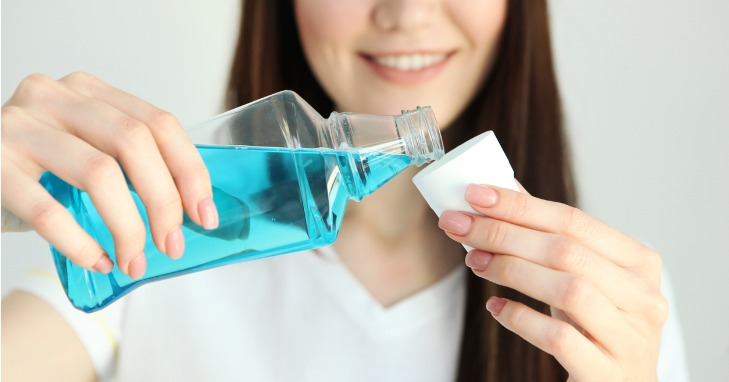
Listerine was created in 1879 as a surgical antiseptic. For decades, it had no clear identity or market. It was sold as a floor cleaner, a wound treatment, a dandruff remedy, and at one point, a cure for gonorrhoea.
Then in the 1920s, the Lambert Pharmaceutical Company stumbled on an obscure Latin medical term for bad breath: halitosis.
They did not discover a disease. They manufactured a social crisis around an entirely normal human condition and built an advertising campaign on the anxiety it produced.
History
Rewind the Stories that Made Africa, Africa
A Journey Through Time, Narrated with Insight.
Ads warned that bad breath was silently destroying people's marriages, careers and friendships — "even your best friend won't tell you."
One campaign followed a character named Edna, perpetually a bridesmaid, never a bride, all because of her breath.
In seven years, Listerine's revenues rose from $115,000 to over $8 million. The company simply convinced you that your mouth, in its natural state, was embarrassing.
You have been gargling manufactured insecurity ever since.
Your Breakfast Cereal Was Born From a Crusade Against Pleasure
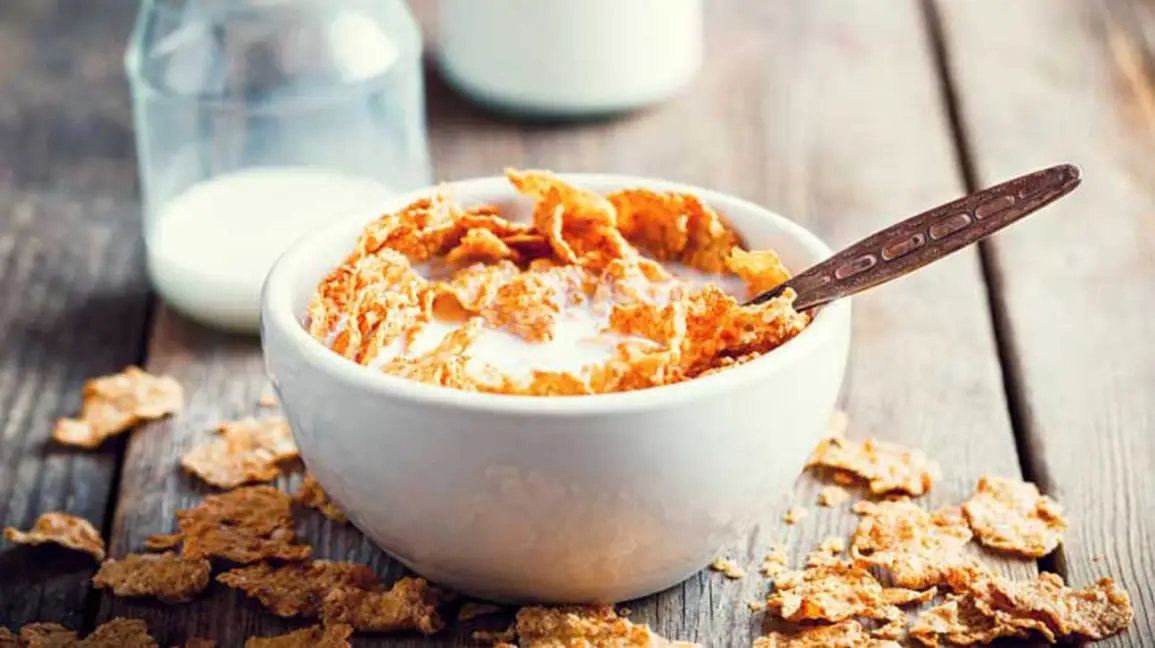
John Harvey Kellogg was a physician, a devout Seventh-Day Adventist and a committed eugenicist who believed that most human suffering stemmed from sexual excess and an insufficiently bland diet.

He ran a sanitarium in Michigan and spent much of his career developing foods so tasteless and stimulation-free that they would, in his view, suppress physical desire and purify the human body.
Cornflakes emerged from this philosophy in the 1890s, deliberately unsweetened, deliberately dull.
Kellogg's brother later added sugar to make the cereal commercially viable, a decision that reportedly horrified him. What is less often mentioned alongside the cereal origin story is that Kellogg was also a vocal eugenicist who supported forced sterilisation and racial purity.
The pleasant cereal company that now sponsors children's cartoon characters grew from the ideological project of a man whose views on human bodies were genuinely alarming.
Your Superglue Was Designed to Build a Better Weapon
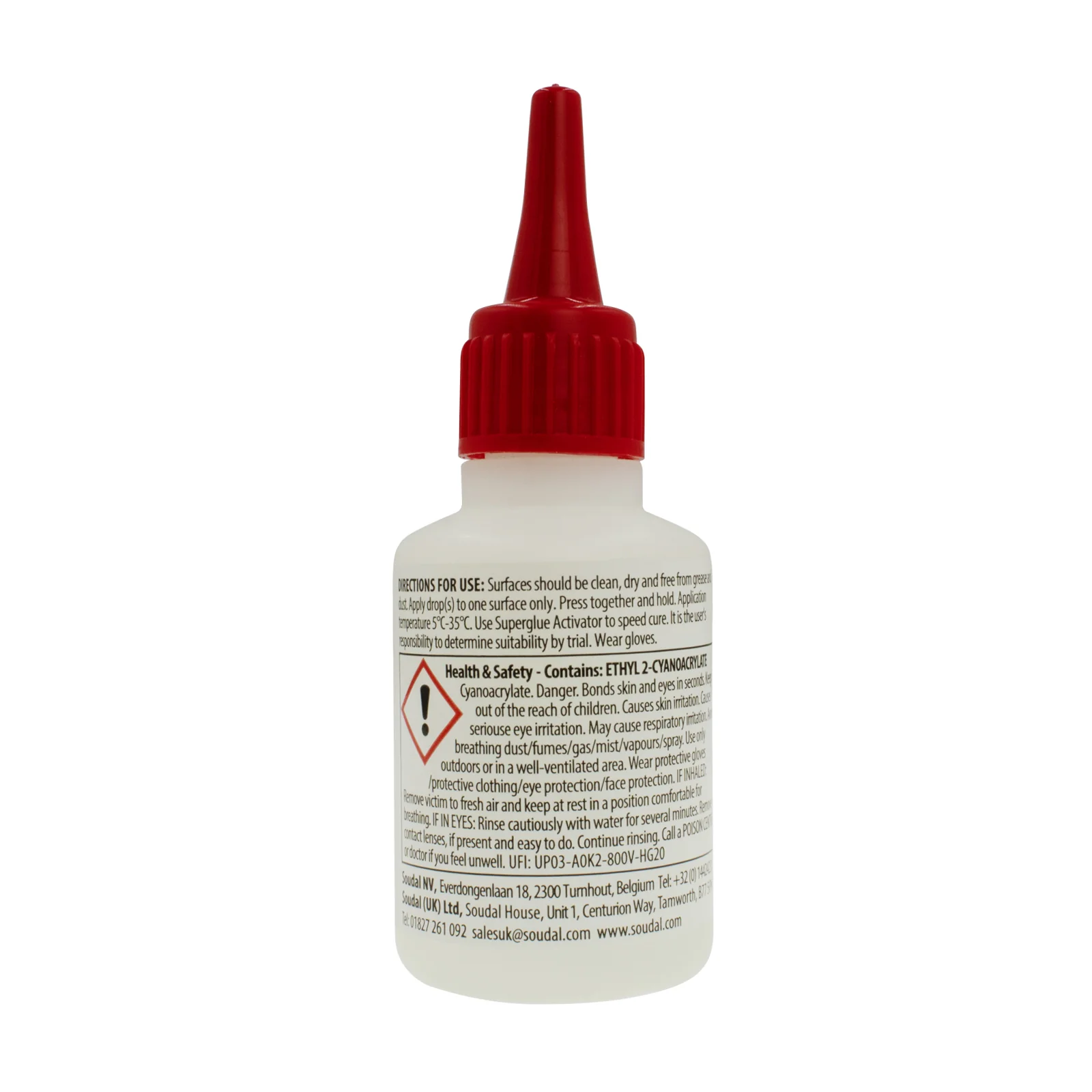
During World War II, chemist Harry Coover was attempting to create clear plastic sights for military rifles when he accidentally discovered cyanoacrylate, a compound that bonded aggressively to almost everything it touched.
The military had no use for it at the time, so it was shelved.
Coover rediscovered it in 1951 while working on heat-resistant coatings for jet canopies. It found its first major practical application not in households but in the Vietnam War, where medics used it to spray directly onto battlefield wounds and slow bleeding long enough to evacuate soldiers.
The FDA eventually approved some surgical applications.
The same adhesive you use to fix a broken phone screen or reattach a loose sole has been applied to living human tissue in active war zones. It works well in both scenarios.
Conclusion
The objects around you did not arrive neutral. They carry the weight of the decisions, ideologies and systems that produced them.
History
Rewind the Stories that Made Africa, Africa
A Journey Through Time, Narrated with Insight.
Knowing their histories does not require you to throw anything away but it does make it harder to look at your shelf the same way again.