Vitamin D and the Sun: What We Were Taught, What Has Changed, and What to Do Now
The sun still produces vitamin D, but air pollution, ozone changes, skin type, and modern indoor lifestyles mean many people are getting far less than they think. Here's the whole science behind sun exposure and vitamin D formation.

I grew up hearing that vitamin D came from the morning sun and it was very beneficial to us all and humans.
I remember one time, while still in secondary school, I was trying to move my seat away from the window because of the sun rays beating through the frames, and my teacher jokingly said I was running away from vitamin D.
Everyone laughed, as I sat back down, partly shy, partly embarrassed, and partly convinced. It was ingrained back then, the sun was giving you something essential, and avoiding it is foolish.
That belief wasn't wrong or maybe not entirely true, but there were layers of truth to it. But in 2026, it deserves a harder look.
How the Sun Actually Makes Vitamin D

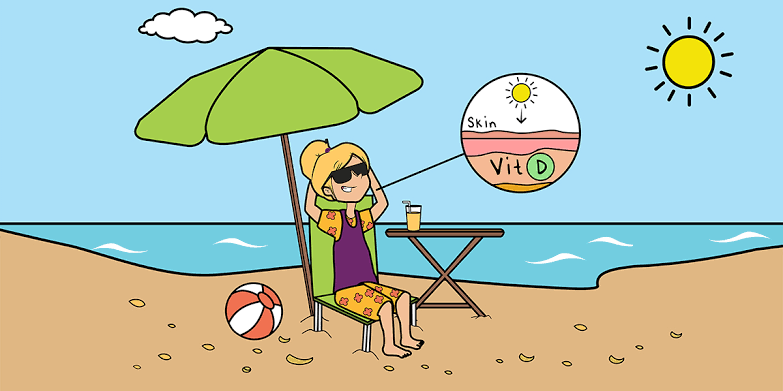
The process sounds almost too simple for something so vital. When ultraviolet B (UVB) radiation, a specific band of sunlight, hits exposed skin, it triggers a chemical reaction that converts cholesterol in the skin into vitamin D3.
That compound travels to the liver, gets converted into calcifediol(25-hydroxyvitamin D), then moves to the kidneys where it becomes the active form the body actually uses. The whole chain depends on one thing happening first: UVB reaching your skin. Meaning no UVB, no Vitamin D.
Approximately 90 to 95 percent of vitamin D is synthesised in the skin through exposure to sunlight, while only a limited number of foods contain vitamin D naturally.
This is why the sun was and still is considered the most efficient source. No multivitamin replicates the process as cleanly.
The more uncomfortable truth is that the prevalence of vitamin D deficiency has been increasing globally, largely due to reduced sunlight exposure associated with modern lifestyle factors, such as spending prolonged periods indoors, widespread use of sun protection measures, and air pollution.
We are, collectively, getting less sun than we think we are, and in many cases, less than we need.
What's Changed About the Sun Itself
Here's where the topic at hand gets more complex. The sun hasn't moved, but the atmosphere it travels through has changed considerably.
Only about one percent of solar UVB radiation ever reaches the earth's surface even in the summer at noon. All of the UVC and UVB radiation up to approximately 290 nanometresisefficiently absorbed by the stratospheric ozone layer, which also absorbs approximately 99 percent of the UVB radiation in the 291 to 320 nanometre range.
This means the ozone layer was always filtering the sun, but as ozone depletion, air pollution, and climate-driven atmospheric changes alter that filter, the dynamics of that reality is shifting faster than you can imagine.
Recent studies have demonstrated that tropospheric ozone and particulate matter, the fine pollutant particles found heavily in urban air, are independent risks to vitamin D levels and cause deficiency.
In simple and practical terms, if you live in a city with heavy traffic and industrial activity, the same hour of sunlight your grandmother sat under in a cleaner atmosphere is not the same hour you're getting today. The UVB reaching your skin has already run a gauntlet of pollutants.
People living in areas farther away from the equator make less vitamin D in their skin, because more of the sun's rays, especially UVB rays, are absorbed by the earth's ozone layer.
People who live farther from the equator may not produce any vitamin D from the sun for up to six months a year during winter months. For those in tropical regions like Nigeria, the picture is better, but still not without complications.
Darker skin adds another layer. Melanin, the pigment that gives skin its colour, acts as a natural filter. Darker-skinned people need to spend longer in the sun than lighter-skinned people to produce the same amount of vitamin D, which is a major reason why darker-skinned people have a higher risk of deficiency.
The populations who live closest to the equator, with the most sun available, are also the ones whose skin requires the most exposure to convert it effectively.
What You Should Actually Be Doing
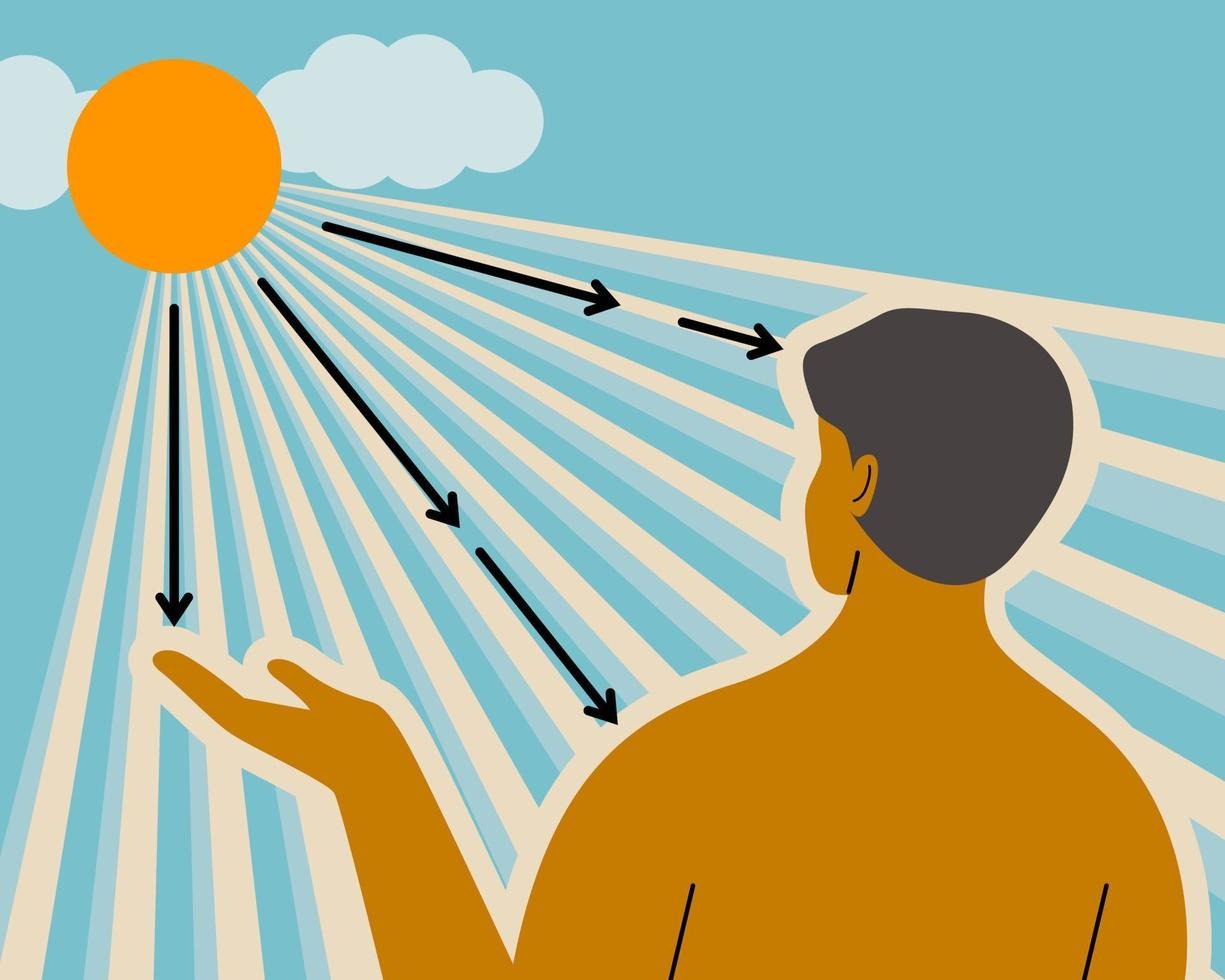

The advice to "get morning sun" is not wrong, it's just incomplete now. Across all locations in summer, five to ten minutes outdoors between 8 a.m. and 4 p.m. on most days of the week, with 35 percent of the body surface area exposed, is sufficient to maintain existing vitamin D concentration.
That's a relatively modest routine, and for most people in sunny climates, it's achievable. The problem is that modern life, air-conditioned offices, screen-heavy schedules, and indoor recreation has made consistent sun exposure far rarer than it appears.
About 20 minutes of sunshine daily, with over 40 percent of skin exposed, is required to prevent vitamin D deficiency. That's arms and legs, not just a face near a window.
For people who genuinely can't achieve consistent exposure, whether due to location, occupation, or skin type, supplementation is a real and medically sound alternative.
While sunlight is the most efficient source of vitamin D, diet can still make a difference. According to NUHSplus, oily fish such as salmon and tuna are excellent sources, alongside cod liver oil, egg yolk, and fortified foods like breakfast cereals and milk or plant-based milk alternatives.
The old idea that morning sun is a reliable, sufficient source of vitamin D isn't entirely wrong. It's just no longer the whole story.
Pollution filters it, melanin slows it, indoor living blocks it, and the atmosphere carrying it has changed. The sun is still giving, but between urban air, glass windows, and sunscreen, many of us are receiving far less than we assume.
My secondary school teacher wasn't wrong to joke about vitamin D. He just didn't know that one day, the window might not be the problem.