24-Hour Electricity Manifesto: How Many Politicians Have Promised It, and Who Has Delivered?
From Obasanjo to Tinubu, Nigerian presidents have repeatedly promised better electricity. Examine their power targets, records and why 24-hour electricity remains elusive.
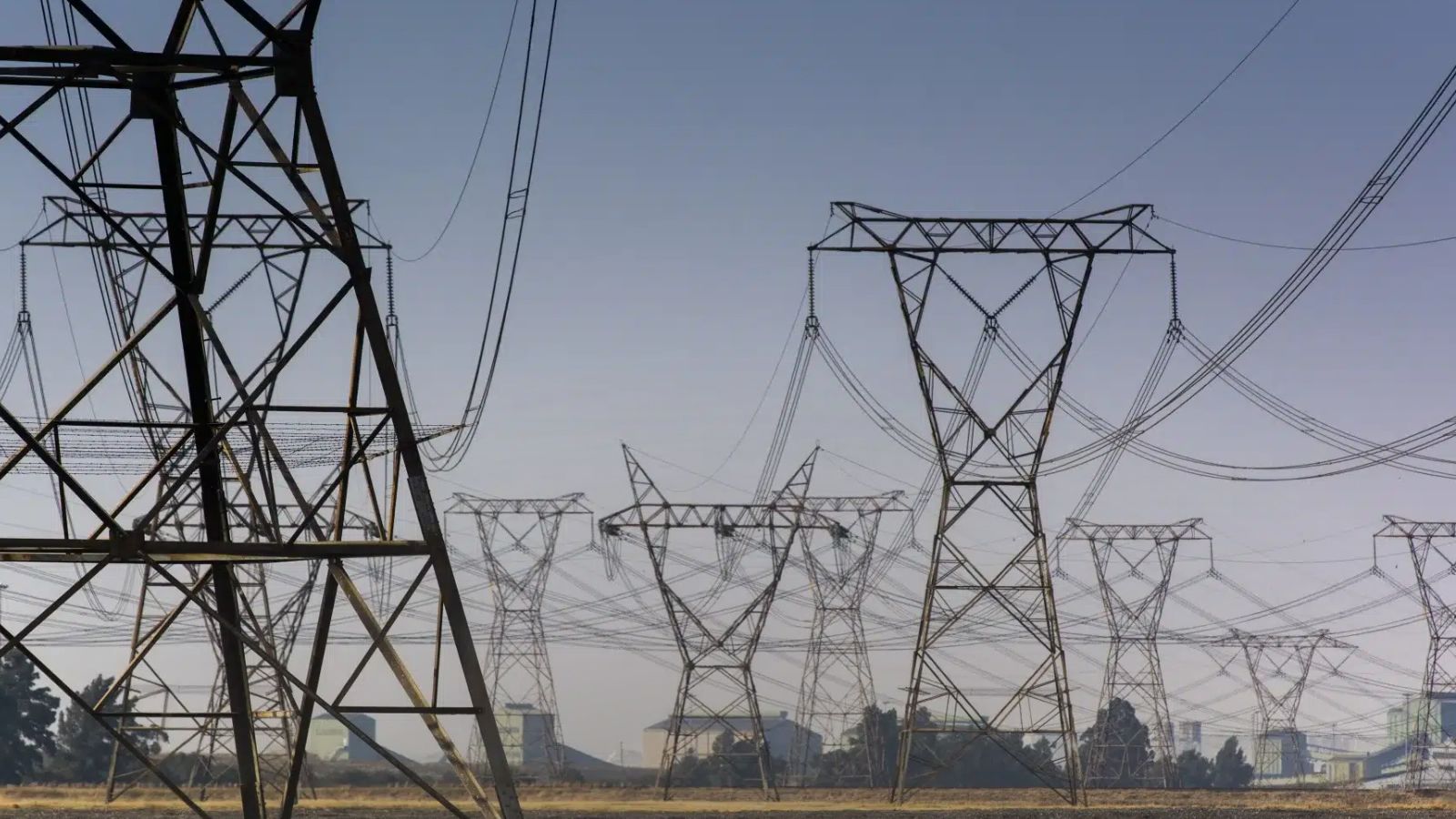
You do not have to be Nigerian to know the electricity supply situation of the country. There is a reason why the country is called generator’s republic.
It has always been terrible compared to what a nation's electricity supply should look like in the 21st century. In the past few years, it has deteriorated so much that generators and solar setups seem like the rite of passage to becoming a Nigerian.
Every election season, politicians come out and, like broken records, start to talk about making sure the country gets 24-hour supply. When they get in, it most likely gets worse.
As 2027 draws closer, the record is playing again. So how many politicians have made this promise since 1999, and have any of them kept it? To answer that, let's start with where Nigerians are today.
Nigeria's Power Supply Right Now
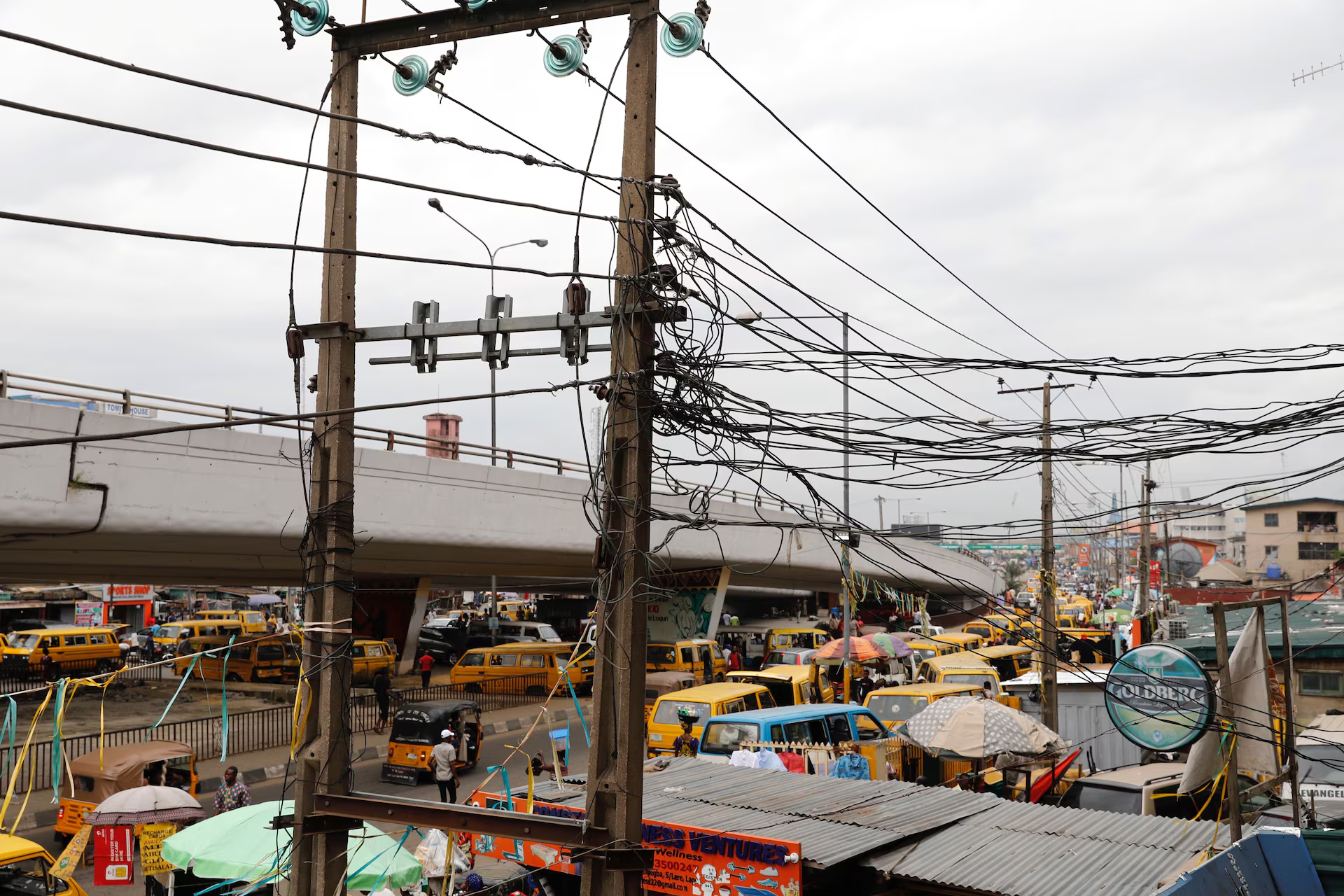
As this is being written in darkness, generation on the national grid has dropped to about 940 megawatts, for over 200 million people. Nigeria has more than 13,000MW of installed capacity on paper, yet only just a fraction ever reaches homes.
Petrol is above N1,000, transport fares are up, and goods keep getting more expensive.
Power Minister Joseph Tegbe has blamed gas supply problems, low water inflow and maintenance at the Egbin power station.
He promised, sometime last week, improvement within 72 hours and asked Nigerians to stay calm. Nigerians have heard that before, and the story goes back much further than this minister.
Obasanjo (1999 to 2007): The 10,000MW Promise
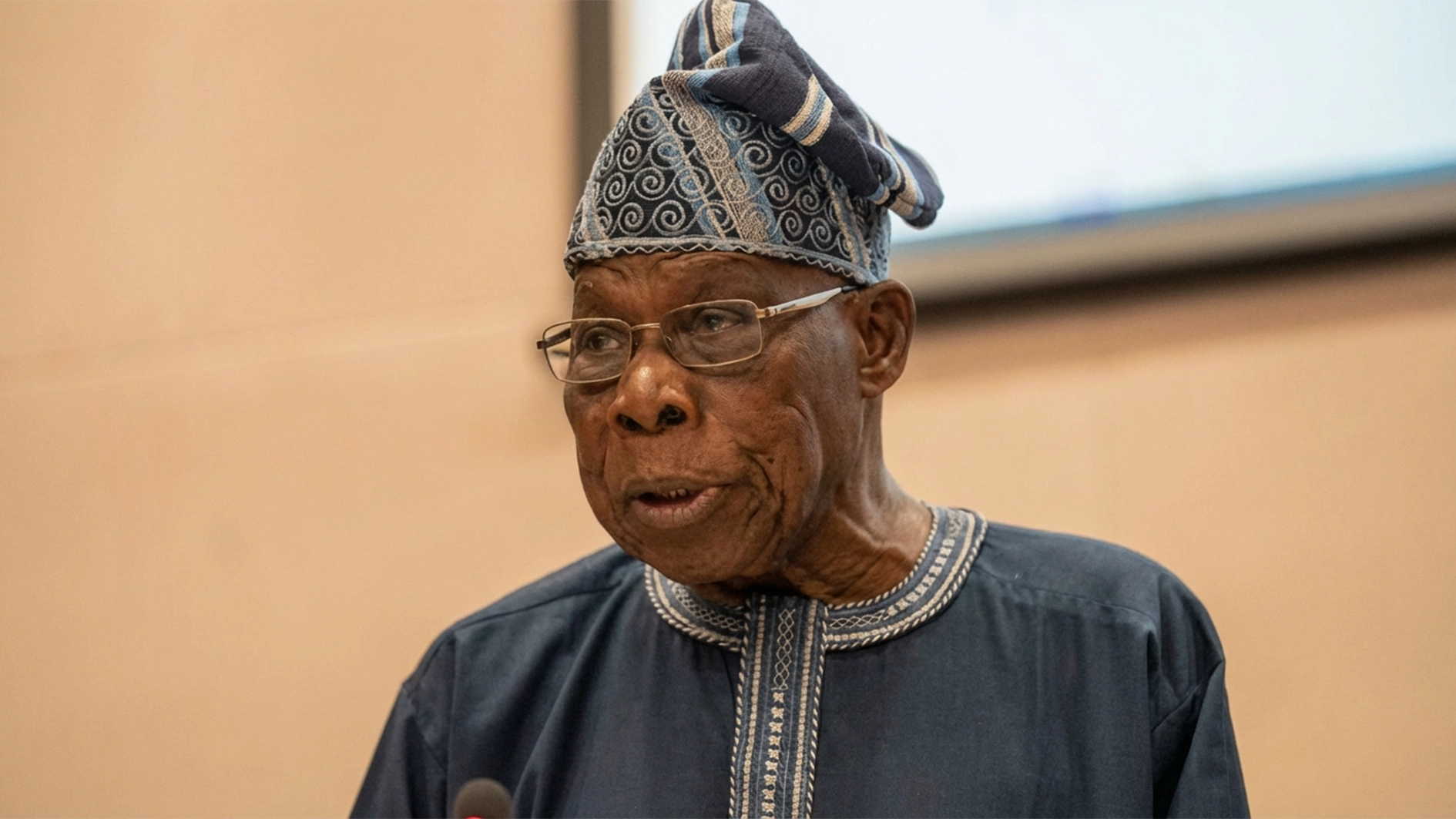
When democracy returned in 1999, Olusegun Obasanjo made electricity a flagship issue and set a target of 10,000MW by 2007. An estimated $16 billion went into the sector.
The deadline came and went with nothing close to that figure. The probes that followed produced more headlines without the necessary answers, and Nigerians kept buying generators.
The next president inherited both the problem and the promise.
Yar'Adua and Jonathan: Emergencies, Roadmaps and Privatisation

Umaru Musa Yar'Adua arrived in 2007 with a Seven-Point Agenda that put power and energy at the forefront. He declared an emergency in the sector and promised 6,000MW by the end of 2009. It did not happen.
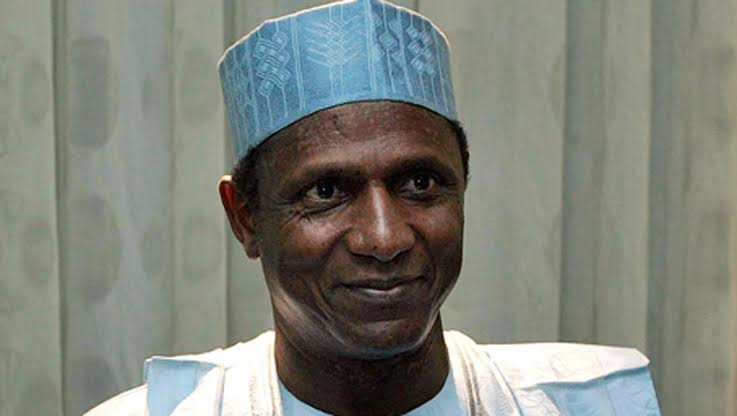
Umaru Musa Yar’Adua | Image source: Premium Times
Goodluck Jonathan followed witha Roadmap for Power Sector Reformand a target of 10,000MW by 2013. His lasting legacy was structural: the 2013 privatisation of generation and distribution companies.
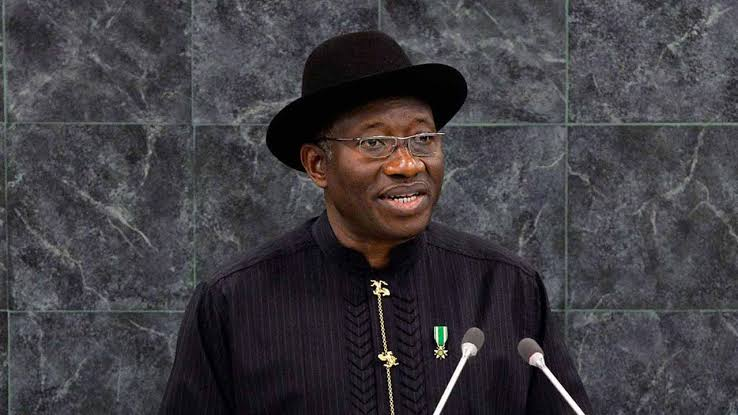
Goodluck Jonathan | Image source: Tribune Online
Supply improved slightly, but generation stayed well under 5,000MW. So when Muhammadu Buhari came asking for votes in 2015, he said he would fix what the others had not.
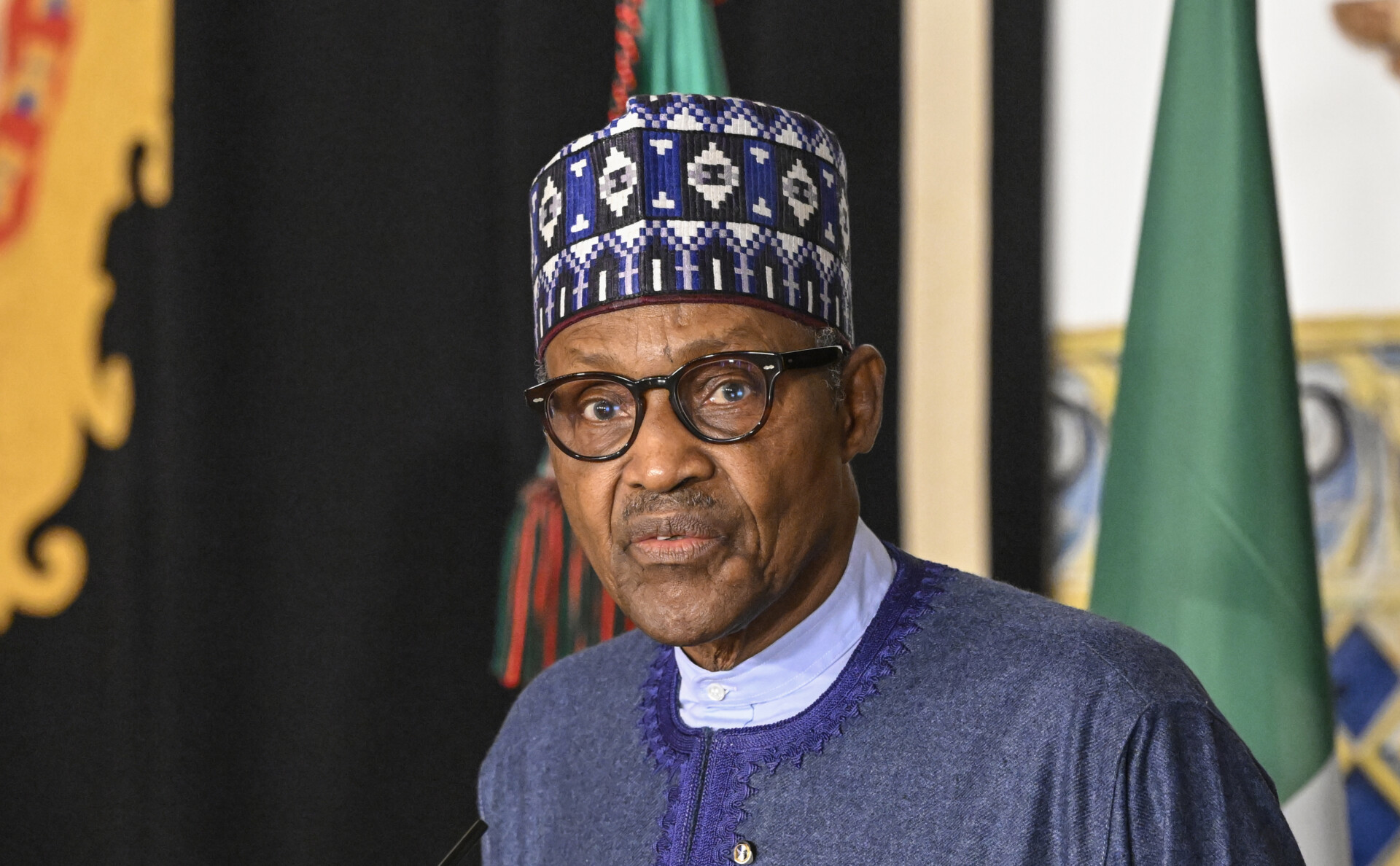
Buhari (2015 to 2023): All-Time High, Still Not 24 Hours
Buhari campaigned on fixing power. His government signed a roadmap with Siemens aimed at 25,000MW by 2025. What Nigerians lived through instead were gas shortages, vandalism and repeated grid collapses.
Yet it was under Buhari that the grid recorded an all-time high of 5,801.60MW in March 2021. But that is still less than half of installed capacity, and nowhere near round-the-clock supply for a country this size.
It set the stage for the promise that now hangs over this administration.
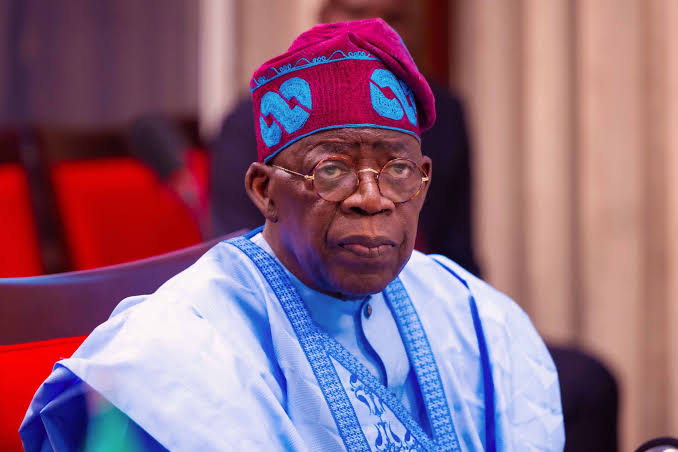
Tinubu (2023 to Date): A Promise With a Condition
Speaking at a Lagos town hall before the 2023 election, Bola Tinubu told Nigerians they must have electricity and would no longer pay estimated bills. He added that if he failed to keep the promise and came back for a second term, they should not vote for him.
His supporters insist he promised adequate electricity, not 24 hours, and ask that the speech be revisited and read in full. That is a fair point on wording, but the condition he attached to his own re-election is on record.
Since then,the Electricity Act 2023 opened the door for states to run their own markets, and Band A customers pay higher tariffs. TCN recorded a new peak of 5,801.84MW in March 2025.
In 2026, the grid collapsed to zero generation in January, and further collapses followed. If we add all of this up, we would have one question left: if peaks are the measure, who actually won?
Who Reached the All-Time High, and Who Hit the All-Time Low?
The highest peak ever recorded is 5,801.84MW, set in March 2025, just ahead of the 2021 record. The lows come in cycles of gas shortages, vandalised pipelines, and grid collapses that take generation to zero, as happened in January this year.
No administration since 1999 delivered 24-hour electricity. Some touched higher peaks than others, but a peak is one hour on one night. It is not a country with constant light.
Every president since Obasanjo has made some version of the same promise, and every one has handed the problem to the next. That makes the next question even harder to swallow.
Why Does Nigeria Sell Electricity to Neighbouring Countries?
If Nigerians are in the dark, why is Nigerian power lighting up Benin, Togo and Niger? Nigeria supplies them under the West African Power Pooland interconnection agreements that date back to 2007 for Benin and Togo, and 2011 for Niger.
The electricity is sold by private generation companies under contracts, so it is not a pile of power set aside from Nigerian homes.
Exports bring in dollars, while local distribution companies collect poorly and generators are owed large sums. The neighbours themselves have also owed Nigeria millions of dollars in a single quarter, so even the export business is far from perfect.
The deeper problem is that there are real bottlenecks. These bottlenecks are gas supply, weak transmission lines and failing distribution networks, which leave generated power stranded before it reaches a Nigerian home.
A government that exports power while its own citizens sit in darkness owes the public a clear explanation.
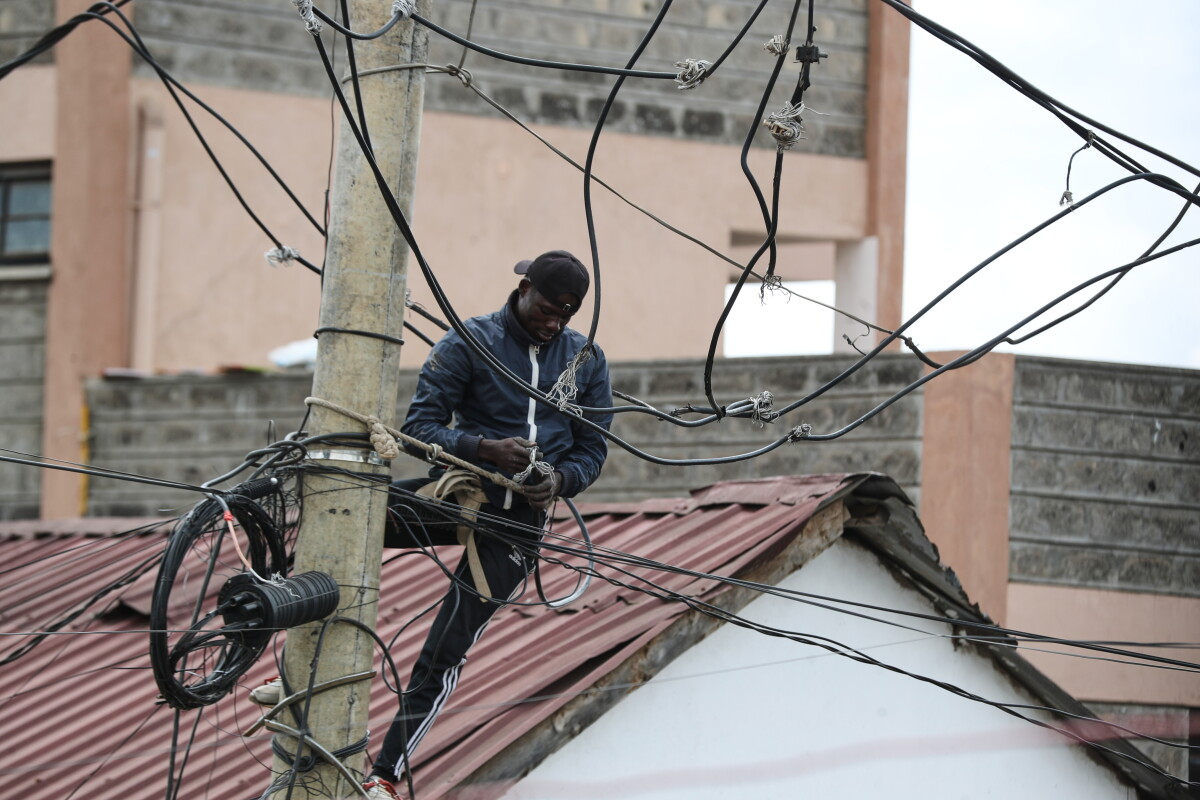
Stop Promising, Start Delivering
Electricity should not be a campaign slogan in 2026. It should be a basic service, as it was in many countries decades ago.
Nigerians do not need another manifesto, another target year or another call to stay calm. They need the lights on.
Until politicians can deliver that, voters should treat every promise of 24-hour electricity as what it has become: a broken record.