How Much Does It Cost to Start a Business in Nigeria? A Gen Z Guide
How much does it cost to start a business in Nigeria? From ₦20,000 side hustles to million-naira ventures, here is a Gen Z guide to startup capital and running costs.

If you are Nigerian, you probably hear this a lot: learn a skill; start a business; become self-employed; there are no jobs; be your own boss.
And somewhere between your fourth “we regret to inform you” email and your uncle asking if you have “started something yet,” the thought creeps in.
Earlier in life, you were sold a plan: you were told to read hard, get a degree, land a corporate job and retire comfortably.
Nobody mentioned that the corporate job would be playing hide and seek with you, and that even the ones who found it would be budgeting like contestants on a survival show.
As the economy shifted, the tone and intensity of the voice “guiding” you also did.
So here we are, a generation of CEOs operating from bedrooms, rented shops and WhatsApp statuses.
If you are wondering how much it costs to start a business in Nigeria, let us do the maths together, and let us be honest about it.

Why Everyone Is Suddenly a CEO in Nigeria
In Nigeria, the side hustle is no longer a side. For many young Nigerians, it is the main course.
Salaries are not keeping up with prices, so people are baking, braiding, thrifting, writing, designing, reselling and running errands for a fee.
Your hostel mate who studied Microbiology now sells skincare. Your neighbour who “was between jobs” now has a logo and a business Instagram page with 400 followers.
This is not even a joke. Starting a small business in Nigeria has become less about ambition and more about survival.
How Much Does It Cost to Start a Business in Nigeria?
It largely depends on what you are selling, but you can group them in three categories.
Service-based businesses such as content writing, graphic design, social media management or tutoring can start from as little as N20,000 to N100,000. Your main tools are a phone, a laptop (if you do not have one, add that to the list), data and the skills to market yourself.
Small product businesses such as snacks, fashion, beauty products or thrifted items often need N100,000 to N500,000 for stock, packaging and delivery.

Shop-based or equipment-heavy businesses such as a salon, a small restaurant or a printing outfit can quickly climb into the millions once rent, equipment and a generator enter the chat.
The Running Costs Nobody Puts in the Business Plan
Startup capital is the least of the problems in the running of a business. The real challenge is staying open. Some of the essentials for that to be possible are not looking so cheap.
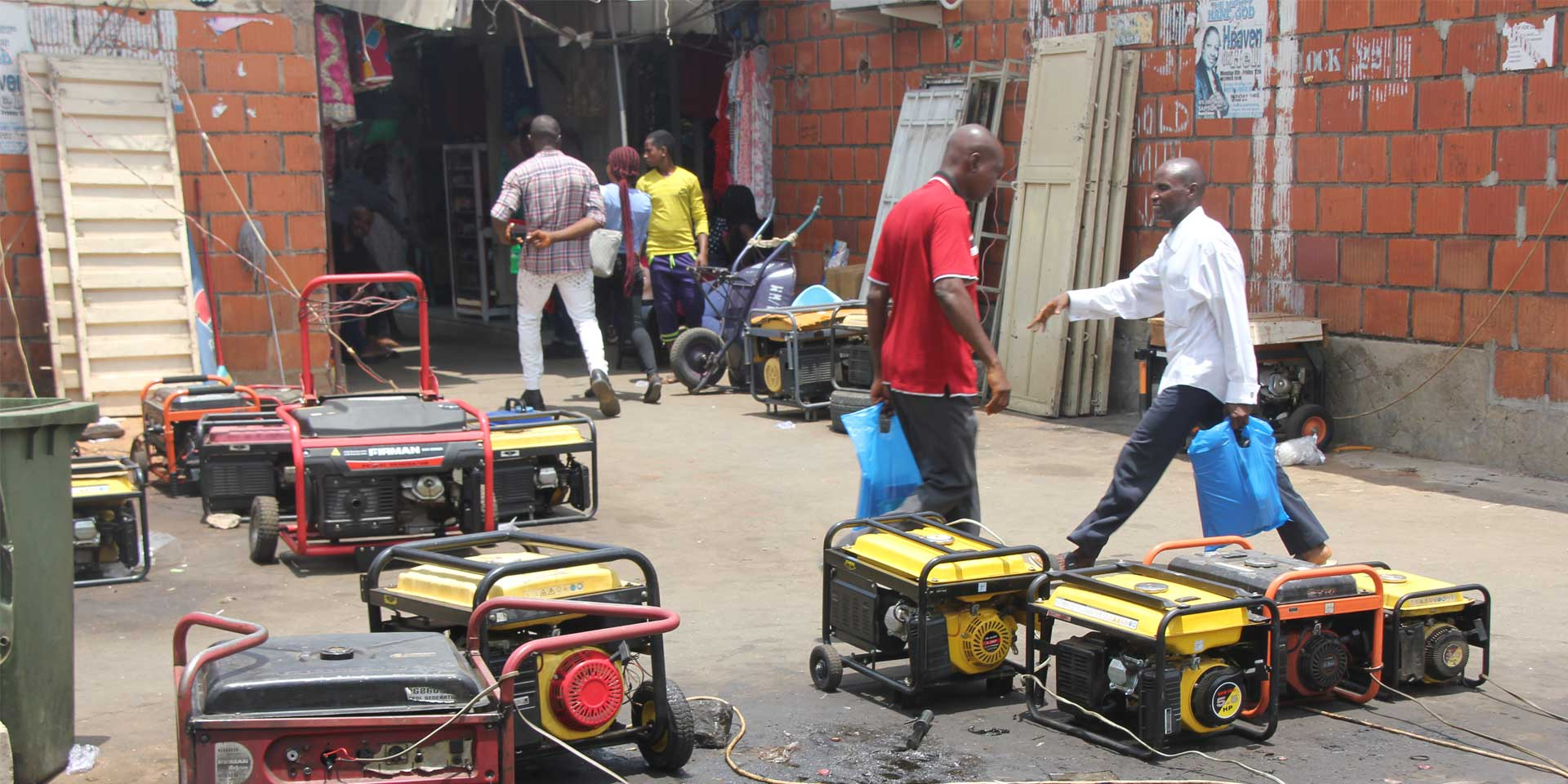
Take for instance, fuel. With petrol at N1,350 per litre, your generator is basically a second employee who eats better than you. If your business depends on power, fuel should have its own line in your budget.
Then there is electricity. A unit of electricity depends on your area and your band, but the cheapest you will find is around N4,000 for 100 units. Almost nothing runs without electricity, especially in this age.
Also, transport. In Lagos, a ride can start from around N1,000 and climb past N10,000 depending on where you are going. Delivering orders from Lekki to Ikeja is not a small matter. Meeting a client in Ikorodu is practically a journey of self-discovery. Either price your delivery properly or learn to say, “We deliver to select locations.”
There is also data. This matters especially if your business lives online. Your data is basically your shop rent. Budget monthly for it.
Lastly, rent. This only applies if you are working from a rented space. A rented shop means rent, caution fees, signage and sometimes agent charges. If you can start from home, do so, and move into a shop only when customers are queuing.
Do You Need to Register Your Business in Nigeria?
No matter how small you start, you’d eventually have to do that.
Registering a business name withthe Corporate Affairs Commission (CAC)makes you look serious, helps you open a business bank account and makes it easier to work with bigger clients.
The cost is usually a manageable sum, though it depends on whether you use an agent. Start small, but do not stay unregistered forever.
Cheap Small Business Ideas in Nigeria for Gen Z
If your pocket is shy, start with something that needs more skill than money.
Freelance writing, editing and design are good places to begin, as is social media management for small brands that know they need to be online but have no idea how.

If you prefer physical products, thrift and resale businesses are always in demand, and so is home cooking, baking or meal prep, because people will always be hungry.
You can also try virtual assistance or online tutoring, or resell in small batches from trusted suppliers so your capital does not get stuck on a shelf.
The golden rule is to start with what you already have: a skill, a phone, a network and a lot of audacity.
Conclusion
Starting a business in Nigeria today costs money, energy and a strong sense of humour. It will not make you rich overnight, and it will definitely test your patience. But for many Gen Zers, it is the most realistic way to earn, grow and stay afloat in a tough economy.
So go ahead and make the logo. Just remember to do the maths first.