Why Does Everything Cost More in Detty December? Inside Nigeria’s Economy of Greed
Nigeria’s economy of greed is on full display during Detty December, as vendors hike prices, exploit demand and price ordinary Nigerians out of their own cities.

The average Nigerian is greedy, and they are hardly to be blamed for it. Greed is a part of human nature, and it can be either exploited or suppressed. When no law is in place to curb it, greed builds an economy and becomes the daily drive of the citizens.
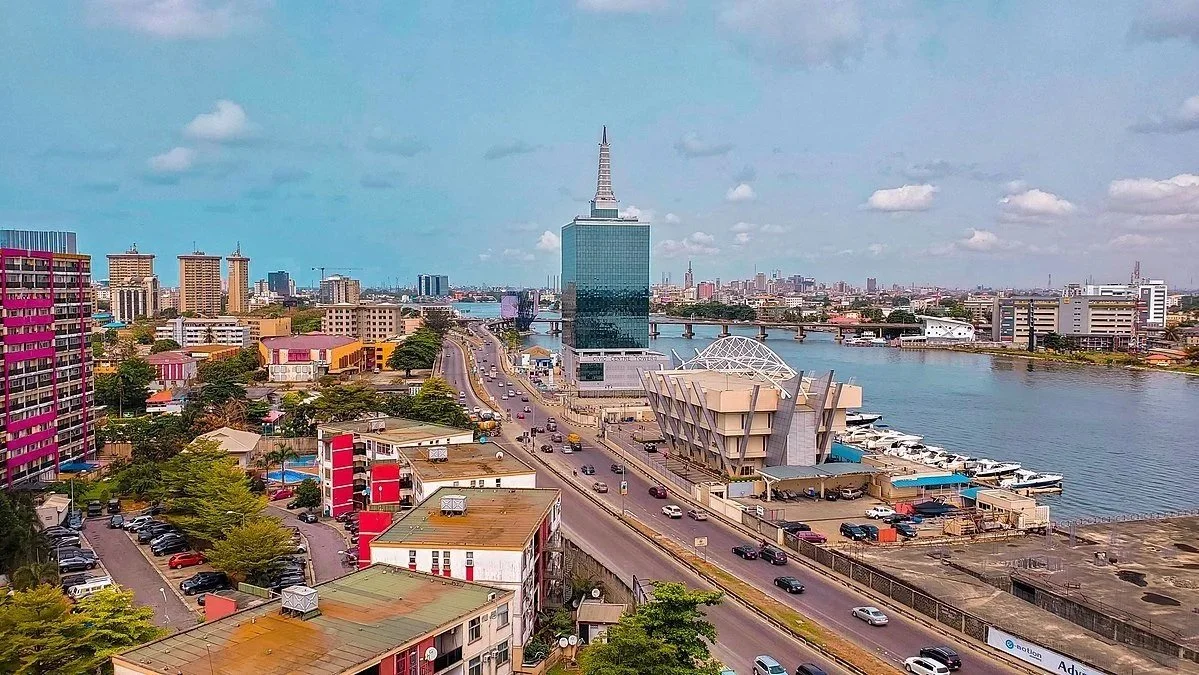
Nowhere is this clearer than in Detty December. Every year, as returnees land in Lagos, Abuja, Port Harcourt to spend Christmas at home, prices stop following logic.
Meals, rides, tickets, hotels and even a simple hairdo suddenly cost more, and the average Nigerian is left watching the festive season from the outside.
Detty December and the Price Hike Nigerians Have Come to Expect
Detty December has grown from a social media phrase into a full seasonal economy. Concerts, beach parties, pop-ups, food festivals and nightlife fill the calendar from the first week of the month.
The returnees from the UK, the US and Canada bring foreign currency and a strong appetite for “enjoying home.”
Vendors know this, and they price for the returnee. Now, the problem is that the resident is still in the market too.
The same Lagos that charges a returnee without blinking is the one where a salary earner has to eat, commute and pay rent.
When a Meal Costs a Month’s Salary
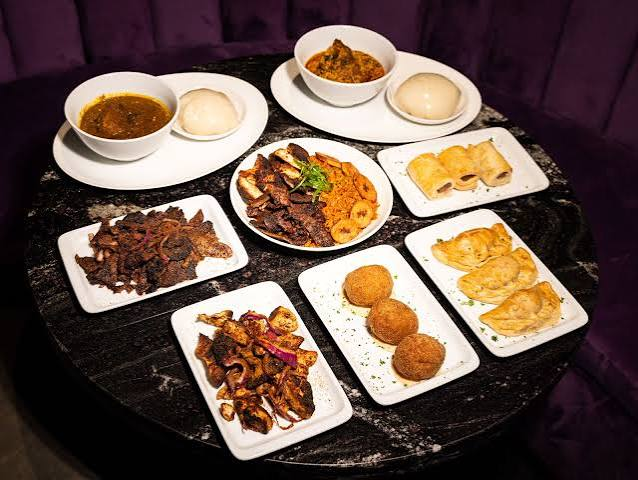
Even food is not left out. The minimum wage is 70,000 naira monthly. Yet it is not unusual to see a restaurant menu where one meal, a drink and a side come close to that amount.
Concert tickets for popular acts are often priced at five times what a regular salary earner can reasonably spend on entertainment, and that is before transport, outfit and drinks.
Hotels and short-let apartments follow the same pattern. A room that goes for a modest rate in August is suddenly priced like a luxury suite in December, just because of the shift in the calendar.

The Economy of Greed: Why Nigerian Vendors Hike Prices
Why does it happen so consistently? A part of the answer is simple opportunism. If a customer will pay N5,000 for a plate of food during the season, the vendor sees no reason to sell it for N2,500.
The thinking is “make hay while the sun shines,” and December is treated as the one month to recover the whole year.
There are real pressures behind this too. Inflation, high fuel costs, unstable electricity and the rising price of ingredients squeeze small business owners all year. Many of them feel December is their only chance to catch up.
Understanding this does not excuse unjustified pricing, but it explains why the behaviour is so widespread and so hard to shame out of existence.
The deeper issue is cultural. In Nigeria, a hike is rarely seen as something that needs a justification. Prices go up because someone can make them go up.
Nobody asks whether the increase reflects a real cost, and nobody in authority asks the vendor to explain it. That is how greed becomes normal, then expected, then invisible.
Everybody Wants to Cash Out
The mindset of cashing out is not limited to restaurant owners and event promoters.
Landlords raise rent without notice. Drivers raise fares because “it is December.” Event planners, makeup artists, photographers and caterers add a festive surcharge that appears on no price list.
Even ordinary service providers join in. The same logic is shared: if everyone else is hiking, why should I stay behind?
One person’s greed becomes another’s justification, and soon the entire market is inflated by people who feel they are only responding to the people before them.
That, my friend, is the economy of greed at work. It rewards the seller who charges the most and punishes the buyer who has no alternative.
Fairness, in this arrangement, is a disadvantage.
The Problem of Price Control in Nigeria
The missing piece in all of this is regulation. Nigeria has consumer protection laws and agencies on paper, but ordinary buyers rarely see them at work.
Most people have no idea where to report an overpriced meal, a ticket scam or a hotel that tripled its rates overnight. Even those who know often feel nothing will come of it.
Price control is a sensitive subject, and rightfully so. Heavy-handed controls can distort markets, create scarcity and push trade underground.
But nobody is asking the government to fix the price of jollof rice. There is a wide space between no oversight at all and rigid price fixing.
Transparency rules, clear pricing displays, consumer complaint channels that actually respond, and penalties for exploitative practices during peak seasons all fit into that space.
Where such systems exist, vendors still make profit, but they have to operate within limits that protect buyers from outright exploitation. Without them, the market defaults to whoever is willing to charge the most.
The absence of enforcement sends a message to vendors: nothing will happen if you overcharge. And since nothing does, overcharging continues.
Who Really Pays for Detty December?
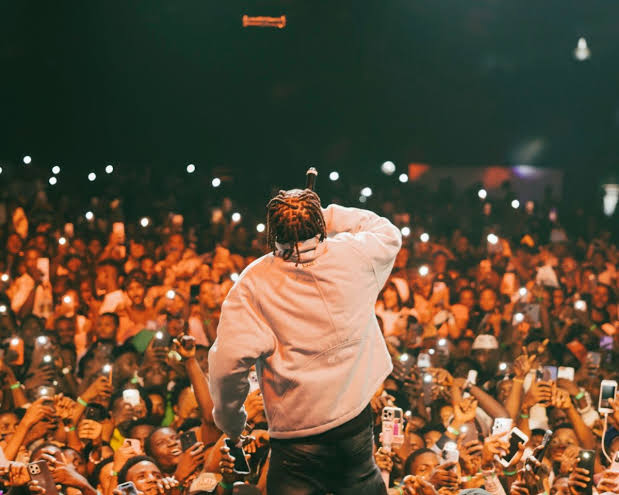
The returnee can absorb the cost. The average Nigerian cannot. And that is the uncomfortable truth about this season. Those who live here, work here and earn in naira are priced out of their own city.
Many end up spending December watching other people’s content, skipping events they would have loved to attend, or going into debt to keep up. Others simply stay indoors and call it peace.
A season meant to unite the diaspora and the homeland ends up highlighting how unequal the two experiences are.
There is also a long-term cost. When a society treats exploitation as a smart business strategy, trust erodes.
Customers stop believing that prices reflect value. Vendors stop believing that fairness can be profitable. Everyone becomes both a victim and a perpetrator of the same system.
What Fairness Could Look Like
Fixing this starts with small, practical shifts. Vendors can publish clear prices and keep seasonal increases within reasonable limits. Event organisers can offer tiered tickets so that regular earners are not shut out entirely. Regulators can set up visible complaint systems and actually act on them.
Consumers also have a role. Questioning prices, comparing options and refusing to pay for obvious exploitation sends a signal to the market.
Greed is human, and it will not disappear. But in societies that work, it is checked by rules, accountability and a shared sense of what is fair.
Nigeria’s economy of greed will continue for as long as everyone wants to cash out and nobody is asked to be fair. Detty December simply makes the pattern impossible to ignore.