5 Things to Know Before Borrowing From a Nigerian Loan App
Before borrowing from a digital lending app in Nigeria, understand interest, repayment terms, data privacy, lender approval, and your consumer rights.

There was a time when needing money before payday meant calling a friend, asking a sibling, reaching out to a parent, or speaking to someone you trusted enough to explain why you needed help.
Sometimes, the answer was yes. Other times, it came with an awkward conversation, a reminder of an unpaid debt, or the uncomfortable feeling of having to explain your finances.
Digital lending has changed that experience. Today, a person can open an app, enter a few details, and receive a loan without having to make a phone call or explain their financial situation to someone they know. What once required asking around can now happen within minutes.
Digital lending apps are platforms that allow individuals to apply for and receive loans electronically, usually through mobile applications or websites.
Their popularity has grown because of convenience, quick access, and the promise of loans without the lengthy procedures associated with traditional banking.
Some advertise aggressively, promising instant cash, no collateral, and minimal requirements. For people dealing with unexpected bills, emergencies, or delayed salaries, the appeal is understandable.
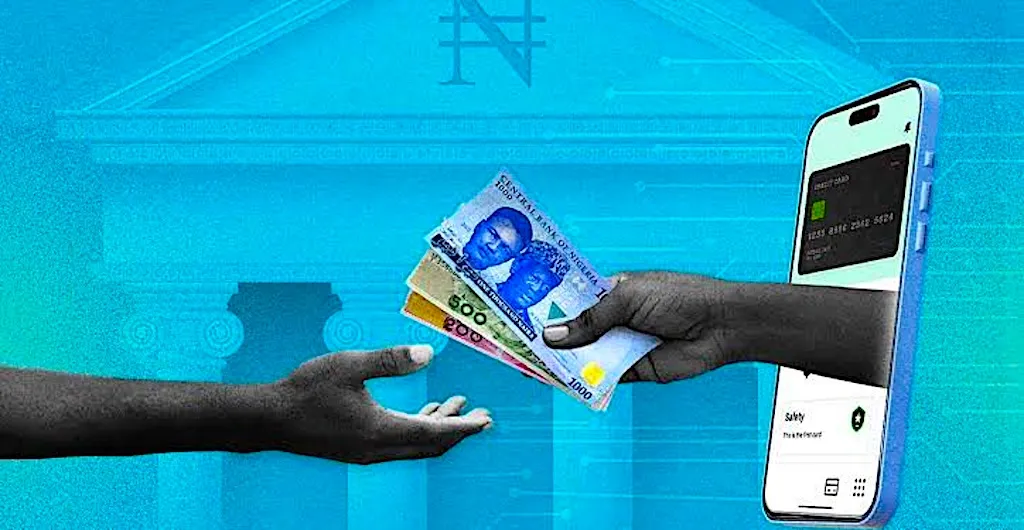
The quicker the lending process, the easier it can be to overlook the actual cost of borrowing. Before accepting that loan offer, there are five things worth understanding.
1. The Amount You Receive Is Not Always the Amount You Owe
A lender may advertise a ₦50,000 loan, but the amount eventually credited to your account could be lower after deductions for processing or other charges. Meanwhile, repayment is often calculated on the full advertised amount, plus interest and fees set out in the loan agreement.
For example, a lender may offer ₦50,000, credit ₦45,000 after deductions, and still expect more than ₦50,000 back within a few weeks.
Always check the total repayment figure, including interest, service fees, and other charges, before accepting an offer. A loan is not cheap simply because the interest appears small or the application process is free.
2. Repayment Dates Can Be More Important Than the Loan Amount
Some digital lenders offer short repayment periods, meaning borrowers may have only a few weeks to repay what they borrowed. This can become difficult when the money was used to address an emergency and the borrower's income has not improved.
Check the repayment date, late-payment charges, and consequences of missing an instalment. Do not assume that an extension will be available or that taking another loan to repay the first is a sustainable solution.
Borrowing repeatedly to settle previous debts can create a cycle that becomes increasingly difficult to escape.
3. Your Personal Information Is Part of the Transaction
Loan applications may request information such as your phone number, employment details, identification documents, and bank information. Some have also attracted complaints over excessive access to borrowers' contacts and other personal data.
Before granting permissions, understand what information the application wants and why. Access to your contacts should not become permission to embarrass or threaten people you know when you miss a repayment. Your personal information is protected under. Your personal information is protected under the Nigeria Data Protection Act 2023.
4. A Loan App's Advertising Does Not Prove It Is Legitimate
Aggressive advertising, attractive promises, and positive-looking app reviews are not proof that a lender is properly authorised. Before borrowing, check the lender's identity and regulatory status.
The Federal Competition and Consumer Protection Commission (FCCPC) publishes a list of digital lenders on its website. Check the lender’s status as well as its name, since the list includes lenders that are fully approved, conditionally approved, delisted, or on a watch list, and confirm the app name matches the registered company.
5. You Have Rights Even When You Owe Money
Borrowing money creates an obligation to repay, but it does not remove your consumer rights. Lenders cannot justify harassment, public shaming, defamation, or unlawful disclosure of personal information simply because a borrower has missed a payment.

Nigeria's regulatory framework has been strengthened to address these practices. The FCCPC introduced the Digital, Electronic, Online or Non-Traditional Consumer Lending Regulations (DEON) 2025, which took effect on July 21, 2025.
The rules require covered lenders to register, disclose loan terms transparently, protect consumer data, and use ethical recovery practices. Violations can attract regulatory sanctions. The regulations provide for penalties of up to ₦100 million for non-compliance.
The Nigeria Data Protection Act 2023 also protects borrowers’ personal information. Those who experience abusive debt recovery or privacy violations can report such practices to the FCCPC or the Nigeria Data Protection Commission, depending on the complaint.
However, these protections do not excuse loan defaults or prevent lenders from taking lawful action to recover outstanding debts.
The Convenience Has a Business Behind It

Digital lenders make money primarily through interest and permitted fees charged on loans. Depending on their business model, income may also come from service charges and other disclosed lending-related charges. The quicker the lending process, the easier it can be to overlook the actual cost of borrowing.
For borrowers, the important thing is to understand that easy access to money does not mean inexpensive credit. A loan can solve today's emergency while creating tomorrow's financial pressure.
Digital lending has made borrowing more accessible, but convenience should never replace caution. If you can, compare the cost with alternatives such as a salary advance from your employer, a cooperative society loan, or help from a trusted friend.
Before pressing that button, understand what you are borrowing, what you will repay, who is collecting your information, and whether the lender is operating within the law.
This article provides general information and is not in any way financial or legal advice.