Who Gets to Be Politically Neutral in Nigeria? The Politics of Public Endorsements
The Oba of Benin’s endorsement of Tinubu and Pastor Sam Oye’s stance on political neutrality raise questions about public endorsements, religious influence and political accountability in Nigeria.
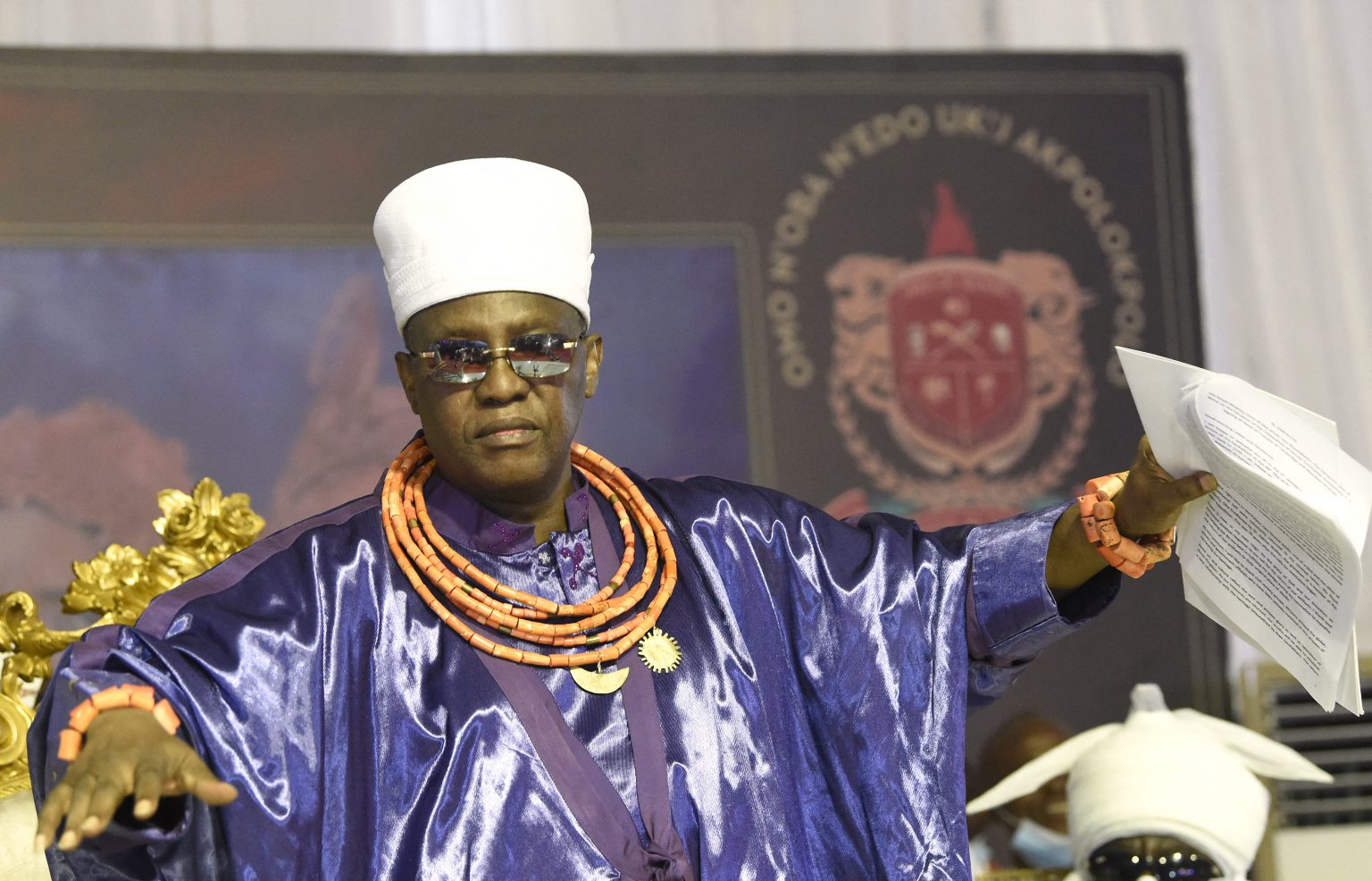
In September, the Oba of Benin received an APC presidential campaign delegation in his palace and told Nigerians to let President Bola Tinubu “finish the good work”.
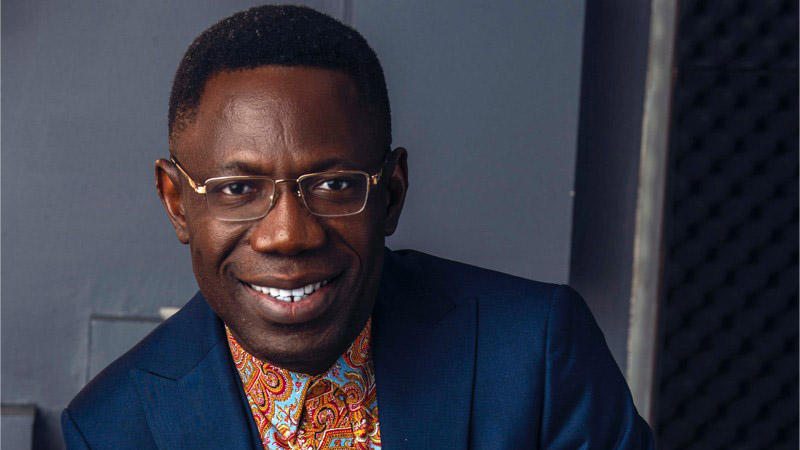
This month, Sam Oye, lead pastor of The Transforming Church in Abuja, said the pulpit should preach the gospel and build responsible citizens, not promote politicians.
The Oba’s videos are circulating again at the same time everyone is urging Nigerians to get their voter cards.
The Oba of Benin has backed President Bola Tinubu’s second term, while Abuja pastor Sam Oye says the pulpit should not promote politicians. Two positions of power sit at opposite ends of the same choice.
At the time where Nigerians are campaigning for political participation, there is a question worth examining: who actually gets to be politically neutral in Nigeria?
Why Political Endorsements by Traditional Rulers Spark Debate
The campaign council, led by its director-general Abdulaziz Yari, came to the Benin palace to seek the monarch’s blessing ahead of the 2027 election. The Oba said the president deserves a renewed mandate because of his performance so far.
He asked critics to leave him to work and urged opposition parties to back his re-election.
A king is entitled to his views. He is an individual. But the problem here is the position he holds and what the palace represents.
Traditional rulers hold cultural authority. Although the Nigerian constitution gives them no formal governance role, yet politicians still queue at palaces for photographs and blessings. This is because a royal approval converts into legitimacy on the campaign trail.
When a monarch endorses a candidate, it can sound like a whole people speaking. That people includes APC loyalists, opposition supporters and the undecided, none of whom voted him in.
Can Pastors and Religious Leaders Endorse Politicians?
Oye made his argument at a press briefing in Abuja. Churches, he said, should concentrate on raising citizens who contribute to national development, rather than inviting politicians endorsed by pastors to address worshippers.
He emphasizes accountability. Nigerians profess love for God yet engage in corruption, he argued, because neither the fear of God nor the fear of government restrains them.

In his words, “The system itself that should hold me accountable is also corrupt.”
Logically, a pulpit that campaigns for a politician cannot credibly hold that politician to account. Congregations are also a captive audience. People arrive for worship, and a member who disagrees with a pastor’s pick may feel they are disagreeing with God.
Nigeria is a secular state, and religious platforms are not meant to function as campaign offices.
There is a counterargument here. Pastors are citizens with the same freedom of expression as anyone else, and a preacher who speaks about hunger and corruption is already engaging with politics.
But the line should sit between preaching justice and issuing voting instructions.
Who Gets to Be Politically Neutral in Nigeria?
Neutrality is not equally available. A celebrity with brand deals, a clergyman with a thriving church and a monarch with a palace can afford silence because their daily lives are cushioned.
A trader in Mile 12 or a graduate in a rented room cannot be neutral about fuel prices, because they feel those policies at the market. For ordinary Nigerians, neutrality is often a luxury they never had.
Dependence cuts the other way. Palaces usually rely on state governments for recognition and allowances. Churches seek government goodwill, land approvals and the presence of big names at their events.
In that environment, an endorsement might sometimes be risk management.
Is Neutrality Complicity During Bad Governance?
In a country where governance decides who eats, who has light and who survives a hospital visit, silence from moral authorities reads as consent to many people, and that frustration is fair.
Citizens who watch prices rise and services fail expect their spiritual and cultural leaders to speak.
Speaking up and endorsing a candidate are different, though. Oye himself shows the distinction.
He called for INEC to stay impartial so that Nigerians can trust their votes will count. He also said he had seen no government policy restricting Christian worship, which some will welcome and others will challenge.
Either way, that is a judgment on policy, not a clear instruction on whom to vote for. It is the same selective engagement that works for celebrities, but moral leaders carry a heavier burden, because their words are treated as guidance.
An endorsement also puts the leader’s credibility behind a record. The Oba’s side points to lower food prices, a steadier exchange rate and new roads.
Critics point to the hardship many households still feel. A leader who vouches for a government should expect to be judged alongside it.
Should Public Figures Endorse an Unpopular Politician?
Legally, nothing stops them. Freedom of expression covers a traditional ruler or a pastor as much as anyone else. The real question is whether the platform should be used this way.
The cost is highest when the endorsed politician is not widely loved. A subject or congregant who disagrees faces social pressure to stay quiet, because contradicting a king or a pastor in public feels disrespectful.
The endorsement then narrows the room for honest dissent in the community it claims to represent.
Credibility is also at stake. If prices keep climbing or insecurity worsens, the leader who said “let him finish” will be asked what they were watching. Neutrality protects the ability to commend good policy today and condemn bad policy tomorrow.
The Verdict on Neutrality and Endorsements
The Oba of Benin has every right to hold an opinion on Tinubu’s second term. What is open to question is whether an institution that belongs to a whole people should speak for them on a contested political choice. Pastors face the same test with their congregations.
Neutrality may be easier for the comfortable, but moral leaders have a duty beyond comfort. They owe the public honest speech about the state of the country, and they owe them room to choose differently.