Celebrity Political Neutrality: Do Public Figures Owe the Public Their Voice?
Should celebrities stay politically neutral? Read the debate over celebrity activism, public responsibility, political endorsements, and whether public figures owe society their voice.
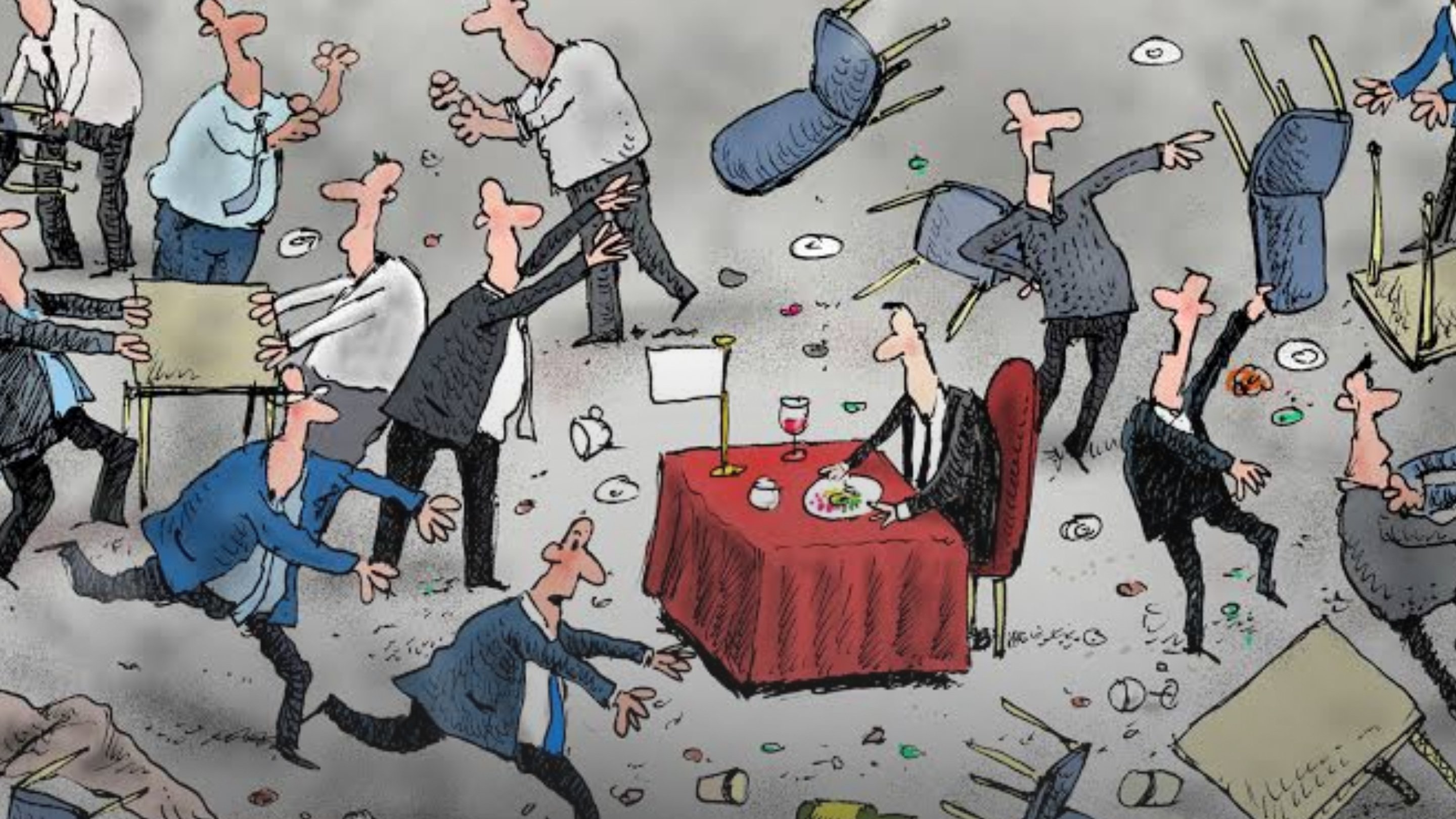
A celebrity posts a circulating flyer during a national crisis, says nothing for a week, then returns to social media like nothing happened. Fans call it cowardice. The celebrity calls it staying in his lane.
This tension sits at the center of one of the most debated questions in modern celebrity culture: does political neutrality make sense for public figures or is it a quiet form of complicity?
Why Celebrity Silence On Politics Feels Like Betrayal
In countries where governance decides who eats, who gets electricity, and who survives a hospital visit, politics is daily life. When public figures with millions of followers stay quiet during elections, protests or policy failures, audiences read that silence as a choice and often a selfish one.
Celebrities build their fortunes on public attention and public affection. The argument goes that if they can profit from the public's love, they should return some of that value when the public's wellbeing is under threat.
This is why celebrity political neutrality draws so much criticism. Musicians, actors, influencers and stars have platforms that outperform most newspapers and television stations combined. A single post can shape conversation trends for days.
Expecting silence from people with that kind of reach can feel, to many, like expecting a lifeguard to stay seated while someone drowns.
The Public Servant Argument For Celebrity Political Neutrality
As much as public figures are not elected officials, they resemblepublic servantsin one important way: their influence belongs, in part, to the audience that built it.
A celebrity's fanbase spans different political parties, ethnic groups, religions and ideologies. The moment a public figure openly campaigns for a specific candidate or party, they risk alienating a portion of the very audience that made them relevant.
This does not mean celebrities should avoid political issues entirely. There is a meaningful difference between speaking up on issues that affect citizens directly, such as insecurity, unemployment, police brutality, or economic hardship, and explicitly telling audiences who to vote for.
The first iscivic responsibility. The second edges into partisanship, which can compromise the neutrality that allows a public figure to serve as a unifying voice rather than a divisive one. Public figures can champion causes without becoming campaign surrogates.
What Research Says About Celebrity Political Endorsements
Data on this subject complicates the assumption that celebrity political voices reliably move public opinion. A study published through the University of Arkansas examined how endorsements from public figures affected voter efficacy and engagement among college-aged respondents.
The findings showed that while these endorsements increased awareness and curiosity around social issues, they rarely changed actual voting intentions or political action. Participants trusted their own judgment over borrowed celebrity opinion.
A separate experimental study on celebrity endorsement effects, focused on credibility and voter attitudes, found a similar pattern. Even when participants viewed a celebrity endorser as highly credible, that credibility did not meaningfully shift attitudes toward the endorsed candidate or change voting behavior.
Audiences appeared willing to admire a celebrity's talent without transferring that admiration into political agreement.
Social Insight
Navigate the Rhythms of African Communities
Bold Conversations. Real Impact. True Narratives.
These findings suggest something important for the neutrality debate. Celebrity political endorsement may generate visibility and conversation, but the direct influence on ballots is far less guaranteed than public backlash campaigns often assume.
In other words, pressuring public figures to endorse candidates may be disproportionate to the actual electoral impact such endorsements produce even though the reputational risk for the celebrity stays real.
Research from the University of New Mexico on celebrity election influence adds nuance here too, noting that impact depends heavily on familiarity and favorability rather than fame alone, and that public reaction to celebrity endorsements is often split rather than unanimous.
Africa's Unique Stakes In Celebrity Political Voice
In many African contexts, including Nigeria, the calculus shifts slightly. Political outcomes here are tied closely to infrastructure, currency stability, insecurity and even personal safety.
Citizens frequently expect public figures, especially those with large youth followings, to use their platforms during elections and periods of unrest. Silence during moments like the #EndSARS protests, for example, was widely interpreted as an endorsement of the status quo, regardless of the celebrity's actual private views.

This regional reality complicates blanket neutrality. A public figure operating in a fragile democracy carries a different weight than one operating in a stable one.
Choosing silence during a national emergency reads differently than choosing silence during a routine election cycle. Context, not just principle, should shape how public figures navigate political voice.
The healthiest model for public figures may not be strict neutrality or full partisanship but selective engagement. Speaking on policies, human rights and issues that materially affect the public satisfies civic responsibility.
Refusing to publicly endorse specific candidates or parties preserves the public figure's ability to reach across divides while protecting them from becoming pawns in political machinery they may not fully understand.
The Verdict On Celebrity Political Neutrality
Celebrities do not owe the public their vote choice, but they do owe the public their attention when governance directly threatens ordinary lives. True neutrality is the discipline of speaking on what affects people without dictating who they must support.
Public figures who master that balance protect both their platform and their credibility, while still standing where it matters most.