To Speak or Remain Silent? The Case of Daniel Ojukwu and the Cost of Holding Nigerian Politicians Accountable
Daniel Ojukwu’s arrest exposes the cost of investigative journalism in Nigeria, raising questions about press freedom, cyberstalking laws and political accountability.
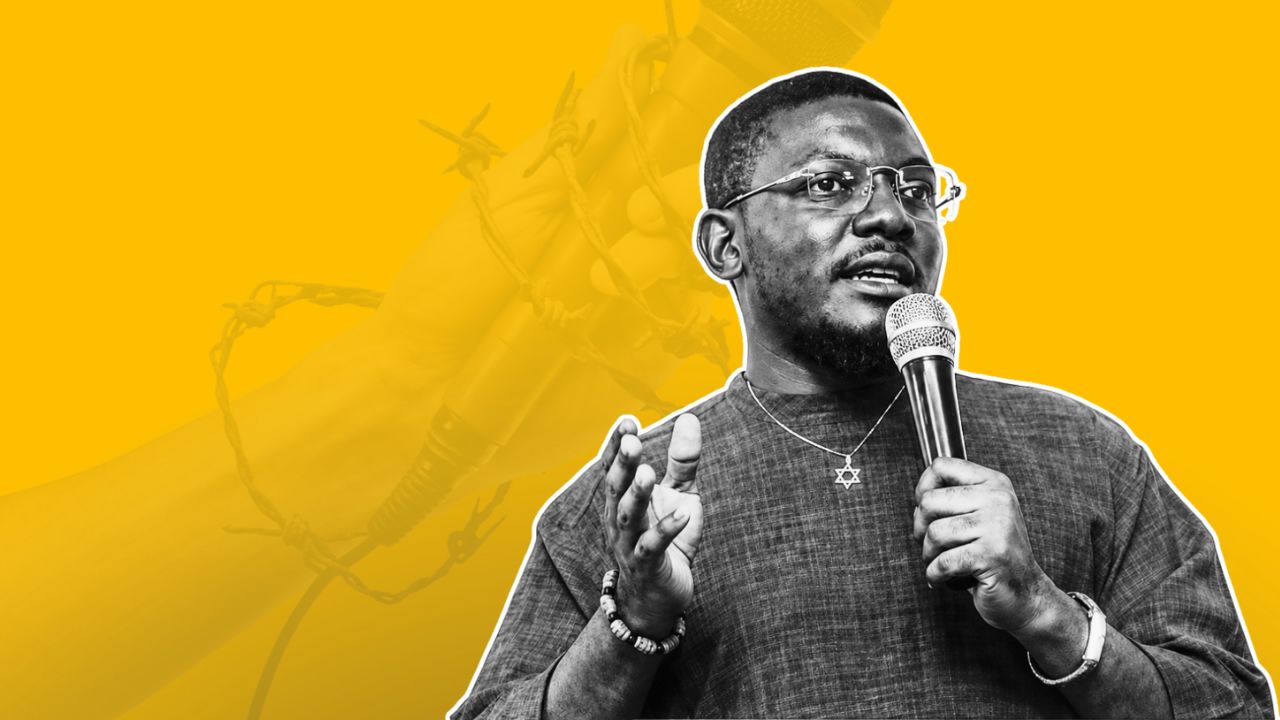
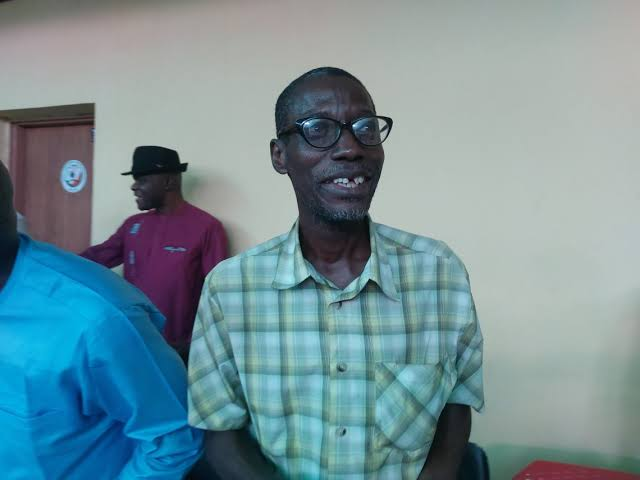
On November 10, 2026, Daniel Ojukwu, an investigative reporter with the Foundation for Investigative Journalism (FIJ), pleaded not guilty to 12 counts of cyberstalking and criminal defamation at a Federal High Court in Abuja.
The judge remanded him in Kuje Correctional Centre. His bail application will not be heard until December 1, so he will spend at least 21 days in prison. His alleged offence is asking where public money went.
What Daniel Ojukwu Actually Reported
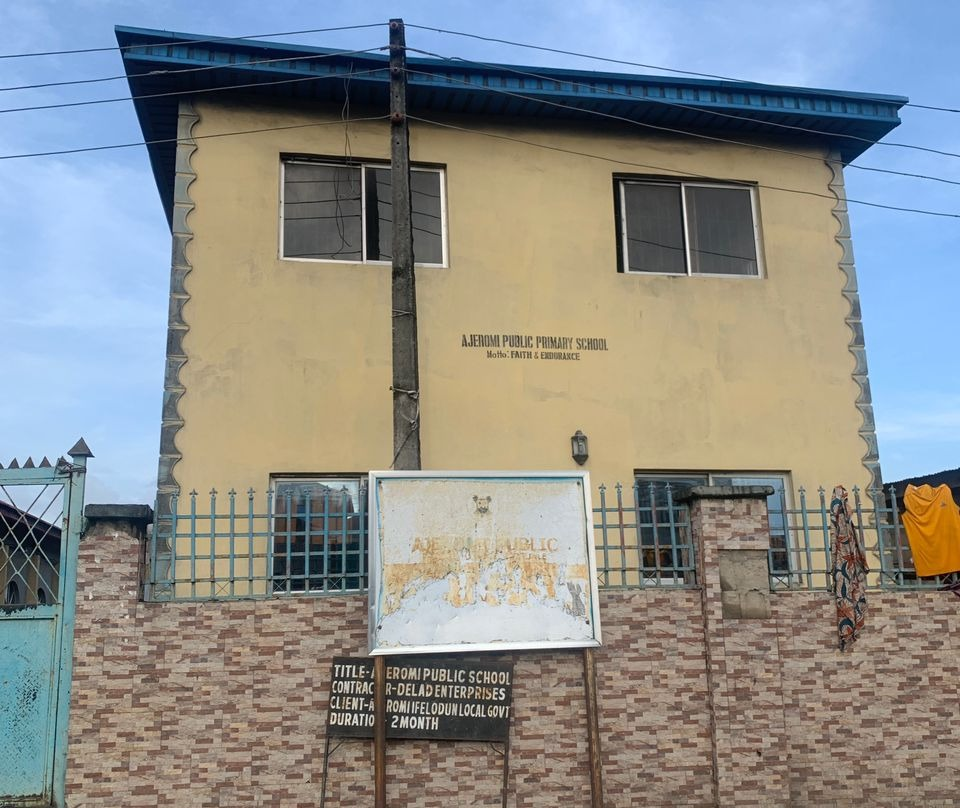
The genesis of the case was in November 2023. Ojukwu reported that the office of Adejoke Orelope-Adefulire, then Senior Special Assistant to President Muhammadu Buhari on Sustainable Development Goals, paid about N147 million for classrooms and a skills acquisition centre at Ajeromi Primary School in Lagos.
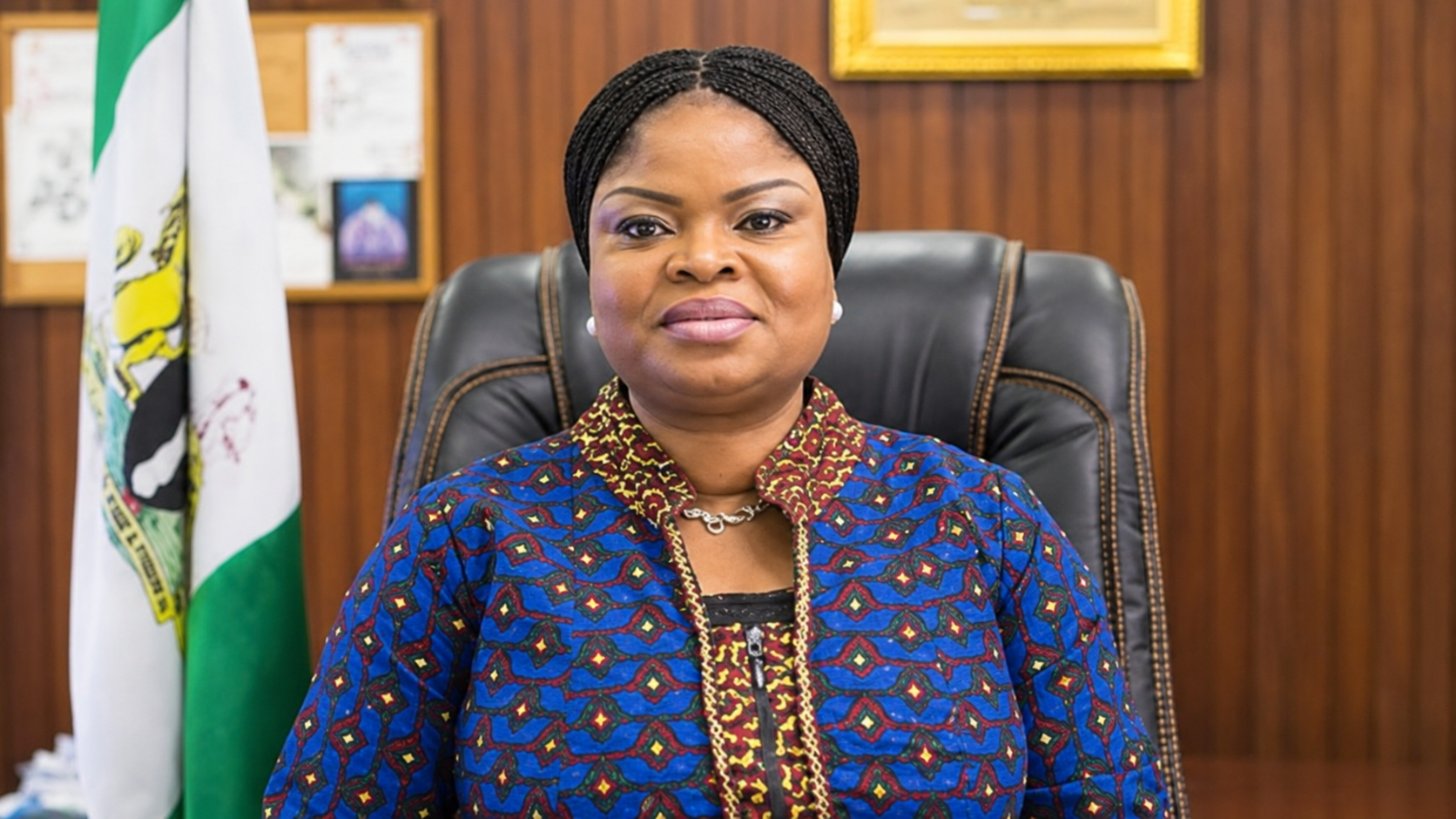
The money was reportedly released 13 days before Buhari left office.
When FIJ visited the school in October 2023, it found a dilapidated, understaffed facility with no visible sign of the new construction. A mosque stood where the project was supposed to be.
Other FIJ reports raised questions about a N47.5 million contract, solar panels that reportedly failed a week after installation, and N241 million forfeited to the EFCC in connection with the same office.
All of it concerns public funds, which is exactly what investigative journalism in Nigeria exists to examine.
How the Case Against Ojukwu Unfolded
Orelope-Adefulire petitioned the police over the reports. On May 1, 2024, officers from the Inspector General’s Intelligence Response Team picked Ojukwu up in Yaba, Lagos.
His family and employer did not know where he was for roughly two days. His phones were seized, and he was moved to Abuja.
He met his bail conditions on May 7, which included providing two directors from the public service. The police still refused to release him.
Only after a public outcry and pressure from rights groups was he freed on May 10, that was after 10 days in custody.
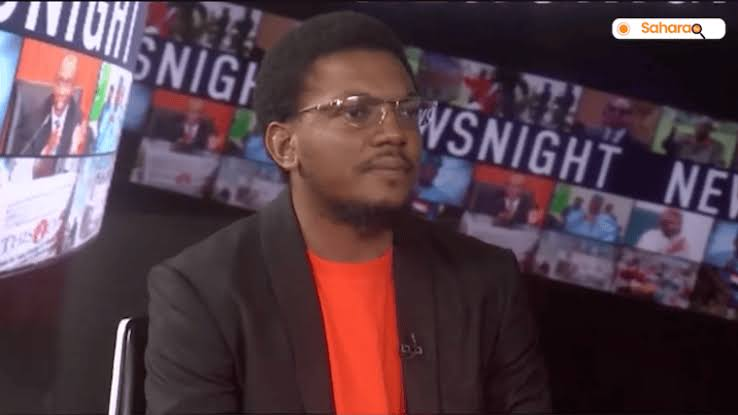
The police kept his passport, saying he might flee the country, and it is reported to remain with them.
A charge was filed in September 2024 against Ojukwu and FIJ founder, Fisayo Soyombo, over four reports. His lawyers say FIJ did not know about it until Ojukwu was detained again this month.

The charge alleges that the reports were meant to harass Orelope-Adefulire and make her fear violence. They also said that they were false and defamatory. Her lawyer has said the journalists should be made to prove their reporting is accurate.
They still stand as allegations, and the court has yet to rule on any of them. But there is a pattern here and it is hard for anyone to just ignore.
First, a story about a contract. Then, a petition from the official named in it, followed by arrest, detention, confiscation of a passport and a charge sheet that sat unseen for more than a year.
Why Cyberstalking? The Cybercrime Law Problem
Cyberstalking is ordinarily about harassment, threats and obsessive pursuit of a person. A report questioning how a government office spent money is not cyberstalking. Yet the cybercrime law has long been a convenient tool for this kind of case.
Section 24 of the 2015 Cybercrime Act criminalised messages sent to cause “annoyance” or “insult.”
In 2022, the ECOWAS Court of Justice ruled that the provision violated Nigeria’s obligations on free expression and ordered it amended. In February 2024, President Bola Tinubu signed an amended law.
Press freedom groups say its definition of cyberstalking is still vague enough to be turned on reporters. Ojukwu’s case suggests they are right.
Nigerian Journalists Who Paid for Asking Questions
Ojukwu is not the first journalist to go through this sort of situation. The pattern runs through every era of Nigerian politics.
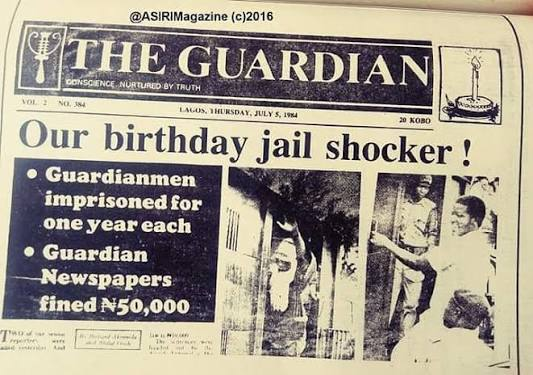
In 1984, two Guardian journalists, Tunde Thompson and Nduka Irabor, were jailed under a military decree that made publishing “false” information embarrassing to officials a crime.
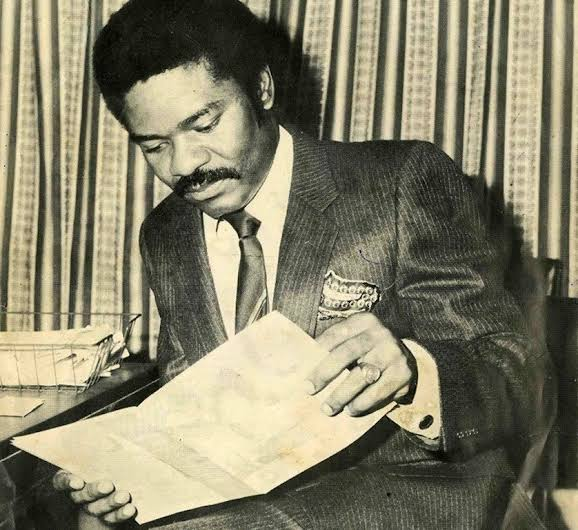
Two years later, in 1986, Dele Giwa, the founding editor of Newswatch, was killed by a parcel bomb at his home after his investigative work. His murder has never been solved.
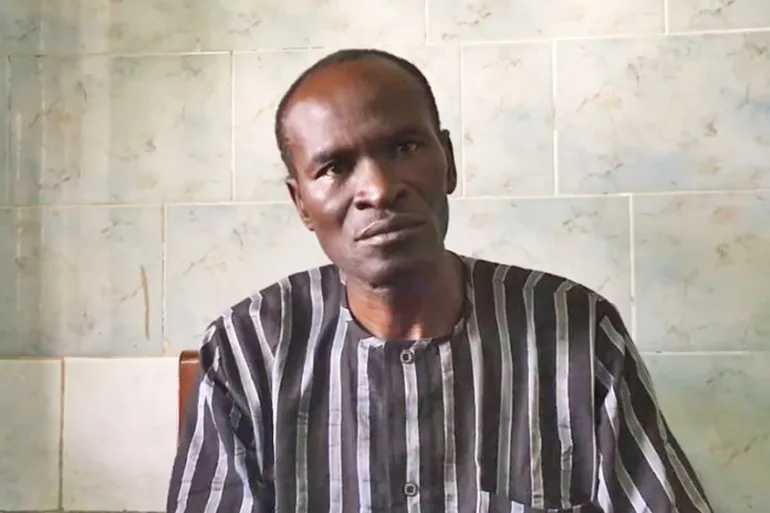
This persecution did not end with the military authoritarian rule. In 2016, Jones Abiri, publisher of the Weekly Source, was held for about two years without trial.
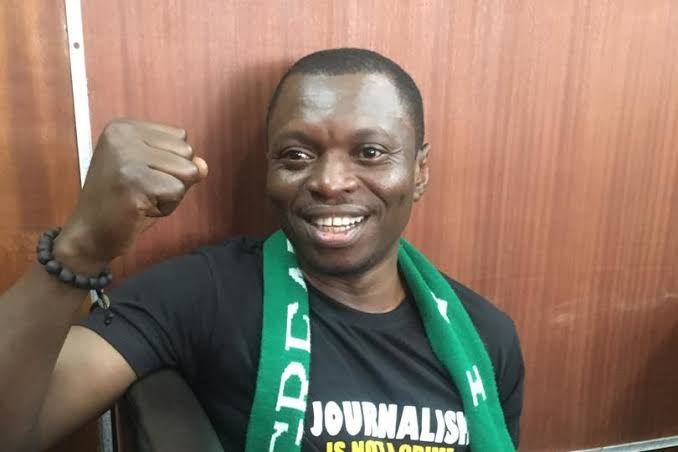
In 2019, Agba Jalingo published articles questioning the finances of the Cross River State government. He was arrested, held for months and charged with treason and terrorism. All the charges were later dismissed in March 2022.
Even after the cybercrime law was amended, the arrests continued. In March 2024, soldiers arrested Segun Olatunji, editor of FirstNews, and flew him to Abuja. He was held for nearly two weeks after publishing accountability stories.
In 2025, press freedom monitors recorded at least three more journalists detained under the amended law. One was the publisher of Secret Reporters, who was arrested in Abuja and flown to Delta State over posts about a senator.
The tools have changed over time. No longer bombs, decrees but now terrorism charges and loopholes in the cybercrime laws.
The target still remains the same—the person asking the powerful uncomfortable questions.
Why Politicians Want Journalists Silent
Officials have a right to protect their reputation. Where a report is false, defamation law is a way out and it does not require a prison cell.
What Nigeria keeps seeing instead is a complaint from a powerful person followed by police action, arrest and court dates stretched across months.
In these cases the process becomes the punishment. A reporter who spends 10 days missing, loses a passport and then faces a 12-count charge sends a message to every newsroom.
The next reporter looking at a suspicious contract thinks twice.
The cost of this hesitation to the public is large.
Government accountability depends on someone checking whether a school was built. When reporters back away, contracts go unexamined and political accountability in Nigeria weakens.
What Press Freedom in Nigeria Requires Now
Section 22 of the Constitution says the press shall at all times be free to hold the government accountable to the people. A court that takes that seriously would hear Ojukwu’s bail application urgently.
It would also ask why a funding question is being tried as stalking.
Real protection means repealing or properly narrowing the cyberstalking provisions, ending the use of passports and repeated police reporting as soft punishment, and settling defamation claims in civil courts.
It also means public officials answering the question first. If N147 million was spent on a school, the projects should be visible!
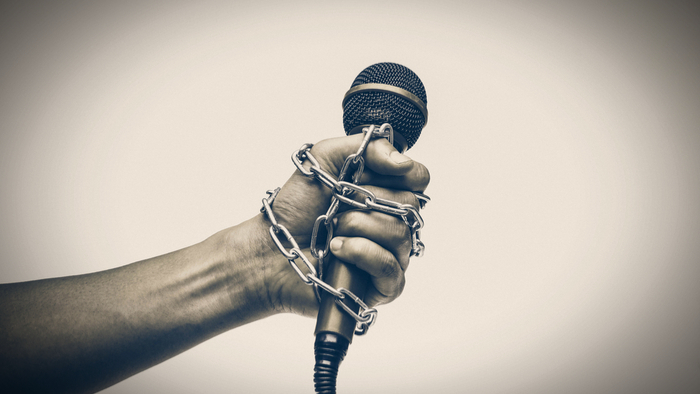
Nigerian journalists are told, through every arrest, to remain silent. A free press exists to refuse.
The charge against Ojukwu will be decided in court, but the cost of speaking is already on display.