The Minimum Wage Is N70,000. Why Is the Minimum Pension N52,500?
Nigeria’s minimum pension guarantee is N52,500, below the N70,000 minimum wage. Here’s why retirees deserve a higher income floor amid rising living costs and inflation.

Nigeria’s minimum wage is N70,000. Its new minimum pension is N52,500. A retiree who spent decades contributing to this economy is now guaranteed a quarter less than the lowest legal wage.
The guarantee is set for 173,209 retirees under the Contributory Pension Scheme, and the money must cover food, rent, transport, electricity and, for most people past 60, a growing list of medical bills.
Hold the applause first, because the numbers are not grinning.
What the N52,500 Minimum Pension Guarantee Actually Means
The minimum pension guarantee is a floor for retirees whose retirement savings produced very small monthly pensions. Anyone whose pension falls below N52,500 is topped up from a N400 billion Pension Protection Fund.
The beneficiaries were pulled using this system: 34% from federal service, 12% from state employment and 54% from the private sector.
Remember, a pension is not a gift. A pension is deferred pay, built from contributions made over decades of work.
The guarantee only steps in where market returns and salary history failed the worker. This is why the figure matters. It is the lowest amount a person who spent a career contributing to this economy can be left with.
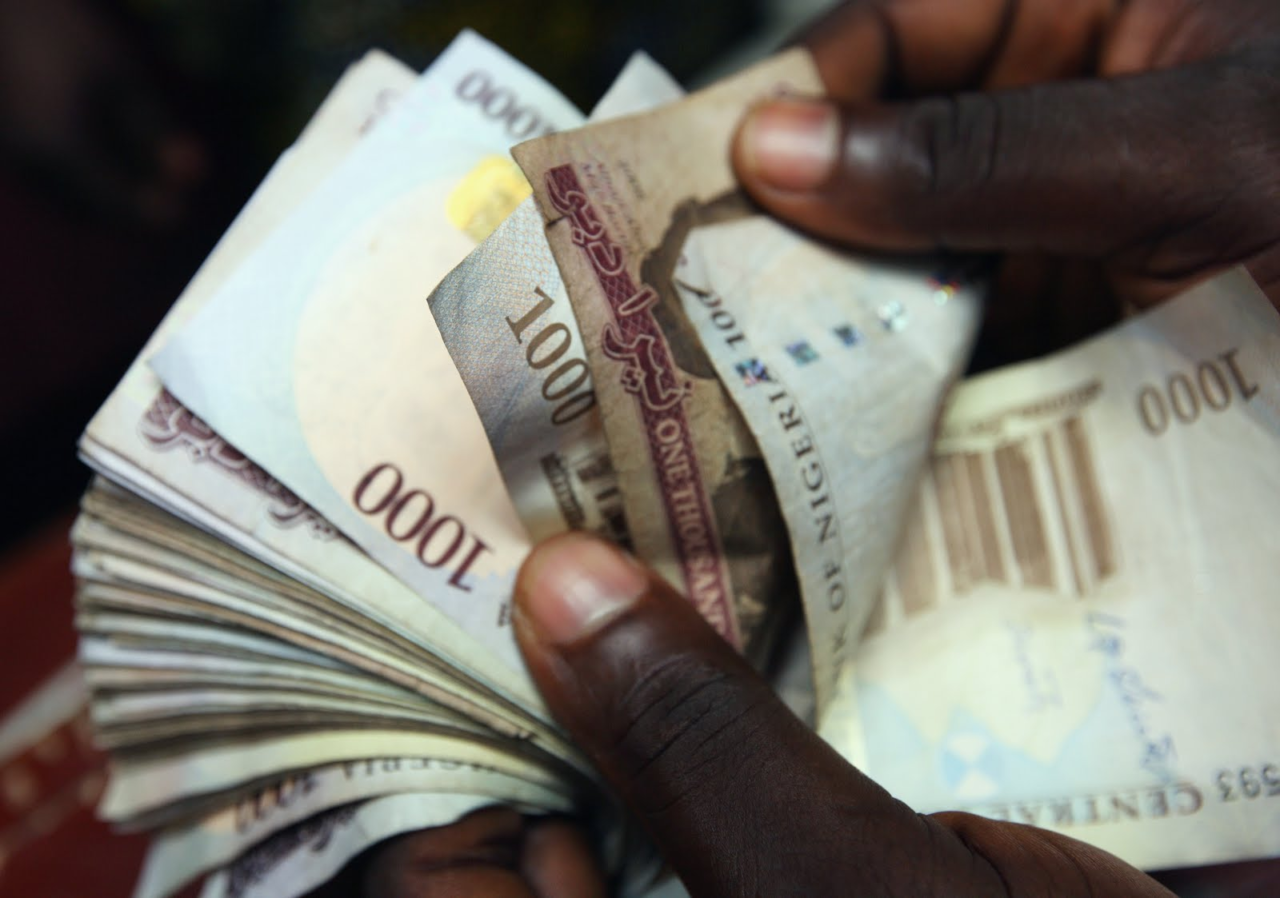
Why N52,500 Is Less Than the N70,000 Minimum Wage
N52,500 is exactly 75% of the N70,000 national minimum wage. A retiree is guaranteed a quarter less than the lowest legal wage, even though that wage is already widely described as inadequate for the cost of living in Nigeria.
The usual defence is that pensioners no longer have work expenses. That argument doesn’t hold. Transport costs may shrink, but food, rent, energy and drugs do not. Old age raises healthcare spending while reducing the ability to earn.
Pensioners Cannot Hustle Their Way Out of Inflation
A young worker facing high inflation has options. They can take a second job, start a side business, negotiate a raise, move cities or share accommodation. The economy is harsh, but it rewards adaptation, and younger Nigerians adapt every day.
An elderly retiree has none of those advantages. Strength fades, employers rarely hire people in their sixties and seventies, and many cannot run a stall or ride a bike for hours.
Their income is fixed, so every rise in prices is effectively a pay cut. Economists call this the inflation tax on fixed incomes, and it hits the people least able to respond.
A minimum wage is a floor for people who can still supplement it. A minimum pension is often the entire income, which argues for a higher floor.

The Real Cost of Living for Retirees in Nigeria
Many pensioners are not spending on themselves alone. With weak public social protection, retirees often support jobless adult children, grandchildren in school and relatives who depend on them.
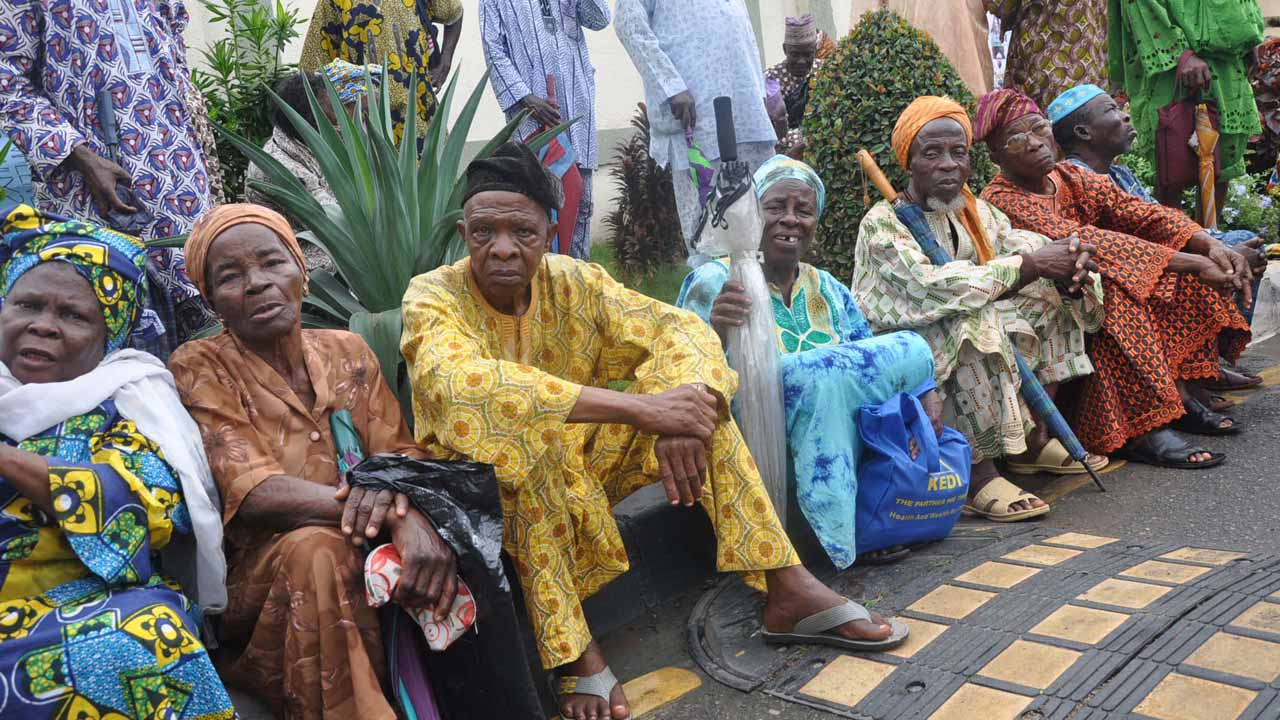
Pensioners outside of offices awaiting retirement benefits | Image source: The Sun Nigeria
If rent in cities like Lagos and Abuja, generator fuel or electricity bills, and medication for chronic conditions such as hypertension and diabetes, are included, N1,750 a day leaves almost nothing.
The PenCare healthcare plan for low-income retirees helps, and it deserves credit. But free essential care does not pay for food or accommodation. Health cover and income support solve different problems, and one cannot stand in for the other.
Can the Pension Protection Fund Afford a Higher Floor?
Paying all 173,209 retirees the full N52,500 would cost about N9.1 billion a month, or roughly N109 billion a year.
In practice, the fund falls short. On paper, N400 billion covers more than three years of full payouts before investment returns or fresh contributions are counted.
Raising the floor to match the N70,000 minimum wagewould add N17,500 per retiree each month. The maximum extra cost would be about N36 billion a year, which is modest against a federal budget measured in tens of trillions of naira.
Tying the guarantee to the minimum wage and reviewing it every year against inflation would also stop the figure from being eroded by rising prices.
The president himself urged future governments to raise it and never remove the floor. The sensible decision is that N52,500 should be the starting point.
Why Governments Launch Pension Schemes Close to Elections
Let’s talk about the political side. The idea of a minimum pension guarantee has been in the law for years, and the scheme arrives about 22 years after the first pension reform law. It is being launched months before the 2027 general elections.
Nigerian politics has a long habit of this. Wage increases, project commissioning, palliatives and welfare launches tend to cluster in the run-up to votes, because benefits that land just before a ballot are remembered at the ballot.
Officials reject the suggestion that the timing is political, and a late benefit is still a benefit. Retirees who have waited this long will not refuse the money.
But the timing helps explain the shape of the policy: a number big enough to announce and modest enough to keep costs contained.
What Growing Old in Nigeria Should Cost
A pension should let someone grow old with dignity, not merely survive. N52,500 is progress after more than two decades of delay, and that deserves acknowledgement.
But it is a floor set below the floor. If a country sets its lowest wage at N70,000 because that is the least a working person needs, it cannot logically decide that a person who can no longer work needs less.