Can a Database Keep Children Safer Online? Uganda’s SIM Card Proposal Puts the Question to Africa
Uganda is considering a database of SIM cards used by children to fight online abuse. Can it protect minors without creating new privacy risks?
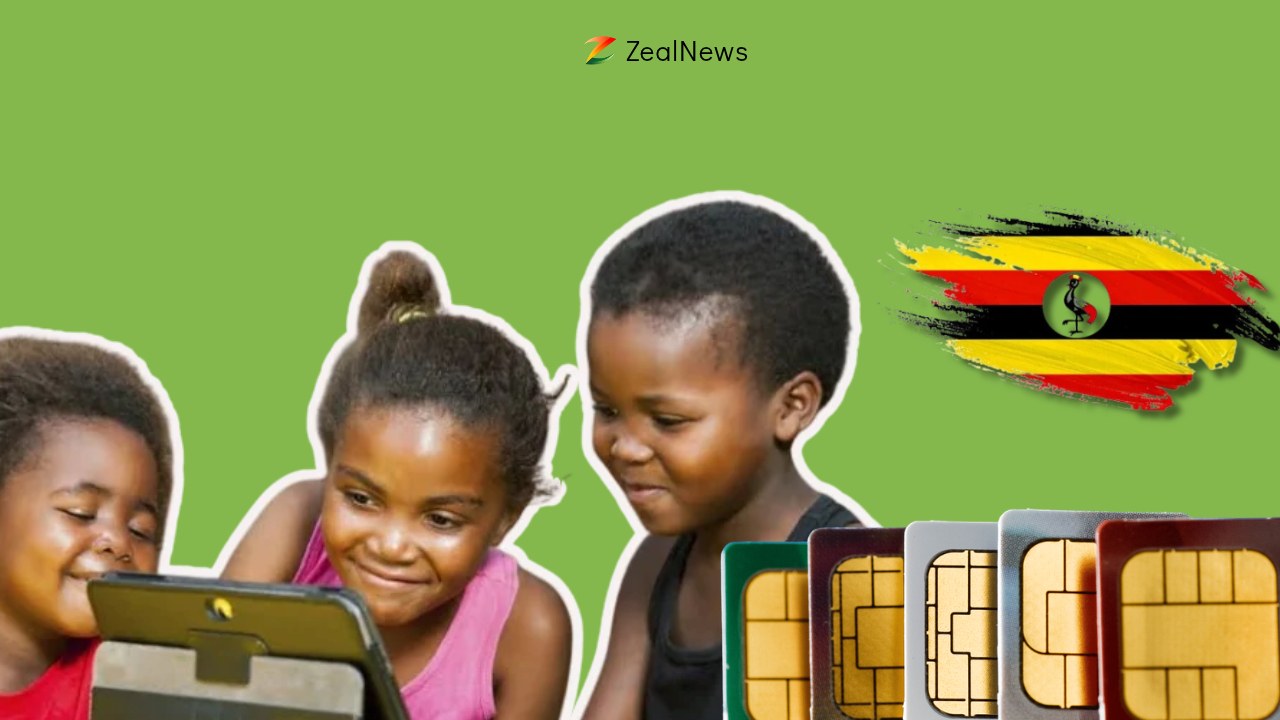
When a child gets a phone, inserts a SIM card, and goes online, the excitement is hard to hide.
For many parents, that moment may feel like a small step towards independence, or simply a practical way to stay in touch with their kids.
But in Uganda, it could eventually become part of a much larger conversation about how governments, parents and telecommunications companies protect children in a digital world.
Uganda is considering regulations that could require parents to disclose SIM cards used by their children, allowing telecommunications operators to identify numbers belonging to minors and potentially apply specific online safeguards.
The proposal is not yet an implemented requirement. But it raises an interesting question that may become increasingly relevant across Africa: how much information should a system collect about children in the name of keeping them safe?
The concerns behind Uganda's proposal are difficult to dismiss.
Children are spending more time online, often entering spaces filled with cyberbullying, harmful content, grooming, scams, and sexual exploitation.
Figures cited by the Uganda Communications Commission (UCC) suggest that up to 88.5% of the students surveyed face digital risks, while 70.1% have encountered explicit sexual messages.
Those numbers make the idea of doing nothing particularly unconvincing.
Protection Is Necessary, but Who Holds the Information?

Under the proposal discussed by the UCC, telecom operators could maintain dedicated databases identifying SIM cards used by children.
In theory, this could make targeted protection easier. Operators might be better positioned to introduce age-appropriate restrictions, filtering tools and other safeguards without preventing children from accessing digital services entirely.
The proposal is still at an early stage. UCC Executive Director Nyombi Thembo announced it on 5 November, and reports say telecom operators would maintain the databases, but the commission has not yet published details on its scope, timeline or implementation.
Nothing public explains who could access the data, how long it would be kept or how it would be protected, and that is why the questions below matter.
The proposal also rests on an uncomfortable reality: children may understand the internet faster than the adults responsible for protecting them.
Parents are supposed to be the first line of protection, but how can they supervise risks they do not fully understand?
Uganda’s response has also extended beyond regulation. The UCC has promoted digital-safety initiatives, including the Be a Cyber Hero campaign, as reported by Techpoint Africa, while government agencies and other organisations have been working on wider child-protection efforts.
That deserves attention because online safety cannot realistically be solved by giving parents one more warning and hoping everybody suddenly becomes cybersecurity experts.
But there is another problem.
Protecting children requires information. Collecting information also creates something that can be misused.

A database identifying SIM cards used by minors immediately raises questions about privacy, access, and security. Who can see the information? How long will it be stored? What happens if the database is breached? Can the information be shared with other agencies? And what protections exist against using children's data for purposes beyond online safety?
They are questions about whether the systems created to protect vulnerable people can become vulnerabilities themselves.
When Does Safety Become Surveillance?
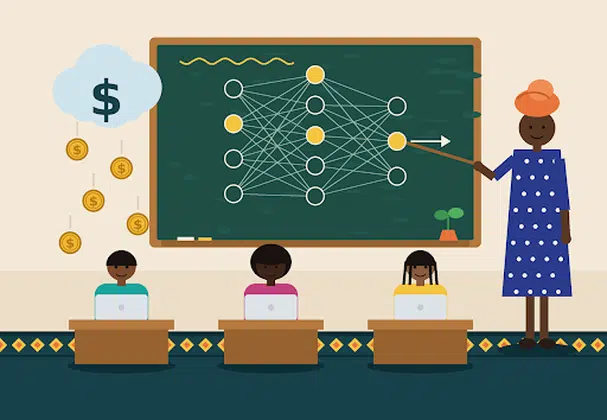
Uganda already operates a mandatory SIM-registration system linked to national identification requirements. A child-specific database would take that system further by identifying which registered numbers are being used by minors.
The distinction matters. A proposal designed to help filter harmful content may sound reasonable. But digital systems have a habit of becoming more useful to more institutions than originally intended. Information collected for one purpose can become valuable for another.
That is why purpose and accountability matter as much as protection.
The strongest version of Uganda's proposal would not simply collect more data and call it child safety. It would clearly explain what information is necessary, who controls it, how it is protected, and when it must be deleted.
Children deserve protection online. That much should not be controversial. But privacy should not become the price they unknowingly pay for it.
The bigger challenge for Uganda, and perhaps other African countries watching closely, is finding a system that accepts two truths at once: children need stronger protection in digital spaces, and governments must be equally careful about building systems that know too much about them.
The internet has created risks that parents, regulators and schools are still learning to understand. Uganda is right to ask what more can be done.
The harder question is whether the answer should be more surveillance, or smarter protection.