How Can Nigeria Build a Reading Culture Without Public Libraries?
An NDDC commissioner blames rising printing costs for Nigeria's declining reading culture, but the country's shortage of public libraries tells a bigger story about access and government responsibility.
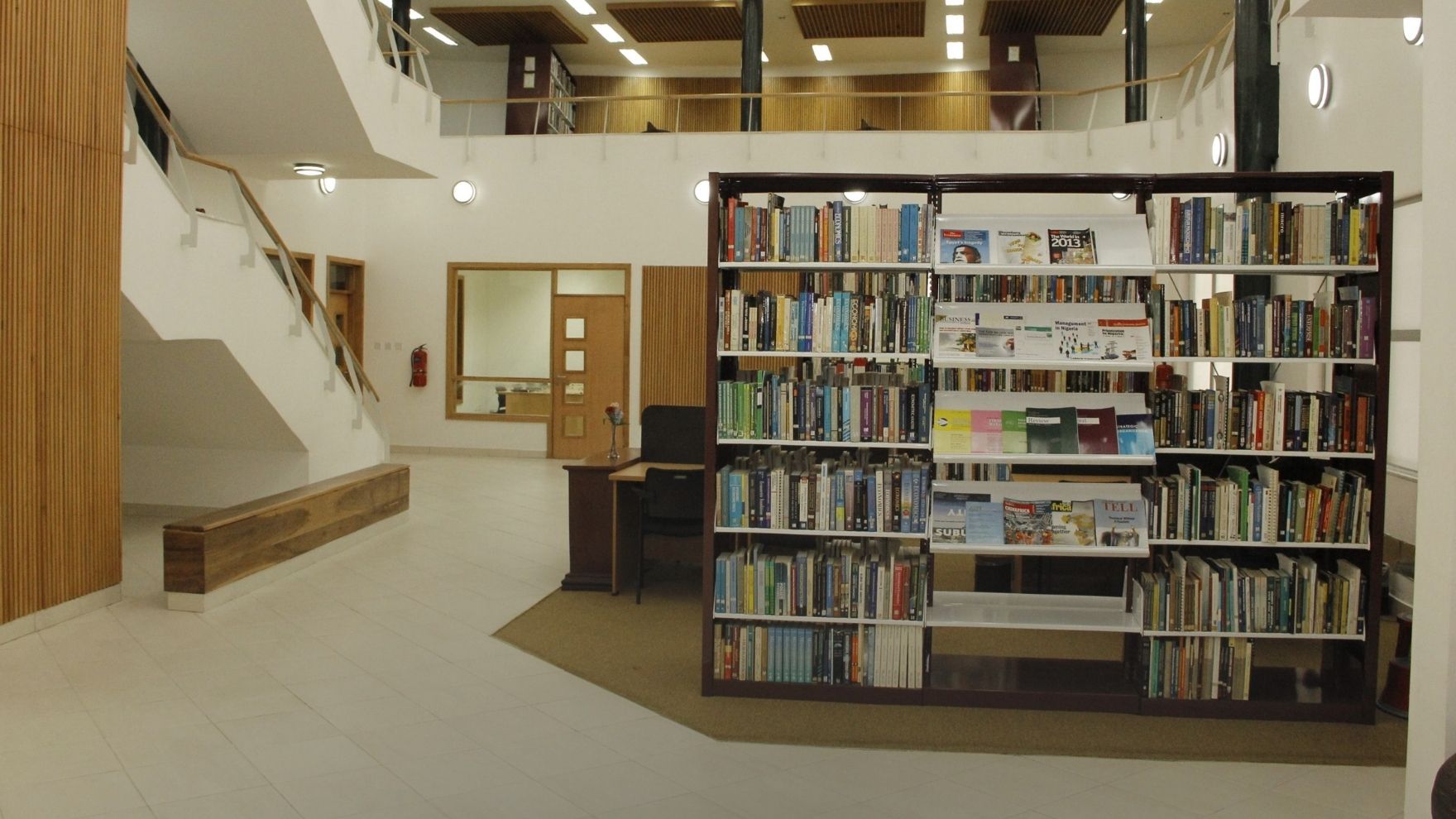
A commissioner stood at a book launch in Abuja and blamed soaring printing costs for killing Nigeria’s reading culture.
Meanwhile, Lagos, a city of more than 20 million people, has just 12 state-run public libraries.
One has to wonder if the price of printing is also the reason why an entire state has just 12 public libraries, while a commissioner stands to say the reading culture is dying.
Did Nigeria ever build the places where reading was supposed to happen?
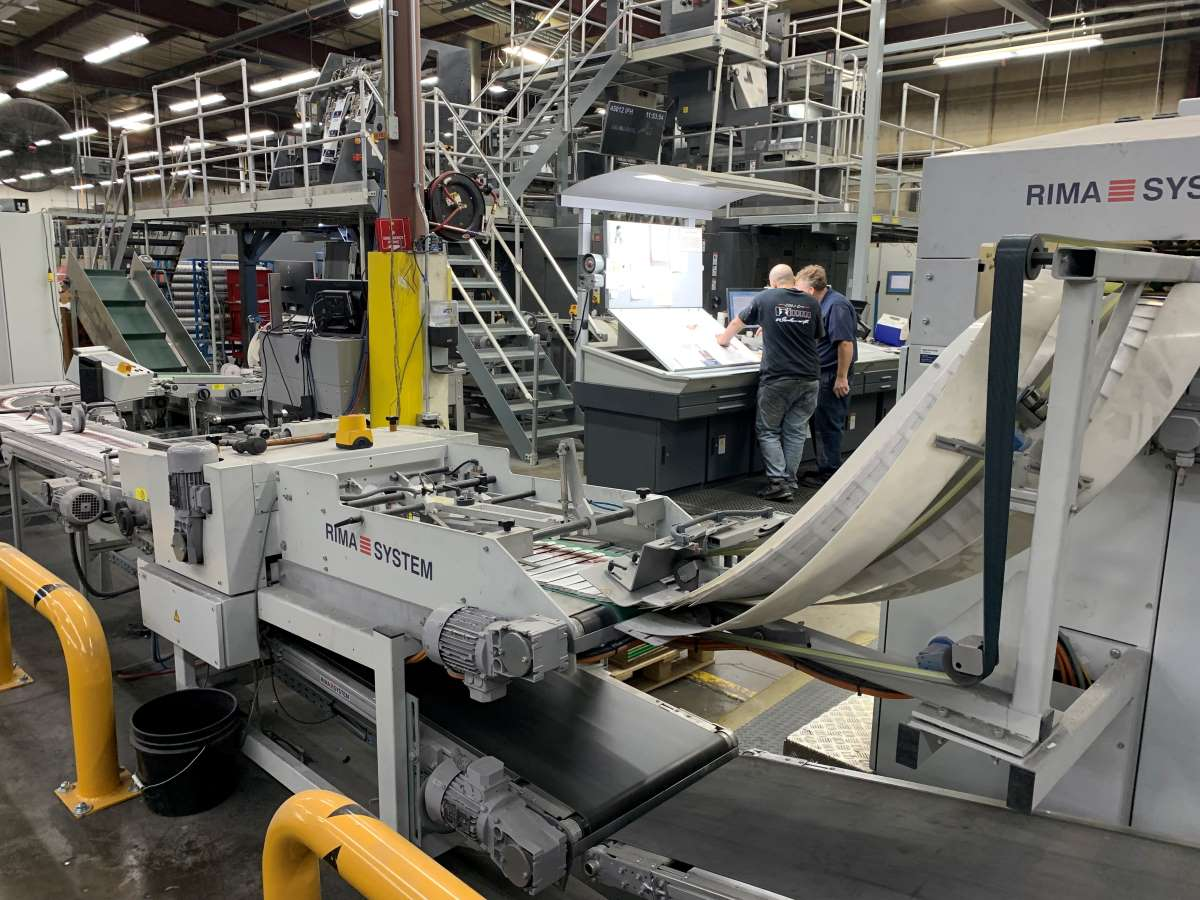
Is Printing Cost the Real Problem for Reading Culture in Nigeria?
Printing costs are real. That is not a disputed fact. Most new printed books cost from N8000 upwards, and the minimum wage is N70,000. That is over 10% of the salary of an average Nigerian.
Yes, imported paper and ink are expensive, import duties raise the price further, and publishing abroad can even cost around $20 per copy. A student who struggles to afford transport cannot buy a new textbook, let alone a novel.
But printing cost only explains why books are expensive. It does not explain why a child in Surulere or Ikorodu has just one public facility that may or may not be close by, to borrow from.
That is what a public library is for. Libraries exist precisely because not everyone can buy books, in every country, in every economy.
When a politician frames the crisis as a pricing problem, the solution becomes tax waivers and book launches. When the crisis is framed as an access problem, the solution becomes infrastructure, and infrastructure is something the government would have to actually build.
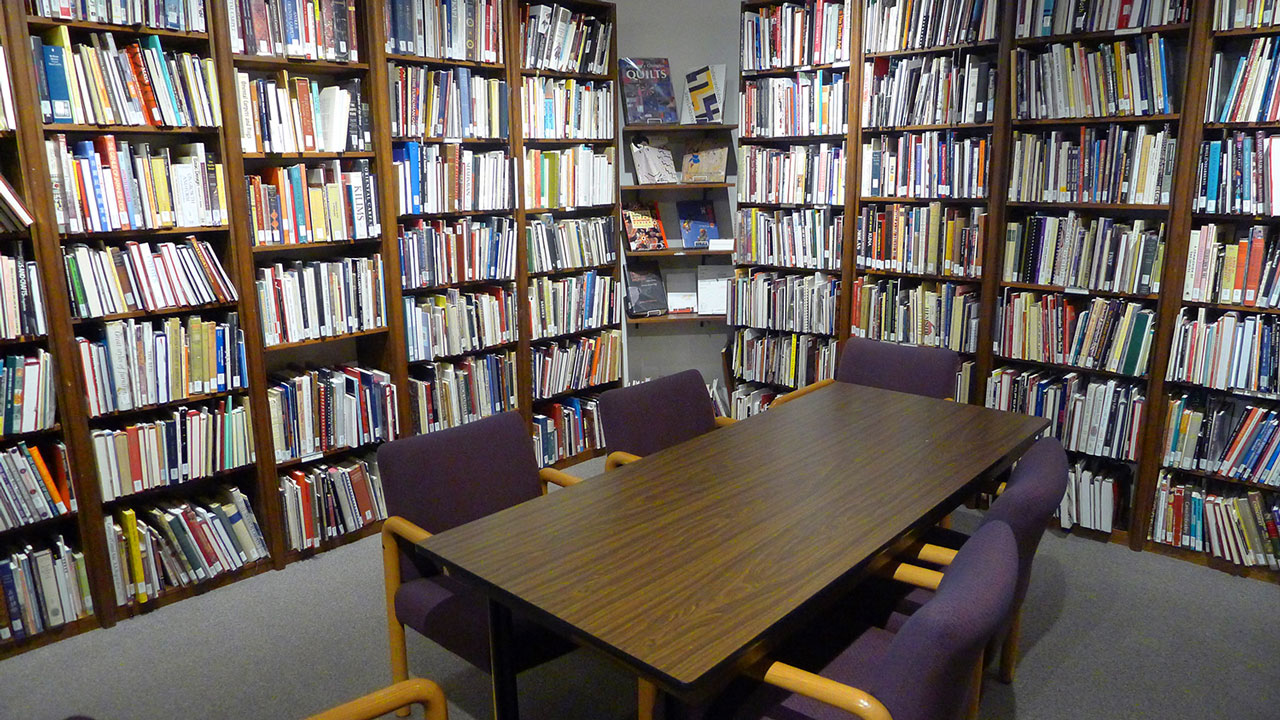
Why Public Libraries in Nigeria Matter More Than Book Launches
A public library reaches an entire neighbourhood every single day.
It gives students a quiet place to study, gives jobseekers access to resources, and gives children a reason to fall in love with stories.
Reading in Nigeria is largely driven by examinations. People read to pass, and not largely for leisure.

A functioning library network changes that, because it makes reading a habit. You cannot build that habit with expensive hardbacks sold at events.
Twelve public libraries in Lagos State is not a library system. It is a handful of buildings serving millions of people. Many of the ones that exist struggle with outdated collections, poor maintenance and limited opening hours.
The Electricity Problem Nobody Mentions
Even a well-stocked library needs light. Nigeria’s unstable power supply has produced what many calla darkness economy, where businesses, schools and homes run on generators and fuel budgets.
There is a quiet link between power and literacy. Students read less when evening study means burning fuel or staying up with a rechargeable torch light.
Libraries stay under-resourced when power eats the budget. There are digital alternatives, such as e-books and online reading platforms, true. But how many people can read effectively with a screen?
So the question of how to build a reading culture in Nigeria is tied to something much bigger than books. It depends on whether the basics of public life work at all.
How Can Nigeria Build a Reading Culture Without Public Libraries?
If the government will not deliver the system, the country has to improvise, and some of that is already happening.
Community libraries and reading clubs. Book clubs, street libraries and volunteer-run reading spaces are filling gaps in many cities. They prove people want to read when access exists, and they deserve funding, not applause alone.
School libraries that actually function. A stocked, staffed and open school library reaches children where they already are. Government can start here before attempting a nationwide network.
Lower the cost of books through policy. Removing import duties on printing materials, supporting local printers and cutting taxes on educational books would ease the burden on publishers and readers. This is the one place where the commissioner’s concern is valid, but it is only one part of the answer.
Digital reading, with realistic expectations. E-books and audio platforms can help, particularly for young people who live on their phones. But digital reading only works with steady power, so it supplements libraries and cannot replace them.
Local-language and Nigerian stories. People read more when they see themselves in the pages. Supporting Yoruba, Igbo, Hausa and Pidgin publishing, alongside Nigerian fiction, makes reading feel relevant rather than academic.
Reading Culture Is Built
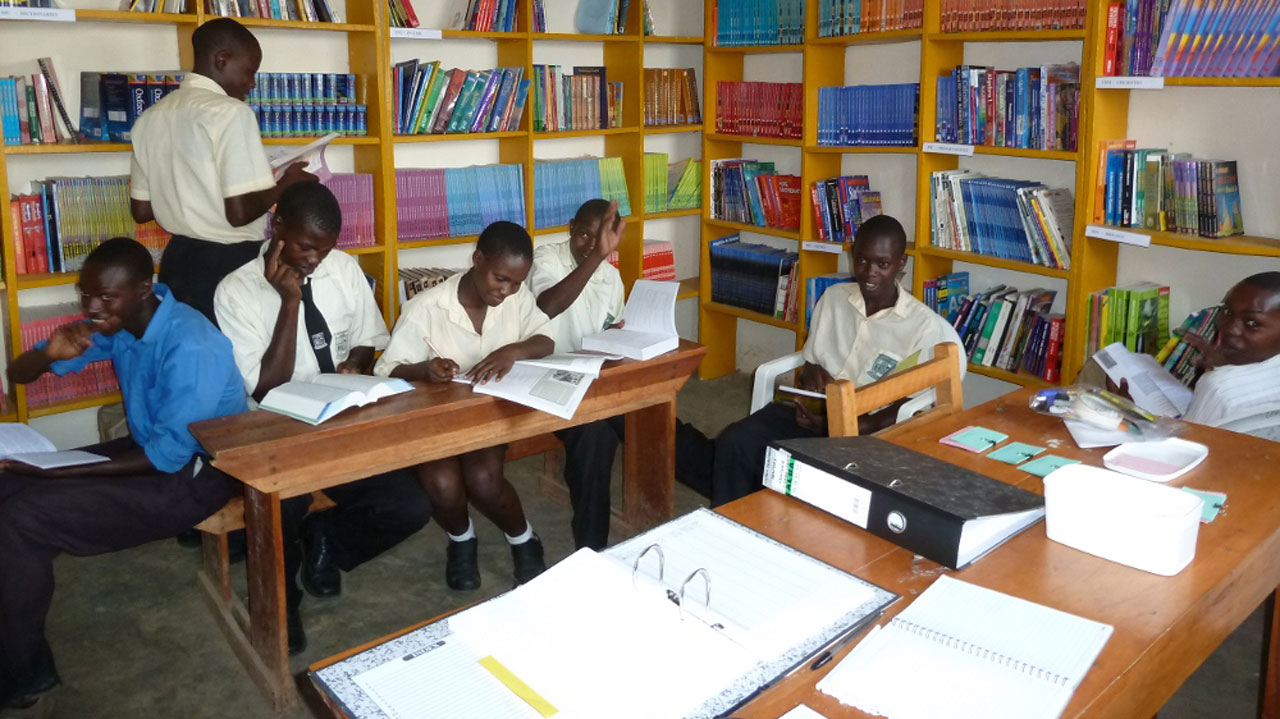
A reading culture does not appear because someone gave a speech about it. It grows where books are within reach, where the lights stay on, and where a child can walk into a free, welcoming space and borrow something to take home.
Nigeria can lament printing costs for years. But a country that cannot keep a few dozen public libraries running in its biggest city has bigger questions to answer than the price of paper.
Until those are answered, every appeal to “restore the reading culture” will keep sounding like a launch event: loud, well-dressed and absent where it matters.