Have You Ever Wondered What It Really Takes to Get African Food onto Foreign Supermarket Shelves?
How does African food reach foreign supermarket shelves? The businesses, costs, regulations and economic benefits behind the trade.
You have finally japa-ed from your country, or perhaps you are a business mogul who travels around the world, or a travel influencer.
Whatever category you fall into, there comes a time when you really need to eat your African food. So you walk into a supermarket, restaurant or African market in the country you are visiting to get some.
But getting these products from farms and factories in Africa to shelves in other countries involves several businesses, costs to cover and standards to meet.
The people and businesses behind the trade
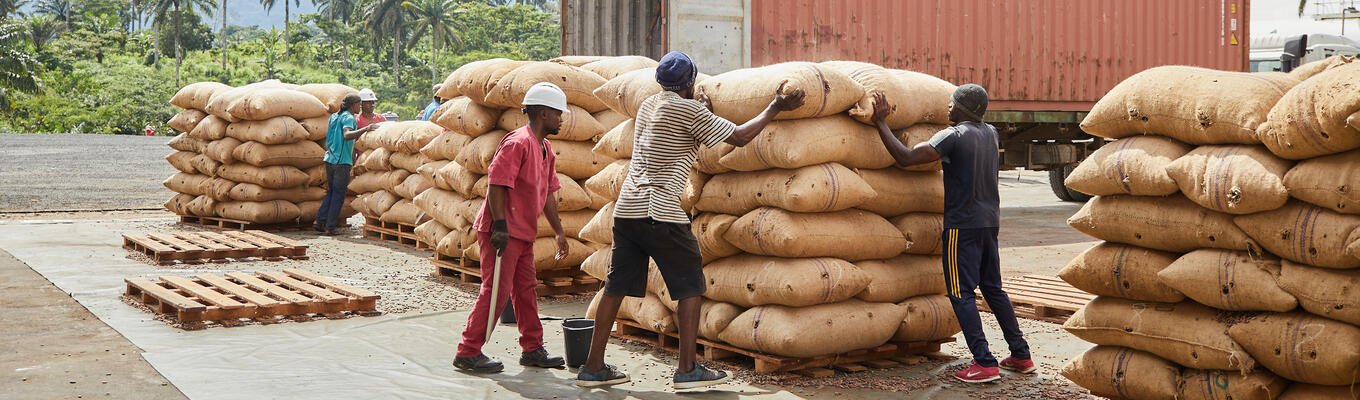
It starts with farmers who sell their harvest to traders, aggregators or exporters.
These buyers bring produce from different farms together in quantities large enough to meet an export order.
Some exporters also source directly from farmers or work with organised farmer groups.
The exporter then takes responsibility for preparing the yams for the journey. This can involve sorting, checking their quality, cleaning them, treating or curing them where necessary, and packing them into suitable cartons. The exporter also arranges the paperwork and shipping.
In Ghana, there are businesses that specialise in exporting yams, supported by industry groups such as the Ghana Root Crops and Tubers Exporters Union.
Once the shipment arrives in the destination country, an importer receives it and handles the process of bringing the goods into the market.
Importers are important because they already have the facilities, contacts and distribution networks needed to sell large quantities of produce.
Some supply wholesalers, while others sell directly to supermarkets and other retailers.
Wholesalers buy in bulk and resell smaller quantities to shops, market traders and restaurants. In some cases, the importer also acts as the wholesaler, so the product does not necessarily pass through two separate businesses.

There are exporters also have direct relationships with supermarket buyers, while some rely on specialist importers who already supply African and other exotic foods to retailers.
The route depends on the product, the quantity being shipped and the kind of buyer the exporter is trying to reach.
What it costs to get African food onto European shelves and how the business makes money
Getting food from a farm in Africa to foreign supermarkets comes with several expenses.
There is the cost of moving the food from the farm to the port depending on the product and how quickly it needs to reach its destination, exporters may use air or sea freight.
When the shipment arrives in the destination country, there are even more costs.
The importer may have to pay customs duties where applicable, port handling charges, clearance fees, storage and transportation to warehouses or buyers. If the food needs special storage conditions, such as refrigeration, that adds to the cost.
Wholesalers and distributors also spend money storing and moving the products before they reach retailers.
Each business in the chain makes money by selling a product or providing a service.
Farmers earn from selling their harvest.
Exporters make money from supplying produce to overseas buyers, while importers and wholesalers earn from reselling it to other businesses.
Transport and logistics companies charge for moving and handling the goods, and supermarkets make money from selling them to consumers.
The price therefore changes as the food moves through the supply chain.
There are also trade arrangements that can affect how much it costs to bring food into some countries.
A very good example is Ghana, where there's a trade agreement with the EUthat allows qualifying Ghanaian products to enter duty-free, provided they meet the agreement's rules of origin.
Other African countries may benefit from different EU trade arrangements, while some products may attract import duties.
Supermarkets decide which products to stock by considering whether customers are likely to buy the food, how much they are willing to pay, the quality of the product and whether suppliers can deliver the required quantities consistently.
A supplier who cannot maintain the quality or meet delivery schedules may struggle to keep a supermarket contract, even if the product is popular.
The regulations African food exporters must meet before entering Foreign markets
Beyond the costs of getting food to the countries, exporters also have to meet rules that determine whether their products can enter the market.
For fresh produce, one of the concerns is pesticide residue.
There are also rules to prevent plant pests and diseases from entering importing countries.
Some plants and plant products must be accompanied by a phytosanitary certificate issued by the exporting country's plant protection authority.
The certificate confirms that the shipment has been inspected and meets the required plant health conditions.
Exporters must also be able to trace where their products come from and where they are going. This means keeping records of the farms or suppliers involved and the buyers receiving the produce.
If a food safety problem is discovered, these records help identify the affected shipment and trace it through the supply chain. Packaging and labels must also provide relevant information, including the product name and country of origin.
Apart from these legal requirements, exporters may also have to meet standards set by the businesses buying their products.
A supermarket, for instance, may ask a supplier to obtain GLOBALG.A.P. certification. Some buyers also have additional requirements relating to workers' welfare and environmental practices.
Meeting these requirements can mean spending more on farm practices, record-keeping, packaging, inspections and certification.
And if a shipment fails an official check, it may be delayed or rejected, or refused entry into the market.
The trade benefits both African and foreign economies
Exporting food creates more buyers for farmers and food businesses.
The trade also brings foreign money into African countries.
When overseas buyers pay for African food, the money adds to the country's export earnings. Countries such as Côte d'Ivoire and Ghana earn from cocoa exports, while Kenya has built a large export market for fruits, vegetables and flowers.
There is also more money to be made when food is processed before it leaves Africa.
Instead of exporting only raw agricultural produce, businesses can turn it into finished or semi-finished products. This creates more work for local processors and packaging businesses, and allows more of the money from the trade to be earned within the country.
Foreign countries also benefit.
Importers, wholesalers, transport companies and supermarkets earn from handling and selling the products, while consumers have access to foods that may not be grown locally or available in sufficient quantities.
Importing from different African countries also gives European businesses more places to source their products.
This can help them maintain supplies when certain foods are out of season or unavailable from local producers.