7 Products You Use Every Day That Were Originally Created for Completely Different Reasons
Your microwave, bubble wrap and Play-Doh have surprisingly strange origin stories. Wait until you find out what these seven everyday products were actually invented for.
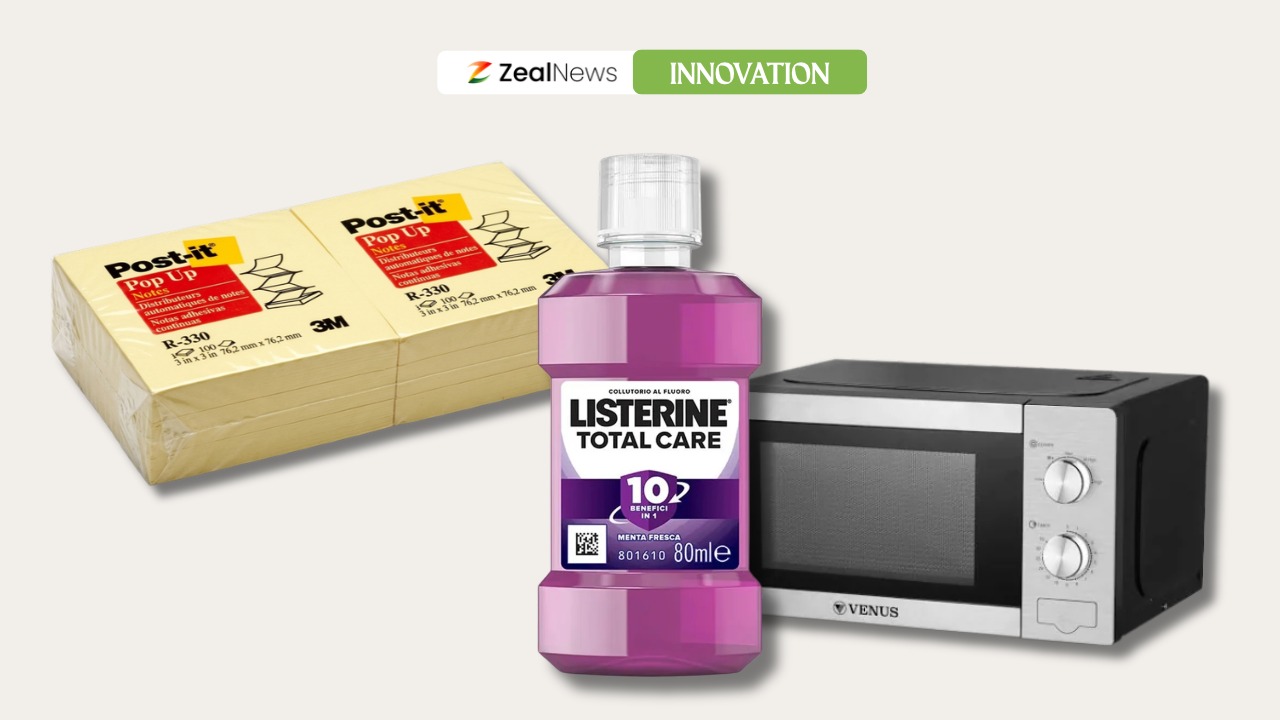
The Listerine mouth wash was initially created to clean floors. Yes, feel free to gag. The next time you pop popcorn or open a delivery package, remember: some familiar products you use today weren't created to serve the purpose they currently do.
One was meant to decorate walls, and another was designed to clean them.
Their stories show that inventions rarely follow a straight line. Here are 7 products that were created for a completely different use.
1. The Microwave Was an Unexpected Benefit of Radar Research
Percy Spencer was working with radar equipment at Raytheon in 1945 when he noticed a chocolate bar in his pocket had melted near a magnetron, a component that generates microwave energy.
He investigated, then placed popcorn kernels near the equipment. They popped.
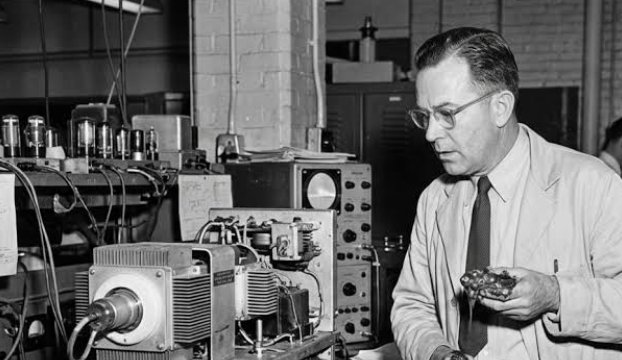
Spencer developed a machine that cooked food with microwave energy. The first commercial Radarange arrived in 1947. It was nearly six feet tall and weighed around 750 pounds.
So, no, the microwave was not invented because somebody wanted to warm yesterday's jollof rice. It emerged from radar research, and years of development were needed before compact domestic models became practical.
2. Bubble Wrap Was Supposed to Be Wallpaper
Imagine walking into someone's house in the 1950s and finding the walls covered in bubble wrap. That was more or less the original plan.
Latest Tech News
Decode Africa's Digital Transformation
From Startups to Fintech Hubs - We Cover It All.
In 1957, engineers Alfred Fielding and Marc Chavannes tried to create textured plastic wallpaper by sealing two sheets together with air bubbles trapped inside.
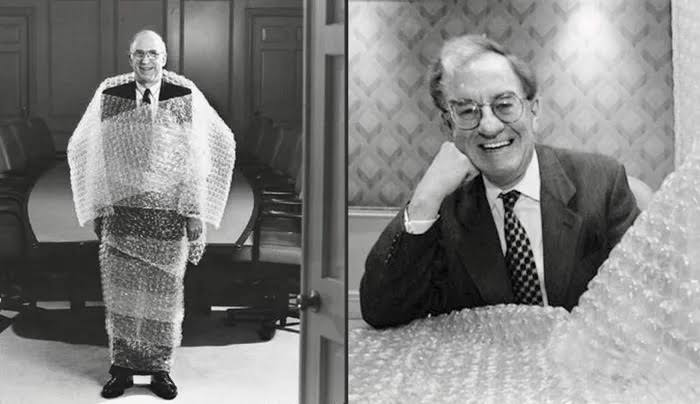
The wallpaper failed, but they realised the material could insulate and protect objects.
In 1960, they founded Sealed Air Corporation, with Bubble Wrap as its signature product. The failed wallpaper became familiar packaging, and gave people something satisfying to pop.
3. Play-Doh Was Created to Clean Dirty Wallpaper

Play-Doh had a less playful job before children got hold of it.
In the 1930s, Kutol Products developed a soft cleaning material that could remove soot from wallpaper. Many homes used coal heating, which left grime on walls. It cleaned walls without damaging wallpaper.
As cleaner heating systems became common, demand for the cleaner declined. A teacher noticed children enjoyed shaping the material and suggested it could work as a modelling compound.
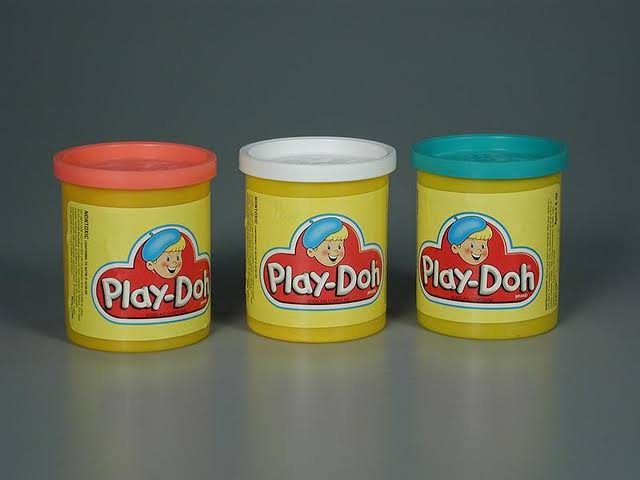
The company developed the idea, introducing Play-Doh in 1956.
A wall cleaner became something children spread across freshly cleaned tables. Business can be funny.
4. Post-it Notes Came From Glue That Seemed to Have Failed
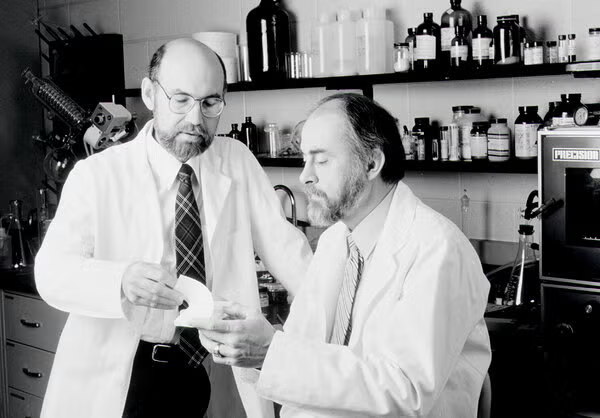
In 1968, 3M scientist Spencer Silver was trying to develop a stronger adhesive. Instead, he created one that stuck lightly, peeled away easily and could be used again. It was not the powerful glue he wanted, and its commercial purpose was unclear.
Latest Tech News
Decode Africa's Digital Transformation
From Startups to Fintech Hubs - We Cover It All.
Art Fry found a use. Fry sang in a church choir and used paper scraps to mark songs in his hymnal. They kept slipping out. He used Silver's adhesive to make a removable bookmark.
That idea became Post-it Notes, introduced nationally in the United States in 1980. A glue that missed its original assignment became an office essential for reminders, page markers and messages nobody wants to send by email.
5. Coca-Cola Began at a Pharmacy Soda Fountain
Coca-Cola is now sold around the world as a soft drink, but its first customers encountered it at a pharmacy.
On May 8, 1886, pharmacist John Stith Pemberton served the drink at Jacobs' Pharmacy in Atlanta. He had developed a syrup that was mixed with carbonated water and sold by the glass. Pharmacies commonly sold fountain drinks and tonics.
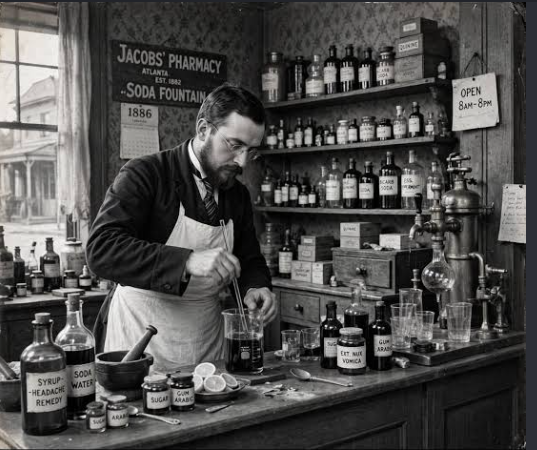
Pemberton originally formulated the syrup as a medicinal tonic to cure ailments like headaches, indigestion, and nervous exhaustion while seeking a morphine-free painkiller for his own war-injury addiction.
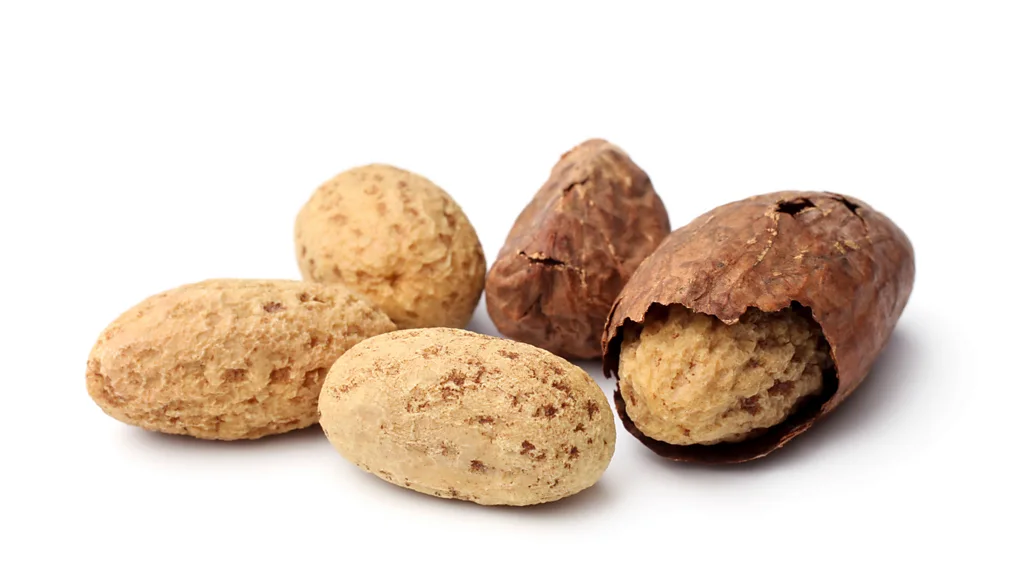
It was made by combining extracts from Peruvian coca leaves and caffeine-rich African kola nuts, giving birth to the name.
Pemberton's bookkeeper, Frank Robinson, came up with the name and wrote it in the distinctive script that became the logo. During its first year, the drink averaged about nine servings a day.
That is a modest beginning for a global brand.
6. Listerine Was First Developed for Surgical Use
The mouthwash in your bathroom cabinet was not originally created to freshen your breath before a meeting.
Latest Tech News
Decode Africa's Digital Transformation
From Startups to Fintech Hubs - We Cover It All.
But before it became the familiar mouthwash sitting in bathroom cabinets, it had a rather unusual career.
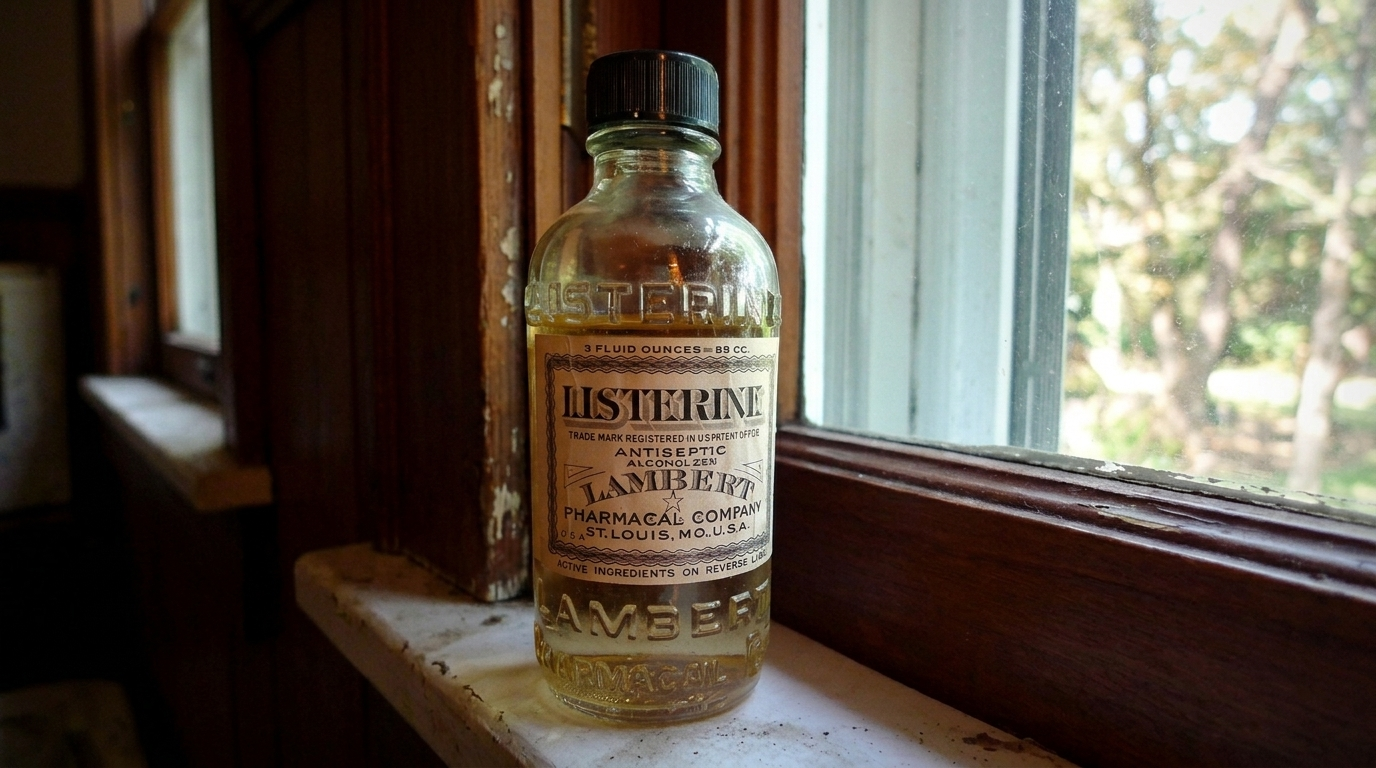
It was marketed for everything from cleaning floors and deodorising rooms to treating dandruff. Its journey into oral hygiene came later, when it was introduced to dentists in 1895.
In 1879, chemist Joseph Lawrence developed Listerine as a surgical antiseptic.
It was named after British surgeon Joseph Lister, an advocate of antiseptic surgery. Listerine later entered consumer markets and became available over the counter in the United States in 1914.
7. Transparent Tape Started With a Problem in Car Painting
In the 1920s, carmakers were experimenting with two-tone paint jobs. Painters needed to cover one section while painting another, but available materials often stuck too firmly and damaged the finish when removed.
Richard Drew, a 3M laboratory assistant, saw the problem at an automobile body shop and developed masking tape to create cleaner boundaries between colours.
In 1930, he developed transparent cellulose tape, initially useful for sealing cellophane packaging.
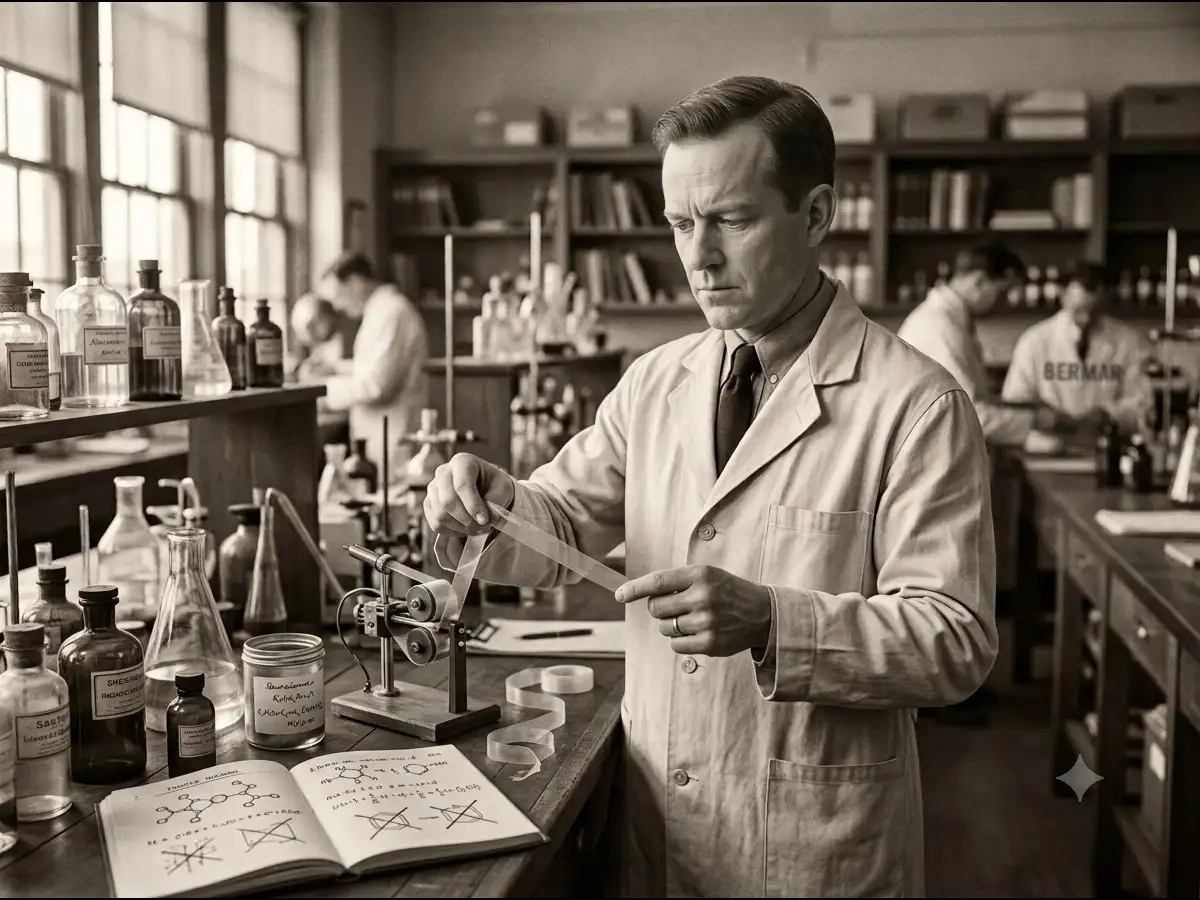
Consumers used it to mend paper, repair books and handle household fixes. A problem in car painting helped produce the transparent tape now found in desks, drawers and school bags.
The Best Ideas Do Not Always Follow the Original Plan
Latest Tech News
Decode Africa's Digital Transformation
From Startups to Fintech Hubs - We Cover It All.
A radar component became a kitchen appliance. A wallpaper experiment became packaging. A cleaning compound became a toy. They became household names because somebody recognised a use their inventors had missed.
The first purpose is not always the one that makes an invention valuable. Sometimes the idea that changes everyday life is hiding inside an experiment everyone else has dismissed.
The point is not that every failed experiment becomes a billion-dollar idea; most do not. It is that a useful invention can outgrow its first brief when curious people keep asking what else it might do.