Nigeria Is Closing the Door on Counterfeit Phones, and We Are All Curious to See If It Stays Shut
Nigeria’s NCC and Customs are tightening checks on counterfeit and unapproved phones. Find out what the new enforcement plan means for consumers.
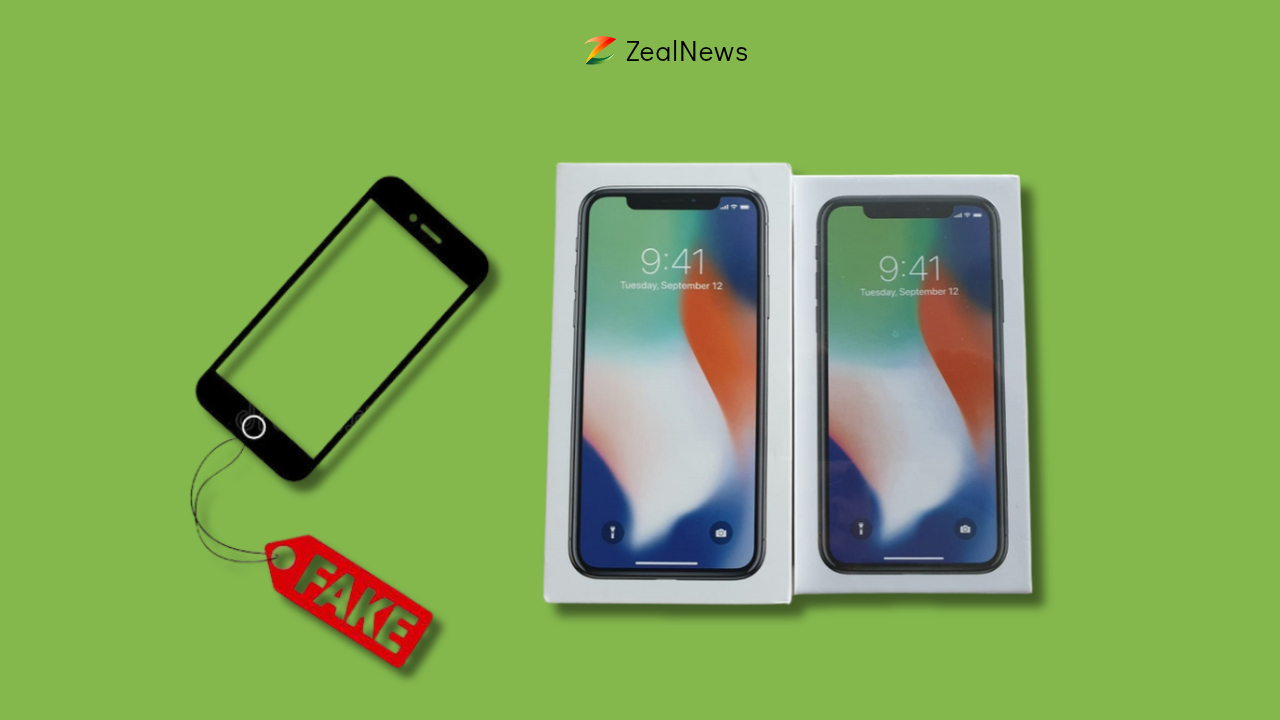
Nigeria may be moving closer to a more aggressive crackdown on counterfeit, cloned, and substandard communication devices. The Nigerian Communications Commission (NCC), working with the Nigeria Customs Service, is introducing stronger enforcement measures designed to stop unapproved devices before they enter the market and, in some cases, before they gain access to telecom networks.
For years, Nigeria's phone and electronics markets have provided easy access to devices whose origins and technical standards are not always clear. From mobile phones and modems to tablets and SIM-enabled point-of-sale terminals, the grey market has created a difficult regulatory environment.
A device can look legitimate, work perfectly at first, and still fail to meet the technical requirements approved for Nigeria's communications networks.
The NCC's new approach is therefore significant because it moves enforcement beyond simply telling manufacturers and importers what the rules are.
What Is Nigeria Planning to Do?
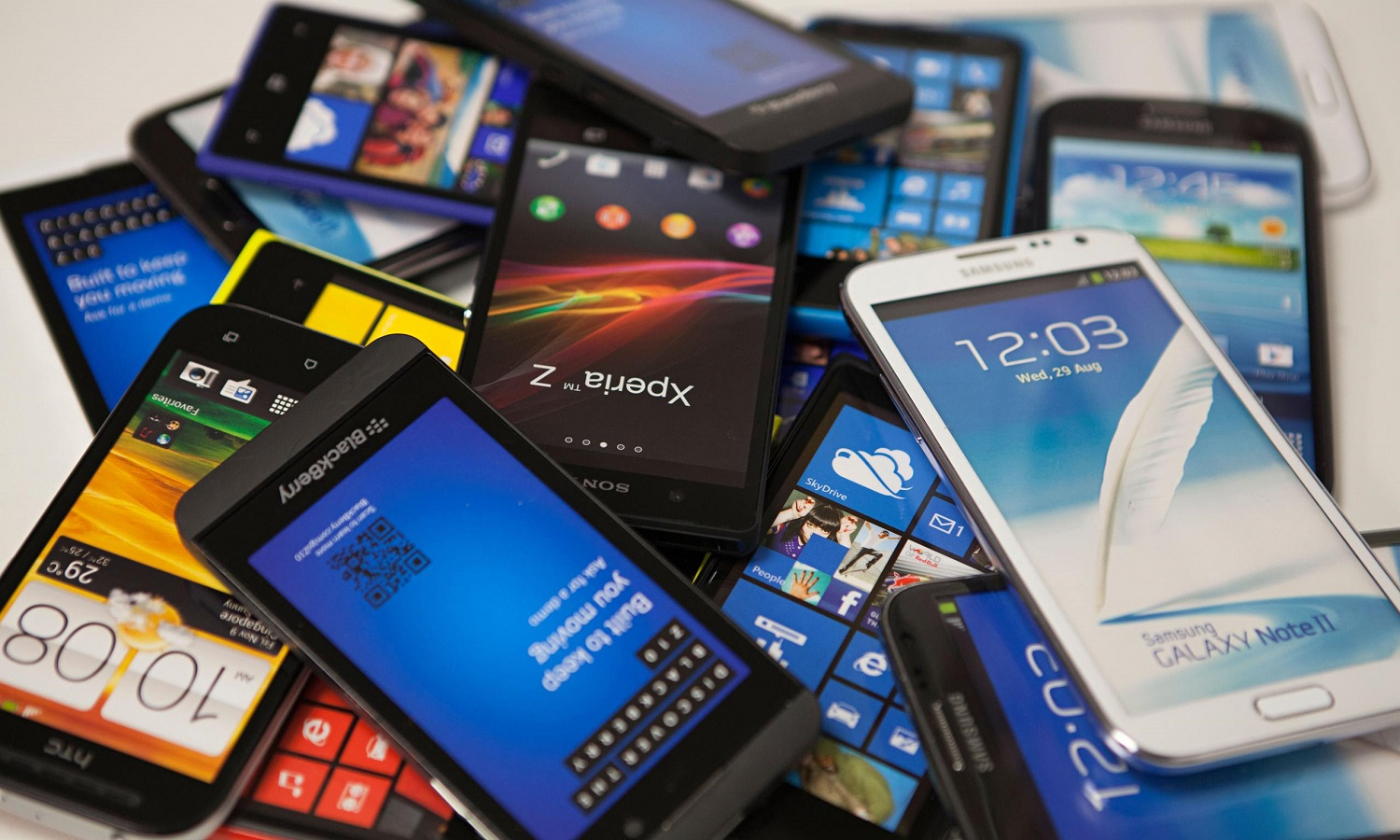
Under the enhanced Type Approval Compliance framework, the NCC will work with Customs to strengthen checks on communication equipment entering Nigeria. This means devices that do not meet approved technical and regulatory standards could face scrutiny at the border before reaching market shelves.
The Commission also plans to electronically authenticate the Type Approval status of SIM-enabled devices. Existing stock is being registered on the system, while incoming imports are expected to undergo authentication and verification before accessing telecom networks.
Type Approval is not a new requirement. Section 132(2) of the Nigerian Communications Act 2003 requires relevant providers, manufacturers and suppliers to obtain approval before communications equipment is sold or deployed in Nigeria. The difference now appears to be strict enforcement.
That distinction matters, because a regulation can exist for years, but its effectiveness depends on whether there is a practical system for identifying and stopping non-compliant products.
What Should Consumers Know?
The NCC says the goal is consumer protection and stronger network integrity. Unapproved or substandard equipment can potentially affect network performance and make regulatory monitoring more difficult.
For consumers, the most immediate advice is simple: pay greater attention to what you are buying. The NCC has urged Nigerians to verify the Type Approval status of SIM-enabled devices before purchase.
However, the questions that will emerge during the course of implementation are considerable.
How easily can consumers verify a device? What happens to equipment already in circulation? How will the system distinguish genuinely compliant devices from counterfeit or cloned products?
These questions will determine how the policy affects ordinary Nigerians, retailers, and importers.
Nigeria is not necessarily banning phones or declaring every device sold outside an official store illegal. The focus, based on the NCC's announcement, is on ensuring that communication devices entering, marketed, and operating within the country meet approved standards.
The real test will be whether enforcement works consistently from the border to the marketplace. If it does, Nigerians may eventually find it harder for counterfeit and substandard devices to enter their networks in the first place.