Five Things in Nigeria You Didn't Know France Helped Build
France wants more investment in Nigeria, but what has its money built so far? From Egina oil field to Lafarge cement and renewable energy, here are five major investments.
France and Nigeria want more French money in the country’s energy sector. Both sides called for more investment in oil and gas at an energy roundtable during the 2026 French Week in Lagos. They also called for more technology transfer, local content and infrastructure expansion.
More than 100 French companies already operate in Nigeria with the bilateral trade reaching about $4.7 billion in 2025.
Amidst this call for more investment, it is necessary to look back and ask: what has France actually built in Nigeria?
Here are five investments, the sectors they covered, the companies behind them and how they affected the economy.
Why France Is Pushing for More Investment in Nigeria
Nigeria is France’s largest trading partner in sub-Saharan Africa. It is also the leading destination for French investment in West Africa.
Business France brought a dozen French companies to Nigeria on an oil and gas mission in June, and the energy roundtable during French Week builds on that.
For Nigeria, the attraction is capital and technology for an energy system that still leaves millions without dependable power.
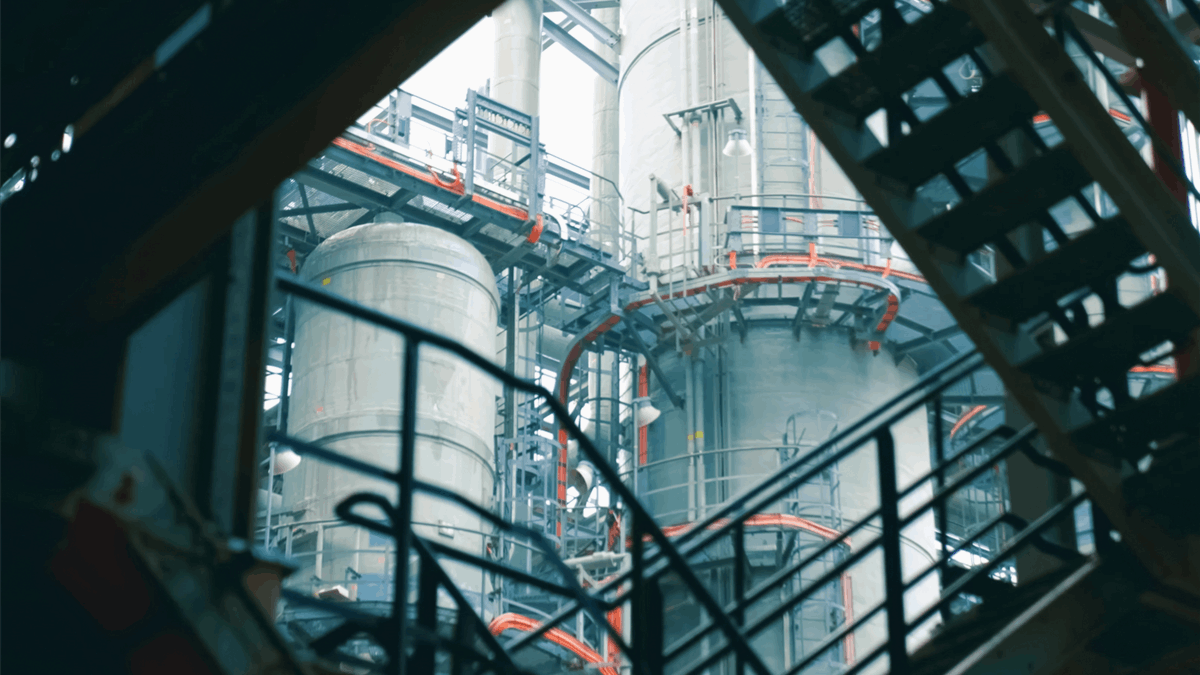
TotalEnergies and the Egina Oil Field
This company is in the upstream oil and gas sector. Total Upstream Nigeria Limited operates the OML 130 licence with a 24% interest alongside NNPC and other partners.
Egina started production on December 29, 2018, which is about 150 kilometres offshore in water up to 1,700 metres deep. Its floating production unit is the largest TotalEnergies has ever built and produces 200,000 barrels a day, close to 10% of Nigeria’s oil output.
Egina followed the Akpo field, which came on stream in 2009, and TotalEnergies also operates the onshore OML 58 licence with NNPC.
This company has more than 48 million hours of work in Nigeria up its sleeves, which is 77% of the project workload, and over 600,000 hours of local training were delivered. Six of the 18 FPSO modules were built and integrated locally, and a new 500-metre quay was constructed for assembly.
Those skills and facilities stay in the country long after the vessel starts producing. In 2019, Egina also became the first Nigerian oil project to achieve zero routine flaring.
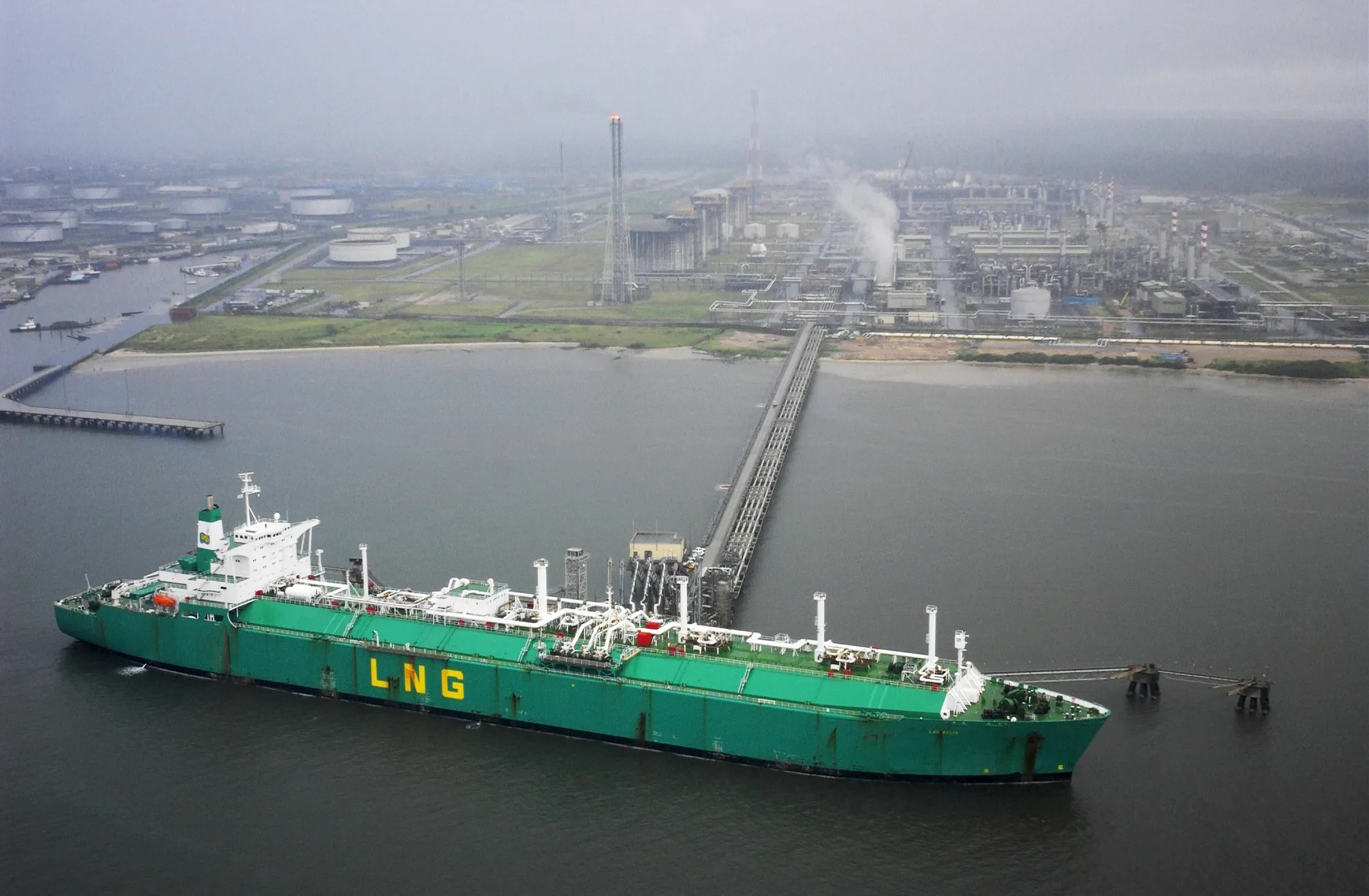

Nigeria LNG
TotalEnergies holds 15% of Nigeria LNG Limited in the liquefied gas sector. The plant runs six liquefaction trains on Bonny Island.
Gas produced at Egina is compressed and sent to the NLNG terminal, and in 2024 TotalEnergies and NNPC made a final investment decision on the Ubeta gas field, earmarked to feed NLNG Train 7.
Gas that could have been flared becomes an export product that brings in foreign exchange. It also shows how France’s upstream and gas investments feed each other. Feeding a seventh train would expand a plant that already runs six.
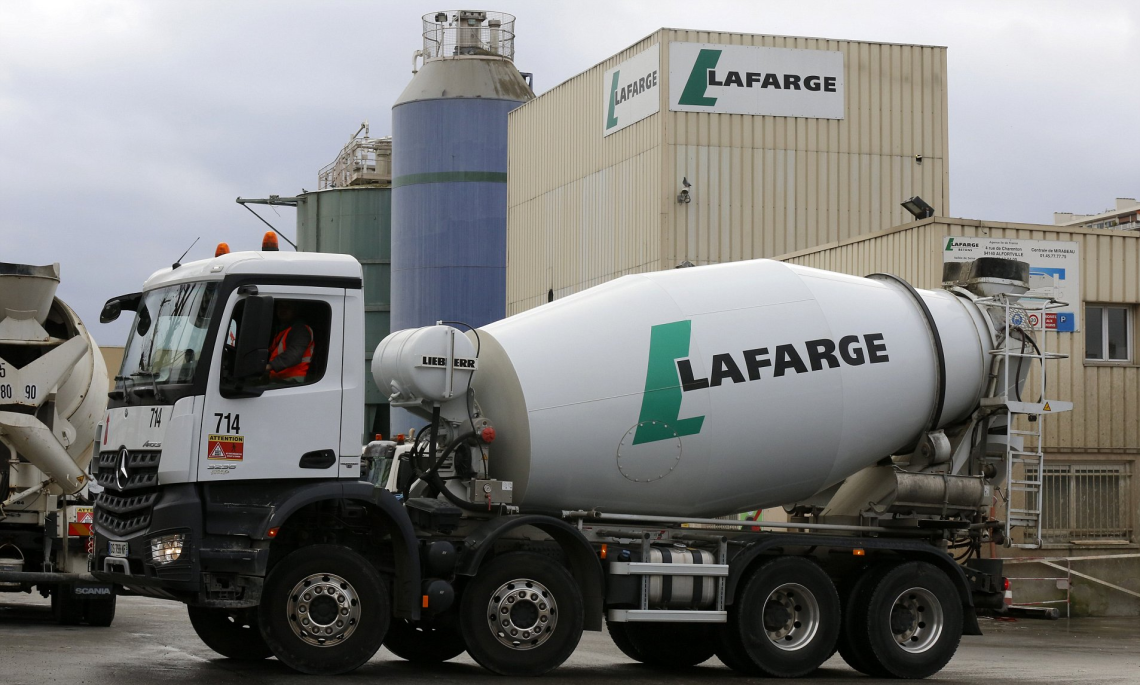
Lafarge Africa
Lafarge Africa Plc, which grew out of the West African Portland Cement Company, was founded in 1959, and it operates in Nigeria’s building materials sector. France’s Lafarge became the majority owner when it acquired Blue Circle in 2001, and the company was renamed Lafarge Cement WAPCO Nigeria in 2008.
It became Lafarge Africa in 2014 after Lafarge merged with Holcim.
The company has birthed four plants at Ewekoro, Sagamu, Ashaka and Mfamosing and they produce 10.5 million tonnes of cement a year, with ready-mix concrete plants in Lagos, Ogun, Port Harcourt and Abuja.
That capacity supplies housing, roads and commercial buildings.
Bolloré and Tin Can Island Port
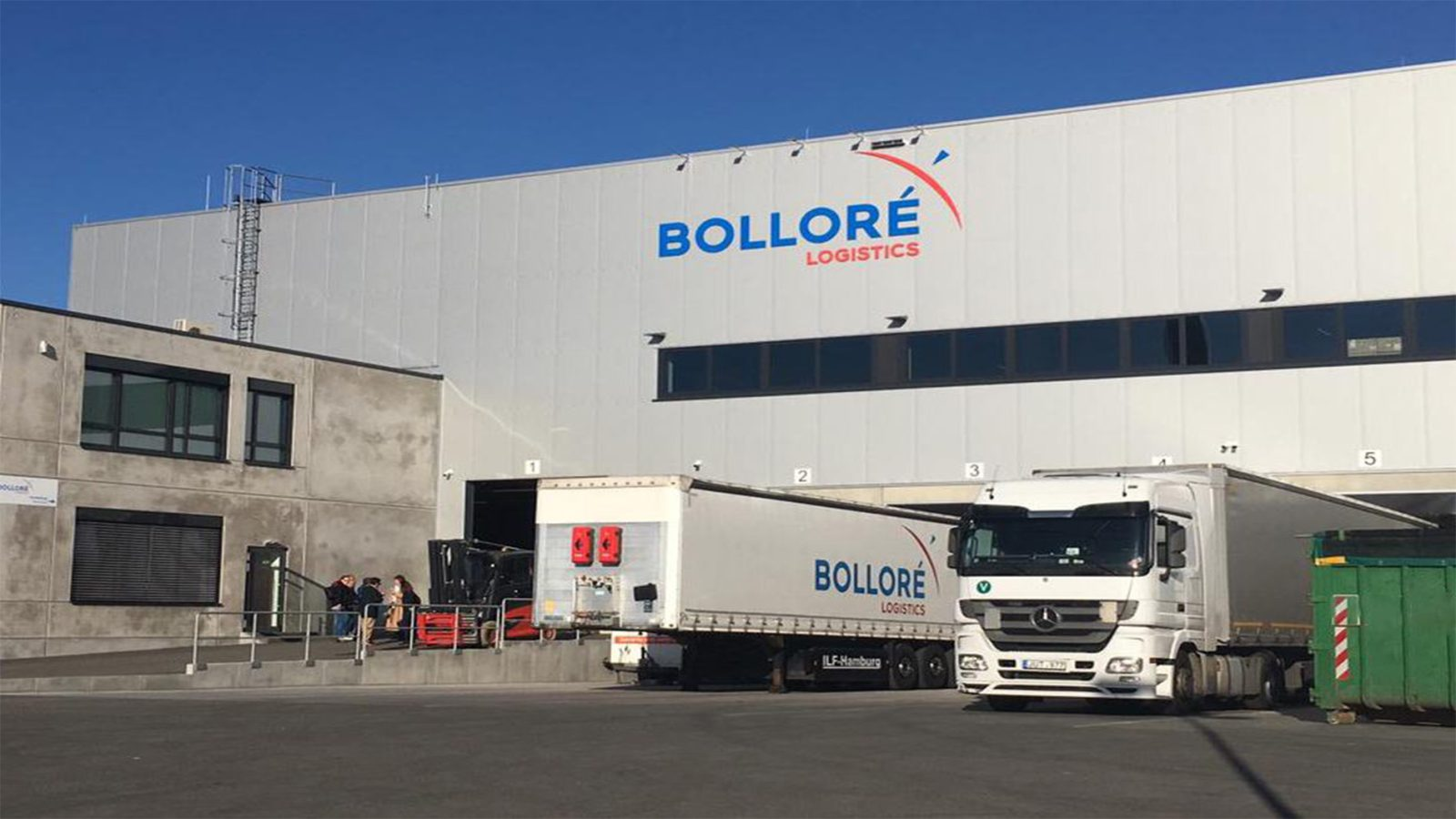
In the ports and logistics sector of Nigeria, Bolloré Africa Logistics, whose subsidiary operated the Tin Can Island Container Terminal (TICT) in Lagos, is another worthy investment to name.
Bolloré sold its African logistics arm to MSC in a €5.7 billion deal completed in December 2022, and the business has been rebranded Africa Global Logistics.
This business’ container terminals are where Nigerian imports and exports move, so private concessions like TICT brought operator capital and port jobs into the trade system. After the sale, TICT management assured workers there would be no retrenchment.
AFD and SUNREF
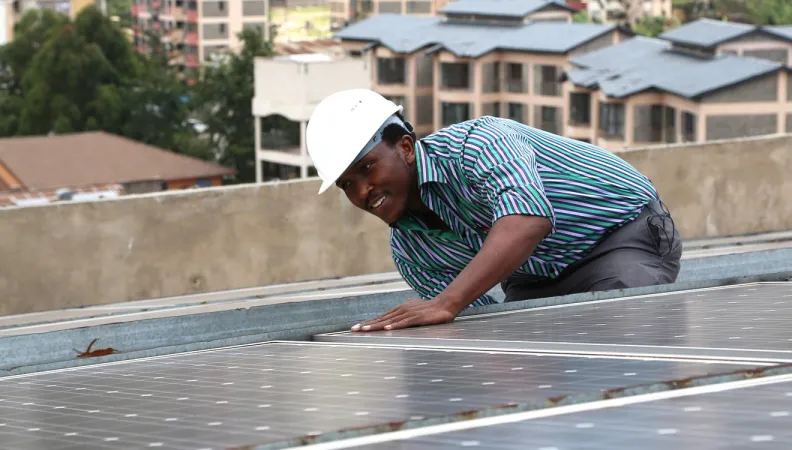
In the renewable energy, water and agriculture sector, there also existsthe French Development Agency (AFD) and its private-sector arm, Proparco.
Through the SUNREF programme, AFD granted $70 million for renewable energy and energy efficiency projects, disbursed through Access Bank and UBA. Over 17 years, AFD has backed 57 projects across 23 states, mobilising more than €3.3 billion, including over €1.1 billion through Proparco.
This money targets the electricity gap. Nigeria needs roughly 14 gigawatts of new generation capacity and about $10 billion to close it.
AFD-backed projects have also improved access to safe drinking water for over one million Nigerians, and France is supporting a pilot small hydropower project in Katsina State.
What French Investment Has Meant for the Nigerian Economy
Nigeria accounts for about 60% of French investment in West Africa, and French companies in the country employ more than 16,000 people. Energy is the core, from oil fields to gas to renewables, while firms such as Danone, Schneider Electric and CMA CGM keep expanding in consumer goods, power equipment and shipping.
The record is mixed. The cement and logistics businesses have since passed to Chinese and Swiss owners, and French investors have in the past complained about unclear fiscal rules in oil and gas. TotalEnergies is staying, with a deal to lift its stake in the OPL257 block to 90% as a tie-back to Egina.
The new push for French investment in Nigeria’s energy sector will mean something only if it delivers new capital. Clear fiscal terms and real power sector reform will decide that.
Watch the Ubeta gas project, the Egina South tie-back and the Katsina hydropower pilot, because those are where the next wave of French money is most visible.