₦70,000 Transport Allowance for Federal Workers: Government for Its Workers or All Nigerians?
Is Nigeria's government prioritising federal workers over millions of Nigerians struggling with rising transport costs? What happens after six months of the FG’s ₦70,000 transport allowance, and is the timing politically motivated?
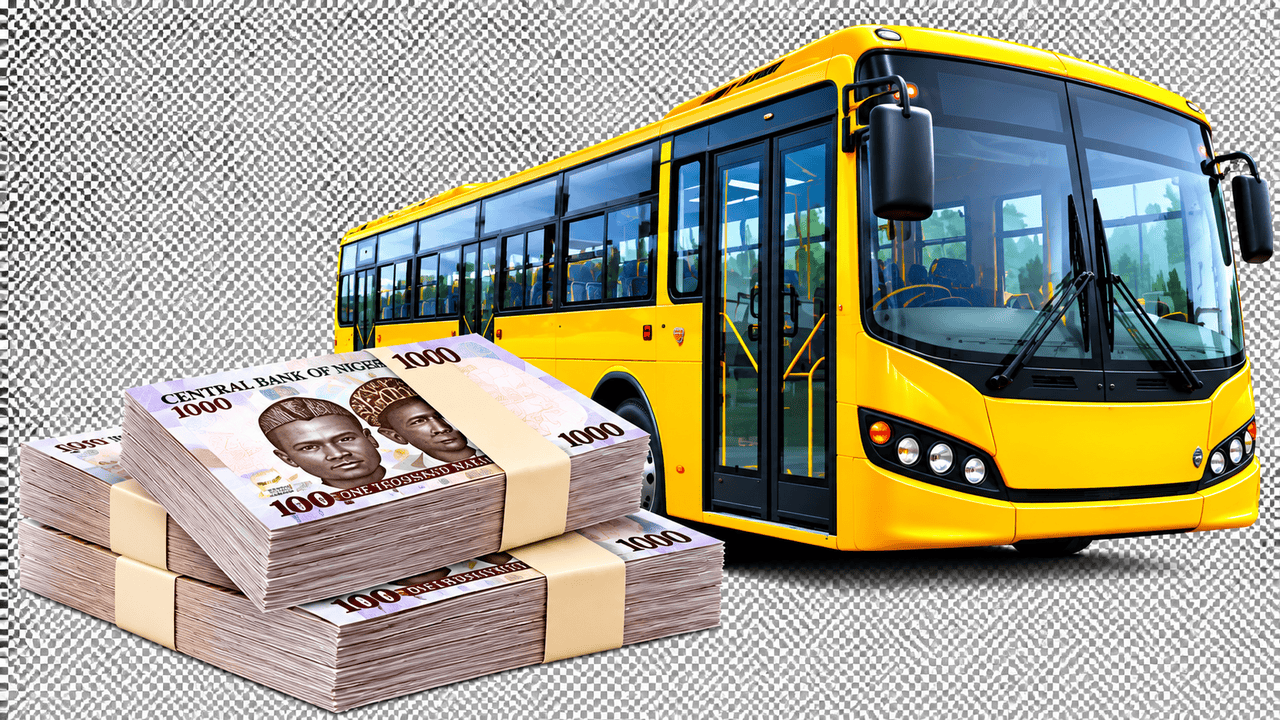
A federal civil servant and a woman who sells provisions in a Lagos market may have very different working lives, but they face the same problem when transport fares go up and both have to spend money to get to where they need to go.
Now that the Federal Government has approved a ₦70,000 monthly transport allowance for public service workers for six months, beginning in November 2026, it is a welcome offer for those who receive it, but then, what about the Nigerians who face the same transport costs but will not receive the allowance?
What the ₦70,000 Transport Allowance Covers and Who Stands to Benefit
Under the agreement with the Nigeria Labour Congress (NLC), eligible public service workers will receive ₦70,000 monthly for six months.
The agreement also includes the payment of outstanding peculiar allowances dating from May 1, 2026, in three installments, and 19 months of outstanding health workers' allowances within three months from December.
However, the agreement does not specify the exact dates for the transport payments or how they will be disbursed.
State and local government workers are also not guaranteed automatic payment.
Their administrations are expected to participate in the arrangement, while unions are expected to push for its implementation at those levels.
Private-sector workers, traders, artisans, self-employed Nigerians and jobseekers are not covered by the agreement, even though they also spend money getting to work, running their businesses and looking for jobs.
Do their transport costs become less important because they do not work for the government?
A Government for Federal Workers or for All Nigerians?

Federal workers deserve support, there is no argument about that.
They have every right to demand better working conditions, and the NLC has a responsibility to negotiate for them.
But the government needs to be clear about the purpose of this allowance. Is it an employment benefit for federal workers, or an intervention to help Nigerians cope with the rising cost of living?
If it is an employment benefit, then the government should explain it as part of its responsibility to the people working in its establishments. If it is meant to address the wider transport burden, then its limited coverage deserves greater scrutiny.
The cost of this particular agreement also deserves attention.
The Punch estimated that the six-month intervention could cost ₦465.7 billion if all 1,108,800 employee records on the federal payroll system qualified.
That figure is an estimate based on payroll records, not a confirmed programme cost. The actual amount will depend on how many workers meet the eligibility requirements and receive the payments.
Nobody is saying public servants should be left to struggle with transport fares. They deserve support, just like other Nigerians who are finding it difficult to afford their daily movement. But when the government has to choose where to direct public funds, should the needs of one group be the only ones receiving attention?
The responsibility of the government extends beyond the people whose salaries it pays. We all contribute to the economy in different ways, and public spending should reflect that wider responsibility.
Beyond Six Months: Where Is the Long-Term Transport Plan?
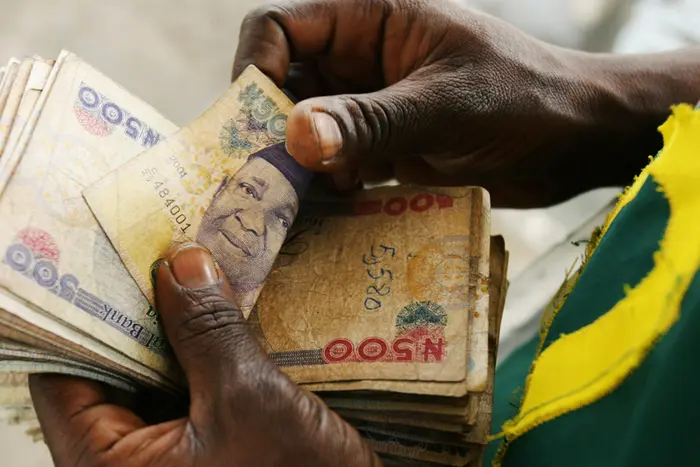
Six months will pass, the allowance will end, but the cost of getting to work will still be there. Workers will still have to pay bus fares, board keke and deal with whatever transport costs they face every day.
Are we going to have this same conversation again when the payments stop?
The government has talked about making transportation cheaper through its National Affordable CNG Transit Programme. It has reported reduced fares on some routes in Oyo, Adamawa, Enugu and Plateau, as well as free CNG-powered bus services in Kaduna.
These are welcome developments, but how many Nigerians can actually benefit from them?
If the cost of running these vehicles remains high, will transport operators pass any savings on to passengers?
We cannot keep giving people temporary money to cope with expensive transportation without paying equal attention to why getting around has become so costly in the first place.
Relief or Political Gimmick?
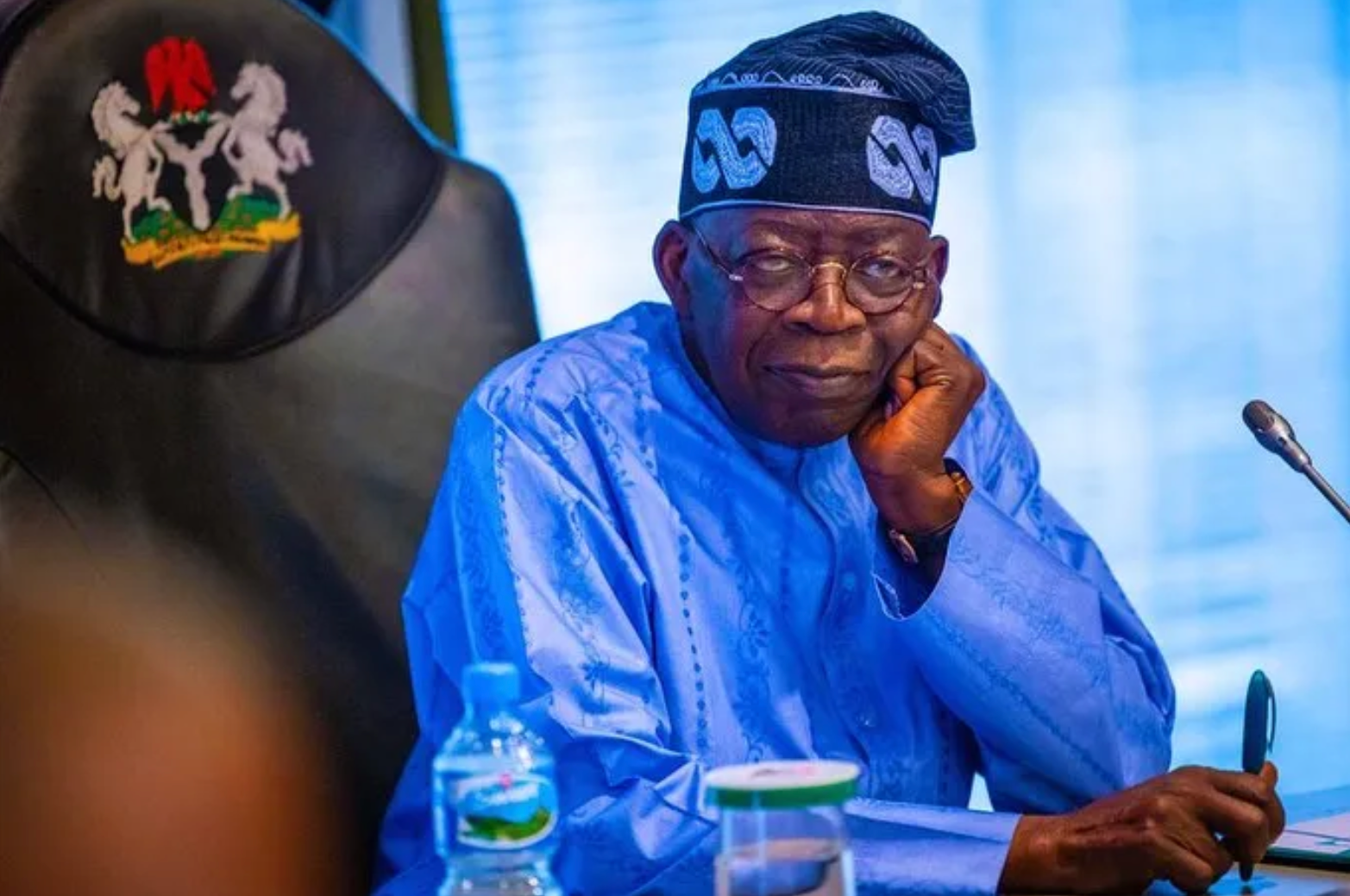
Is it unreasonable to question whether this allowance has anything to do with the 2027 general elections?
Why is the government introducing it now, when transport costs have been a burden on Nigerians for years?
Why is the payment limited to six months?
And why does the relief cover public service workers while millions of other Nigerians facing the same transport costs are left out?
These questions are difficult to ignore, especially with the elections approaching.
The government may have its reasons for introducing the allowance at this time, but it should understand why Nigerians would question the timing and the decision to make it a temporary intervention.
The Trade Union Congress (TUC) has also rejected the agreement, arguing that workers need a substantial and dependable salary increase, not another allowance that will expire after six months. Pensioners have raised concerns about their exclusion too, pointing out that they still have to pay for transport to hospitals, markets and other places despite living on limited pensions.
Workers who receive the money may find it useful, and that should not be dismissed. But the government still needs to explain what happens when the six months are over and why other Nigerians struggling with the same costs have been left outside the arrangement.
The government is responsible for more than the people whose salaries it pays. Its decisions must reflect that.