Kemi Badenoch Says Africans Profited From Slavery. Let's Talk About Britain's Crimes in Africa
Kemi Badenoch says Africans profited from slavery, but Britain's colonial atrocities tell a different story. Here are 10 crimes that explain why Africa still demands an apology.
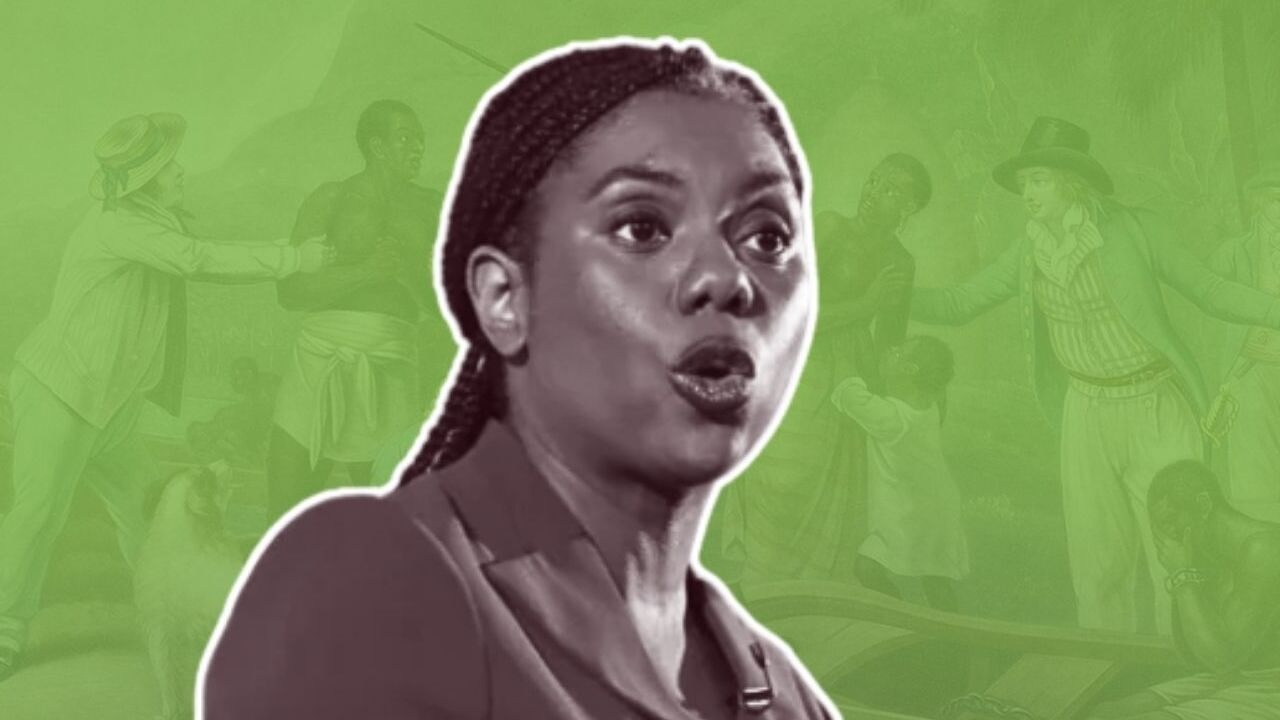
Britain's Prime Minister, Andy Burnham, has opened the door to a formal apology for slavery. In an opinion piece published on Friday, he offered talks on whether to issue an official state apology, while ruling out reparations.
Kemi Badenoch answered by calling the idea a navel-gazing distraction. She said slavery was an evil in which people from every continent took part, and she pointed to the African rulers and merchants who also sold captives.
The Conservative leader, who is Nigerian-born, with Nigerian-roots, and spent part of her childhood in Lagos, is arguing against an apology that Africans have waited generations to hear.
Her remark introduces a bigger question: what did Britain actually do in Africa, and why does the demand for a British apology over slavery and colonialism refuse to go away?
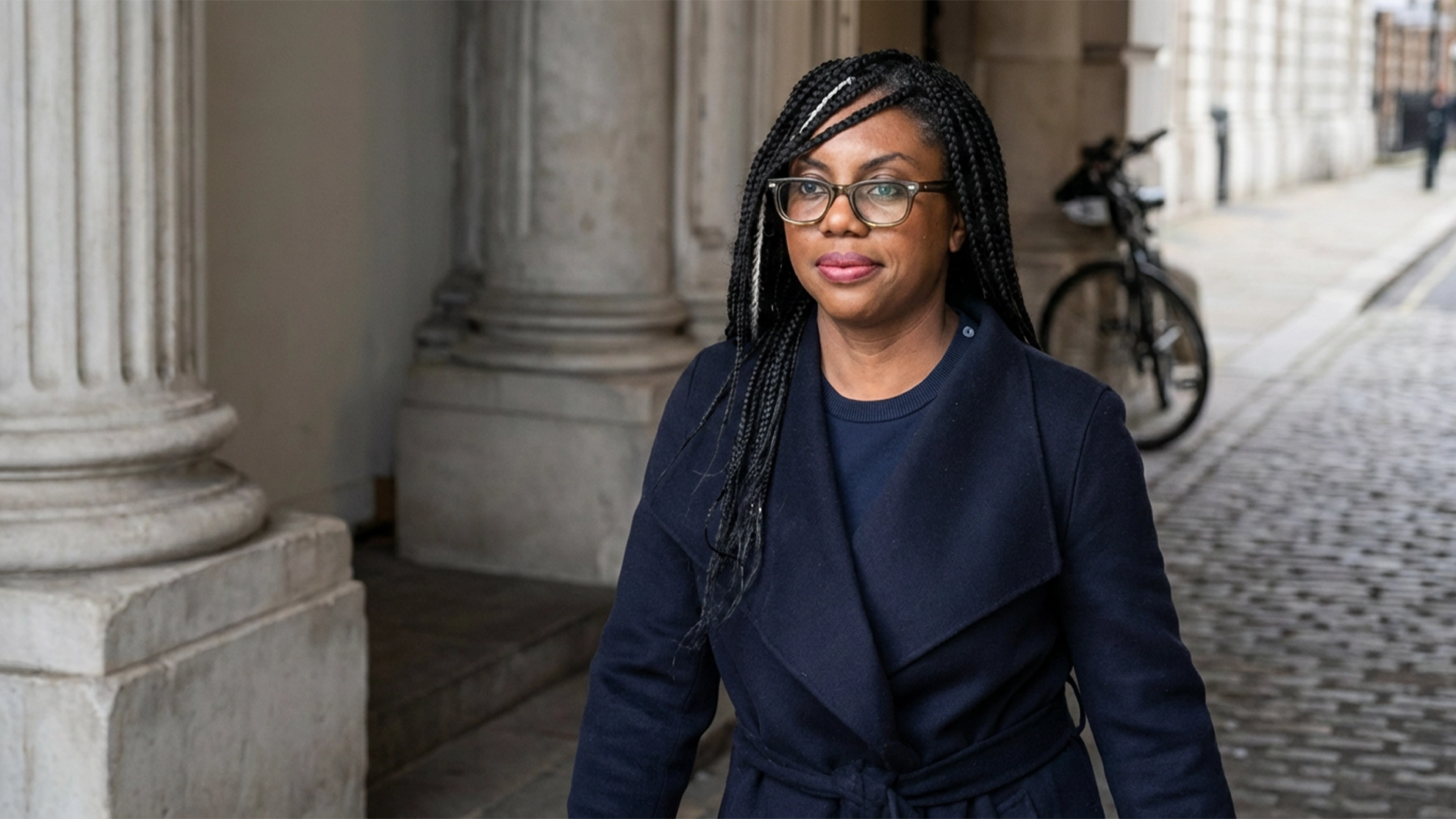
What Kemi Badenoch Said About the Slave Trade and Why It Stung
Kemi insists that slavery was global, Britain helped end it, and the only thing an apology would attract is reparation claims over events from centuries ago.
She also added that some African rulers and merchants sold captives, and her supporters see little case for a British apology.
It stung because of who delivered it. Critics say a person of Nigerian heritage who repeats the imperial version of history this comfortably has become whitewashed: she has absorbed the colonizer's story and lost sight of her own roots.
That is a judgement about her politics, and that is the explanation many Africans have reached for.
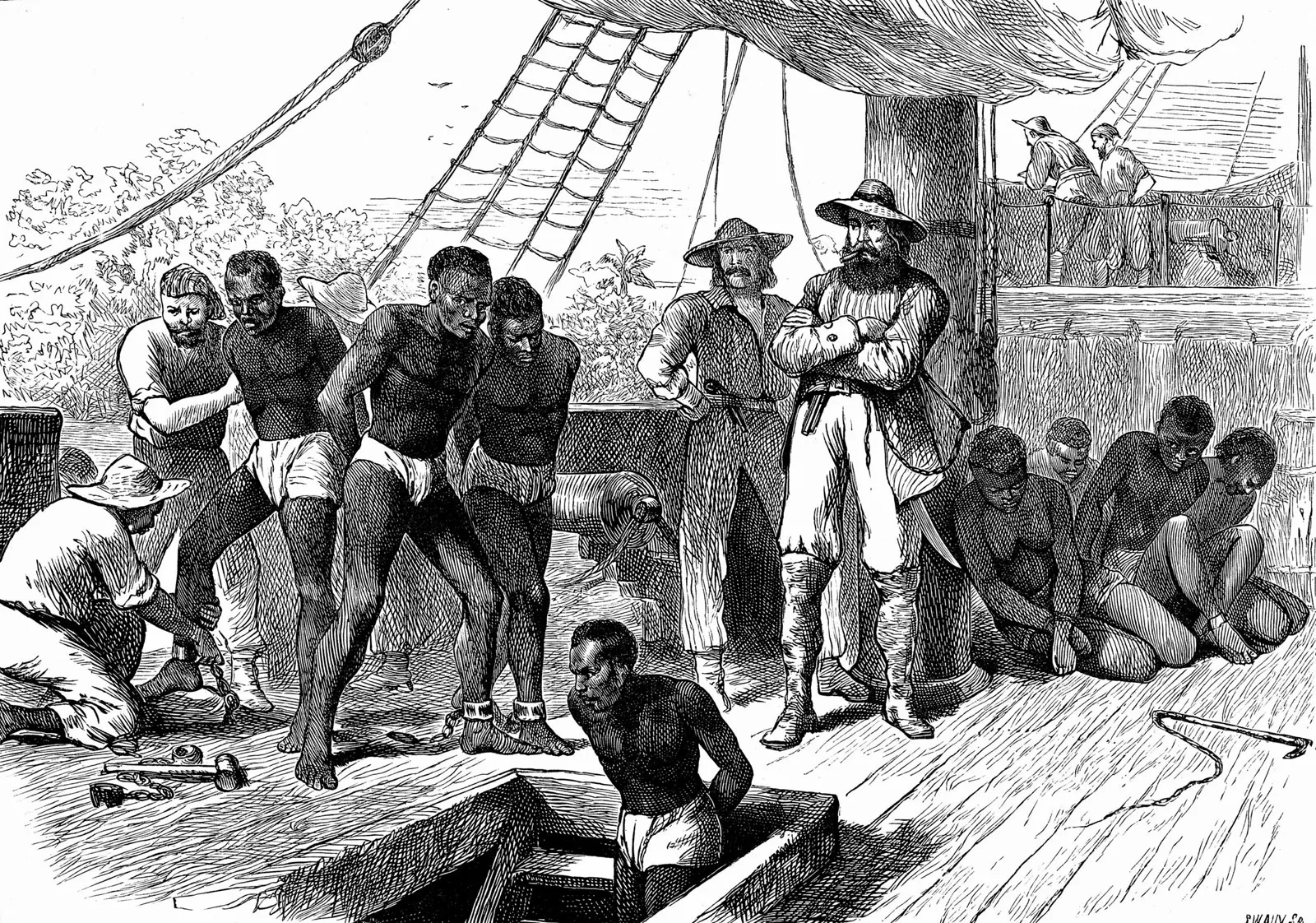
Did Africans Profit From the Slave Trade? Yes, but Britain Still Owes an Apology
Some African kingdoms and merchants did sell captives. No historian has ever changed that detail.
However, the transatlantic trade was a European system, and by 1730, Britain was the world's top slave-trading nation, shipping roughly 3.1 million Africans.
The Slavery Abolition Act was passed in 1833, but slavery did not end all at once in 1834. Many formerly enslaved people were forced into an apprenticeship system that lasted until 1838. Meanwhile, the government approved £20 million to compensate slave owners, not the enslaved.
Britain has never formally apologised. Regret has been expressed, including by King Charles in Kenya, but regret is not an apology. And selling a captive does not make the buyer innocent, nor does it cancel what followed: colonial conquest.

10 Lesser-Known British Atrocities in Africa
These ten chapters of British colonial violence rarely reach the school curriculum.
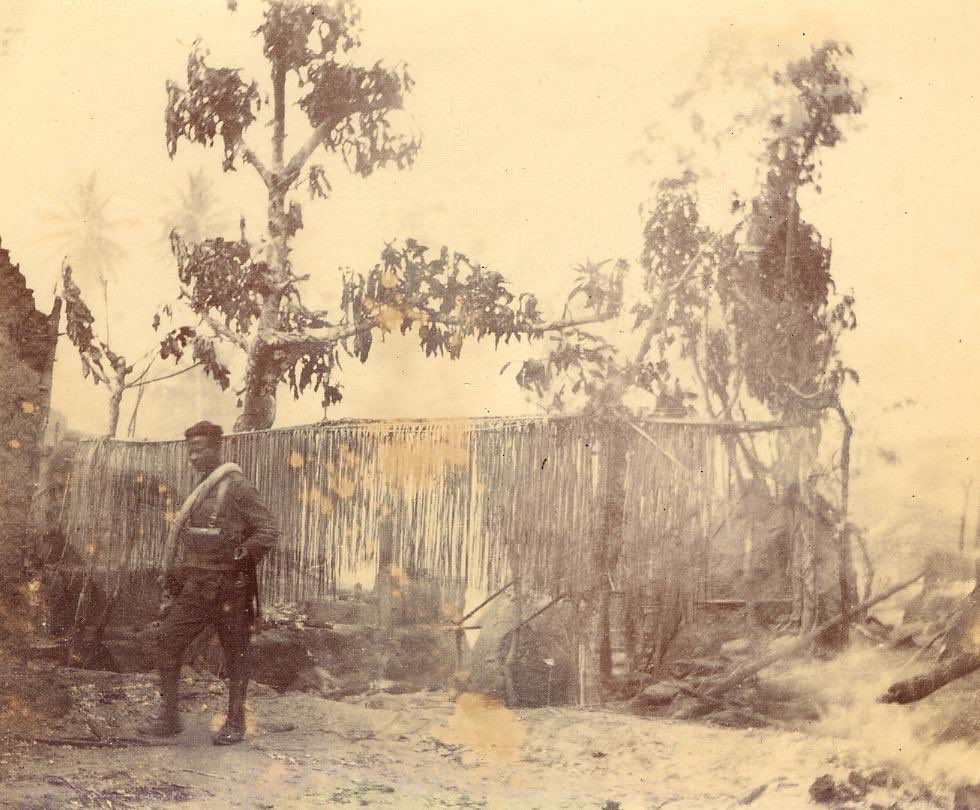
1. Burning Arochukwu, Nigeria (1901 to 1902)
British forces took Arochukwu, burned it, and said they destroyed the Ibini Ukpabi shrine they called the Long Juju. Sacred groves were cut down. The campaign was sold as a crusade against slavery. In practice it opened the Igbo interior to British control.
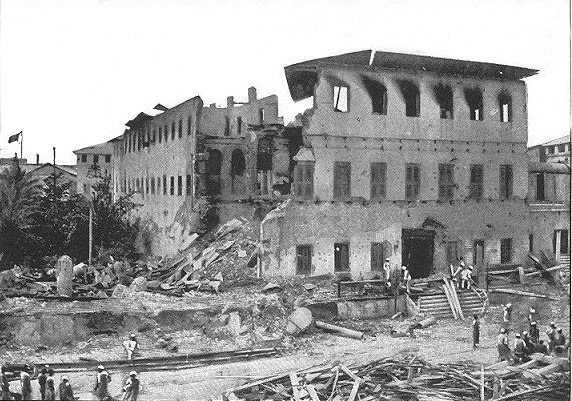
2. The 38-Minute Bombardment of Zanzibar (1896)
A sultan took the throne without British approval. Royal Navy ships shelled his palace for about 38 minutes. Roughly 500 Zanzibaris were killed or wounded, while one British sailor was hurt. History books call it the shortest war ever. They are correct because it was a massacre.
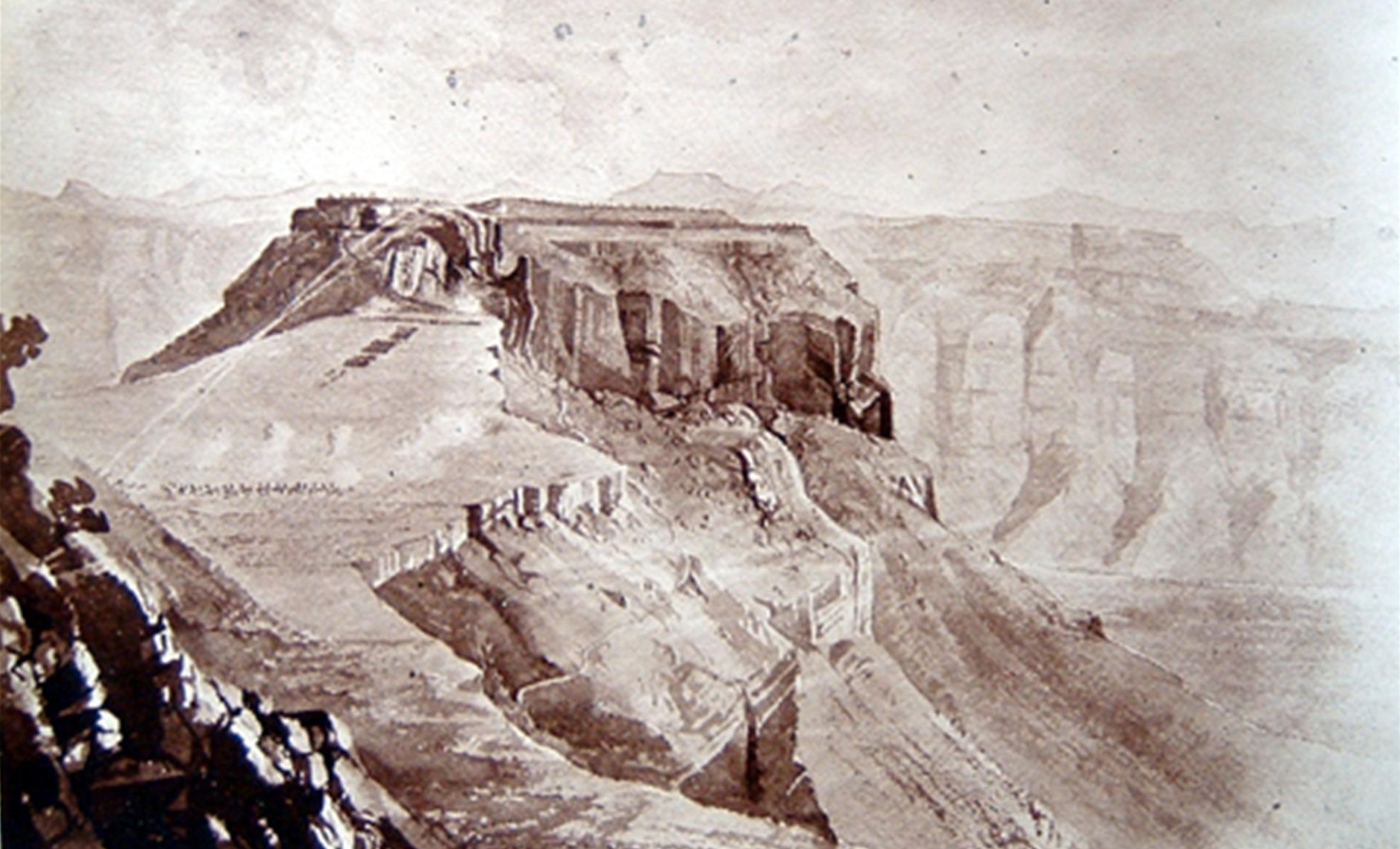
3. The Looting of Magdala, Ethiopia (1868)
After a campaign meant to free British hostages, soldiers stripped Emperor Tewodros II's fortress. Hauling the loot took 15 elephants and about 200 mules.
His seven-year-old son, Prince Alemayehu, was taken to England and died at 18. He was buried at Windsor, where Ethiopia's requests for his remains have been refused.
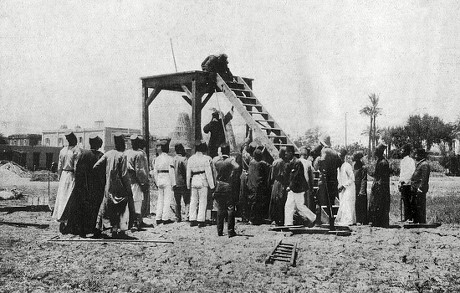
4. The Denshawai Hangings, Egypt (1906)
British officers shot pigeons that villagers relied on for income. A scuffle followed and one officer died, apparently of heatstroke.
A special tribunal hanged four villagers and publicly flogged others while the village was forced to watch.
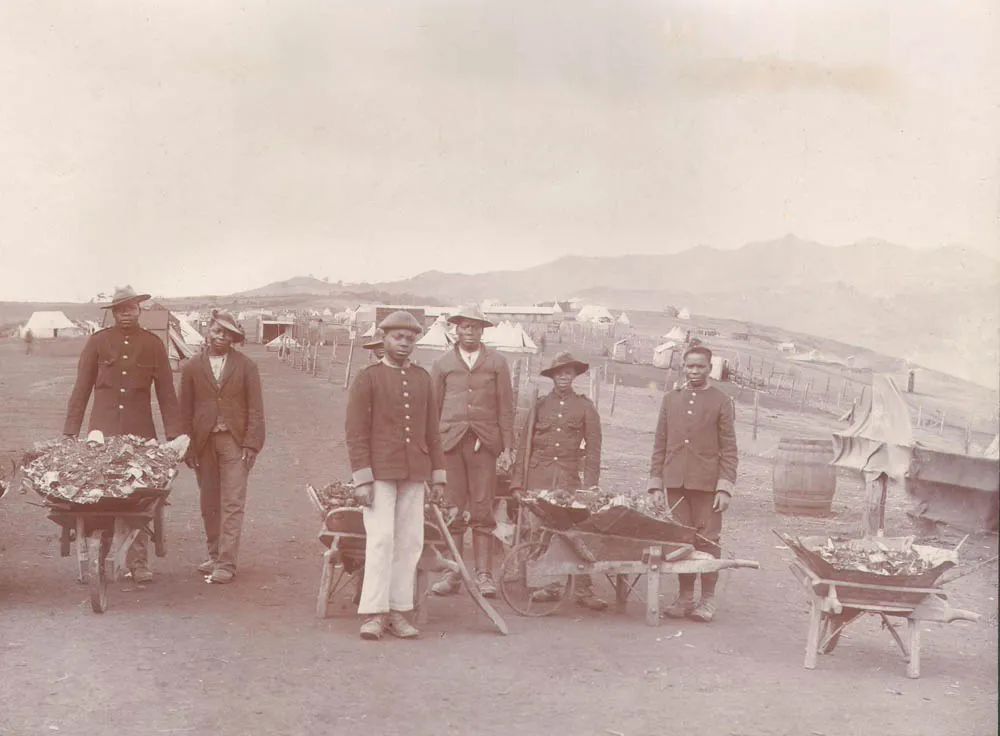
5. The Black Concentration Camps of the Boer War (1900 to 1902)
Many have heard of the camps for Boer families. Far fewer know that roughly 119,000 Black Africans were held in separate camps, made to work, fed half rations and given no nurses. An estimated 20,000 died.
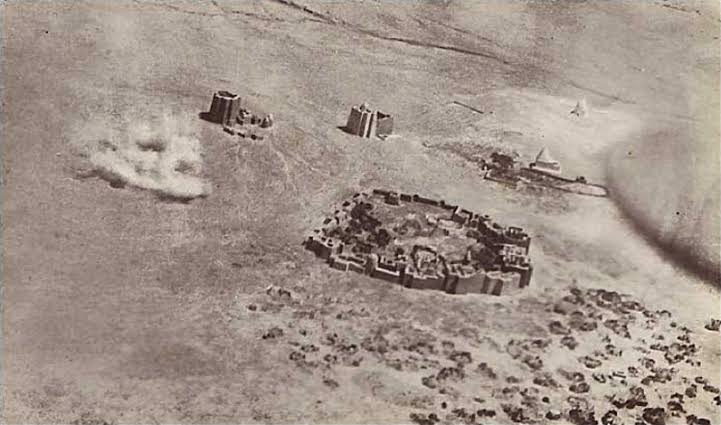
6. Bombs From the Sky in Somaliland (1920)
Britain pioneered "aerial policing" here. A small RAF unit bombed forts and camps of the Dervish movement from January 1920.
Churchill told Parliament the air campaign cost about £70,000 against millions for a ground war. Africans were the test case for cheap air power.
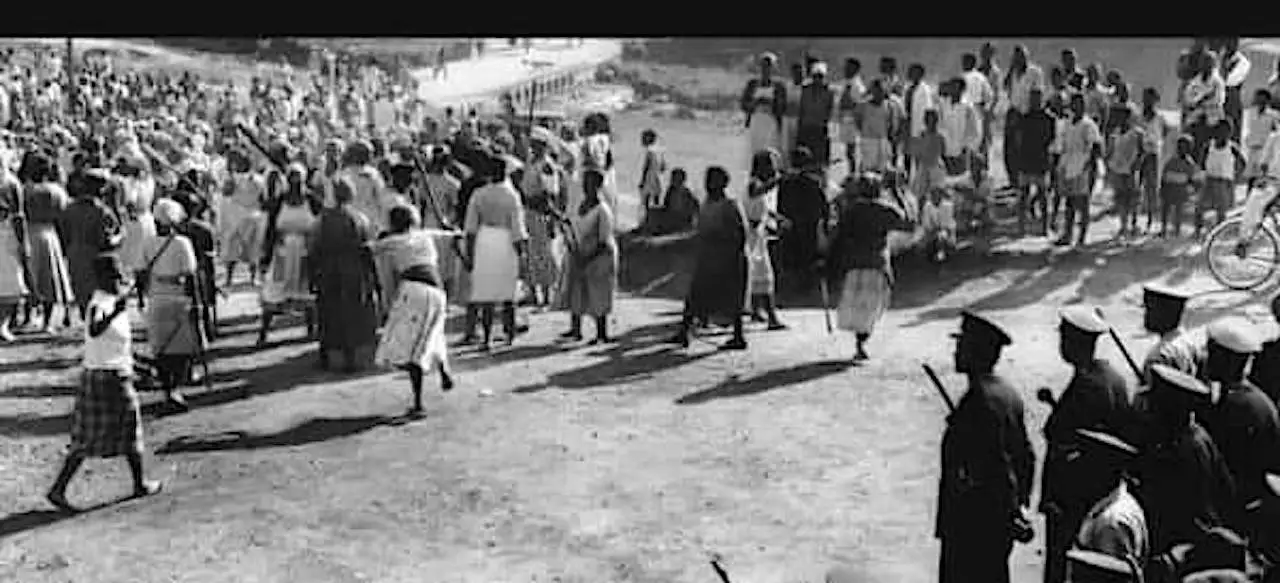
7. Shooting the Women of the Aba Women's War, Nigeria (1929)
Fears of new taxation sent thousands of Igbo and Ibibio women into the streets. Colonial troops opened fire and killed about 55 of them. Reforms followed but none of the dead came back.
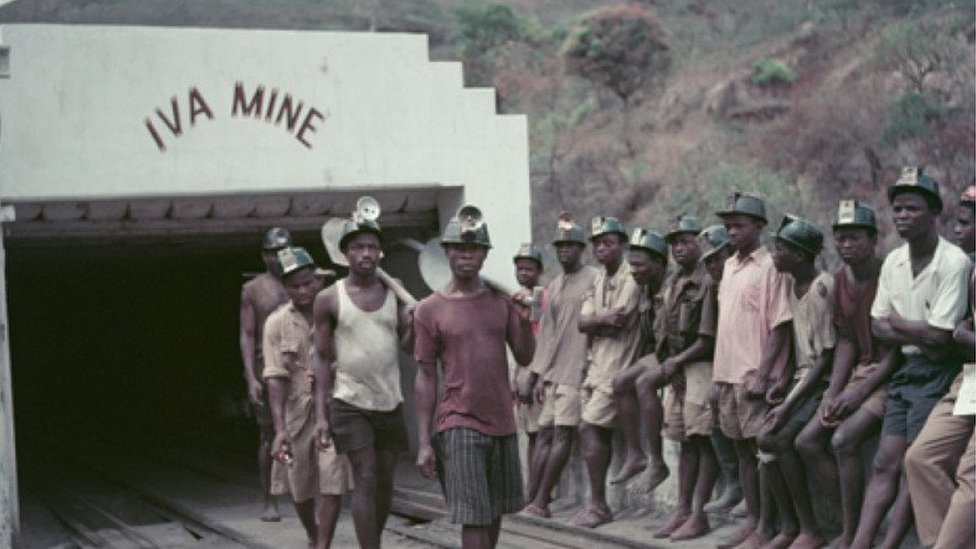
8. The Enugu Colliery Shooting, Nigeria (1949)
Police opened fire on striking miners at Iva Valley, killing 21 and wounding 51. In February 2026, an Enugu court ordered Britain to pay £20 million to each family.
A UK spokesperson said London had not been notified of the judgment.
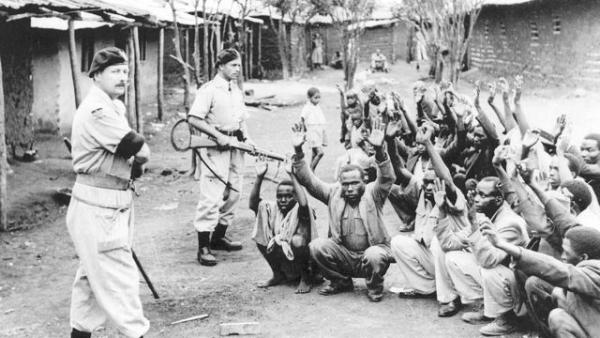
9. The Hola Massacre, Kenya (1959)
Eleven Mau Mau detainees were clubbed to death by guards after refusing forced labour. The official story was that they drank contaminated water. The post-mortems said otherwise.
No one was ever prosecuted.
10. Operation Legacy, the Burning of the Evidence (1950s and 1960s)
As colonies neared independence, officials burned or smuggled out files that could embarrass London. About 8,800 files from 37 territories sat in a secret facility until a Mau Mau court case forced their existence into the open.
The crimes were not only committed. They were carefully curated out of history.
Why Africans Still Need an Apology From Britain
An apology costs nothing, which is why the refusal says so much.
Other European governments have issued statements of regret for colonial violence. Britain, meanwhile, has settled only when courts forced its hand. In 2013, it agreed to pay about £20 million to Kenyans tortured during the Mau Mau uprising.
The ten cases above are examples, and a part of a fuller inventory. Africans are not asking Britain to continuously carry the guilt. They are asking it to apologise—say what happened in your own voice.
Nigerian families still wait for answers on Enugu. Kenyan survivors had to sue to be heard. Ethiopia has asked for a prince's remains.
When a British leader of African descent waves all this away, she tells those families that their history is a debating point.
Badenoch's defenders see it differently. They point out that Britain spent heavily to suppress the trade after 1807, through the Royal Navy's West Africa Squadron, and that today's taxpayers did not commit these acts.
They also warn that apologies open the door to open-ended financial claims. Those arguments might have logical grounds, it still doesn’t cancel the colonial record above, and acknowledging history is not the same as writing a cheque.