If You Want to Sell Your Vote in 2027 Elections, This Is How Much You Should Actually Charge
Stop charging less than you should actually be getting for your vote. We have done the mathematics, and this satirical commentary reveals what Nigerians should actually be asking for.
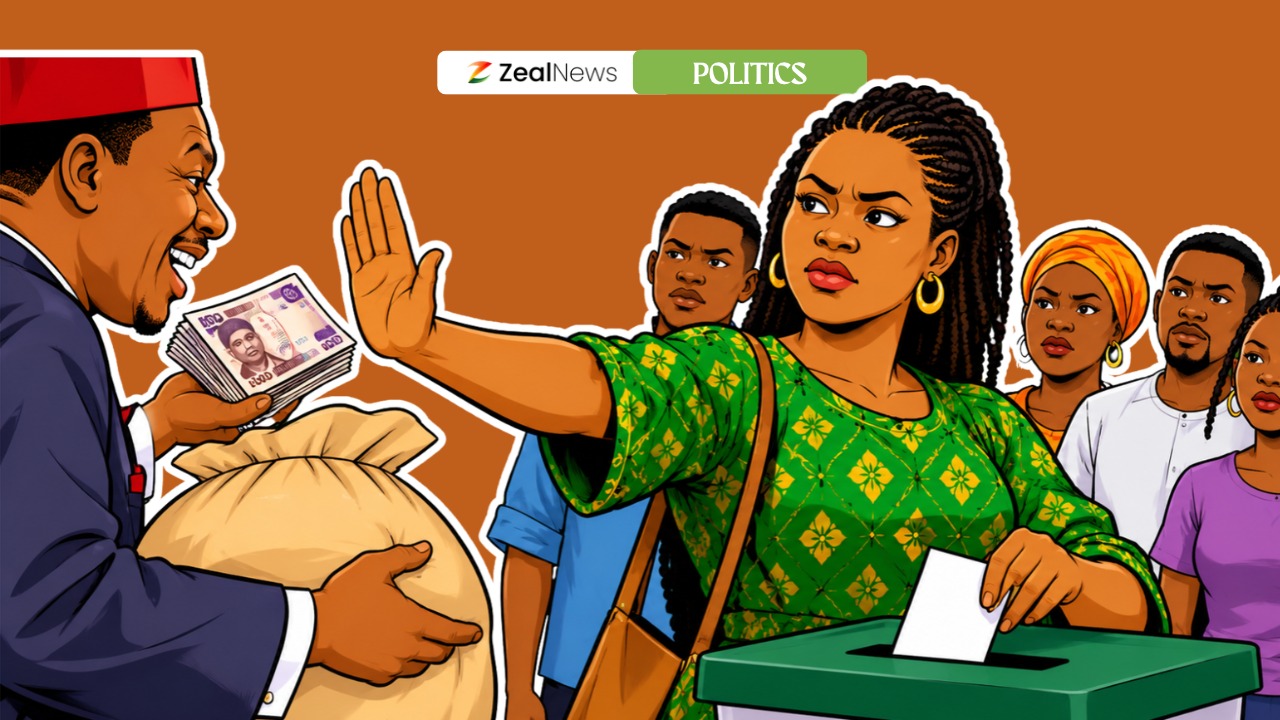
If you are going to sell your vote in Nigeria, please, for the love of your bank account, stop accepting ridiculous offers.
A politician brings you a bag of rice, gives you ₦5,000 and expects you to remember his political party for the next four years. Excuse me? Is that a campaign promise or an attempt to subscribe you to poverty premium?
I have decided to help with the negotiations. We will calculate the cost of staying alive in Nigeria, multiply it by four years and present politicians with a bill.
And before anybody gets offended, this is satire. Your vote is not actually for sale. But if politicians insist on treating elections like a marketplace, perhaps we should examine the quality of the offers being made.
How Much Does It Actually Cost to Keep a Nigerian Alive?
For this exercise, we will consider an ordinary adult living in an urban Nigerian city, sharing accommodation and trying to meet basic needs without enjoying any particular luxury.
This is an illustrative budget, not an official national cost-of-living estimate. Expenses vary depending on location, household size and personal circumstances.
Let's start with food. ₦5,000 daily. This assumes you are not particularly interested in enjoying life. You are simply trying to eat something that will allow you to function until the next day.
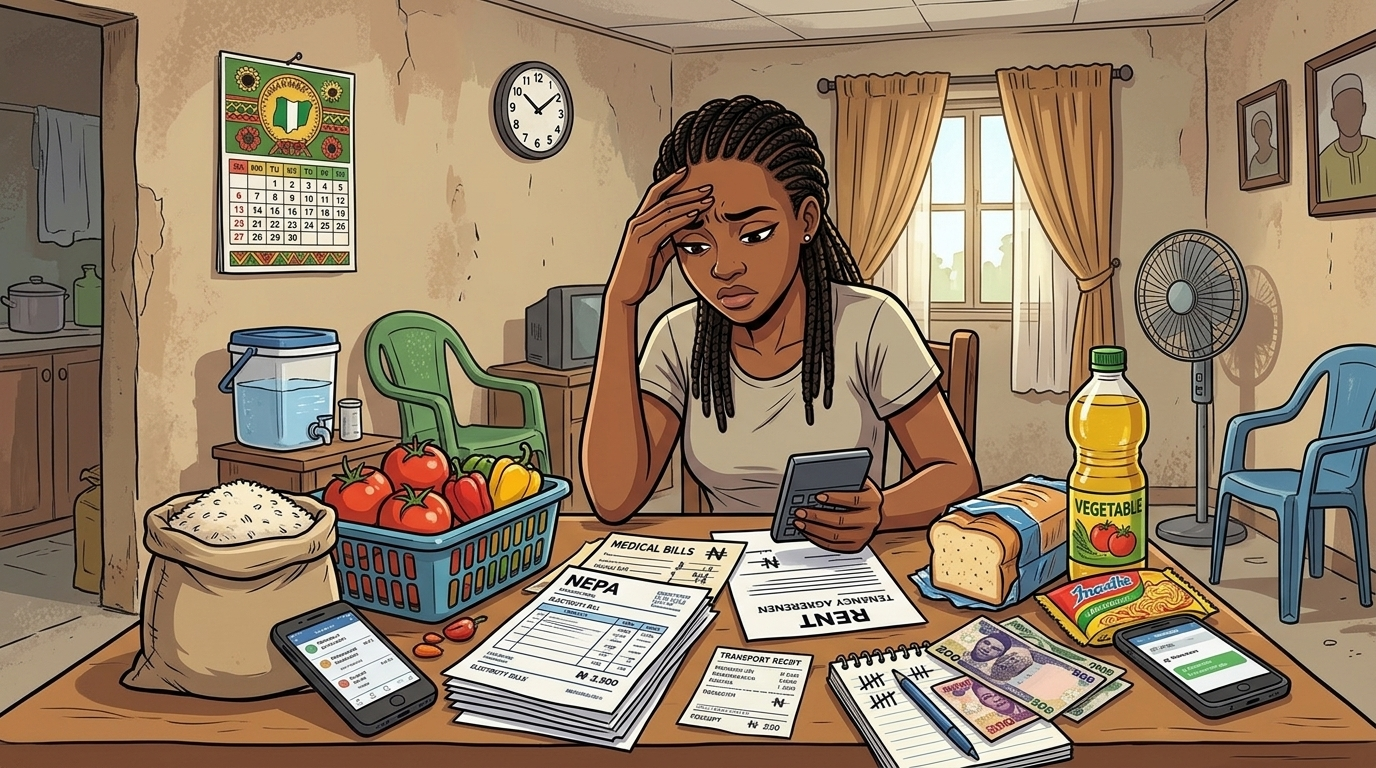
No extravagant restaurant visits, no expensive seafood and no unnecessary experiments with the price of chicken.
Transportation takes another ₦2,500 daily. Unless the politician is providing a personal driver, we cannot pretend that Nigerians teleport to work. Your campaign bus cannot carry everybody for four years.
Rent gets ₦3,000 daily. Your landlord has never attended a political rally and does not accept promises of a better Nigeria as payment. Unfortunately, the rent still has to be paid.

Electricity, cooking gas and water take another ₦1,000, and mind you, we have not even started calculating how much Nigerians spend trying to generate electricity when the national grid decides to take an unscheduled break.
Data and communication require ₦500. After all, how else will citizens complain about poor governance on social media? Even outrage requires a subscription.
Healthcare, toiletries and miscellaneous emergencies get another ₦1,000. We cannot predict when somebody will develop a fever, need medication or discover that another household essential has finished.
That brings our daily survival budget to ₦13,000.
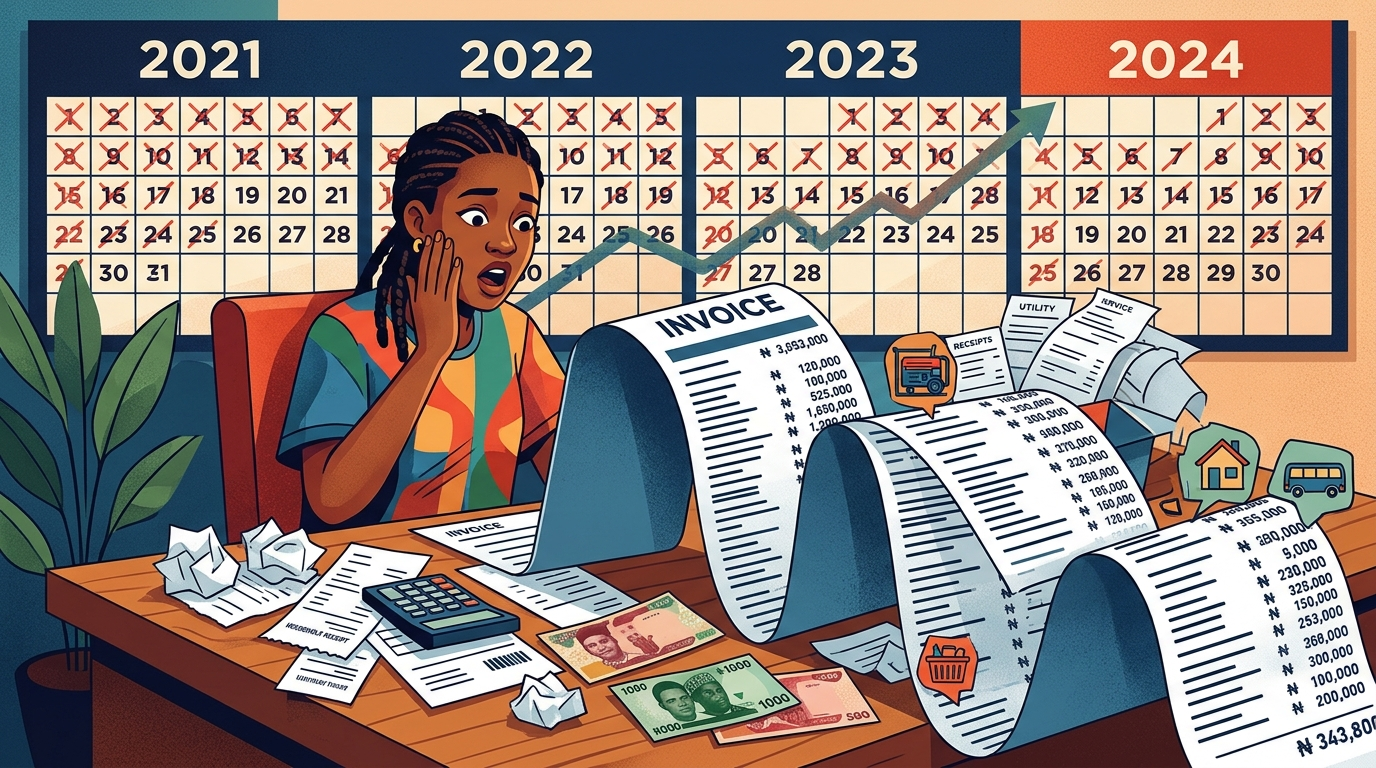
Multiply that by 30 days and we arrive at ₦390,000 monthly. In one year, that becomes ₦4.68 million. Over four years, the figure reaches ₦18.72 million.
Yes, eighteen million, seven hundred and twenty thousand naira ONLY!
And please remember that this is the survival package. We have not included holidays, birthday celebrations, school fees for children, weddings, new clothes, family emergencies or the occasional desire to buy something simply because you like it.
Apparently, we are calculating how much it costs to exist, not how much it costs to enjoy life.
Now, if you are wondering why the invoice looks so frightening, remember that Nigeria's national minimum wage is ₦70,000 monthly. Our illustrative monthly survival budget is more than five times that amount.
The National Bureau of Statistics reported headline inflation of 14.63% in September 2026, while food inflation stood at 19.59%. So, even when inflation slows down, the prices Nigerians have been struggling with do not automatically return to their former levels.
Please, What Exactly are Politicians Offering in Exchange?
Now that we have established the cost of staying alive, let us examine the offers politicians usually bring to the negotiating table.
A bag of rice...and others.
But is this a monthly subscription? Does it renew automatically? Is there a guarantee that another bag will arrive next month?
What about ₦5,000? In this economy? That amount could disappear between transportation, a few groceries and one unexpected expense. By the time the politician finishes his victory speech, the money may already be history.
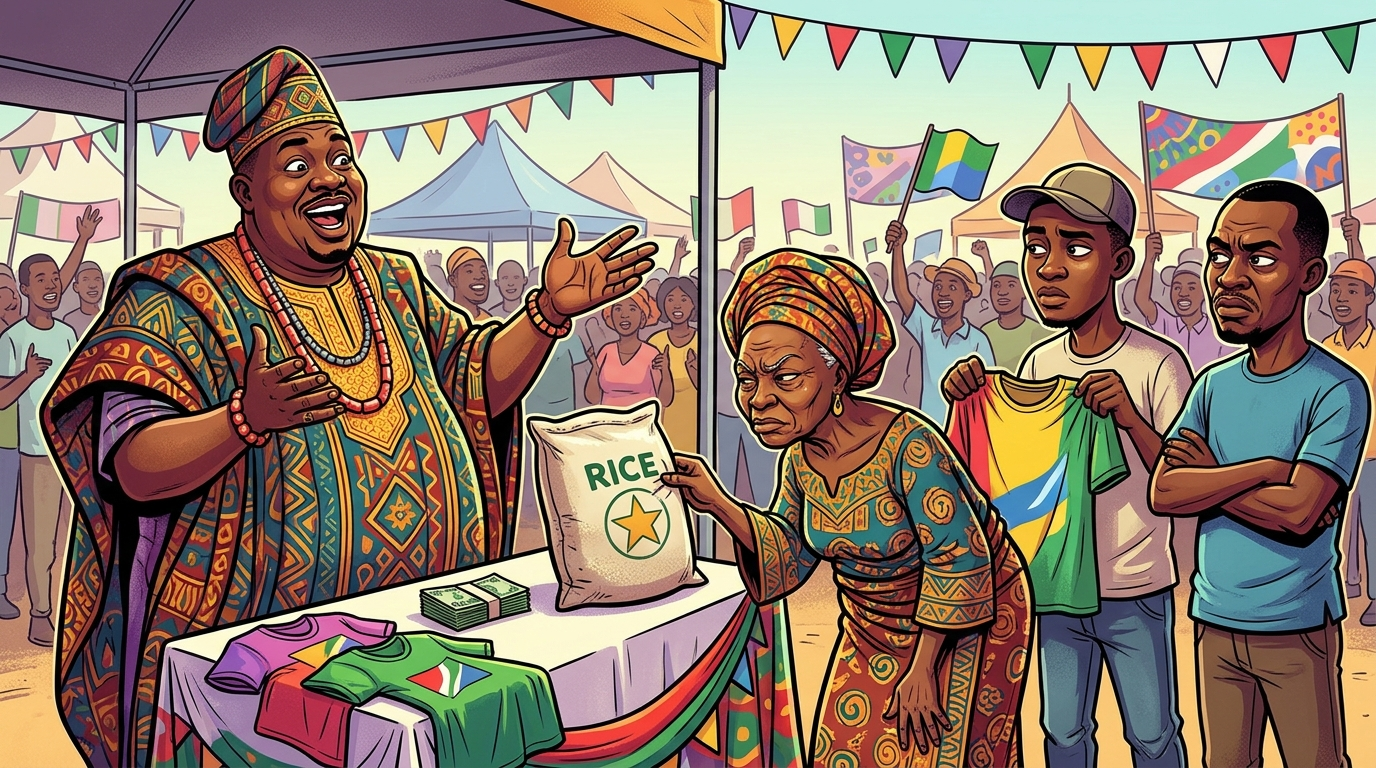
Then there is the famous campaign T-shirt. We appreciate the gesture, but can we use it to pay electricity bills? Will the electricity distribution company accept it? Can the shirt negotiate with landlords?
Perhaps we should introduce a more professional system.
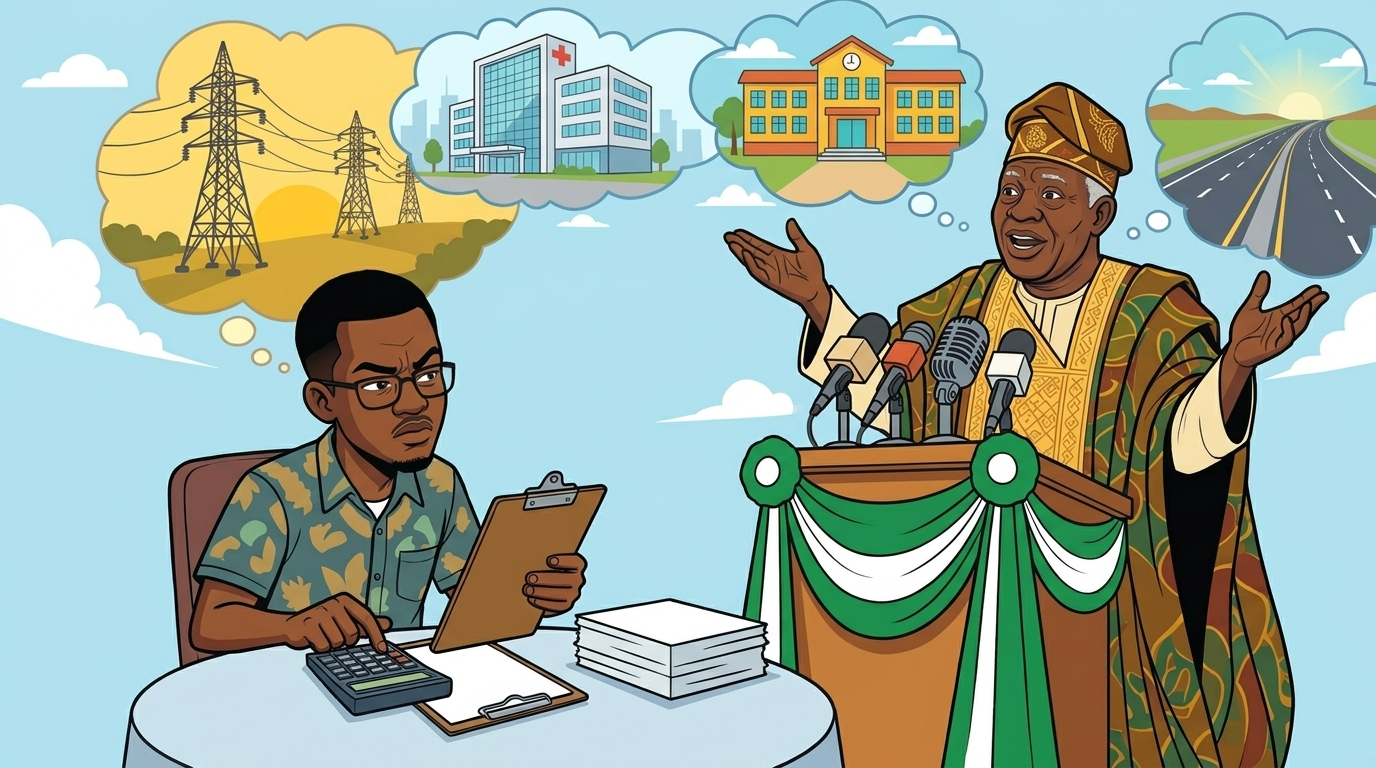
Every politician requesting a vote must submit a quotation. If you promise electricity, provide the implementation plan. If you promise employment, explain where the jobs will come from. If you promise better healthcare, tell us which hospitals will be equipped and when.
"I will create millions of jobs" is not a complete business proposal. Where are the figures? What is the timeline? Who is responsible for implementation?
We have heard enough campaign speeches to qualify for an honorary degree in political promises.
And for those promising to reduce the cost of living, please include the actual mechanism. We would like to know how families are expected to afford food, transport, housing and healthcare without spending their entire salaries before the middle of the month.
We are not asking for too much. We simply want to know what we are getting in exchange for the enormous responsibility of handing somebody public office.
What Happens When the Four Years Are Over?
Now, this is the area of particular concern.
The bag of rice will finish. The campaign money will finish. The T-shirt may eventually become an oversized cleaning rag. But the consequences of political decisions can remain long after the election posters have disappeared.
Meanwhile, the person who received your vote has access to public resources, government institutions and the authority to make decisions affecting millions of people.
And you are expected to wait patiently until another election.
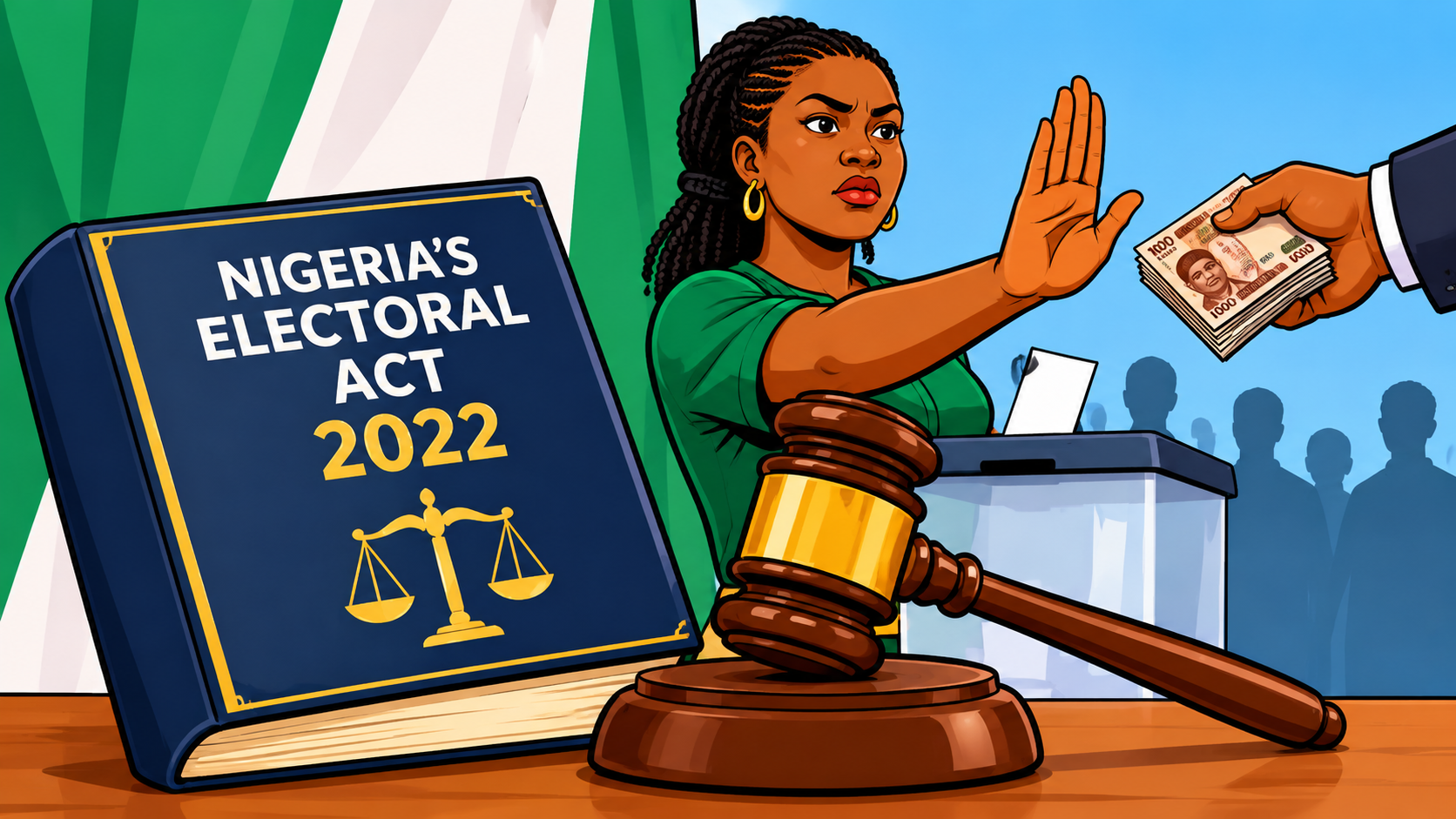
This is precisely why vote buying is more than an embarrassing political tradition. Nigeria's Electoral Act 2022 prohibits electoral bribery and inducements intended to influence voting. Section 121 addresses both the offering of inducements and their acceptance in exchange for votes.
The law recognises that elections should not become transactions in which financial inducements determine political choices.
For the 2027 elections, Nigerians should be asking candidates about their economic plans, education policies, healthcare commitments, security strategies and infrastructure priorities.
We should be examining their records, questioning their promises and demanding measurable targets.
A politician should not have to distribute rice before citizens can believe that he understands hunger.
So, if someone approaches you with a bag of rice and asks for your vote, kindly check the invoice.
If the offer does not include affordable healthcare, functioning schools, reliable electricity, decent roads, employment opportunities and a government that remembers your existence after election day, the quotation is incomplete.
And please, do not let anybody make you feel ungrateful for rejecting a campaign gift. You bought food before the politician discovered your polling unit. You will still need food after the election.
The rice is temporary. The government gets four years.
Your vote is not for sale. But if politicians insist on treating it like a commercial transaction, they should at least come prepared to explain why their offer is worth accepting.
₦18.72 million is our illustrative calculation. We are available for further negotiations.