Who Owns Your Face When You Upload It to an AI App?
You uploaded your selfie to ChatGPT for a new wig and expensive outfit. But what happens to your face after the AI transformation? Before you upload your next image, read this.
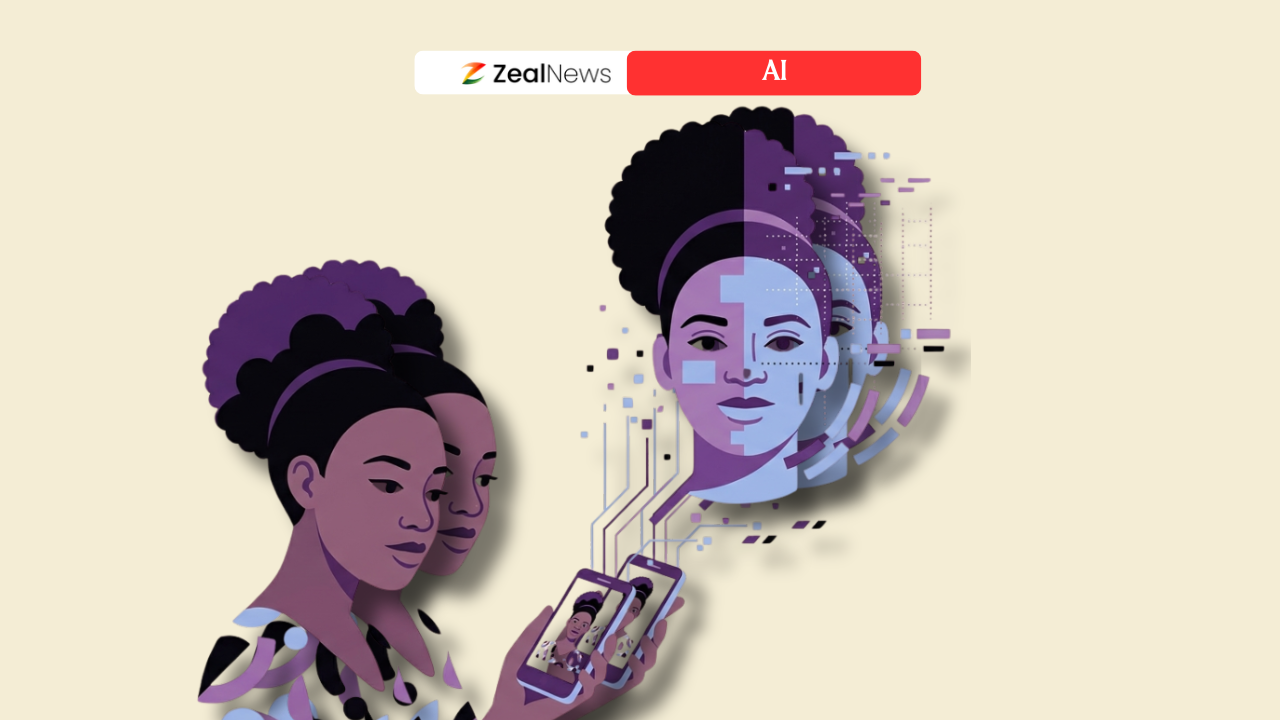
Those of you that always upload your pictures to ChatGPT to wear you wigs and nice outfits, one day you will see yourself as a thief in one AI drama. You will explain for decades that you are not a thief but nobody will believe you.
We have entered an era where you can upload one picture, type a prompt and watch AI turn you into a bride, a model, a cartoon character or somebody holidaying in Santorini.
But before uploading your next selfie, have you considered what happens to the original picture after the transformation? Who can access it, how long is it kept, and can it be used to improve an AI model?
Your Face Is Personal Data, Not Just Fine Girl/Boy Content
A photograph of your face is not just another picture sitting in your gallery. It can be personal data because it identifies you or makes you identifiable.
When a system processes facial features to identify you uniquely, that can also constitute biometric data, attracting additional privacy concerns under data protection laws.
Uploading your face to an AI tool is therefore not exactly the same as uploading a picture of your lunch. Your face is connected to your identity and can be used to create convincing images or impersonate you.
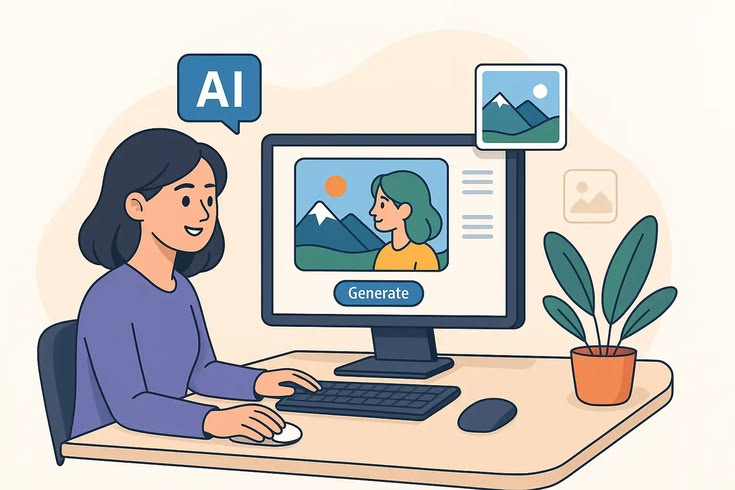
Now, this does not mean every AI app is secretly collecting pictures to build a criminal empire. Please, let us not turn every privacy conversation into a Nollywood conspiracy.
Platforms have different policies and settings. Some use uploads to provide their service; others may also use content to improve models, depending on the product and your settings.
For instance, OpenAI says content submitted through individual ChatGPT services, including images and files, may be used to improve models depending on a user’s settings. Users can turn off model improvement in Data Controls by following these few steps.
Open ChatGPT on the web or via the mobile app (iPhone or Android).
Click or tap your Profile icon to open the menu.
Select Settings, and then Data controls.
Turn off the toggle for "Improve the model for everyone"
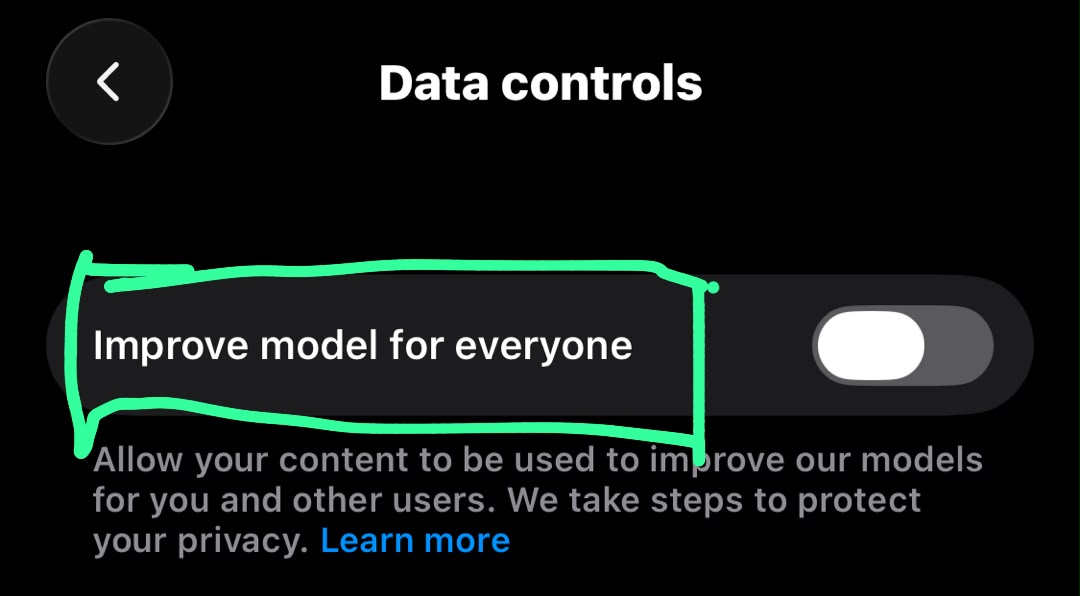

Temporary Chats are not used to improve models, although they may be retained for up to 30 days for safety purposes. Check each app’s policy and settings. Do not assume they all offer the same controls.
The Real Problem Is What Someone Can Do With Your Likeness
The bigger issue is not whether an AI app can make you look good in a red-carpet dress. It is what happens when your likeness is used outside the purpose you agreed to.
Imagine uploading a clear selfie for an AI makeover. A few months later, someone uses your face in a fake investment advert, a scam account, a sexually explicit deepfake or a video that makes it appear you said something you never said.
You could spend days explaining yourself while the fake image travels faster than your clarification.
AI-generated images are becoming more convincing. Gone are the days when you'd see an AI generated image and be able to tell it's fake. Now people have stepped up their prompting game.
A manipulated picture can embarrass someone, damage their reputation, facilitate fraud or enable harassment.
Young people are especially exposed because we share pictures casually and join trends without always checking the apps behind them.
There is a difference between allowing an app to process your picture to generate an image and giving it unlimited permission to use your likeness for anything.
The exact rights and permissions depend on the platform’s terms, the applicable law and what you agreed to. Uploading a picture does not automatically mean you have handed over ownership of your face. But it does not mean you should ignore the licence or consent terms either.

In Nigeria, the Nigeria Data Protection Act 2023 provides a framework for collecting and processing personal data. Among the issues it addresses are whether there is a lawful basis for processing, whether the purpose is clear and whether data is handled responsibly. Rights and obligations depend on the circumstances. An app’s “I agree” button does not make every practice acceptable.
Before You Upload That Fine Picture, Do These Things
And there is another thing worth remembering: the picture you upload may include more than your face. The background could reveal your home, workplace, school uniform, location or other people who never agreed to be part of your experiment.
A seemingly harmless selfie can carry clues about your life. Before uploading, crop what is unnecessary and think about whether the image contains information you would not casually share with strangers.
Use privacy controls where available. On ChatGPT, you can turn off the setting that allows content to be used to improve models. I already shared the steps earlier.
Temporary Chat is another option, but temporary does not mean instant deletion. Deleting a picture from your phone does not delete copies uploaded elsewhere.
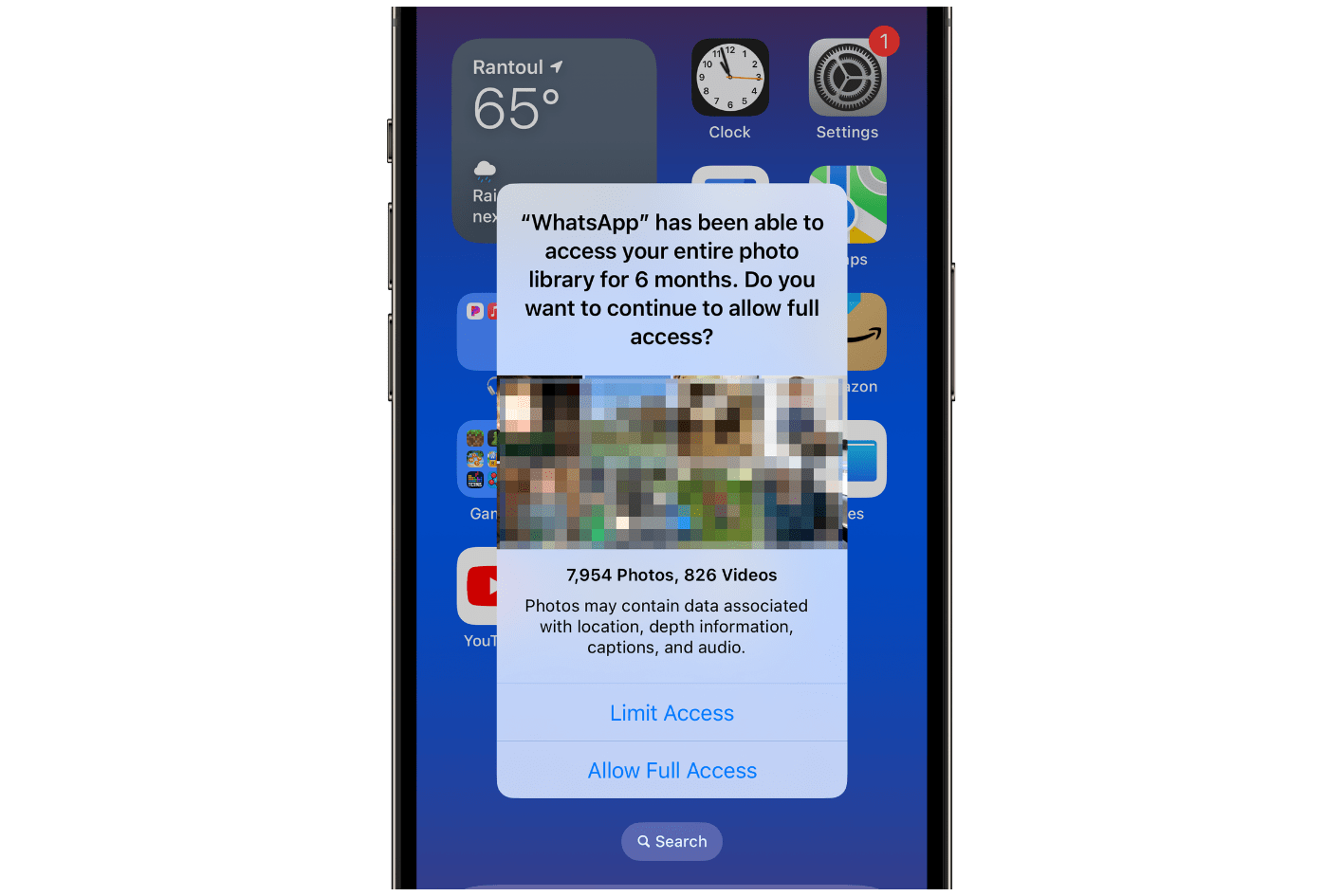
Avoid uploading sensitive photographs, identity documents, intimate images or pictures of other people without permission. And please, stop giving random websites access to your entire photo library when all they need is one picture. Select the image yourself.
If someone uses your face without permission, preserve evidence, report the content to the platform and seek appropriate legal or data-protection advice.
Our faces are becoming part of the material powering a fast-growing digital economy. So, by all means, collect your AI wig, designer outfit and imaginary first-class ticket. Just read what you are agreeing to before handing an app your face.
Because the next time your picture appears in an AI-generated drama, “I only wanted to see myself in a nice gown” may not be the explanation you want to give.