Six Government Palliatives Nigerians Should Know About
₦70,000 for workers, overdue allowances and a petrol discount expiring October 31. Which of Nigeria’s six government relief measures will actually ease your expenses?
The Nigerian government has announced six measures aimed at easing the financial pressure on workers, motorists and households, but the relief will not reach everyone at the same time.
Some public servants are expecting additional payments, motorists can access a temporary petrol discount, and the government is developing a plan that could eventually reduce transportation costs. Several of these promises, however, are still waiting to become reality.
On October 27, the Federal Government agreed to pay public servants a monthly transport allowance of ₦70,000 for six months, beginning in November. Other commitments include settling outstanding allowances owed to government workers and health professionals.
Meanwhile, the Nigerian National Petroleum Company Limited (NNPC Ltd) has extended its ₦66-per-litre petrol discount until October 31.
These announcements come as Nigerians continue to face the rising cost of transportation, food and other everyday essentials. Here are the six measures, when they are expected to take effect, and what they could mean for Nigerians.
1. ₦70,000 monthly transport allowance
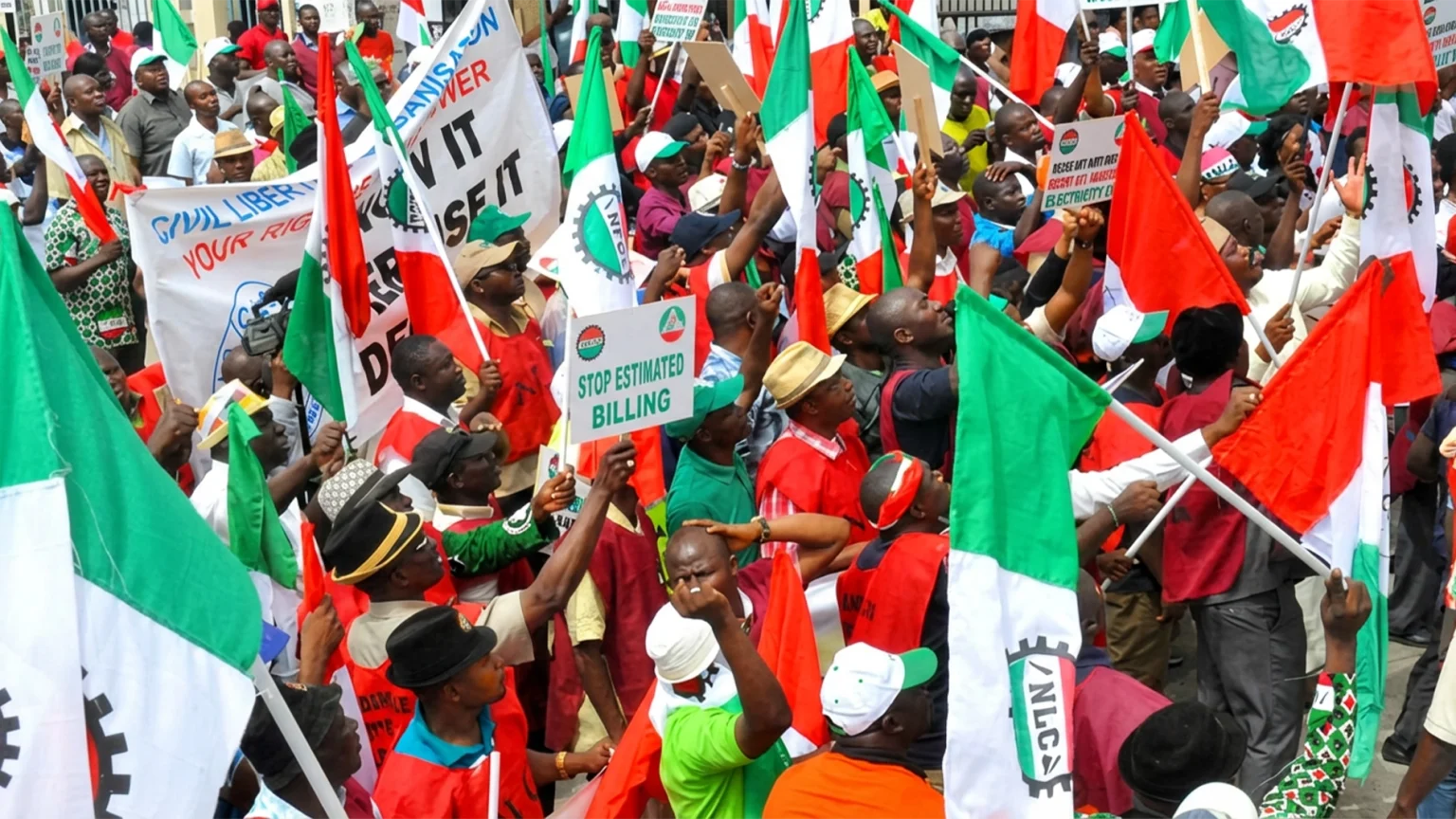
On October 27, the Federal Government and the Nigeria Labour Congress (NLC) agreed to provide public servants with a monthly transport allowance of ₦70,000 for six months, beginning in November.
The agreement followed talks in Abuja on workers’ welfare and outstanding commitments. For employees spending heavily on daily journeys, the allowance could offer breathing room.
The NLC welcomed the outcome, but Assistant Secretary-General Chris Onyeka said it fell short of labour’s expectations.
The allowance will help only if it arrives on time and offers meaningful support beyond the wider concerns about wages and purchasing power.
2. Outstanding peculiar allowance arrears
The agreement also covers peculiar allowance arrears owed to eligible public servants, effective from May 1, 2026. Payments are scheduled to begin in November and continue across three equal monthly instalments.

Unlike the transport allowance, these arrears concern money workers are owed for an earlier period. Receiving them could help eligible employees pay household bills, repay debts or cover postponed expenses.
3. Nineteen months of health workers’ allowances
Health workers secured a commitment to settle 19 months of outstanding allowances within three months, starting in December 2026.
The schedule sets a deadline for clearing long-standing arrears. Payment could ease financial pressure, but as of today, no completed settlement had been established.
4. NNPC’s ₦66-per-litre petrol discount
This measure was already operating in October. NNPC Limited introduced a ₦66-per-litre discount on October 1 to mark Nigeria’s 66th Independence Anniversary. On October 9, it announced that the offer would continue through October 31 at its retail stations nationwide.
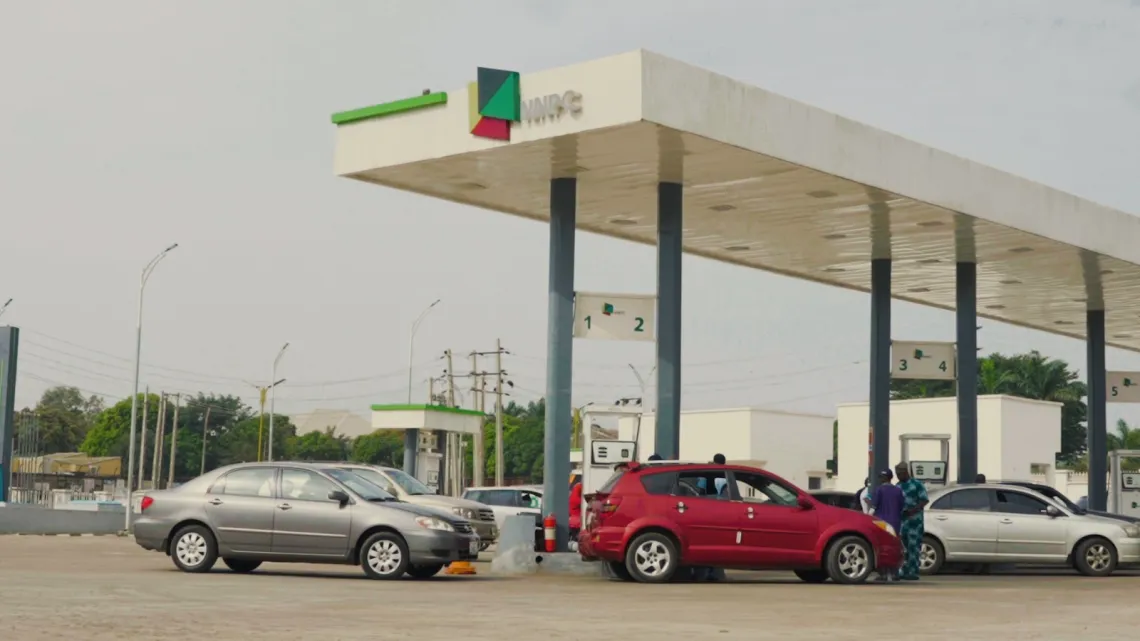
NNPC described it as temporary relief amid elevated global crude prices, stressing that it was not a return to petrol subsidies or a uniform national price.
Motorists had to use the NNPC Fuel App and pay digitally. Those paying directly at the pump did not automatically qualify, prompting criticism that relief required a smartphone, data and digital payment.
The offer applied at NNPC Retail outlets, not every station, and was scheduled to end October 31. Without a new announcement, it is not a permanent price cut.
5. Federal-state financing for CNG and electric vehicles
On October 22, the National Economic Council agreed to establish a joint financing framework involving federal and state governments to accelerate the deployment of compressed natural gas (CNG) and electric vehicles.
The decision followed a presentation by Ismaeel Ahmed, chairman of the Presidential Initiative on Compressed Natural Gas and Electric Vehicles.
The council said the programme must lower transport costs, not merely add alternative-energy vehicles.
The council called for talks with transport unions and operators so savings reach passengers. A committee was expected to coordinate financing and implementation.
CNG may lower operators’ fuel costs, but fares also reflect vehicle purchases, maintenance, financing and infrastructure.
6. A cost-of-living action plan
The National Economic Council also endorsed a 90-day economic action plan proposed by the Federal Ministry of Finance during its 161st meeting, chaired virtually by Vice-President Kashim Shettima.
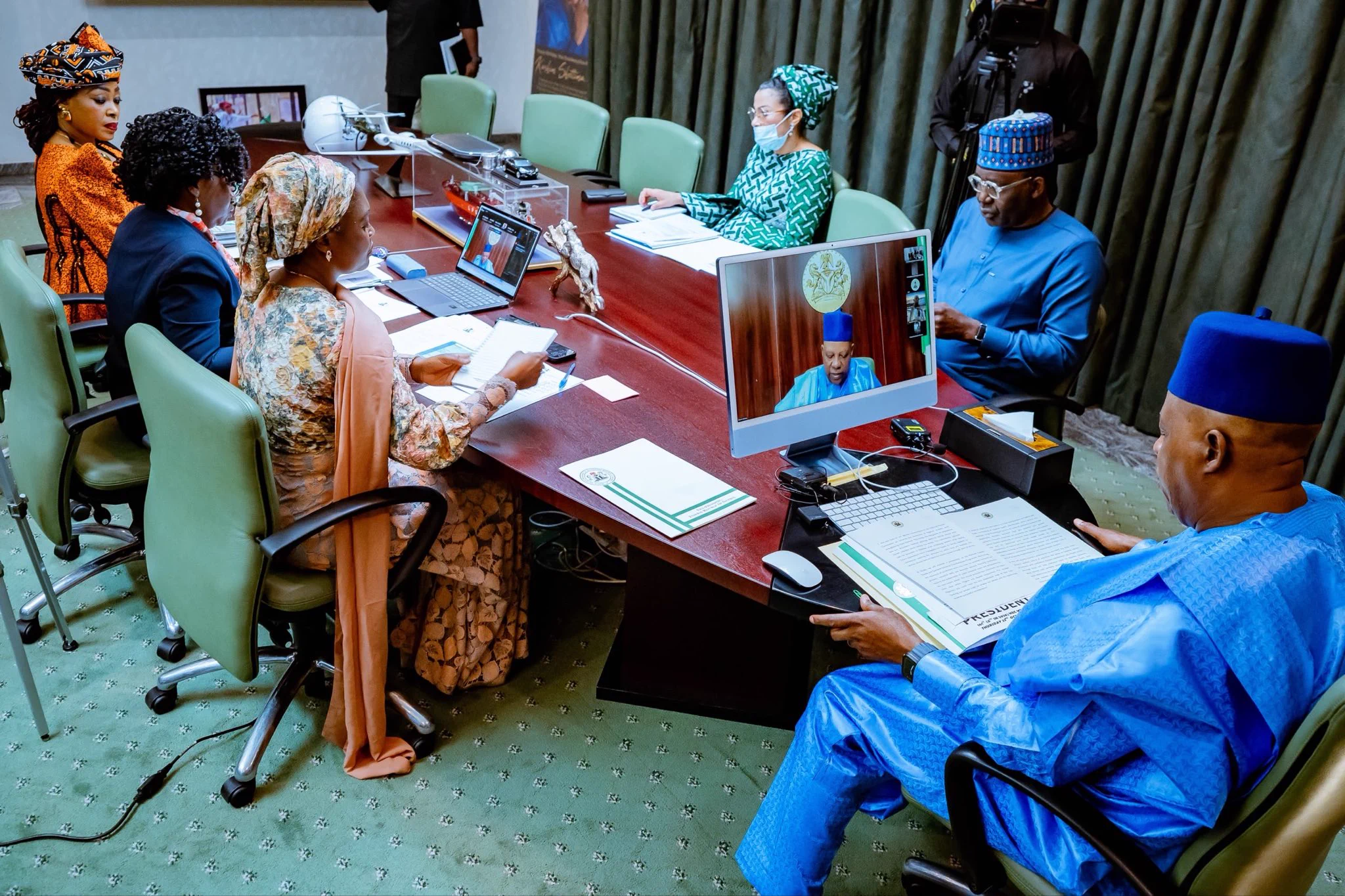
The plan prioritises food affordability, tax harmonisation, high-impact projects, investment bottlenecks and regulated household support. A national dashboard will track projects and report on the use of proceeds from petrol subsidy removal.
The aim is to turn economic reforms into practical improvements. But the October 22 announcement did not show that the priorities had delivered measurable benefits. Limited details also make it difficult to assess costs, beneficiaries or delivery milestones.
A dashboard cannot make food cheaper by itself. Results depend on effective policies, available resources and whether authorities publish and meet clear targets.
Will Nigerians Actually Feel the relief?
The six measures address workers’ welfare, fuel, transport and household costs, but remain at different stages. The NNPC discount was due to end October 31; public-service payments were scheduled for November and health workers’ arrears for December.
The CNG framework and 90-day plan still needed implementation.
The NLC welcomed the labour agreement but expected more, while some motorists criticised the discount’s digital requirements. Available reporting does not establish a nationwide verdict on the full package.
The practical questions remain: will workers be paid on time, will arrears be settled, will transport operators pass savings to passengers, and will the 90-day plan improve food affordability?
For Nigerians balancing transport, food and other bills, the value lies in what reaches them. Timely payments, accessible discounts and measurable cost reductions are what turn announcements into relief.