Kenyan Women Founders Are Receiving New Technology Grants. Can Funding Alone Carry Them Forward?
Seven Kenyan women-led startups have received KES 9 million in technology grants. Can funding alone help women entrepreneurs build lasting businesses in Africa’s tech industry?
There is no shortage of conversations about women participating in Africa's technology industry. From startup conferences to investment reports, the message is familiar: women should have a seat at the table.
Yet getting into the room is one thing; securing the money to build a business is another. In Kenya, seven women-led startups have received a combined KES 9 million (approximately US$70,000) after completing the ninth Women in Tech Kenya Accelerator cohort.
The grants are encouraging, but they also raise a bigger question: how far can funding take women founders in an industry where access to capital remains a persistent challenge?
Seven Startups, Seven Different Problems to Solve
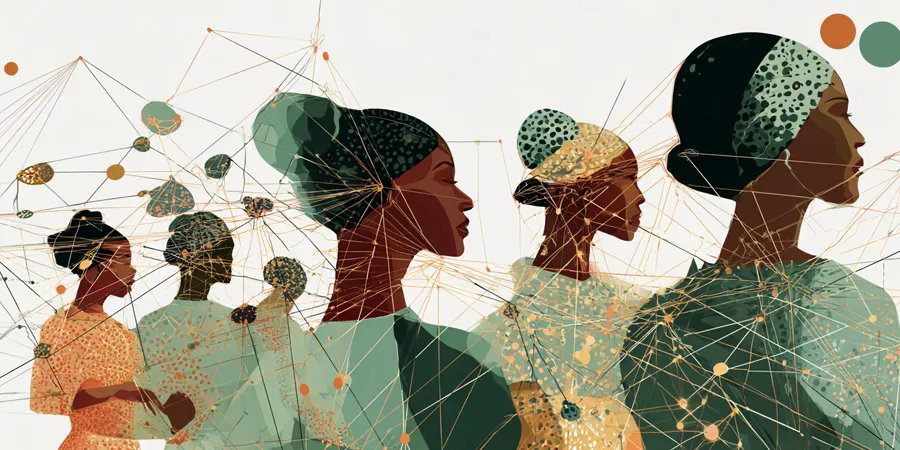
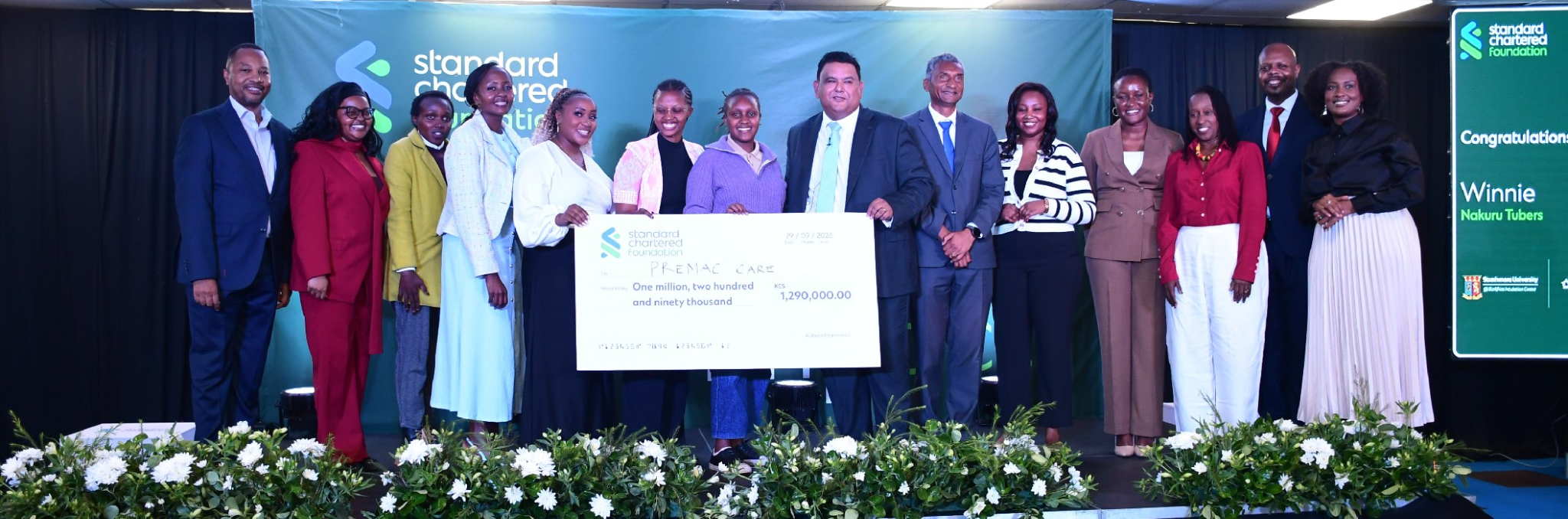
The grants were awarded by the Standard Chartered Foundation, in partnership with Village Capital and @iBizAfrica-Strathmore University, at a graduation ceremony in Nairobi on 29 September 2026. Each of the seven selected businesses received approximately KES 1.29 million, following a 12-week accelerator programme completed by 15 women founders.
Their ventures span healthcare, agriculture, aquaculture and education, showing that women-led innovation is not confined to the familiar consumer apps and lifestyle businesses often associated with female entrepreneurship.
Among the recipients, Premac Care connects families with trained healthcare professionals for home-based maternal and specialist nursing services, while Nakuru Tubers uses digital tools to link smallholder farmers with verified agricultural inputs.
In aquaculture, Trident Analyticsuses sensors, artificial intelligence, andgeospatial technology to help fish farmers monitor operations and access markets, while FishBox Africadevelops AI-powered farm-management software and smart feeders.
The other recipients also focus on practical problems. ChipuRoboprovides hands-on artificial intelligence and robotics education using locally fabricated kits, while Uptyke Consultingdevelops accessible digital learning tools for people with disabilities through sign language, audio, and interactive content. Seta Farmturns organic waste into mushroom production, creating potential income opportunities for women and young people.
Taken together, these businesses demonstrate how technology can be applied to challenges that affect ordinary communities, not just those operating within major technology hubs.
Funding Is a Beginning, Not the Entire Solution
For an early-stage startup, a grant of approximately US$10,000 can make a meaningful difference. It can help founders test products, improve technology, reach more customers, and establish the operating history needed to attract larger investors.
Unlike a conventional loan, a grant does not generally require repayment, giving businesses some room to experiment without immediately adding debt to their operations.
However, access to initial funding is only one part of the challenge facing women entrepreneurs. Building a sustainable technology company requires more than a promising idea and a financial award. Founders need experienced mentors, reliable networks, skilled employees, market access, and investors willing to support a business beyond its earliest stages.
They must also contend with structural barriers, including unequal access to investment networks, limited collateral, and the expectations that can shape how investors assess women-led businesses.
This is why accelerator programmes matter, but their impact should not be measured only by the number of founders who graduate or the grants distributed. The more important question is what happens afterwards. Do these businesses secure follow-on investment? Can they attract paying customers, expand operations, and create jobs? Are their founders able to compete for the same opportunities available to other technology entrepreneurs?
Kenya's latest Women in Tech cohort offers a useful example of what targeted support can achieve. But closing the gender gap in technology requires more than occasional grants and graduation ceremonies. It requires an investment environment in which women can build, scale, and sustain businesses without having to overcome additional barriers simply to access the same opportunities.
The seven startups have received a starting point. The next test is whether the ecosystem can help them turn that opportunity into lasting businesses.