Shoprite Is Back in Nigeria, But This Time Around, With A Different Business Strategy
Shoprite is back in Nigeria, but the supermarket giant is changing its strategy after a costly shutdown. What went wrong, and can its new neighbourhood stores survive?
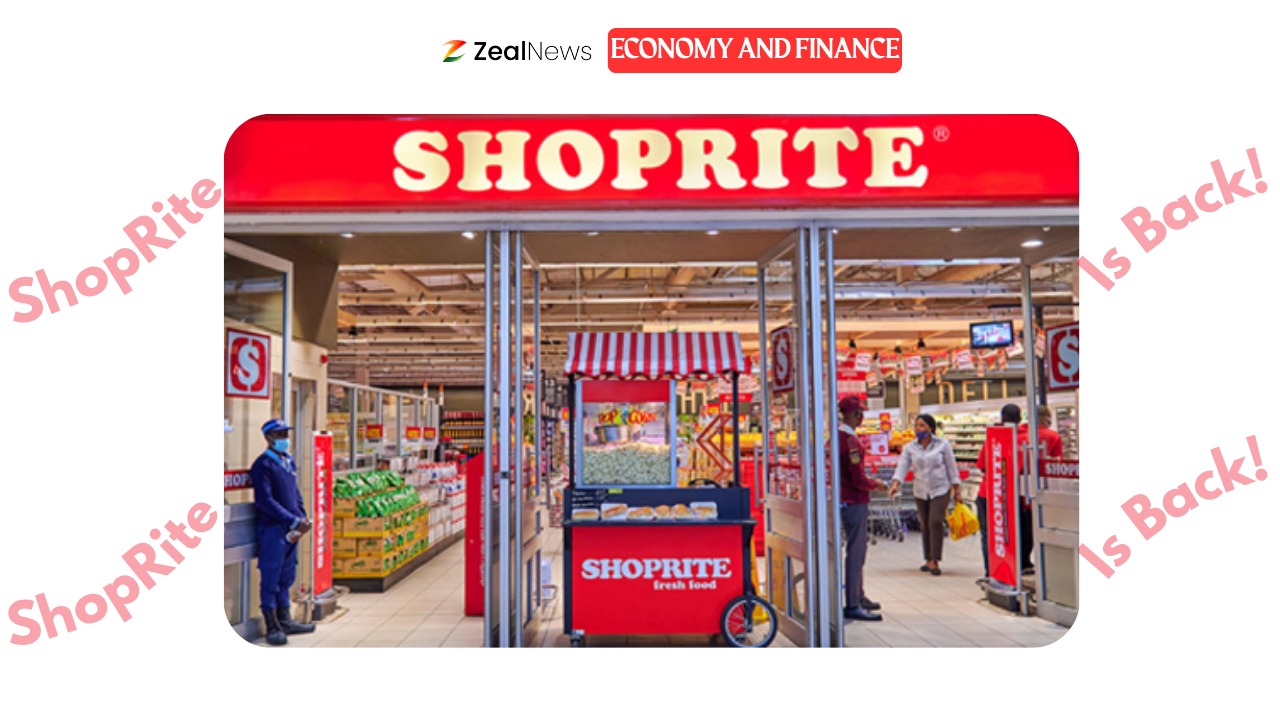
Shoprite left Nigeria. After months of store closures, the supermarket chain that once attracted thousands of shoppers into some of the country's biggest malls appeared to have reached the end of the road.
Its familiar stores shut their doors, leaving customers wondering whether they would ever shop there again.
Now, Shoprite is back! Three outlets have reopened, and the company is preparing to return with a different approach to retail. Instead of depending heavily on large shopping malls, it plans to expand through standalone neighbourhood stores.
But what happened behind those closures, and what is Shoprite changing to avoid repeating the experience? The answers reveal how rising costs, foreign exchange pressures and difficult financing decisions can threaten even established businesses.
How Did Shoprite's Business Model Become So Expensive?
Shoprite's South African parent announced plans to exit direct ownership of its Nigerian operations in 2020. The transaction was completed in 2021, transferring the business to Ketron Investment Limited, an investment vehicle associated with Persianas Investment Limited. The Nigerian operation continued under a franchise arrangement.
The change in ownership did not immediately end Shoprite's presence in Nigeria. Its stores continued operating, but the new owners inherited a business with substantial operating expenses.
One particularly revealing problem was rent.
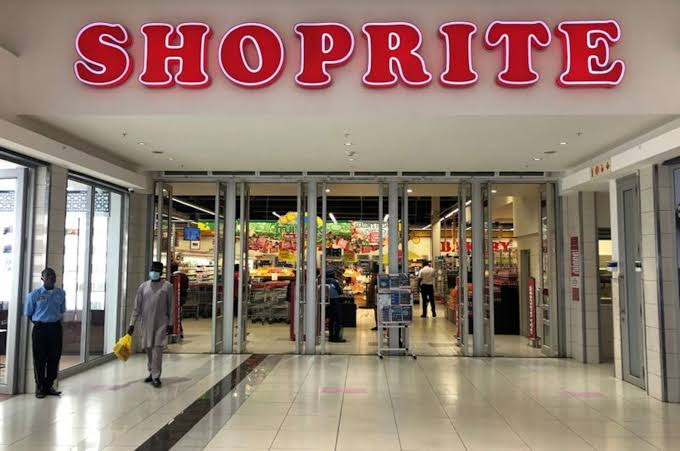
According to Adekunle Adebiyi, executive director of investments at MBO Capital Management, 17 of Shoprite's 28 stores had rental agreements denominated in dollars when the acquisition took place. As the naira depreciated, paying those rents became increasingly expensive.
Consider what that meant. Shoprite sold groceries to customers paying in naira, but some landlords calculated rent in dollars. When the naira weakened, the company needed more local currency to meet the same rental obligations.
Sales could remain steady while property expenses increased, leaving less money for salaries, electricity, diesel, logistics and merchandise.
Technology created another financial burden. Following the ownership change, the business lost access to the enterprise resource planning system used by its former parent company. This software helps retailers track inventory, monitor stock movements and coordinate operations across different locations.

According to Adebiyi, the new owners spent billions of naira developing a replacement system. They also struggled to obtain conventional bank financing because the business lacked sufficient physical assets to offer as collateral.
Shoprite operated from large commercial buildings without necessarily owning them. That distinction became important when lenders assessed which assets could secure loans.
Eventually, the operators suspended operations while negotiating with suppliers and addressing outstanding financial obligations. By October 2026, three outlets had reopened as the business pursued recovery.
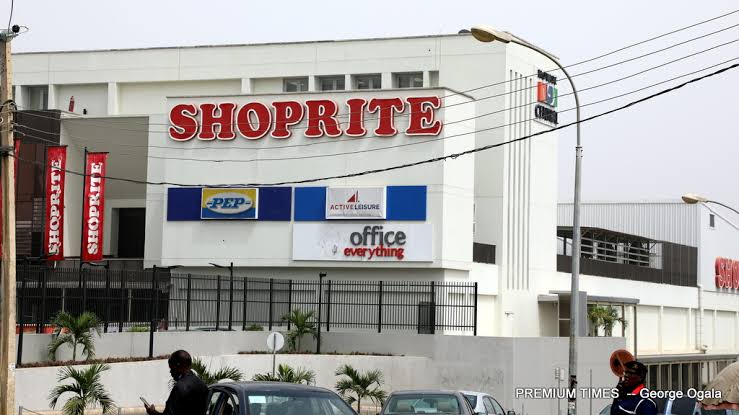
These difficulties explain why reopening stores requires more than putting products back on shelves. Shoprite needs a structure that allows it to manage costs, maintain supplier relationships and generate enough cash to sustain operations.
Five Changes That Could Help Shoprite Survive
The first change is its move towards standalone neighbourhood stores. Large shopping malls provided visibility and attracted shoppers, but operating inside them could involve substantial rental and maintenance expenses.
Smaller outlets could give Shoprite greater flexibility over location, store size and operating costs. A neighbourhood supermarket serving regular grocery shoppers may not need the floor space required for a large shopping destination.
However, smaller stores also have limitations. Restricted storage space could require more frequent deliveries, while poor locations could generate insufficient sales. Shoprite must ensure that savings on rent outweigh any additional distribution costs.
The second change involves local sourcing. In September 2025, Retail Supermarkets Nigeria Limited announced plans to source more than 80 per cent of its products locally.
If implemented successfully, this could reduce exposure to foreign exchange movements and some import-related expenses. It could also create opportunities for Nigerian manufacturers, food processors and agricultural suppliers.
The strategy depends on suppliers delivering consistent quality, competitive prices and sufficient quantities. Local sourcing will offer limited benefits if production costs remain high or products arrive inconsistently.
Third, Shoprite intends to strengthen affordability through measures including private-label products. These are goods sold under a retailer's own brand rather than an established manufacturer's brand. Depending on production and distribution arrangements, they can offer greater control over pricing.
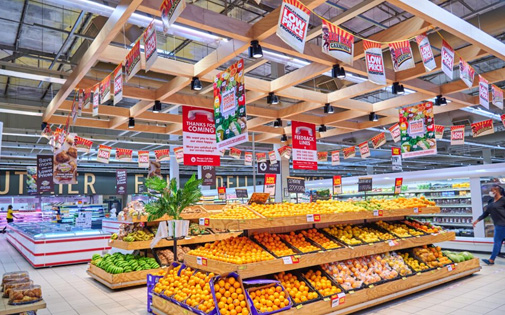
For shoppers managing rising living costs, competitively priced essentials could encourage repeat visits. Shoprite will need to identify products customers purchase regularly and price them attractively against neighbourhood shops, open markets and competing supermarkets.
Fourth, better inventory management could improve cash flow. A supermarket can have millions of naira tied up in merchandise while struggling to pay its bills. Unsold stock occupies space and prevents money from being used to replenish popular products.
Accurate inventory records and better sales forecasting could help Shoprite determine what each outlet needs, reduce waste and avoid overstocking. The company must also maintain dependable supplier relationships, with payment arrangements that support continuous deliveries without creating unsustainable obligations.
The fifth change involves reducing operating expenses. Supermarkets require reliable electricity for refrigeration, lighting and equipment. Where generators are necessary, diesel adds another substantial cost.
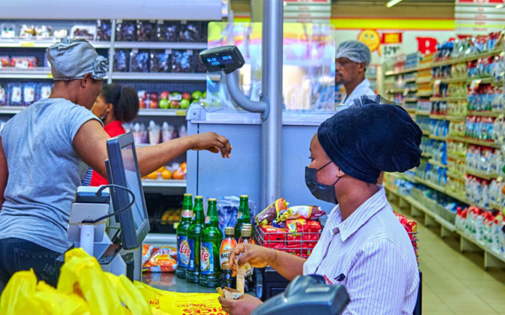
Smaller premises, energy-efficient equipment and careful monitoring could help reduce these expenses. Shoprite will also need commercially sensible rental agreements to avoid recreating the financial pressures associated with its previous locations.
Together, these measures could create a leaner operation. Their success, however, depends on execution. Lower rent means little if distribution becomes too expensive, while cheaper products cannot attract customers if shelves remain empty.
What Shoprite Must Prove Before Its Comeback Succeeds
Nigerian shoppers will judge Shoprite through their everyday experiences. They want competitive prices, convenient locations and products available when needed. A familiar brand may encourage customers to visit, but consistent service and value will determine whether they return.
Suppliers also need confidence that payments will arrive as agreed. Without reliable supply relationships, Shoprite could struggle to keep its shelves stocked, regardless of how many outlets it opens.
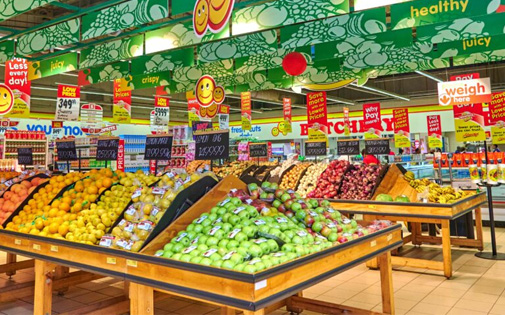
The local sourcing target must translate into measurable results, while expansion requires sufficient working capital for inventory, equipment, staffing and distribution. Opening new stores before securing the resources to operate them could recreate the financial problems the restructuring seeks to solve.
As of October 2026, three outlets had reopened, but the company had not publicly disclosed the full number of neighbourhood stores planned, their locations or a timetable for expansion.
Shoprite's experience offers a lesson for Nigeria's retail industry. Strong brand recognition and substantial sales cannot guarantee survival when fixed costs consume too much revenue. Businesses must understand the economics of individual locations, maintain efficient supply chains and manage cash carefully.
Shoprite has spent years building a familiar name in Nigeria. Its new strategy could bring supermarkets closer to communities, create opportunities for local suppliers and offer shoppers another place to compare prices.
But success will depend on whether the numbers work beyond the reopening celebrations.
Shoprite is back! Now, will its smaller stores deliver better prices and a sustainable business, or will Nigeria's operating costs once again threaten a supermarket brand millions of shoppers know?