7 Times El Niño Turned Into a Global Disaster
El Niño has fuelled devastating droughts, floods and food crises throughout history. With the 2026 event raising fresh alarms, these seven episodes reveal what could happen next.
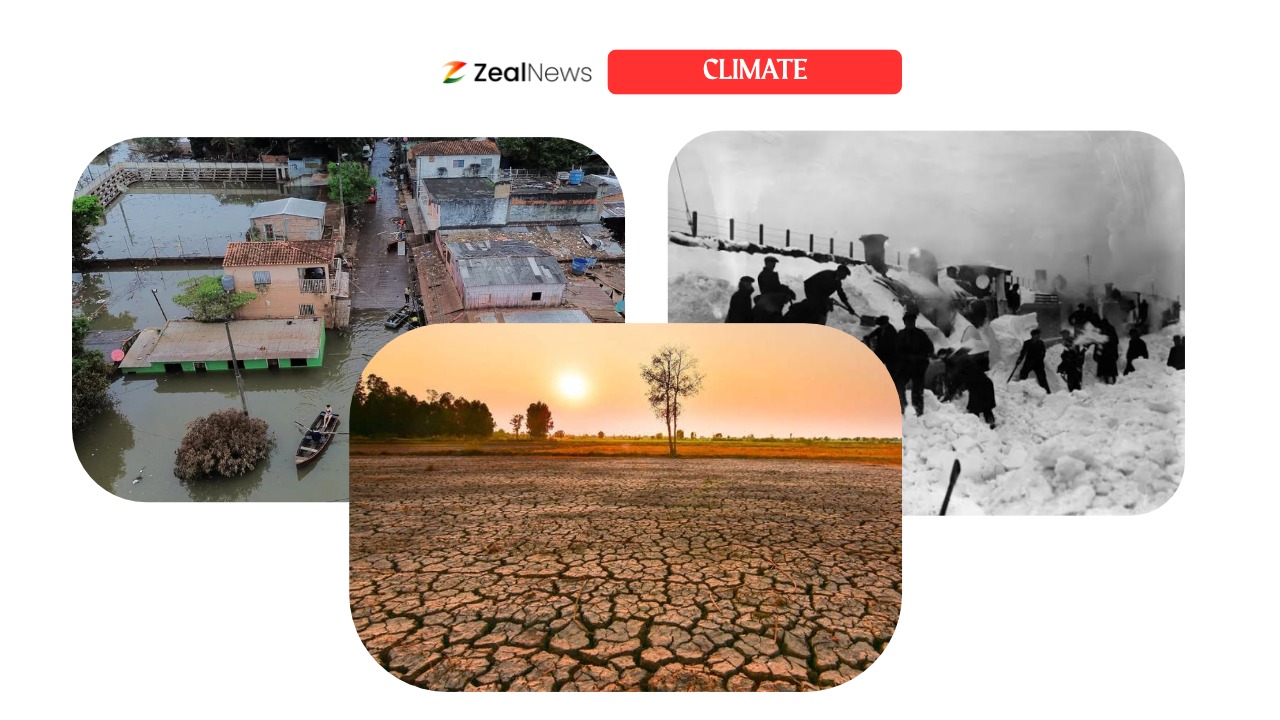
In 1877, drought and famine devastated communities across several continents. Millions died during the wider humanitarian crises, while failed harvests left families struggling to find food.
Scientists later linked the extraordinary climate conditions of this period to a powerful El Niño episode.
El Niño occurs when surface waters in the central and eastern tropical Pacific become unusually warm, changing atmospheric circulation and influencing weather patterns worldwide. Some regions experience destructive rainfall, while others face drought.
Its effects depend on location, intensity and human vulnerability. These seven episodes reveal how changes in one ocean can have consequences thousands of kilometres away.
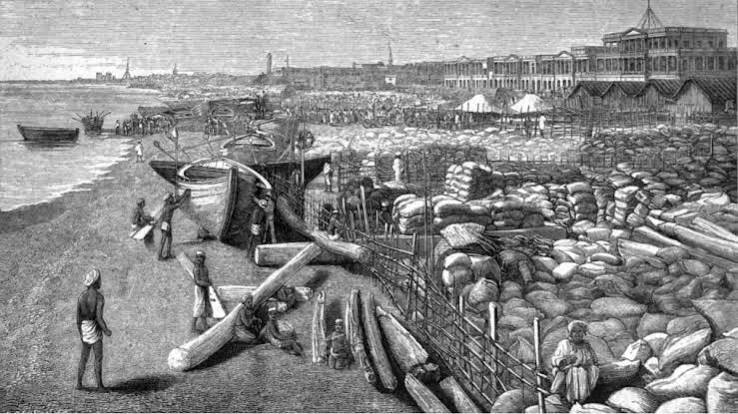
1. The 1876–1878 El Niño Contributed to Famine
The El Niño associated with the famine crises of 1876–1878 remains one of history's most consequential climate episodes.
It was one of the strongest "super El Niño" events in recorded history, triggering severe global droughts and catastrophic famines that killed an estimated 50 million people
Severe drought affected parts of India, China and Brazil, damaging agriculture and worsening food shortages.
In India, failed rains devastated harvests in several provinces. Many rural families depended on seasonal agriculture and had few resources to survive prolonged crop failures.
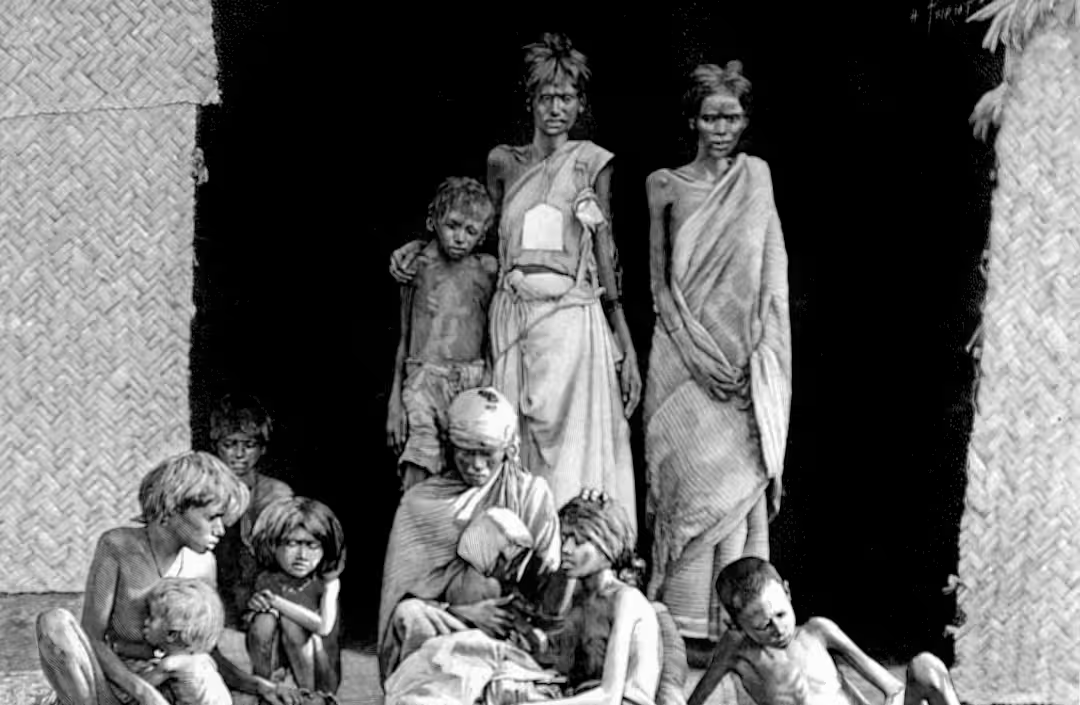
Parts of China experienced severe drought and famine, while northeastern Brazil suffered devastating water shortages.
Millions died during the wider famine disasters, but El Niño was not solely responsible. Poverty, colonial policies, inadequate relief and unequal access to food intensified the suffering.
2. The 1888–1889 Episode Was Exceptionally Strong
NOAA's historical rankings include the 1888–1889 episodeamong the strongest identified since 1871. It caused severe worldwide environmental and humanitarian disruptions.

The failure of global monsoons caused catastrophic crop failures and water shortages across India, Northern China, and Northeast Brazil.
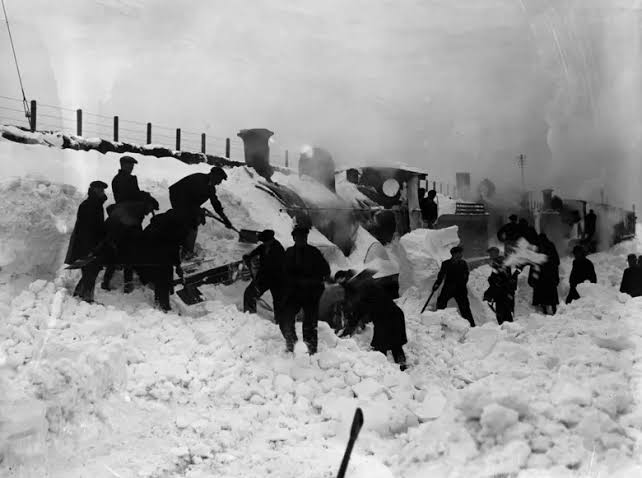
Meanwhile, unusually warm Pacific waters fueled relentless torrential rains and devastating mudslides along the coasts of Peru and Ecuador. In the ocean, a lack of vital nutrients decimated marine life and fish populations in South America, crippling local coastal economies.
Ultimately, the resulting widespread crop failures were severely worsened by colonial grain-export policies, turning weather-driven shortages into severe localized famines.
3. The 1972–1973 El Niño Disrupted Fisheries
Peru's fishing industry depends heavily on nutrient-rich waters rising from the ocean depths. These nutrients support marine food chains, including anchoveta, a small fish central to the country's fishmeal industry.
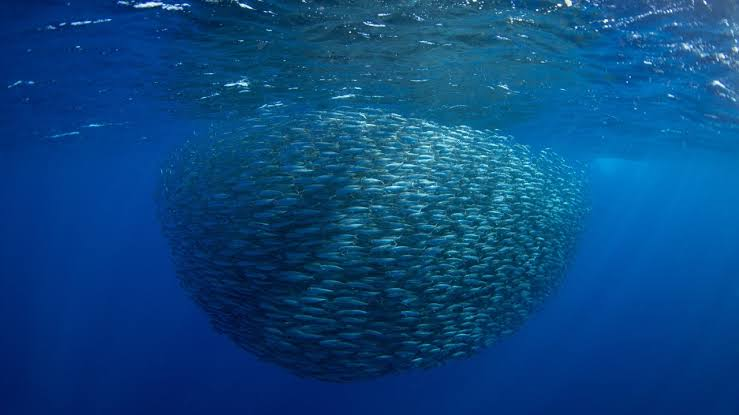
El Niño warms Pacific waters and can weaken this upwelling, reducing the nutrients available to marine organisms. Fish populations may decline or move elsewhere, disrupting fishing operations and threatening livelihoods.
The 1972–1973 episode coincided with a major crisis in Peru's anchoveta fishery. Ocean conditions contributed to the disruption, alongside overfishing and other pressures.
The consequences extended beyond fishermen. Fishmeal production supported exports, employment and related industries, meaning changes in marine conditions could affect economic activity far inland.
4. The 1982–1983 Event Exposed Global Climate Vulnerability
The 1982–1983 El Niño became one of the strongest events of the twentieth century. It brought severe drought to parts of Australia and Indonesia while causing destructive rainfall and flooding in western South America.
Changing ocean temperatures disrupted marine ecosystems, while unusual weather placed pressure on agriculture and communities in several regions.
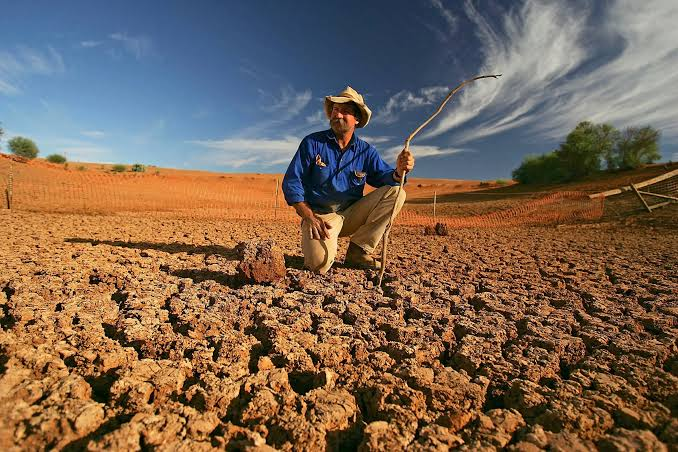
The event also exposed weaknesses in climate monitoring. Scientists recognised the need for better observations of Pacific Ocean temperatures, winds and atmospheric conditions to identify developing El Niño episodes.
Its effects helped strengthen scientific interest in understanding how ocean conditions influence weather far beyond the tropics.
5. The 1997–1998 Event Fuelled Fires and Flooding
The 1997–1998 El Niño was among the strongest events measured during the modern observational era. Its effects included heavy rainfall and flooding in parts of South America, alongside drought in Indonesia and other regions.
Indonesia's dry conditions contributed to widespread land and forest fires.
Burning for land clearance, combined with unusually dry weather, created conditions in which fires spread extensively. The resulting haze affected public health and transportation across parts of Southeast Asia.
El Niño intensified the conditions, but human land-use practices also contributed significantly to the crisis.
Marine ecosystems experienced disruption as warmer waters altered ocean conditions. Agriculture and local economies faced additional pressure in affected regions.
6. The 2015–2016 Event Intensified Southern Africa's Drought
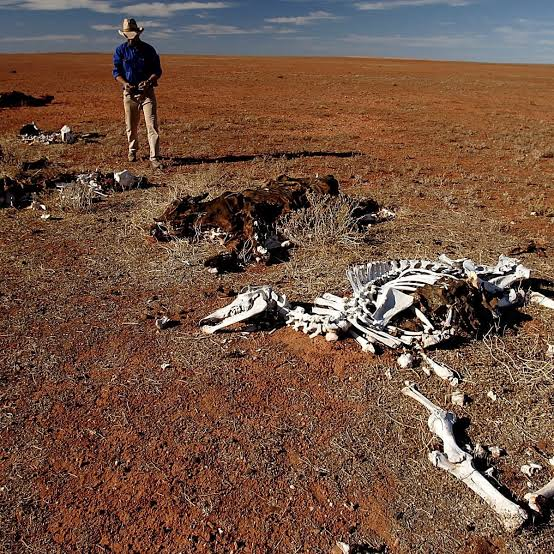
Southern Africa endured severe drought conditions during the 2015–2016 El Niño. Poor rainfall affected farming, water supplies and food security, placing considerable pressure on communities dependent on agriculture.
Failed harvests threatened household incomes and food availability. Water shortages also created difficulties for livestock and communities already vulnerable to unreliable rainfall.
El Niño influenced regional climate conditions, but local circumstances determined the severity of the damage. Existing water shortages, agricultural practices and limited resources made recovery more difficult for some households.
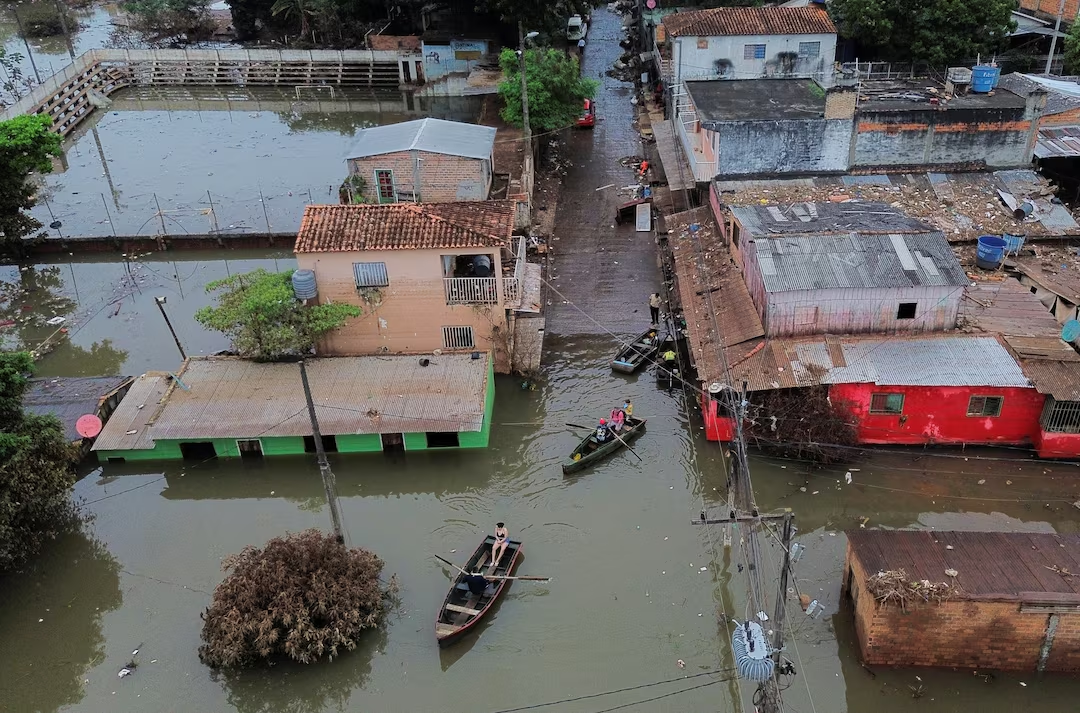
Elsewhere, the same episode produced different weather patterns, including heavy rainfall, which proves that El Niño does not cause uniform drought worldwide.
7. The 2023–2024 Event Added to Record Global Heat
The 2023–2024 El Niño developed while human-caused global warming was already raising the planet's average temperature. Global temperatures reached exceptional levels during this period.
El Niño temporarily redistributes heat within the climate system and often raises global average temperatures. Human-caused climate change raises the long-term baseline, mainly through greenhouse gas emissions.
Together, these influences contributed to exceptional warmth. However, individual heatwaves, floods and droughts cannot automatically be attributed to El Niño alone.
El Niño's Next Chapter Is Already Unfolding
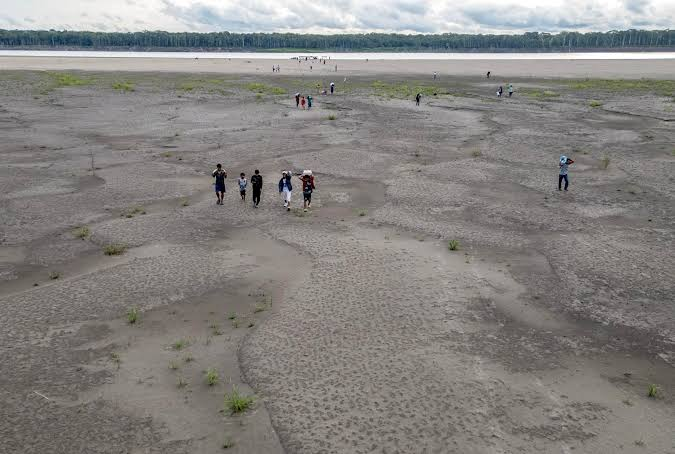
The next chapter of El Niño's history is happening now. In 2026, the phenomenon has returned with extraordinary strength. On 3 September, the World Meteorological Organization warned that it was expected to intensify further, increasing the risks of extreme heat, drought and flooding into 2027.
The warning comes with a troubling historical backdrop. Previous El Niño episodes have contributed to devastating famine, disrupted fisheries and intensified drought across vulnerable regions.
The consequences of the current event will depend on where its effects fall, how other climate conditions interact with it and how prepared communities are to respond.
Scientists are watching the Pacific closely, but forecasting an exceptionally strong event does not mean every region will experience disaster. Rainfall and temperature patterns will vary, making reliable regional forecasts essential.
The world has seen what El Niño can do. In 2026, the challenge is to use the lessons of history before today's warnings become tomorrow's disasters.