Dakar: The Senegalese City About to Put Africa at the Centre of Olympic History
Dakar 2026 will make Senegal the first African host of an Olympic sporting event, bringing young athletes together across Dakar, Diamniadio and Saly.
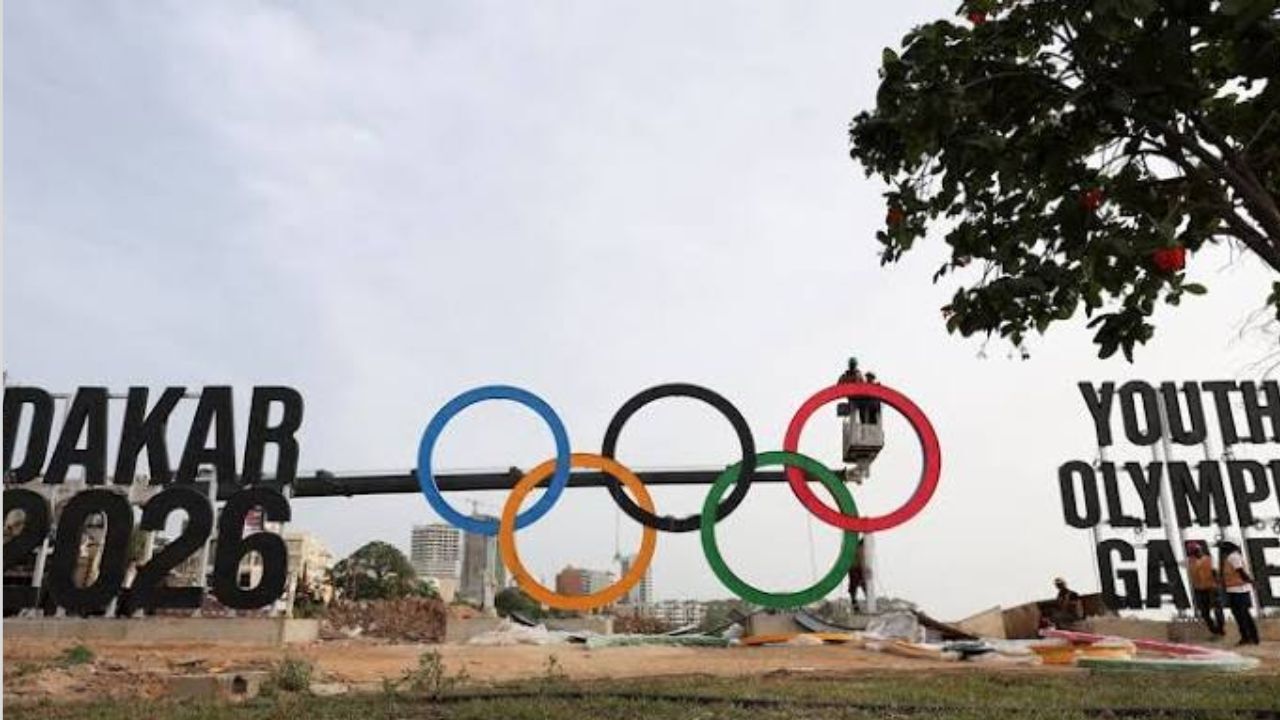
There are moments when a city becomes bigger than its geography. For Dakar, Senegal’s Atlantic-facing capital, that moment is arriving on 31 October 2026, when the opening ceremony of the Youth Olympic Games places the city and the African continent on an unprecedented Olympic stage.
For the first time, an Olympic sporting event will be hosted on African soil. Nearly 2,700 young athletes from around the world are expected to gather in Senegal until 13 November, competing across Dakar, Diamniadio and Saly. It is a historic opportunity, but also a test of what Africa can do with the global attention that comes with hosting an event of this scale.
The significance extends beyond the medals. The Youth Olympic Games, created by the International Olympic Committee (IOC) in 2007, combine sporting competition with education, cultural exchange and youth engagement. Dakar 2026 is the fourth Summer edition, following Singapore in 2010, Nanjing in 2014 and Buenos Aires in 2018.
Senegal was selected in 2018, with the event initially scheduled for 2022 before the COVID-19 pandemic forced its postponement. Four years later, the wait is over. The Games will feature 25 competition sports and 10 engagement sports, with full gender balance across the competition programme.
Three Host Cities, One African Milestone
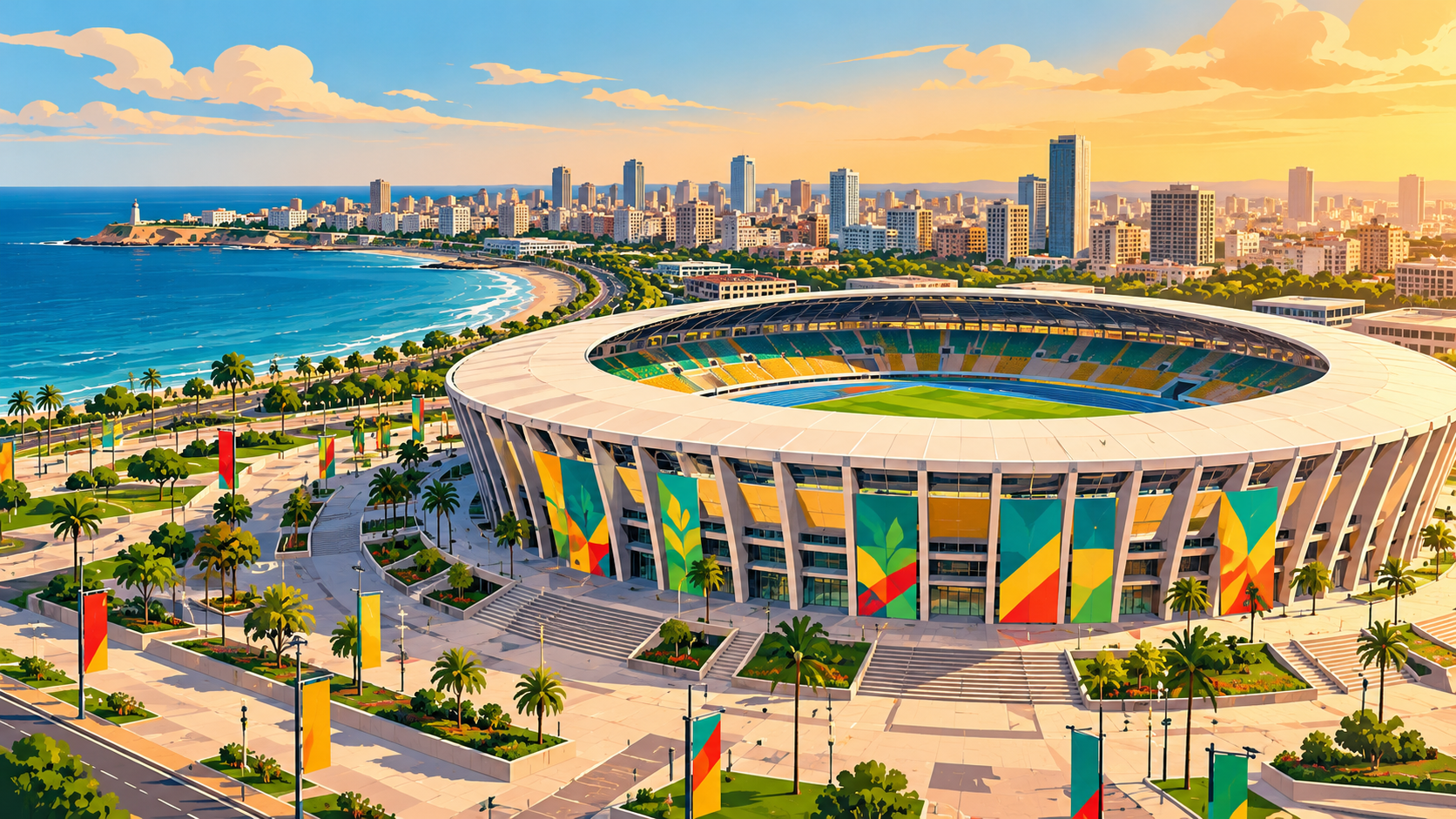
Dakar is Senegal’s capital and largest city, positioned on the Cap-Vert Peninsula along the Atlantic coast. As one of West Africa’s major urban centres, it is known for its busy port, historic landmarks, vibrant markets, music, art and strong cultural identity.
The city also serves as an important centre for Senegalese politics, business, education and tourism. Its coastal location and long history of trade have shaped its character, making it a meeting point for local traditions and international influences. For the Youth Olympic Games, Dakar offers more than a host city; it provides a window into Senegal’s culture and contemporary identity.
Dakar will not carry the event alone. The Games are spread across three host zones, each bringing a different setting to the competition. In the capital, venues including the Iba Mar Diop Stadium and the Tour de l’Œuf complex will host athletics, swimming, basketball 3x3, skateboarding, breaking and other events.
Diamniadio, about 30 kilometres east of Dakar, will host the Youth Olympic Village and competitions at facilities such as Dakar Arena, Abdoulaye Wade Stadium and the Dakar Expo Centre.
Saly, a coastal resort town around 80 kilometres from the capital, will provide a beach setting for events including beach volleyball, beach handball, sailing and coastal rowing.
The three-location arrangement also offers a chance to showcase more than sporting facilities. Senegalese hospitality, culture, food and public spaces are expected to feature prominently in the experience.
Organisers have also emphasised the use of existing venues, with refurbishments where necessary, rather than building an entirely new sporting landscape. It is a practical approach for a country hosting an event of this scale, particularly when the real measure of success should extend beyond the closing ceremony.
What Will Africa Do With This Moment?
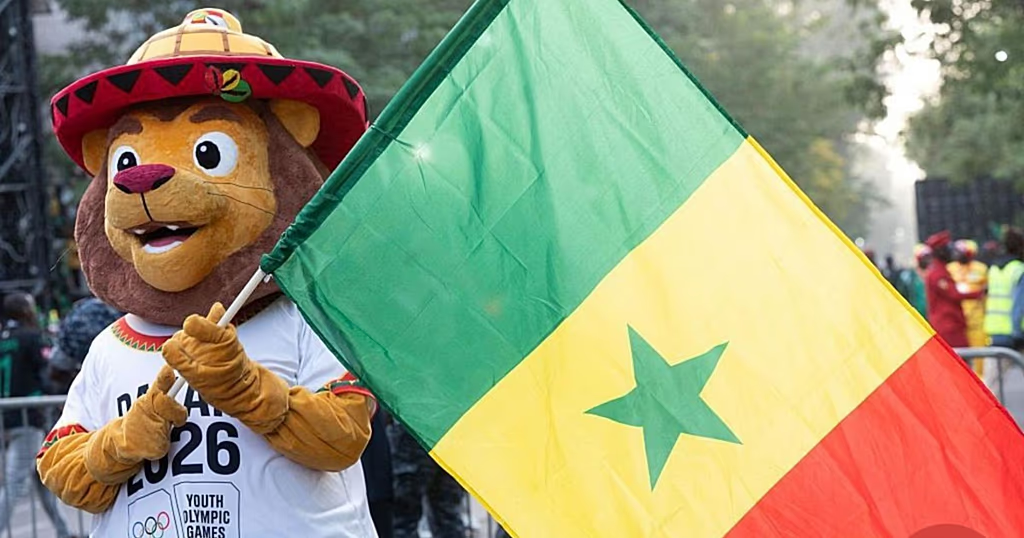
For African sport, the symbolism is difficult to overstate. The continent has produced Olympic champions and world-class athletes, yet it has never hosted the Olympic Games. Dakar 2026 does not change that particular record: it is a Youth Olympic event, not the Summer Olympics.
But it breaks an important barrier by bringing an Olympic sporting competition to Africa for the first time. It also gives young athletes the opportunity to compete on home-continent territory, while allowing local audiences to experience an international multi-sport event without travelling overseas.
The bigger question is what remains when the visitors leave. Can the venues support local sporting development? Will the event strengthen coaching, sports administration, tourism and youth participation? Can the experience help Senegal and other African countries build stronger arguments for hosting larger international competitions? These outcomes will require planning beyond the event itself, investment in grassroots sport and institutions capable of maintaining the momentum.
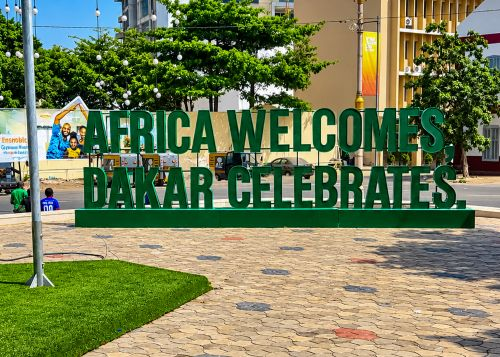
Dakar has been preparing for a moment that was once delayed but never abandoned. Now the world is watching. Africa welcomes, Dakar celebrates is the event’s motto. What matters next is ensuring that the celebration leaves something lasting for the young people whose future gives these Games their meaning.