Tanzania Found Gas Again After 10 Years. What Happened to Its Earlier Discoveries?
Tanzania has discovered 223 billion cubic feet of natural gas after 10 years without a new find. Its earlier discoveries reveal why major reserves remain undeveloped.
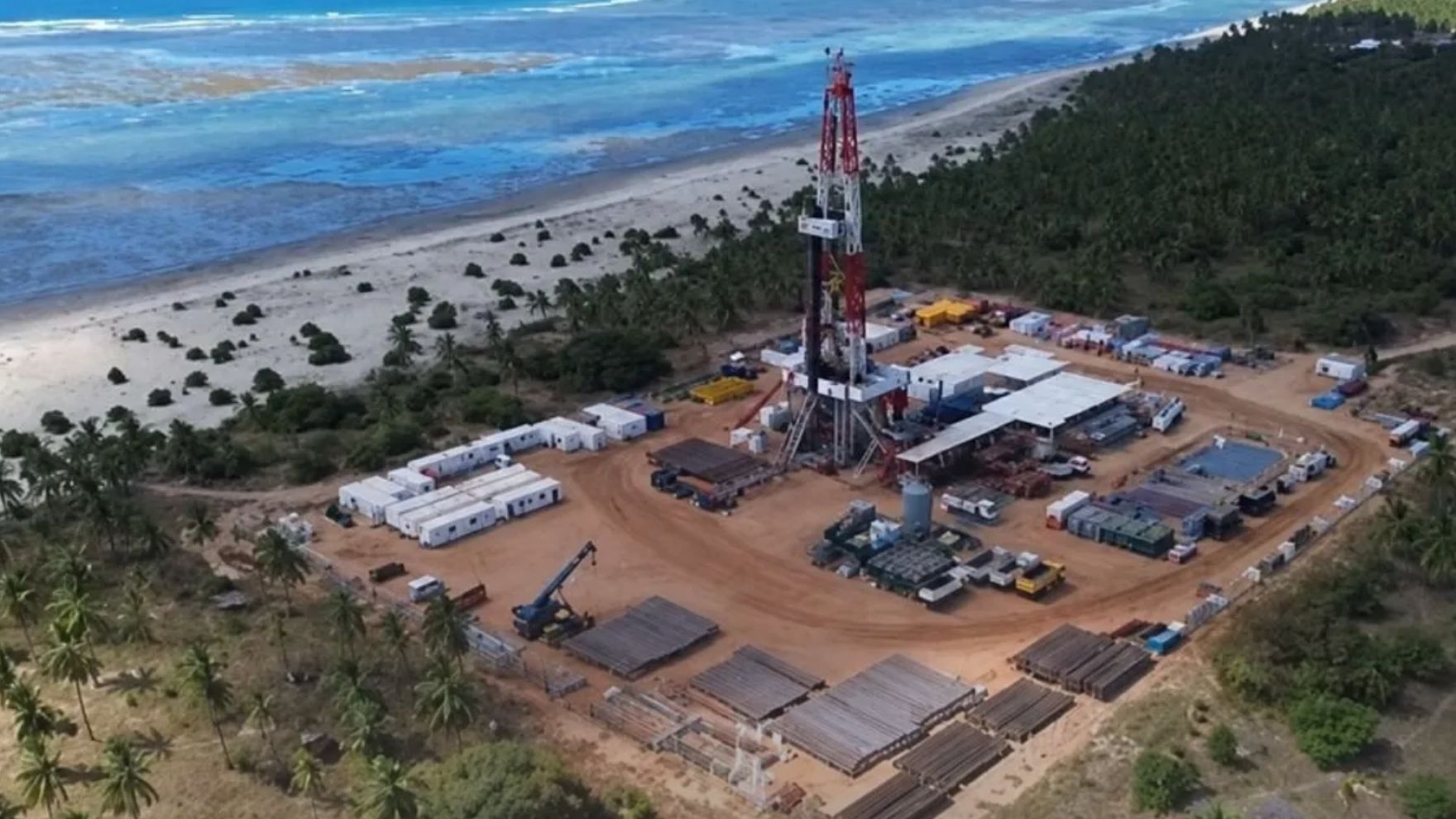
Tanzania has just found natural gas again since 2015. It announced a 223 billion cubic feet natural gas discovery at Mnazi Bay in the southern Mtwara region.
The Kasa-1X ST2 well was drilled by the Tanzania Petroleum Development Corporation (TPDC) and Maurel & Prom, a French operator. It has predicted that the first gas production could begin as early as November.
Before the announcement, Tanzania’s discovered reserves stood at about 57.5 trillion cubic feet.
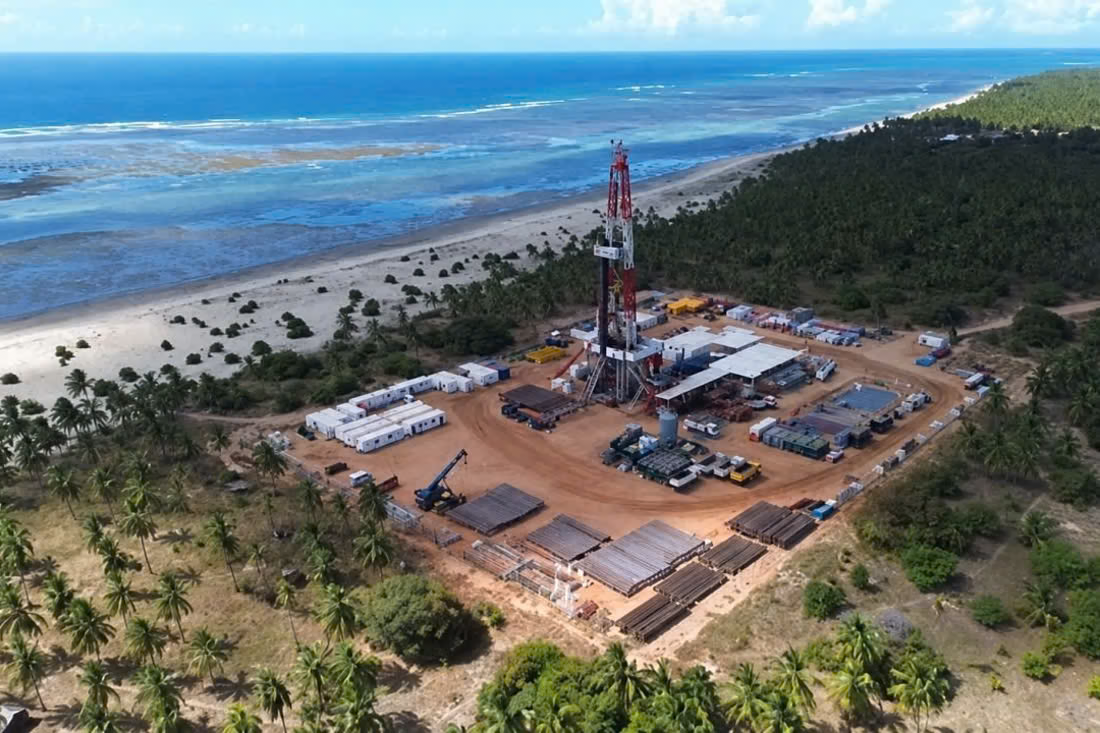
How Big Is the Mnazi Bay Gas Discovery?
At 223 billion cubic feet, the find is under 0.4% of Tanzania’s known gas reserves. For scale, the country’s entire annual gas output was about 110 billion cubic feet in 2017, so the new discovery equals roughly two years of that production.
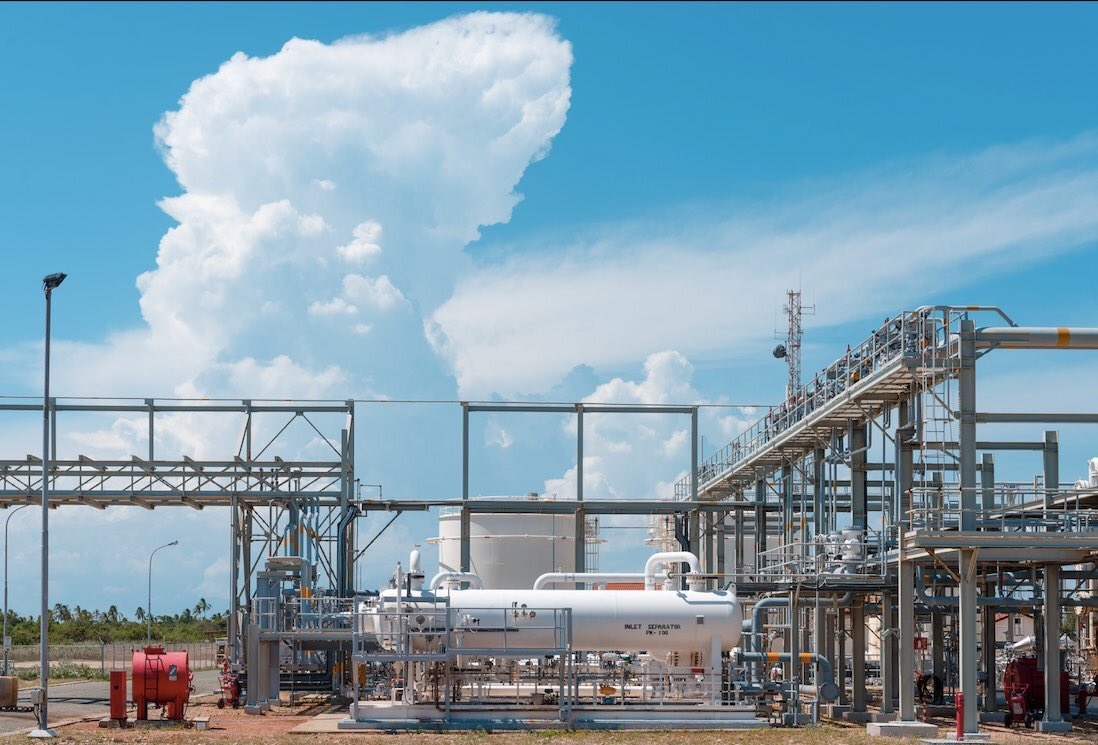
There is also value in its location. Mnazi Bay is an established producing block with a processing plant at Madimba and a pipeline to Dar es Salaam.
More than 80% of the gas from the block already feeds power plants in Mtwara and Dar es Salaam, so new volumes can be tied in quickly and cheaply, unlike remote deepwater gas.
What Happened to Tanzania’s Earlier Gas Discoveries?
Tanzania’s gas history started long before the last decade. Songo Songo Island produced the first discovery in 1974, and Mnazi Bay followed in the early 1980s. Commercial production did not begin until 2004 at Songo Songo and 2006 at Mnazi Bay.
The biggest wave came after 2010. This was when BG Group, Statoil and ExxonMobil found large gas deposits in deep water off the southern coast.
Statoil’s Zafarani well alone showed up to 5 trillion cubic feet in place in 2012. By the middle of the decade, reserves had climbed past 50 trillion cubic feet.
In 2016, Dodsal Group reported a 2.7 trillion cubic feet find in the onshore Ruvu Basin near Dar es Salaam and planned early production by 2018.
The discovery, however, didn’t lead to production. Most of that gas is still in the ground.
Is Tanzania Producing Natural Gas Today?

Tanzania is producing natural gas today, but that is only from the older, shallower fields. Output climbed from 5.2 billion cubic feet in 2006 to about 110 billion cubic feet in 2017 and all of it was consumed at home. Songo Songo, Mnazi Bay and Kiliwani North supply the gas.
A 542km pipeline from Mtwara to Dar es Salaam, financed largely by a $1.2 billion Exim Bank loan, carries gas to power stations such as Kinyerezi and Ubungo.
Some estimates now put gas at more than 60% of Tanzania’s grid electricity. The deepwater finds that made headlines after 2010 remain undeveloped.
Why Did It Take More Than 10 Years to Find New Gas?
After the 2010 to 2015 discoveries, the focus shifted from drilling to negotiating how to develop what had been found.
In 2016, Statoil warned that global LNG markets were well supplied and that Tanzania’s export project faced years of delay, which cooled appetite for fresh exploration.
The latest find also came from drilling inside an existing producing block, where infrastructure already exists.
A large part of Tanzania’s offshore gas is still underdeveloped, and the major reason is the Tanzania LNG project.
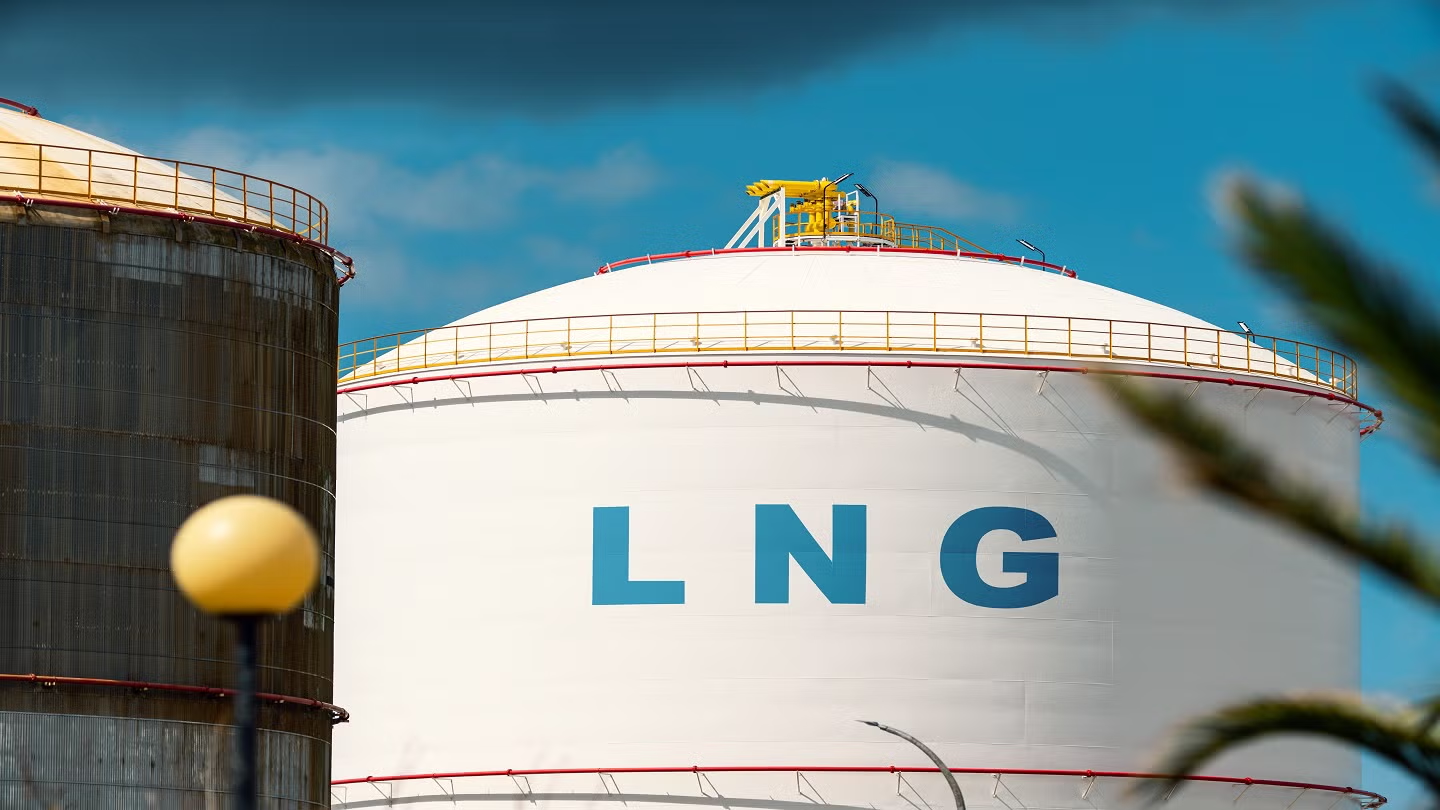
Image credit: OffShore Technology
Equinor’s Block 2 is estimated to hold more than 20 trillion cubic feet, and Shell’s Blocks 1 and 4 around 16 trillion. Turning that into revenue requires an onshore liquefaction plant at Lindi producing at least 10 million tonnes a year. This is a project now priced at about $42 billion.
A framework agreement was signed in 2022, but the final host government and production sharing agreements have dragged on.
The government has said the delays reflect its push for stronger protection of national interests in the contracts.
As of April 2026, officials said talks were nearing the final stage, yet no final investment decision has been taken. Mozambique, next door, has already started exporting LNG.
Can Tanzania Become a Major East African Gas Supplier?
There is a real potential but it still depends on the offshore fields, not Mnazi Bay. A find of 223 billion cubic feet cannot make a regional supplier on its own.
Tanzania’s 57.5 trillion cubic feet places it among Africa’s larger gas holders, yet reserves only count once they are produced and shipped.
Without the Lindi LNG plant, Tanzania remains a domestic gas producer. With it, the country could become a serious LNG exporter, though Mozambique’s far larger offshore resource and earlier start give it a head start in the region.
What to Watch After the Tanzania Gas Discovery
Three things will decide how much this find matters: whether first gas flows in November as Maurel & Prom has indicated, whether the small-scale LNG deals close, and whether the Lindi LNG agreements are finally signed and followed by a final investment decision.
The Mnazi Bay discovery is a useful boost to domestic supply and power generation. The real test of Tanzania’s gas ambitions is still offshore.