Why Does Fuel Keep Getting More Expensive in Nigeria, No Matter Who Becomes President?
From 6 kobo to over ₦1,000 per litre, Nigeria's petrol prices have risen under successive governments. Who increased them, why, and how did Nigerians fight back?
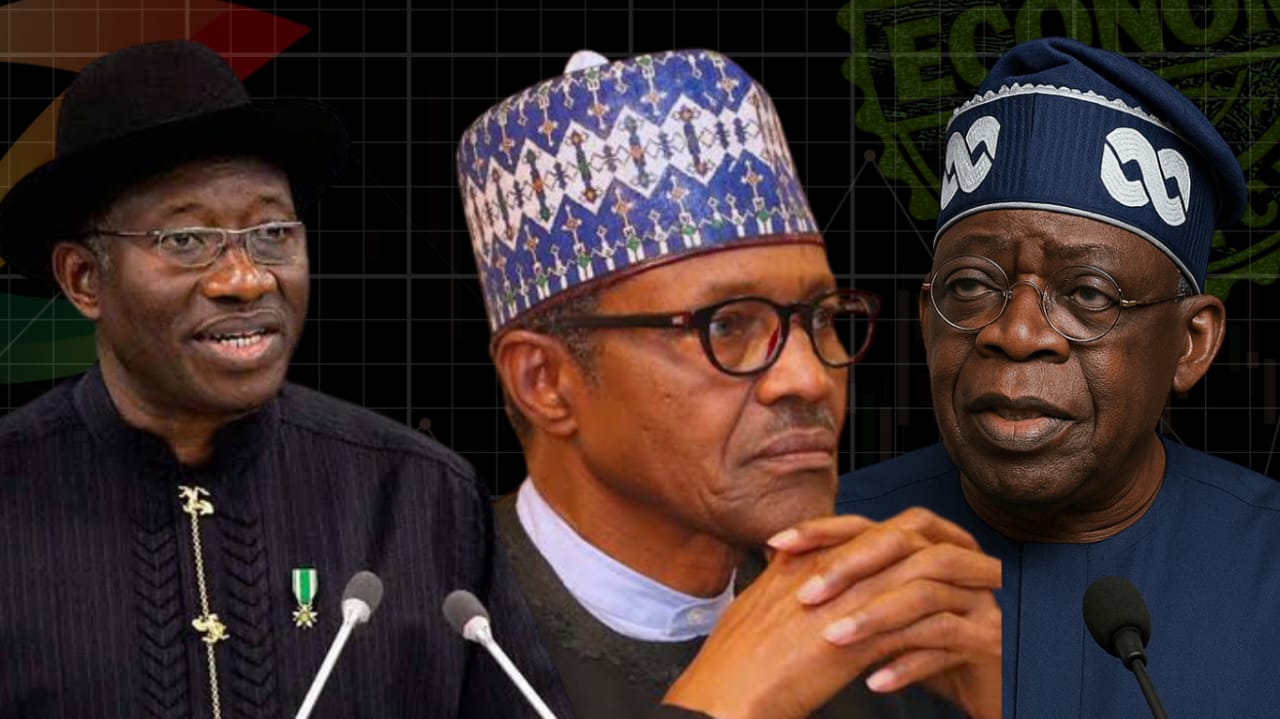
Imagine buying petrol for just 6 kobo per litre, and today, that sounds almost unbelievable, especially when Nigerians are paying more than ₦1,000 for the same quantity.
For decades, successive Nigerian governments have increased petrol prices, often promising that the sacrifices would eventually benefit the country. Some blamed economic difficulties, others pointed to rising import costs, while several argued that removing fuel subsidies would free money for development.
But for ordinary Nigerians, the story has often been different: higher transport fares, more expensive food, struggling businesses, and protests demanding government accountability.
Interestingly, petrol price increases did not begin with President Bola Tinubu, Muhammadu Buhari, or Goodluck Jonathan. The history stretches back to Nigeria's military governments.
So, which leaders increased petrol prices, why did they do it, and what happened afterwards?
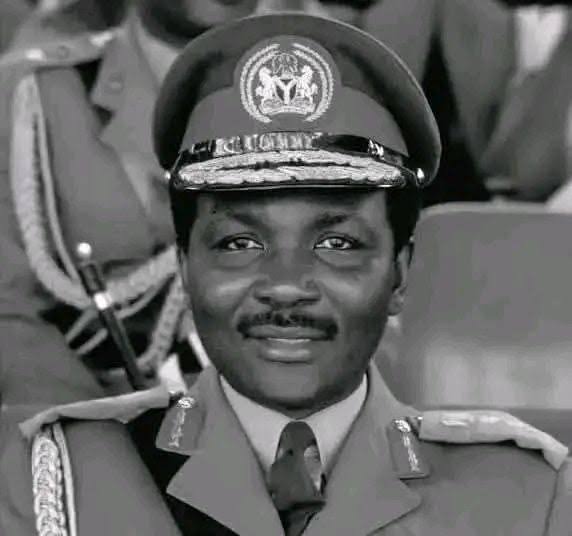
From Gowon to Babangida: How Nigeria's Fuel Price Increases Began
Nigeria's history of petrol price increases dates back to the military administration of General Yakubu Gowon.
In 1973, petrol rose from approximately 6 kobo to 8.45 kobo per litre, and although the amount appears insignificant today, it marked an early increase in government-controlled petrol prices.
Under General Murtala Muhammed, the price increased again in 1976, reaching approximately 9 kobo.
General Olusegun Obasanjo, who succeeded Murtala Muhammed, raised petrol prices to approximately 15.3 kobo in 1978.

When civilian President Shehu Shagari took office, the trend continued, but in April 1982, petrol increased from about 15.3 kobo to 20 kobo per litre as the government faced economic pressure and declining oil revenues.
However, the situation became more controversial under General Ibrahim Babangida.
His administration introduced the Structural Adjustment Programme in 1986, which involved currency devaluation and economic reforms.
Petrol prices increased from 20 kobo to 39.5 kobo in 1986, followed by further adjustments in 1988, 1989, and 1991.
The government argued that economic restructuring was necessary, but many Nigerians experienced rising living costs and declining purchasing power.
Public anger over Babangida's economic policies contributed to protests and labour resistance.
For Nigerians, fuel was gradually becoming more than a commodity. It was becoming a symbol of government decisions that affected everyday survival.
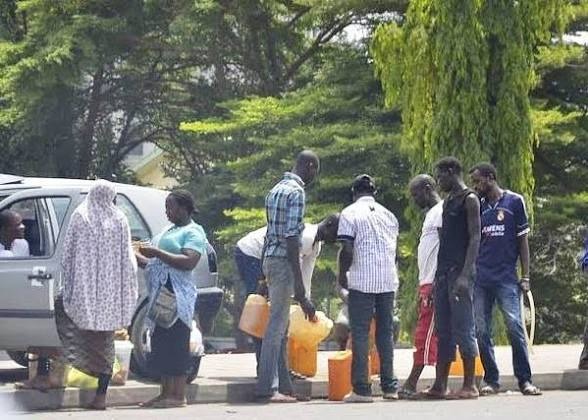
Shonekan, Abacha and Abdulsalami: When Petrol Prices Became a Political Battle
The 1990s brought some of Nigeria's most dramatic petrol price adjustments.
In November 1993, the interim government of Ernest Shonekan increased petrol from approximately 70 kobo to ₦5 per litre.
The decision triggered widespread opposition, including protests and labour unrest, during an already tense political period following the annulment of the June 12 presidential election.
When General Sani Abacha seized power, he initially reduced the price to ₦3.25.
However, in 1994, his government increased it to approximately ₦11 per litre.
The administration defended its pricing decisions as necessary for government revenue and economic management. Nigerians, meanwhile, faced increased transportation and household expenses.
After Abacha's death in 1998, General Abdulsalami Abubakar introduced another major increase.
Petrol rose to approximately ₦25 per litre before public opposition and organized labour pressure forced a reduction to ₦20 in January 1999.
These events established a recurring pattern: governments announced price increases, Nigerians protested, and authorities sometimes responded with partial reductions.
But the underlying problem remained unresolved.

Obasanjo, Yar'Adua and Jonathan: The Subsidy Argument That Divided Nigerians
When Olusegun Obasanjo returned as civilian president in 1999, petrol was approximately ₦20 per litre.
His administration introduced several increases, taking the price through ₦22, ₦26 and higher levels during his eight-year presidency.
By the end of his administration in 2007, petrol had reached approximately ₦75 per litre.
Obasanjo argued that reducing government intervention in fuel pricing would encourage investment, eliminate waste, and improve the petroleum sector.
However, organized labour repeatedly challenged his government's decisions through strikes and protests.
His successor, Umaru Musa Yar'Adua, reduced petrol prices to ₦65 per litre, and his administration is better remembered for reversing an increase than introducing a major new one.
Then came Goodluck Jonathan and one of Nigeria's most memorable fuel protests.
On January 1, 2012, Jonathan's government removed petrol subsidies, raising the official price from ₦65 to approximately ₦145 per litre.
The administration argued that subsidies consumed enormous public funds and that the savings could support infrastructure and social programmes.
But Nigerians were unconvinced.
The announcement triggered the Occupy Nigeria protests, with demonstrations across Lagos, Abuja, Kano and other cities.
Trade unions organized nationwide strikes, businesses shut down, and protesters accused the government of imposing additional hardship without addressing corruption.
Some demonstrations turned violent, and lives were lost.
Under mounting pressure, Jonathan's administration partially reversed the decision, reducing petrol to ₦97 per litre.
The protests demonstrated something important: Nigerians were not simply rejecting economic reform. Many questioned whether the government could be trusted to spend subsidy savings responsibly.
Buhari and Tinubu: From ₦87 to Over ₦1,000 Per Litre
When Muhammadu Buhari became president in 2015, petrol cost approximately ₦87 per litre.
In May 2016, his administration increased the price ceiling to ₦145, citing foreign exchange difficulties, fuel shortages, and the need to allow marketers to import petrol.
Nigerians criticized the decision, particularly because Buhari's government had promised economic relief.
Labour unions protested, although the reaction was less extensive than the 2012 demonstrations.
But during the COVID-19 pandemic in 2020, petrol prices initially fell alongside global oil prices before rising again.
By the final months of Buhari's administration, the official petrol price remained around ₦185 in many locations, although shortages and unofficial charges meant consumers sometimes paid considerably more.
Then came Bola Ahmed Tinubu.
During his inauguration on May 29, 2023, Tinubu declared that the petrol subsidy was gone.
Within days, pump prices jumped from approximately ₦185 to more than ₦500 per litre.
The administration argued that the subsidy was financially unsustainable and that removing it would redirect resources towards development.
But the consequences were immediate.
Transport fares increased, food distribution became more expensive, and businesses dependent on petrol generators struggled with operating costs.
Further increases followed as the naira weakened and market-based pricing exposed consumers to exchange-rate movements and international oil prices.
By October 2026, petrol was selling for approximately₦1,350–₦1,400 per litre at several filling stations in Lagos, while some Abuja stations charged over ₦1,400.
The government introduced temporary retail discounts and other relief measures, but these did not restore the previous subsidy system.
Nigerians responded with widespread criticism, organized labour action, and the August 2024 #EndBadGovernance protests, which reflected broader frustration over living costs and economic hardship.
The controversy continues because petrol prices now depend heavily on market conditions rather than a fixed government-approved price.
And that raises a difficult question: After decades of Nigerians being told to endure higher fuel prices for a better economy, how much longer should they wait to experience the promised benefits?