Benin, Ghana, and Rwanda Are Testing Cross-Border Digital Identity Verification. What Could This Change?
Benin, Ghana, and Rwanda have completed the first phase of a cross-border digital ID pilot. What could it mean for African travel, trade, privacy, and inclusion?
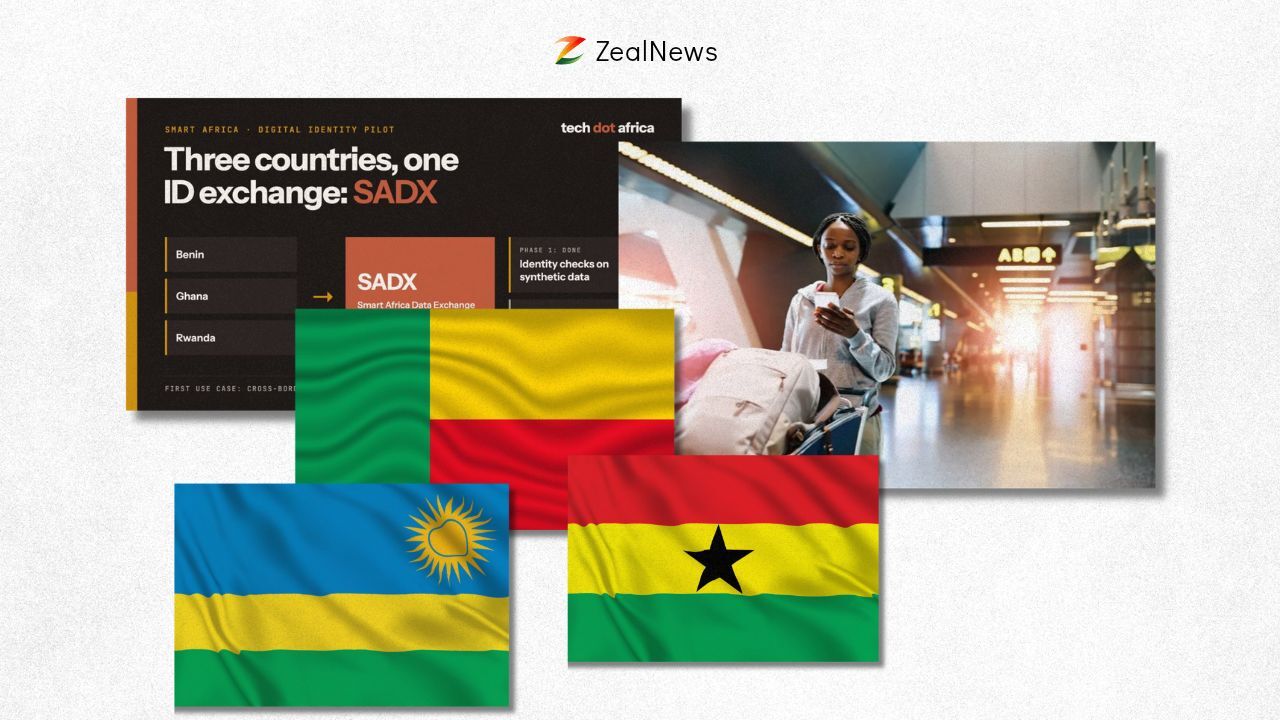
Imagine travelling to another African country to attend a business meeting, study, or take up a job, only to discover that proving who you are has become another obstacle to getting things done.
Your national identity card may be valid at home, but the institution checking it across the border may have no straightforward way to verify it. The problem is not necessarily that you lack identification; it is that the systems responsible for recognising it do not always speak the same language. Benin, Ghana and Rwanda are taking a step towards changing that.
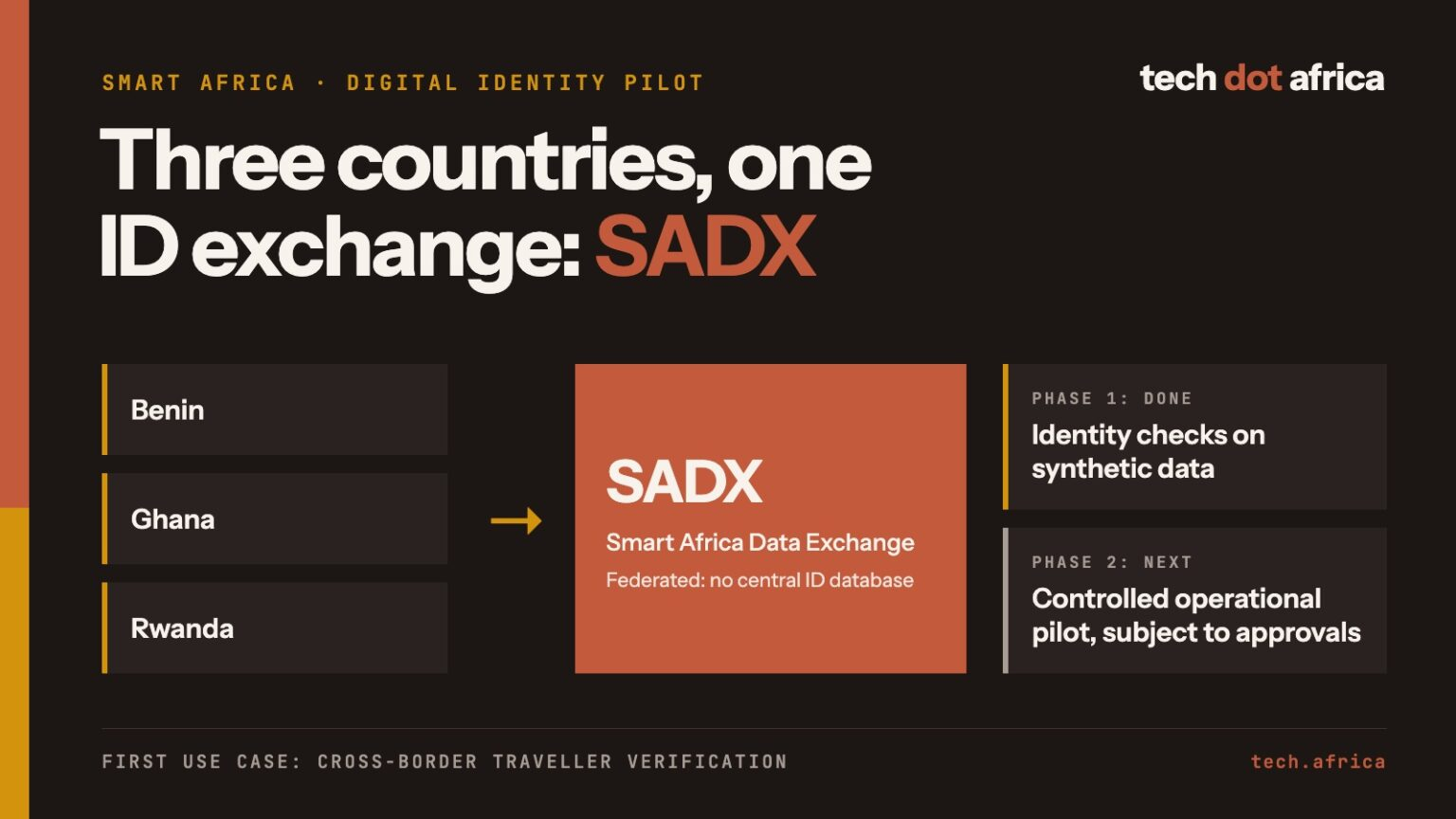
On October 20, 2026, Smart Africa announced that the three countries had completed the first phase of a pilot connecting their national identity systems through the Smart Africa Data Exchange (SADX). The test successfully demonstrated cross-border digital identity verification using synthetic data in a controlled environment, meaning real citizens’ records were not used.
The initiative combines SADX, the infrastructure for exchanging and verifying information, with the Smart Africa Trust Alliance (SATA), which provides a framework for cooperation and governance. Rather than creating one central database for the continent, the model is designed to let each country retain control of its national identity records. The next phase will prepare a controlled operational pilot, subject to national approvals, security assessments and operational readiness.
What Cross-Border Digital Identity Could Change
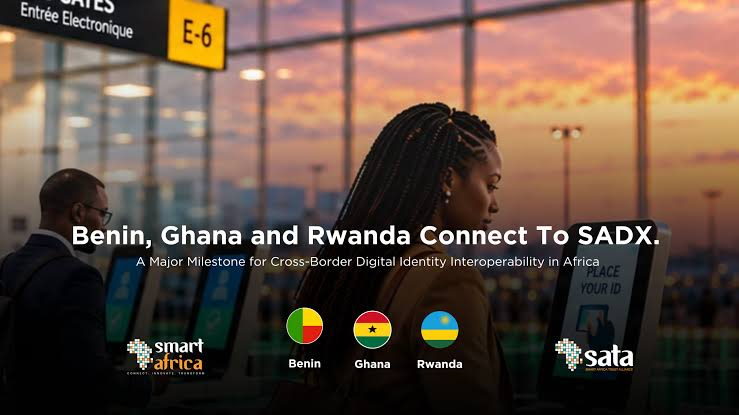
The first potential benefit is straightforward: less friction when people cross borders. Smart Africa envisages a traveller’s identity being checked against official records in their home country, potentially through automated airport gates. The same principle could eventually help businesses verify their registration abroad, professionals establish their qualifications in another country, or travellers confirm relevant health records. These are proposed future applications, not services already available to the public.
If implemented successfully, the system could support the African Continental Free Trade Area’s ambitions by making it easier for people and businesses to move, work and transact across national boundaries.
Africa has spent years discussing regional integration, often through agreements, summits and ambitious declarations. Yet integration is experienced in ordinary moments: registering a business, confirming a qualification, opening an account or proving that a document is legitimate.
When national systems cannot recognise one another, even a person with the correct paperwork can face delays and repeated checks. Connecting those systems could reduce some of this administrative friction. The bigger opportunity is not simply faster travel; it is making cross-border participation in Africa’s economy less complicated.
The Questions of Trust, Privacy and Inclusion
But a digital connection is not the same as trust. The pilot’s federated design is an important starting point because it avoids placing everyone’s identity records in a single continental database. Still, information can be exposed, misused, or intercepted even when records remain in separate national systems.
Questions remain about who can request verification, what information is shared, how long transaction records are retained, who investigates a breach, and what happens when a country’s system is compromised. Governments must answer these questions before the technology becomes part of everyday life, not after something goes wrong.
There is also the question of power. A digital identity system can make access easier for people whose records are accurate and whose credentials are recognised. It can also make exclusion more efficient when a record is missing, a name is inconsistent, a system fails, or an individual cannot resolve an error.

People with limited internet access, weak documentation or difficulties navigating digital services must not become collateral damage in the pursuit of modernisation. A person should not lose access to a legitimate service simply because a computer cannot confirm what a human authority could investigate. Accessible appeals, human review and alternatives when systems are unavailable will matter as much as the technology itself.
The African Union’s interoperability framework already points towards a model in which people retain control over their personal data and disclose only the information necessary for a particular transaction.
That principle deserves practical enforcement across participating countries. The initiative also raises a broader question: can governments agree on common standards, accountability and protections while maintaining national sovereignty?
Nineteen countries have signed the SATA Declaration, creating a potential route for wider participation, but expansion should depend on demonstrated safeguards and public confidence, not connectivity alone.
Benin, Ghana and Rwanda have demonstrated a technical possibility, not yet a continent-wide solution. The next test will be whether the system works reliably in real situations and whether citizens can trust the institutions operating it. Africa does not only need systems that recognise identities across borders.
It needs systems that recognise the people behind those identities, protect their rights and give them a fair way to challenge mistakes. Otherwise, the continent may make its databases interoperable without making life meaningfully easier for the people they are meant to serve.