Spotlight on Africa: 10 Nigerian Artefacts That Reveal How Far Back the Country’s Artistic History Goes
Here are 10 Nigerian artefacts, from Benin Bronzes and Ife Heads to Nok Terracotta and Ikom Monoliths, that reveal the depth of Nigeria’s artistic history.
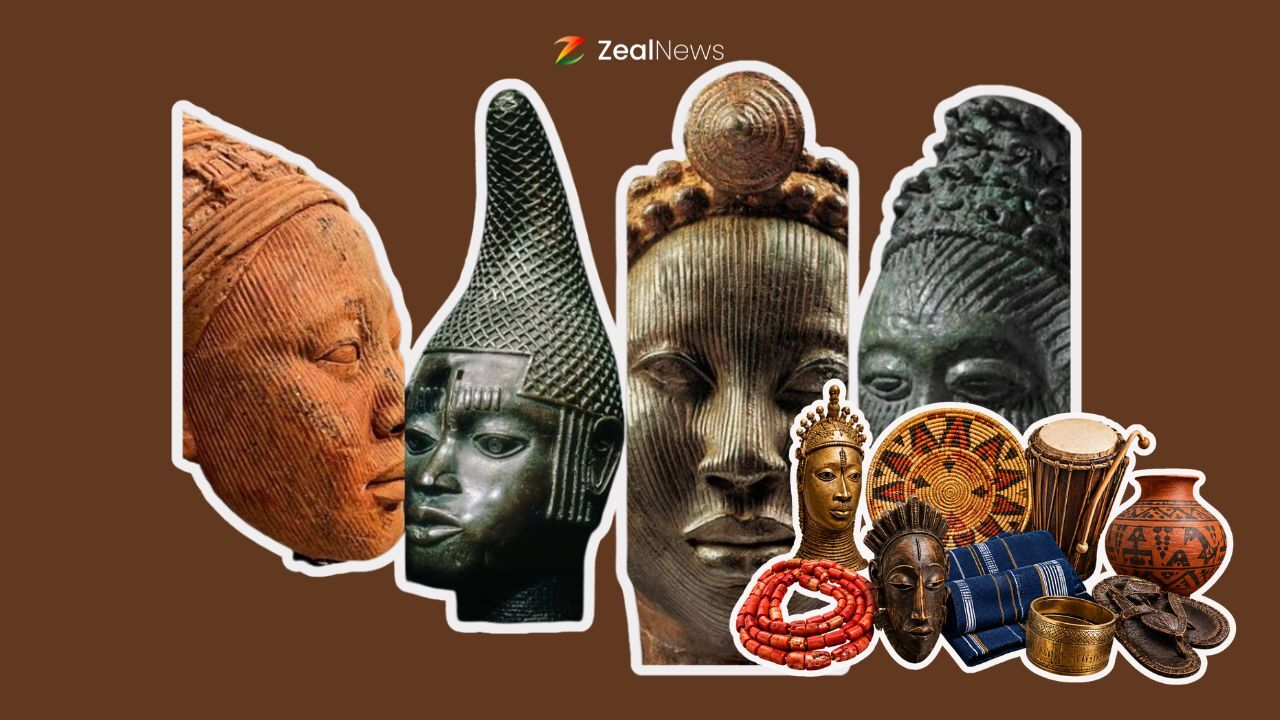
When people talk about Nigeria’s history, the conversation often begins with colonialism, independence, or the formation of the modern state in 1914.
But long before these milestones, communities across the territory now called Nigeria were producing intricate sculptures, casting metals, carving stone, and developing artistic traditions that continue to attract global attention.
Some of these works are celebrated internationally, while others remain less familiar to the people whose history they represent. Here are ten Nigerian artefacts that reveal how much of the country’s past can be found in the objects it left behind.
The Artworks That Tell Stories of Ancient Nigeria
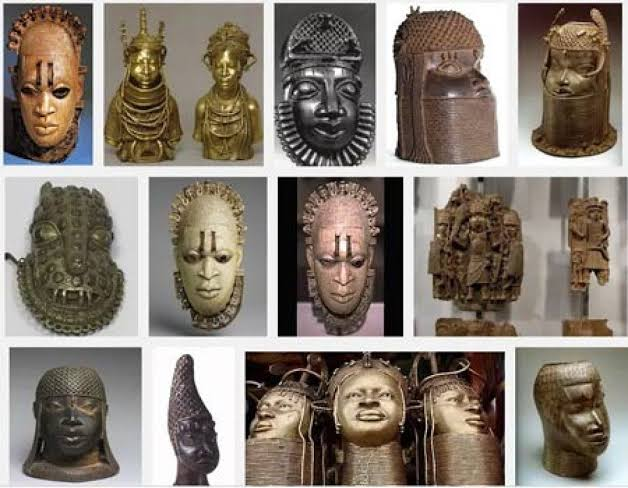
Image source: Tribune Online
1. Benin Bronzes (Edo): Produced by skilled artists of the Kingdom of Benin, these brass and bronze plaques, heads and sculptures documented royal ceremonies, court life and political authority. Many were looted by British forces during the 1897 invasion of Benin City, and their continued presence in foreign museums has made them central to debates about restitution and cultural ownership.
2. Ife Heads (Yoruba): Dating largely to the 12th–15th centuries, the copper-alloy and terracotta heads associated with Ile-Ife are renowned for their remarkably naturalistic facial features. Their precision challenges the assumption that sophisticated artistic traditions emerged in Africa only after extensive European contact.
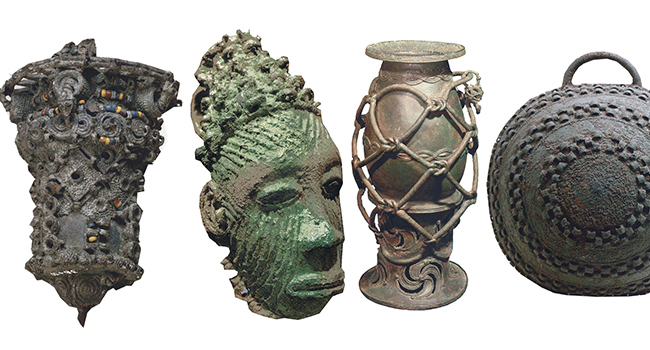
Image source: Tribune Online
3. Igbo-Ukwu Bronzes (Igbo):Discovered in 1938, these intricately decorated metal objects are associated with a tradition dating to around the 9th century. Ritual vessels, ornaments, and regalia reveal advanced metalworking techniques, including the use of lost-wax casting, centuries before colonial rule.
4. Queen Idia Ivory Mask (Benin): Associated with Queen Idia, the influential mother of Oba Esigie in the 16th century, this carved ivory mask represents the political and spiritual significance of royal women in Benin history. Its image became the emblem of FESTAC ’77, connecting an earlier royal tradition to a major celebration of African culture.
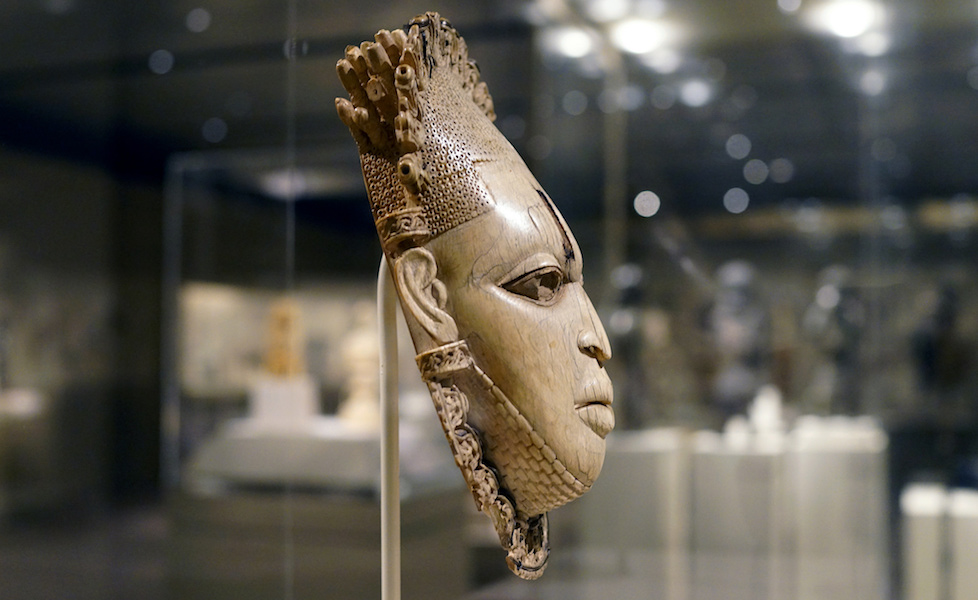
Image source: SmartHistory
5. Tada Bronzes (Lower Niger region): The famous seated figure from Tada belongs to a group of metal sculptures associated with the Lower Niger region. Their precise origins, dates, and cultural affiliations require careful interpretation, but the works demonstrate that sophisticated metal casting extended beyond the better-known artistic centres of Benin, Ife and Igbo-Ukwu.
6. Jebba Bronzes (Lower Niger region): Sculptures associated with Jebba Island, including a well-known kneeling figure, form part of the wider body of Lower Niger metalwork. Their significance lies partly in the questions they raise about artistic exchange, local traditions and the communities that produced them.
7. Esie Soapstone Figures (Kwara State): More than a thousand human and animal figures have been associated with Esie, making the collection one of Nigeria’s most distinctive sculptural discoveries. Their exact origins and original purposes remain subjects of research, although studies place much of the tradition broadly between the 12th and 15th centuries.
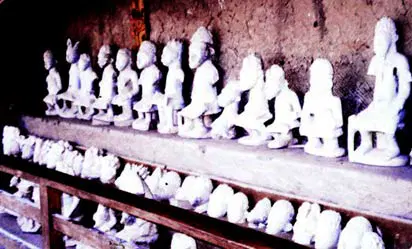
Image credit: Vanguard News
Culture
Read Between the Lines of African Society
Your Gateway to Africa's Untold Cultural Narratives.
8. Owo Artefacts (Ondo State): Terracotta and ivory works from Owo reveal a major artistic tradition with connections to the wider cultural histories of Ife and Benin. Their styles and imagery offer clues about the relationships between communities, even as scholars continue to examine how those connections developed.
9. Ikom Monoliths (Cross River State): These carved stone pillars bear faces, geometric patterns, and other symbols associated with communities in the region, particularly the Ejagham. Their meanings and precise dates remain debated, making them important not only as artworks but also as reminders of how much local history still requires investigation.
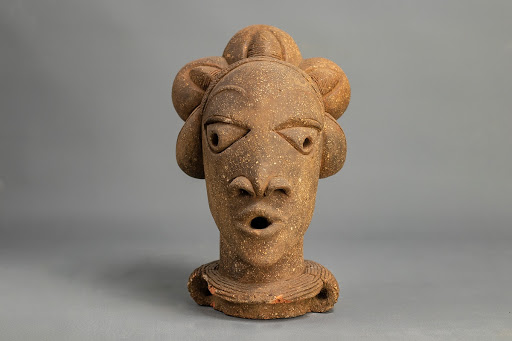
Image source: Google Arts & Cultures
10. Nok Terracotta (Central Nigeria): Dating to approximately 500 BC–200 AD in the National Commission for Museums and Monuments’ collection, Nok sculptures are among the earliest known examples of figurative art in Nigeria.
Their distinctive eyes, elaborate hairstyles and expressive faces also accompany evidence of early ironworking, placing Nok among the region’s significant archaeological traditions.
More Than Objects in Museum Cases

These artefacts are not simply old objects to admire. They preserve evidence of how communities understood power, spirituality, beauty, technology and their place in the world. Yet the histories surrounding them are not equally well understood, and some remain caught between questions of ownership, interpretation and preservation.
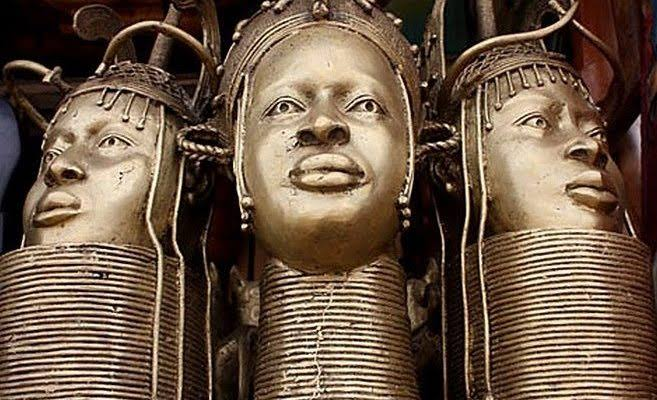
Image credit: Premium Times
Knowing these works means recognising that Nigeria’s history did not begin with colonial administration, nor did its artistic achievements depend on outside validation.
The objects are already evidence of the creativity and technical knowledge that existed across these communities. The challenge is to preserve them, research what remains uncertain, and make their stories more accessible to Nigerians themselves.