Why Can’t Countries Just Print More Money to End Poverty?
Why can’t a country print its way out of poverty? Explore how money creation, inflation, currency depreciation and economic production shape a country’s wealth.
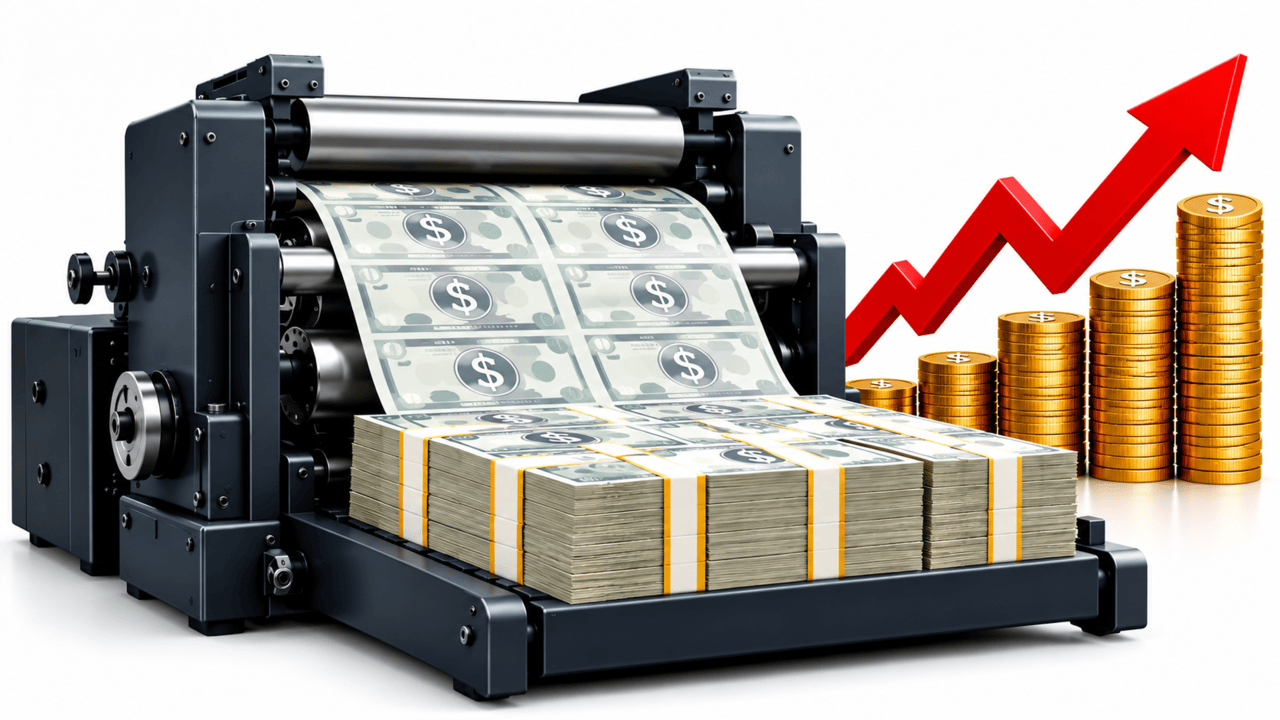
If a government can create its own currency, why does it need to collect taxes, borrow money or wait years for the economy to grow? Why not create enough money to pay public workers, build hospitals, improve roads and help people struggling with poverty?
The question becomes more complicated when we consider what money can actually buy, and what a country needs to produce before its people can enjoy a better standard of living.
What Actually Makes an Economy Richer?
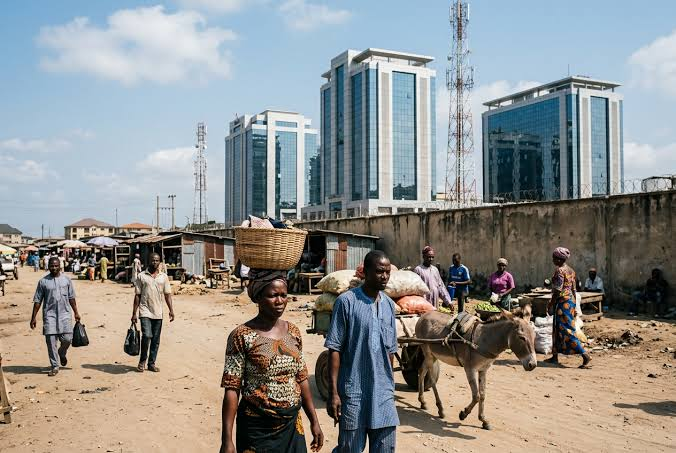
Money helps us exchange goods and services, but having more money in circulation does not mean an economy can produce more.
A farmer still needs the right equipment and supplies to grow more food. A factory needs reliable electricity to increase production. Businesses need roads, transport and workers with the skills to do their jobs. When these things improve, the country can produce and sell more, creating opportunities for higher incomes.
If production remains the same, extra money does not automatically create more food, houses, medicines or jobs.
And even when an economy grows, the benefits may not reach everyone equally.
What If There Is More Money Than Goods?
To understand this properly, there is Tayo in the market who has 50 bags of rice for sale for the total sum of ₦500,000 and there are a number of buyers who have a combined ₦1 million to spend. The money available doubles but the number of bags remains unchanged, buyers have more money competing for the same supply.
If the same thing happens across many markets, the general price level can rise and this is one way Inflation can develop.
There are other reasons prices rise, too. Poor harvests, higher transport costs, a weaker currency and disruptions to production can all make goods more expensive. Printing more money is not the cause of every price increase, and adding money to an economy does not always lead to immediate inflation.
But when money creation repeatedly outpaces the supply of goods and services, the consequences can reach far beyond the market.
Wages may fail to keep up with prices, savings can lose value and imported goods can become more expensive if the currency weakens. Government projects may also cost more, leaving public funds unable to buy as much as expected.
These outcomes are not inevitable whenever a country creates additional money. The risks increase when money creation persistently outpaces production or becomes a way to finance government deficits without a sustainable fiscal plan.
Who Creates Money, and What Would Happen If Nigeria Created More Naira?

Money creation is not limited to printing physical banknotes. Central banks issue currency and influence monetary conditions, while commercial banks create much of the money used in everyday transactions when they lend and credit borrowers’ accounts with deposits.
Governments can obtain money from central banks to help cover spending. Used persistently to finance budget deficits, this can add to demand without increasing the supply of goods and services.
If confidence in the naira suffers, pressure on the exchange rate can make imported goods and the materials businesses need more expensive.
Nigeria’s monetary figures show why the amount of money in circulation needs to be considered alongside other economic indicators.
TheCentral Bank of Nigeria’s money and credit statistics put broad money, measured by M3, at approximately ₦133.25 trillion in June 2026 and ₦139.38 trillion in August, which represents an increase of about 4.6 per cent over two months.
Meanwhile, the National Bureau of Statistics reported annual headline inflation of 14.63 per cent in September 2026, with food inflation at 19.59 per cent.
These figures measure different things. Growth in the money supply does not tell us how much wealth Nigerians have gained, and the figures alone cannot establish that money-supply growth caused inflation.
Nigeria’s price pressures have involved food supply constraints, exchange-rate movements and deficit financing, among other factors. The International Monetary Fund’s 2026 assessment also noted that tighter monetary policy and changes in foreign-exchange management had contributed to improved macroeconomic stability.
Creating more naira cannot, by itself, reduce the cost of transporting food, improve electricity supply or increase domestic production. Those changes require investment, functioning infrastructure and businesses able to produce and distribute goods efficiently.
Countries That Printed More Money but Did Not Become Richer
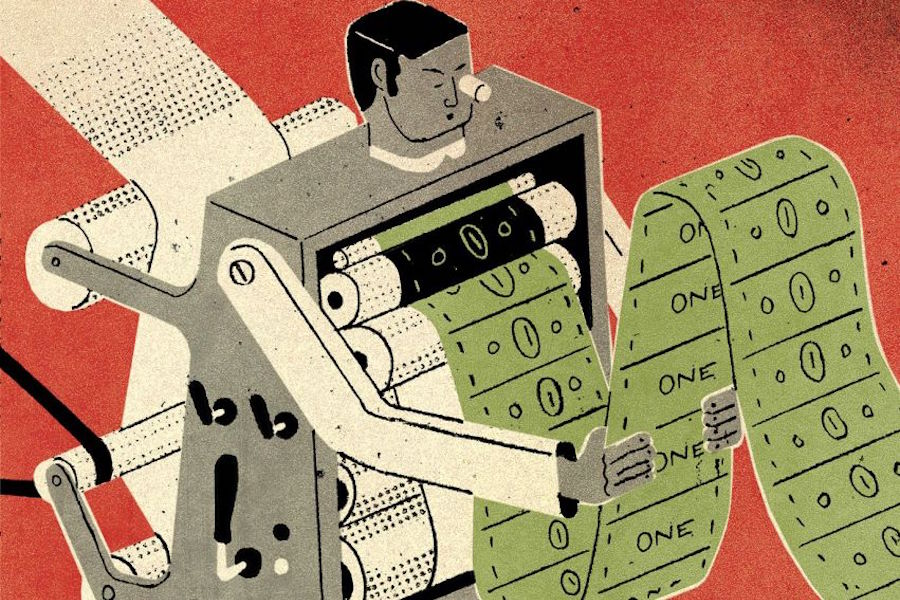
Zimbabwe shows how badly things can go when money creation continues while an economy is struggling.
During the crisis of the 2000s, the Reserve Bank of Zimbabwe financed extensive quasi-fiscal activities, contributing to rapid monetary expansion. The country was also experiencing a deteriorating business environment and falling economic output. Inflation spiralled into hyperinflation, and the local currency lost its usefulness for many everyday transactions.
According to theInternational Monetary Fund’s assessment of Zimbabwe, real gross domestic product fell by an estimated 14 per cent in 2008, following a cumulative decline of about 40 per cent between 2000 and 2007. Creating more money had not restored the production the country was losing. As prices surged, people needed increasingly large amounts of currency to buy ordinary goods.
Suriname experienced a different but related problem. In 2015, its central bank extended loans to the government equivalent to 11.6 per cent of GDP to cover a widening budget deficit. An IMF analysis records that inflation rose from 3.9 per cent in 2014 to 25.1 per cent in 2015 and 52.4 per cent in 2016. Inflation later stabilised in the single digits after monetary financing was restricted, before renewed government financing and fiscal pressures contributed to another crisis around 2020.
Zimbabwe and Suriname faced different economic pressures, but both illustrate the risks of relying on central-bank financing to cover persistent deficits.
Why Printing Money Cannot End Poverty on Its Own
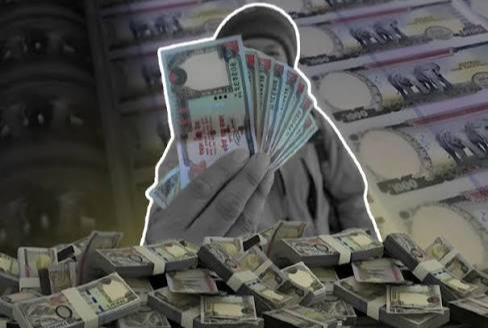
Governments need money to pay public workers, build infrastructure and provide essential services. But creating more currency does not guarantee that people will have more food, better healthcare or higher incomes. If money creation pushes prices up faster than incomes, people may end up worse off despite having more money in their accounts.
For poorer countries, lasting progress depends on producing more, bringing down the costs that hold businesses back and creating opportunities for people to earn better incomes. A government can print money, but it cannot print more food, reliable electricity or productive jobs.