Harry Kane Just Won the 2026 Ballon d’Or. Decades Ago, Pelé Wasn’t Even Eligible
Harry Kane’s 2026 Ballon d’Or win revives football’s history of exclusion, from Pelé and Maradona’s ineligibility to George Weah’s historic victory in 1995.
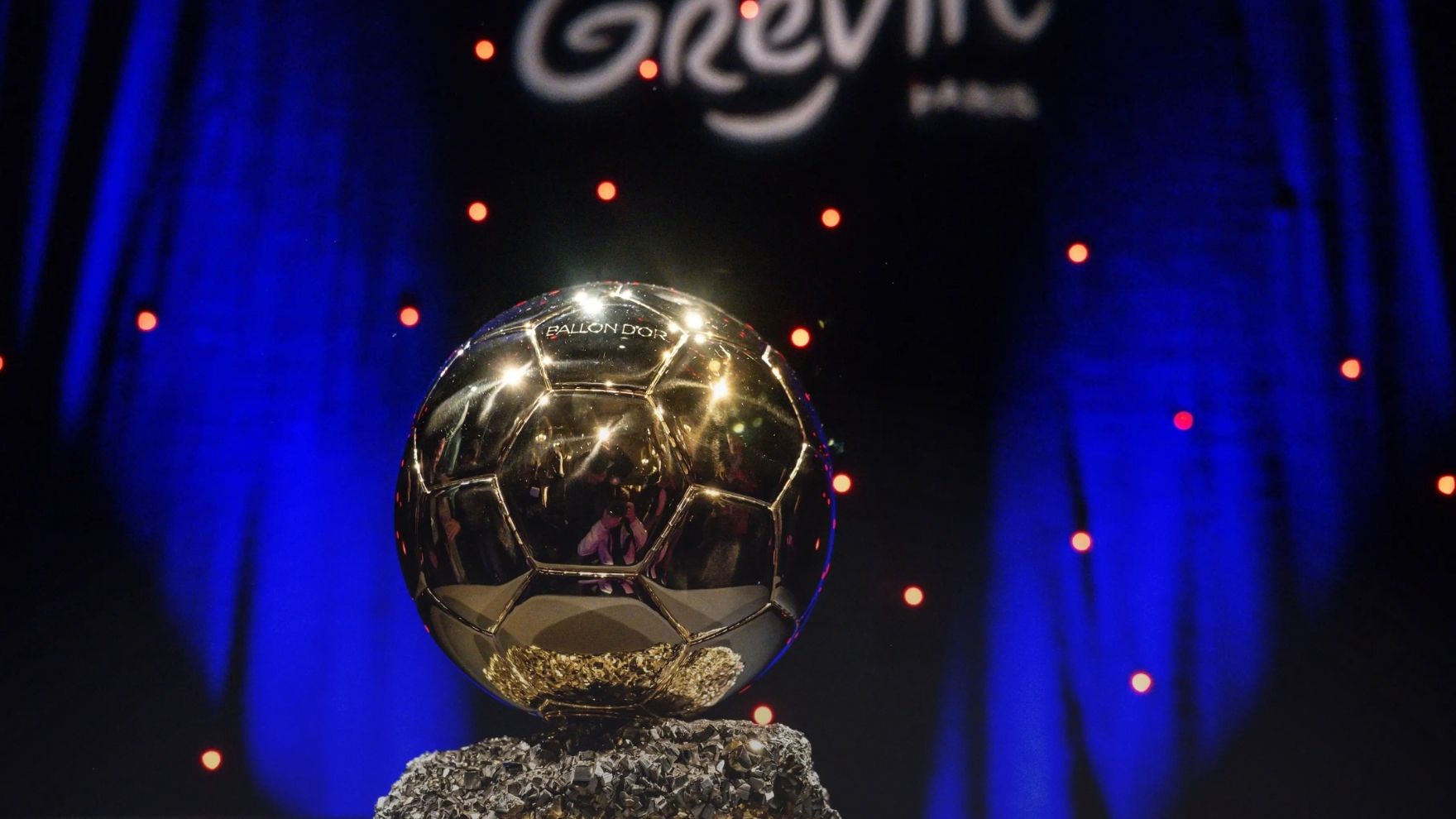
On October 26, at the London Palladium, Harry Kane collected the 2026 Ballon d’Orahead of Kylian Mbappé and Lamine Yamal.
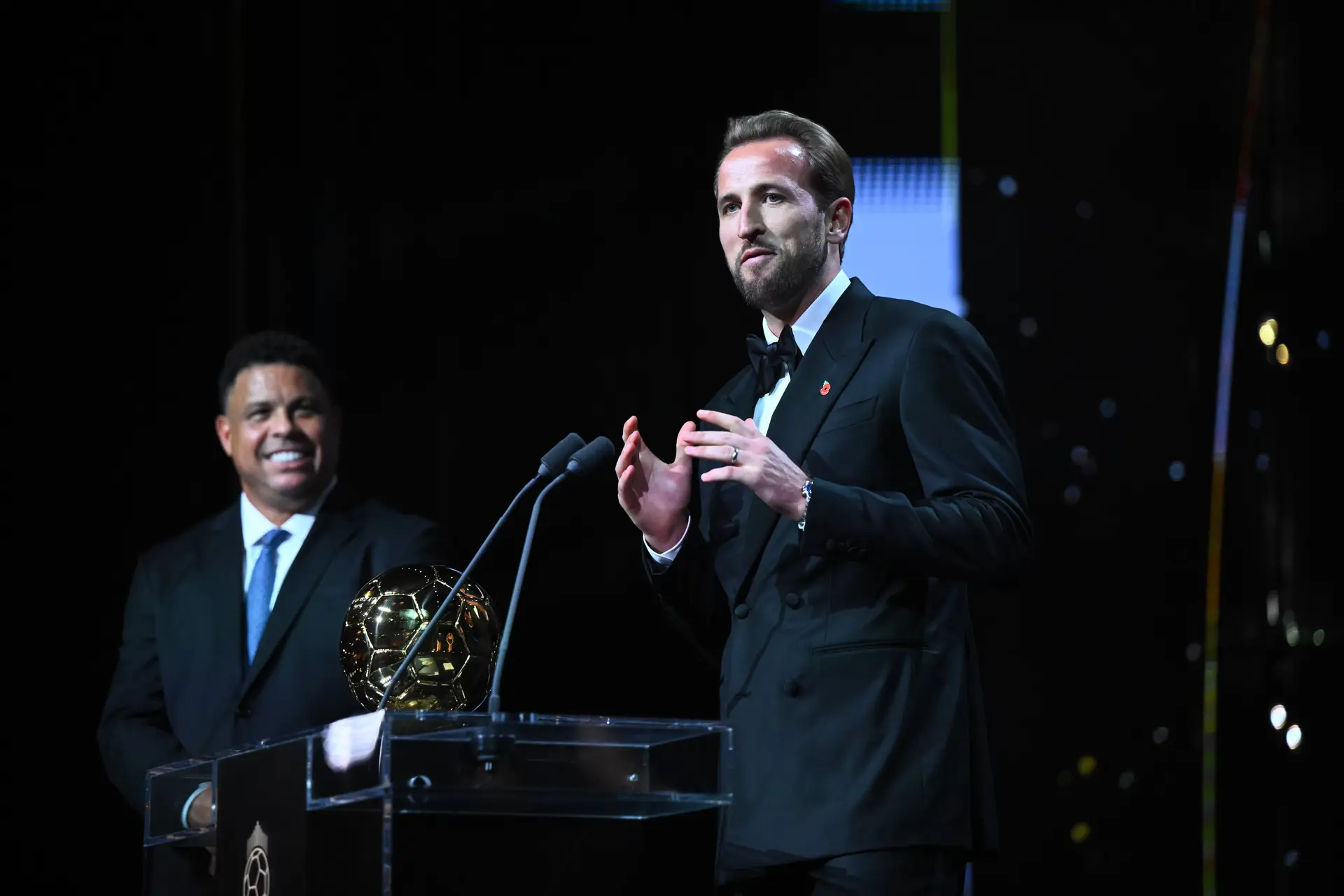
The Bayern Munich striker scored 73 goals for club and country last season and became the first Englishman to win the award since Michael Owen in 2001.
It is a deserved honour. It is also a good moment to ask who was never allowed to compete for it.
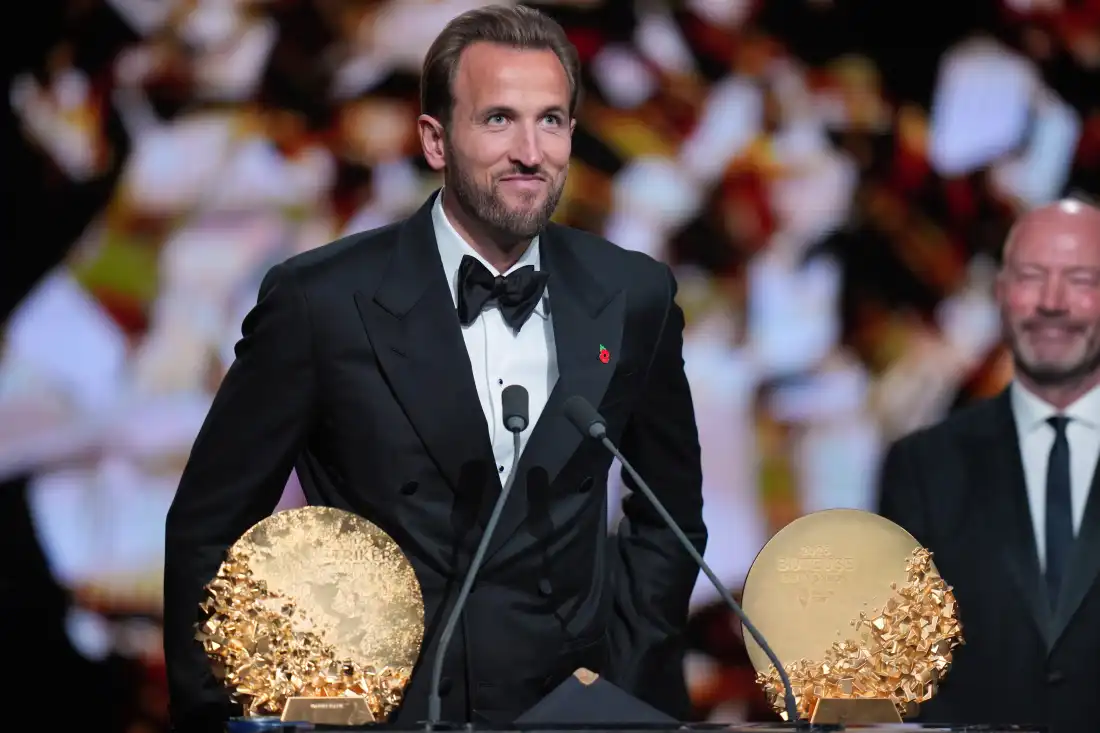
Harry Kane’s 2026 Ballon d’Or Win in Context
Kane’s victory was historic in its own right. He is only the fifth English winner, after Stanley Matthews, Bobby Charlton, Kevin Keegan and Owen.
He also took the Gerd Müller Trophy for the season’s top scorer. The ceremony was held in London for the first time, honouring Matthews who was the inaugural 1956 winner.
The Ballon d’Or was created by France Football to recognise the best player in Europe, and that single word shaped football history for almost four decades.
Why Pelé Was Not Eligible for the Ballon d’Or
From 1956 to 1995, the Ballon d’Or was open only to European nationals. Pelé, a Brazilian who won three World Cups, was not eligible for the competition.
Playing for Santos in Brazil did not help him, but even a move to Europe would not have changed the outcome, because his nationality alone ruled him out.
The result is one of the strangest facts in football. The player many call the greatest of all time never won a competitive Ballon d’Or, because the rules never let him compete.
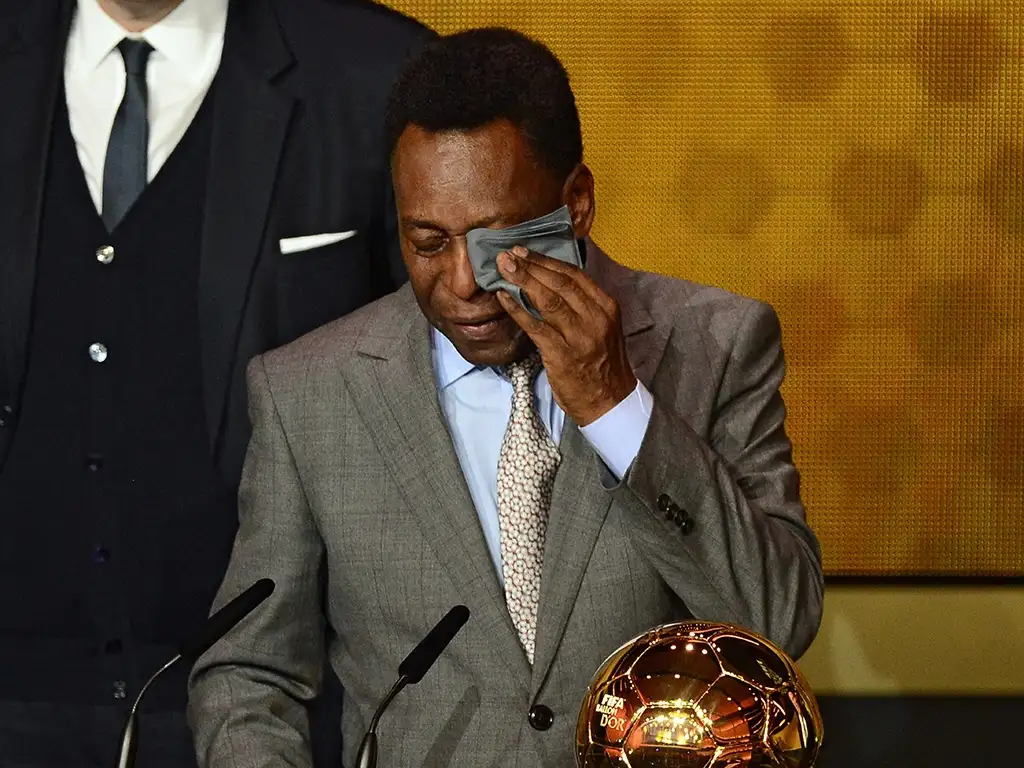
He received an honourary award from FIFA in 2013, 13 years ago, but that was a tribute.
Maradona and the Ballon d’Or Passport Problem
Diego Maradona’s case is even harder to defend. He spent years at Barcelona and Napoli, two of Europe’s biggest clubs. He dragged Argentina to the 1986 World Cup title almost single-handedly and lifted Napoli to Serie A glory. Yet his Argentine nationality made him ineligible.
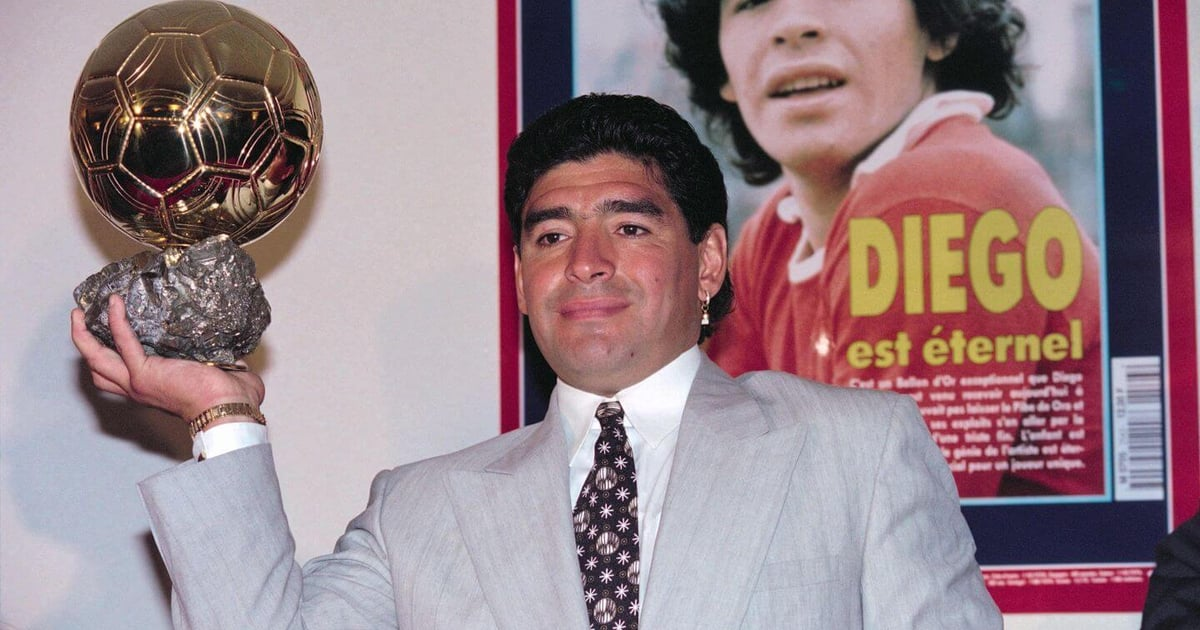

In 1995, he receivedan honorary Ballon d’Or, 31 years ago. It was a gracious gesture and also an admission. France Football knew it had shut out one of the most influential players the sport has produced.
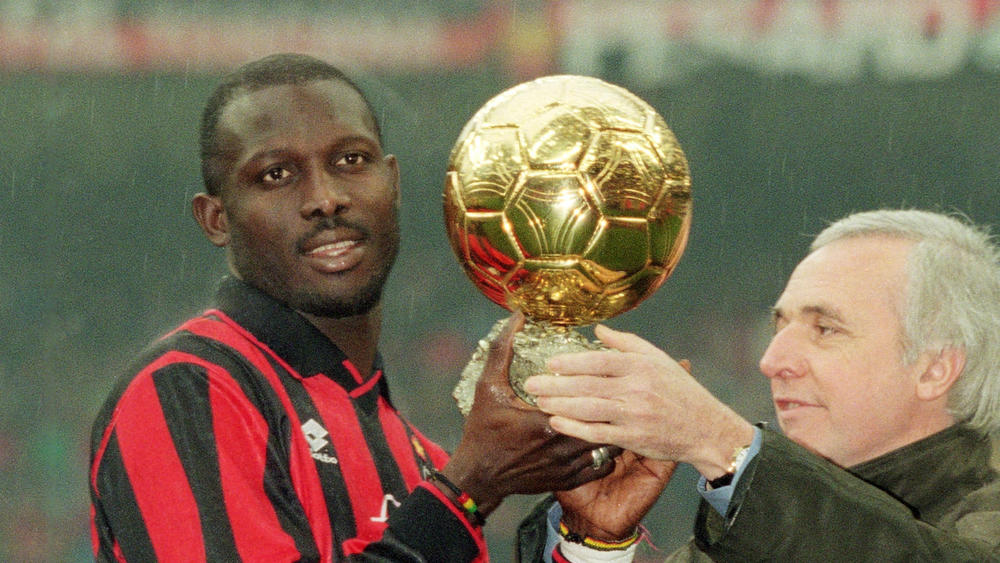
How George Weah Changed Ballon d’Or Eligibility in 1995
That same year, 1995, the Ballon d’Or opened to any player, whatever their nationality, as long as they played for a European club. That change became a door for George Weah.
The Liberian striker was shining at AC Milan after a successful spell at Paris Saint-Germain, and he won the 1995 Ballon d’Or.
Weah became the first African to win it. The award later widened further, and since 2007 it has been open to players anywhere in the world. A rule change that took four decades arrived just in time for an African to benefit.
Has Any African Won the Ballon d’Or Since George Weah?
Weah remains the only African winner of the Ballon d’Or, and his win came 31 years ago. Not one African has lifted the trophy in the three decades since, despite the talent that has come through European football.
Sadio Mané came closest, finishing second in 2022. Mohamed Salah, Samuel Eto’o, Didier Drogba and others built remarkable careers at the top of the game without winning it.
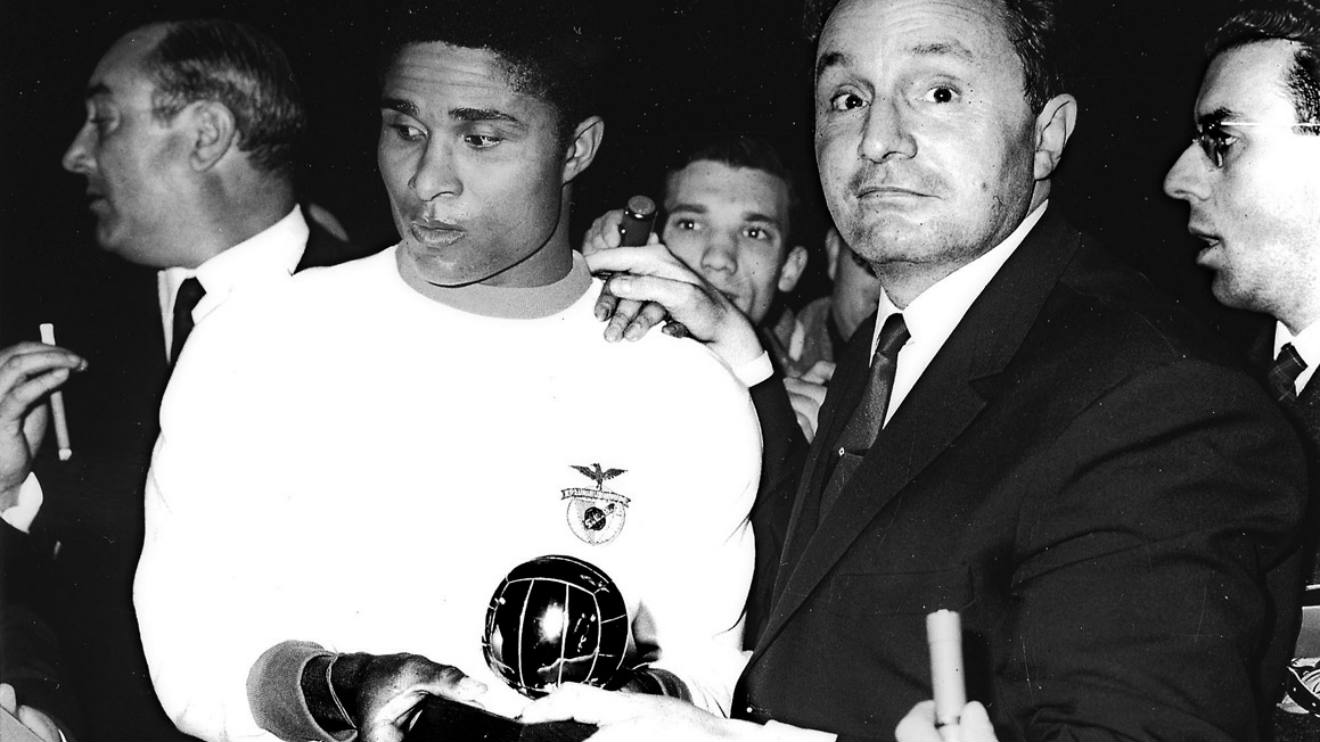
Eusébiowon in 1965. He was born in Mozambique but played for Portugal, so he was eligible under the old nationality rules. He is usually counted as a Portuguese winner, which leaves Weah as the only African to win under the African flag.
Eligibility is no longer the barrier. The barrier now is more subtle.
Voters tend to reward Champions League glory and World Cup success, and African nations are still searching for a breakthrough on the biggest international stage.
Players from the continent also compete against rivals who play for the most heavily covered clubs. Visibility shapes votes.
What Kane’s Win Says About the Ballon d’Or Today
Kane’s win shows the modern Ballon d’Or in action. It rewards sustained brilliance, big-moment output and a compelling story across a full season.
The same award once excluded players for being born outside Europe, and it now crowns winners from a global pool.
That is progress. But it is a progress that took until 1995 for an African winner and has produced none since is incomplete. The restriction is gone, yet the result has not changed.
Kane deserves his place in the history books. Pelé and Maradona show how much of that history was written around who was allowed in the room.
As African football keeps producing elite talent, Ballon d’Or’s modern credibility depends on whether the next African winner arrives before another 31 years pass.