FIFA Is Intervening in Nigerian Football. Africa Has Seen This Before, and the Results Are Mixed
FIFA has taken over Nigerian football until 2027. Ghana, Cameroon and Chad offer lessons on corruption, disputed elections and whether normalisation committees deliver lasting reform
Nigeria is not the first African country to hand over the administration of its football house to FIFA. A FIFA normalisation committee will now run the Nigeria Football Federation (NFF) for a period ending no later than 31 May 2027. This comes after most of the federation’s executives resigned in August.
Ghana, Cameroon and Chad have been through the same process, and their endings could not be more different.
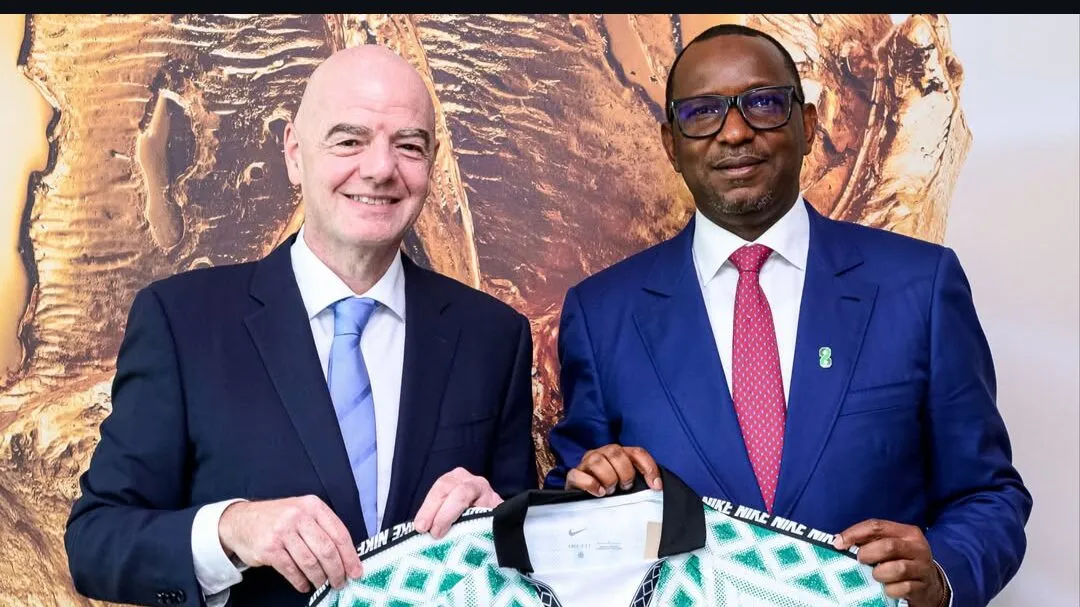
What Is a FIFA Normalisation Committee?
A normalisation committee is a temporary body FIFA appoints, usually with the joint efforts of Confederation of African Football (CAF).
It takes over a national football federation when its leadership has collapsed, been disputed or compromised by outside interference.
Its three main jobs include: run the federation’s daily affairs, review its statutes and electoral code, and organise fresh elections.
The members must pass a FIFA eligibility check, and none of them can contest the positions up for grabs in the election.
Why Is FIFA Stepping Into the NFF?
The NFF president, Ibrahim Gusau, and the general secretary, Mohammed Sanusi, resigned in August after pressure over the poor showing of various national teams. President Bola Tinubu then ordered a comprehensive reform of Nigerian football over repeated failures to qualify for major tournaments.
FIFA officials visited in September to confirm that the government was not interfering in the federation. FIFA runs an autonomy policy and, therefore, requires national governing bodies to run their affairs free of political control.
Until committee members are named, the acting general secretary, Emmanuel Ikpeme, keeps the NFF running.
Unlike Ghana with a corruption case, this is just the case of leadership exits.
Ghana: The Best Case for a Normalisation Committee
Ghana’s football crisis began in June 2018, when an undercover documentary by the investigative journalist, Anas Aremeyaw Anas, exposed widespread corruption in the game. The Federation president, Kwesi Nyantakyi, stepped down and was later banned for life by FIFA.
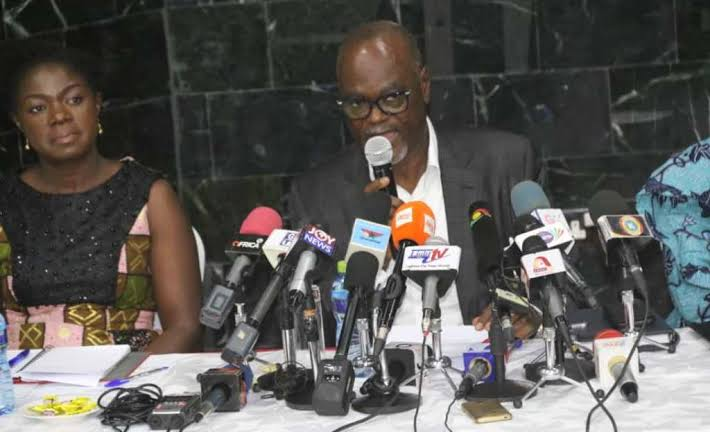

A normalisation committee led by Kofi Amoah, a businessman, then ran the Ghana Football Association for 16 months. In October 2019, delegates elected Kurt Okraku as president after a tight second round of voting.
Ghana shows the model at its best: a clear scandal, a clear mandate and a vote at the end. It also shows the limit.
Okraku was an executive committee member when the scandal broke, so the system was reset, not rebuilt from nothing.
Cameroon: When One Committee Is Not Enough
Cameroon is an example of a cautionary tale. FIFA suspended the country briefly in 2013 over government interference in its federation (FECAFOOT) and installed a normalisation committee.
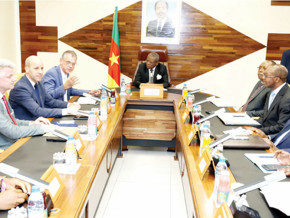
Its mandate was later extended to buy more time for new rules and elections. The 2015 election that followed was annulled by Cameroon’s sports arbitration chamber, and the Court of Arbitration for Sport upheld that ruling.
In 2017, FIFA appointed a second committee. By August 2018, its mandate was set for another extension because the statutes and audit work were unfinished.
Samuel Eto’o was finally elected president in December 2021, after a disputed campaign. That is more than eight years after the first committee arrived.
Chad: The Deadline That Kept Moving
Chad’s story starts with a government pulling its support. FIFA suspended the Chadian federation (FTFA) in April 2021 over government interference and lifted the suspension in October. It appointed a normalisation committee in November, with a deadline of November 15, 2022.
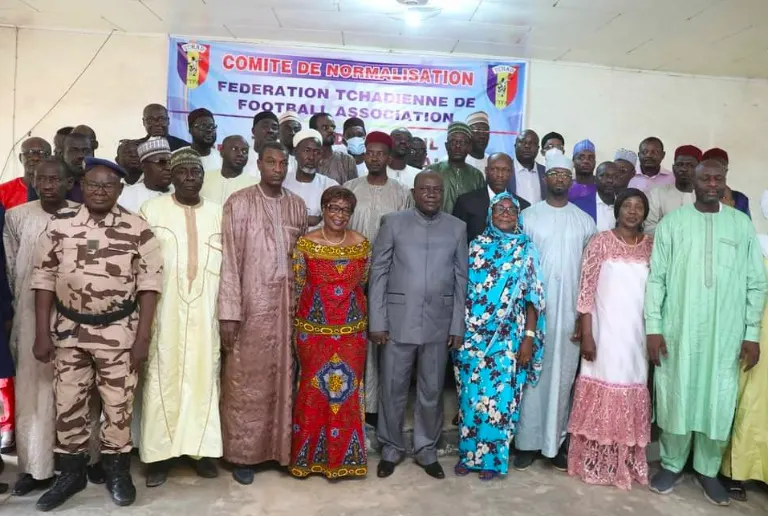
FIFA extended the mandate twice, and the election planned for December 2023 collapsed over disputed candidate lists.
Tahir Oloy Hassan was finally elected on March 1, 2025 as the only candidate. His rival’s candidacy was rejected and a Supreme Court decision was needed to keep the assembly on. The one-year plan became a transition of more than three years.
What Africa’s Record Means for the NFF
We have three patterns to look out for
First, soft deadlines. The May 21, 2027 date is a “no later than” limit, and it is roughly seven months away. Cameroon and Chad both overshot their original timelines.
Second, committees fix structures, but not politics. They can rewrite statutes and run a clean vote, but the same power blocs return to contest it, as Ghana’s choice of a former executive and Chad’s disputed candidate lists show.
Third, outside interference takes the work’s progress back. Cameroon’s first suspension and Chad’s entire crisis began with government interference, which is why FIFA checked for it in Nigeria first. Tinubu’s reform order and FIFA’s demand for independence will have to coexist.
What Nigerian Football Fans Should Watch For
Four things will tell you how this is going. Watch who FIFA and CAF name to the committee. Watch whether the statutes and electoral code are reviewed early. Watch whether an election date is published and kept. And watch who contests once the vote opens, since committee members cannot.
The Super Eagles’ fortunes may not change overnight. Africa’s record suggests that a normalisation committee is a reset button, and the credibility of the next NFF board will depend on how clean this process is.