NFF President Ibrahim Gusau Resigns Amid Government Pressure and AFCON Concerns
Ibrahim Gusau and the Nigeria Football Federation executive committee have resigned following immense pressure stemming from the Super Eagles' failure to qualify for the 2026 World Cup and the Super Falcons' historic miss of the 2027 Women's World Cup. This leadership vacuum creates significant uncertainty for the Super Eagles' upcoming 2027 AFCON qualifiers and necessitates a rapid rebuilding effort for Nigerian football.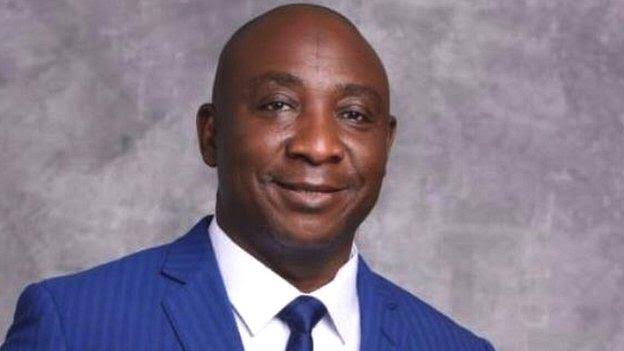
Nigeria Football Federation (NFF) President Ibrahim Gusau has resigned alongside members of the Executive Committee and General Secretary Mohammed Sanusi, following weeks of public and government pressure. The leadership shake-up comes just weeks before the federation’s scheduled general elections and follows Nigeria’s failure to qualify for the 2026 FIFA World Cup, after the Super Eagles finished second in their qualifying group and subsequently lost to DR Congo on penalties in the playoff final.
The NFF also faced criticism after the Super Falcons missed the 2027 Women’s World Cup, their first absence from the tournament since its inception in 1991, following their elimination from the 2026 WAFCON and subsequent play-in defeat to South Africa.
The crisis extended to Nigeria’s youth teams, with the Golden Eaglets and Flying Eagles also experiencing qualification setbacks, creating an unprecedented situation in which the country’s senior men’s and women’s teams and youth sides all missed their respective World Cups in the same cycle.
The Federal Government reportedly gave the NFF board a 24-hour ultimatum to resign, while Gusau had appealed to FIFA to intervene, warning that government interference could expose Nigeria to sanctions. Meanwhile, the EFCC and ICPC are investigating the use of a ₦12 billion government intervention fund released in 2024, with the NFF saying it has provided relevant records to the agencies.
The resignations come at a particularly sensitive moment, with the Super Eagles scheduled to begin their 2027 Africa Cup of Nations qualifying campaign in September against Madagascar. The leadership transition could affect funding, logistics, training-camp arrangements, communication with coach Éric Chelle and other preparations for the qualifiers, while questions remain over the coach’s contract and his relationship with the incoming administration.
The incoming NFF leadership will therefore inherit the immediate task of stabilising the federation and restoring confidence in Nigerian football, even as it attempts to preserve achievements recorded under Gusau, including the Super Eagles’ run to the 2023 AFCON final and the Super Falcons’ return to the 2024 Olympics after a 16-year absence.