15 Africans Who Made Forbes Africa’s 2026 Icons List and the Stories Behind Their Global Influence
Meet the 15 African icons shaping business, entertainment, politics, sports and culture, honoured by Forbes Africa for their lasting impact across the continent and beyond.
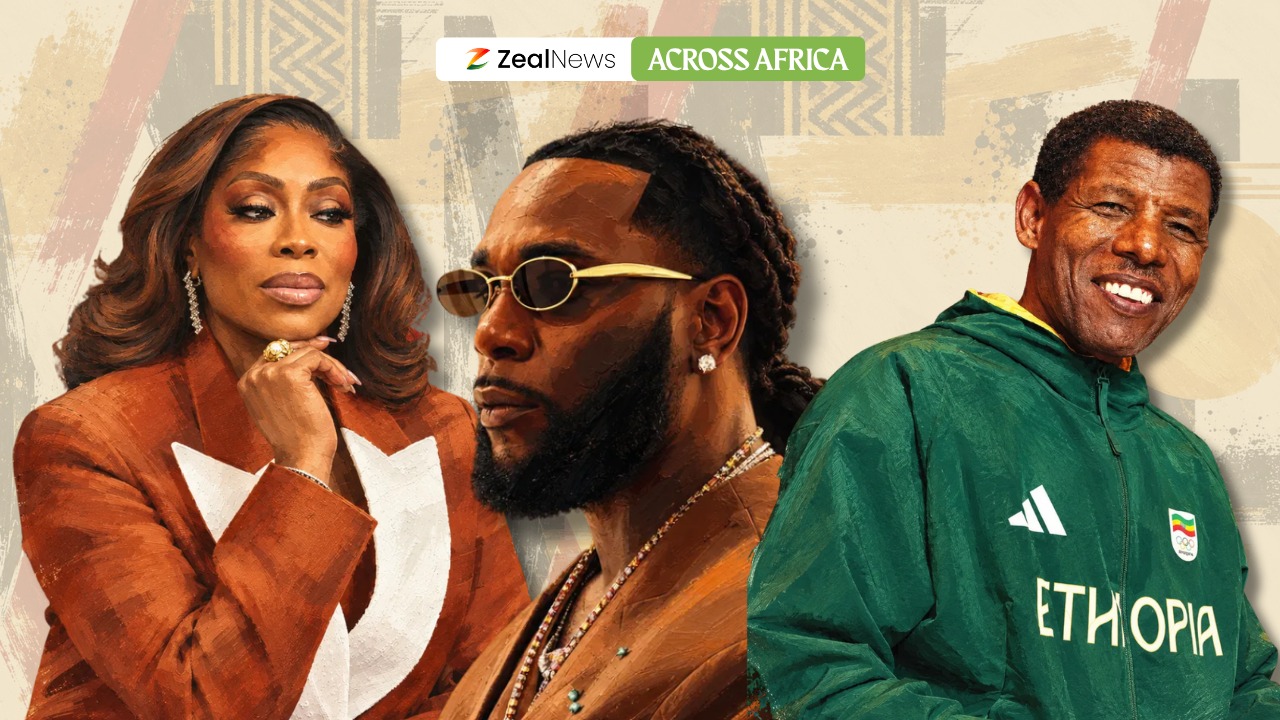
Africa has no shortage of people making headlines around the world, but what happens when you bring together some of the individuals who have helped shape the continent’s business, culture, politics and entertainment industries?
You get a list that stretches from billionaires building industrial empires to musicians selling African sounds to international audiences, athletes whose achievements have crossed borders, and writers whose work has earned global recognition.
To celebrate its 15th anniversary in 2026, Forbes Africa unveiled its Icons list, recognising 15 individuals whose ideas, innovations and voices have influenced Africa’s past, present and future. The selection spans different countries and industries, highlighting people whose contributions extend beyond their immediate professional circles.
Among those featured are Nigerian business leaders Aliko Dangote and media entrepreneur Mo Abudu, World Trade Organization Director-General Ngozi Okonjo-Iweala, music star Burna Boy, Nobel laureate Abdulrazak Gurnah and former Liberian President Ellen Johnson Sirleaf.
Here are the 15 people recognised by Forbes Africa in 2026 and why their stories deserve attention.
1. Mo Abudu
Through EbonyLife Group, Mo Abudu has built a platform for African stories to reach audiences.
Her films and television projects centre African experiences. She also opened a cinema hub in South London aim to connect African talent with global opportunities.
2. Ngozi Okonjo-Iweala
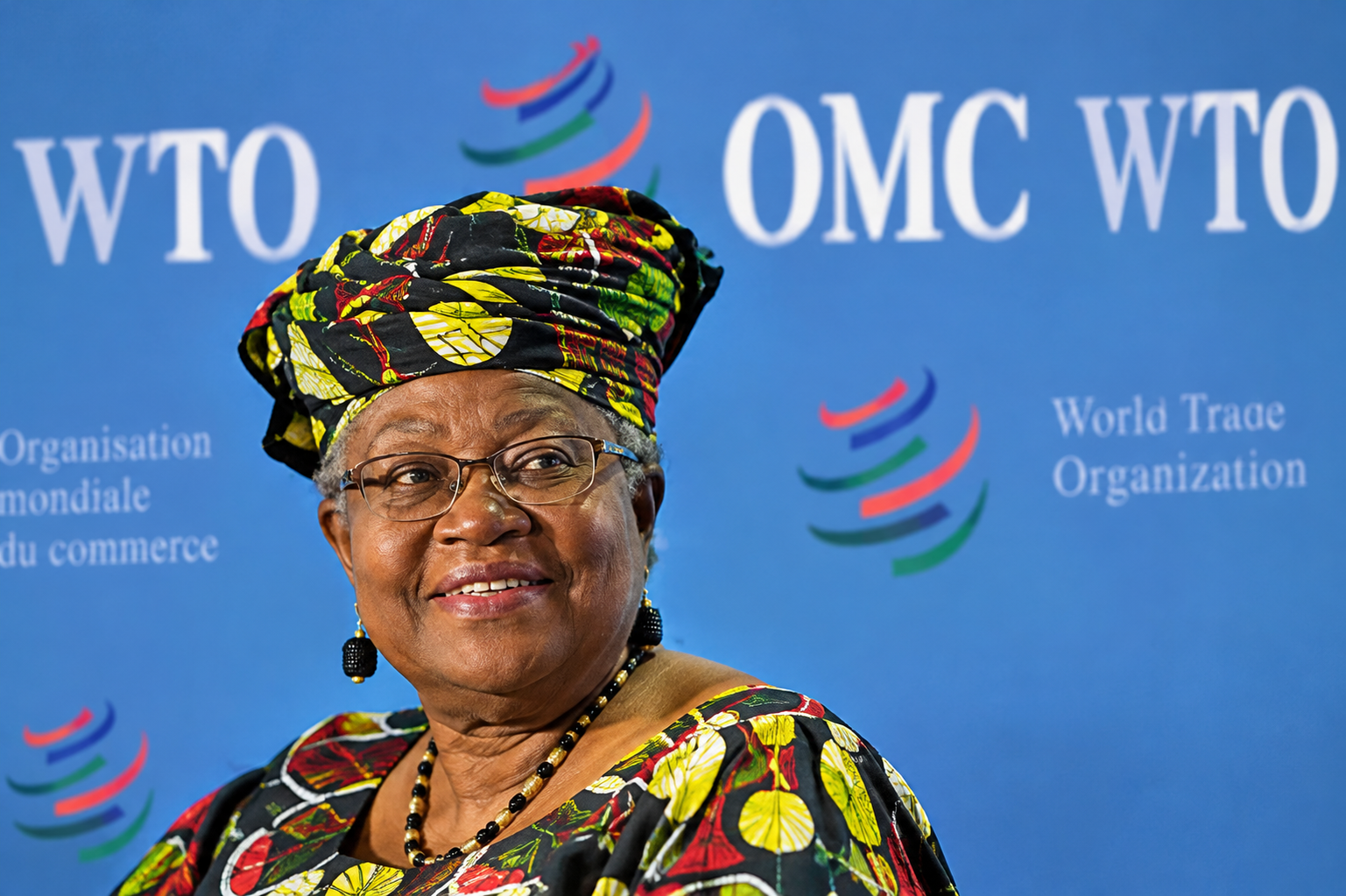
Ngozi Okonjo-Iweala became the first woman and first African to lead the World Trade Organization in 2021.
A former Nigerian finance minister, she spent 25 years at the World Bank. Her career has placed her at the centre of debates about trade, debt and development, shaping African participation.
3. Adrian Gore
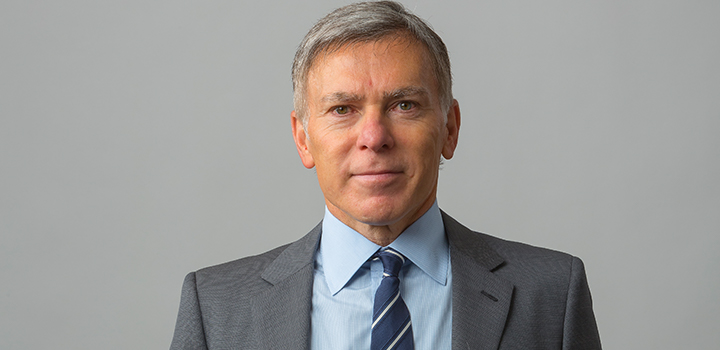
South African entrepreneur Adrian Gore founded Discovery Group, a financial services company behind Vitality. It links insurance with incentives for healthier habits and has expanded internationally.
His model explores how financial services can influence behaviour, making Gore notable in insurance and healthcare.
4. Patrice Motsepe
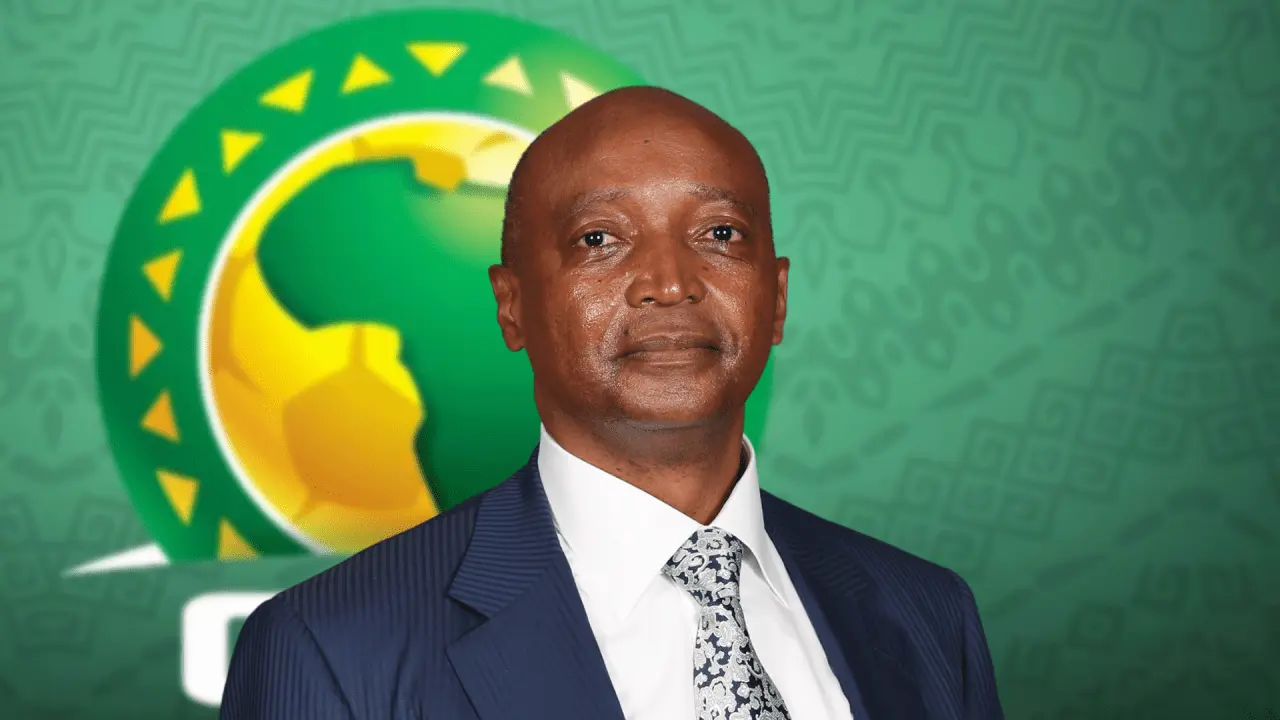
Patrice Motsepe built his fortune in mining through African Rainbow Minerals and became one of South Africa’s business leaders.
In 2021, he became president of the Confederation of African Football. His career links mining’s commercial power with football’s public reach, amid debates over football governance.
5. Strive Masiyiwa
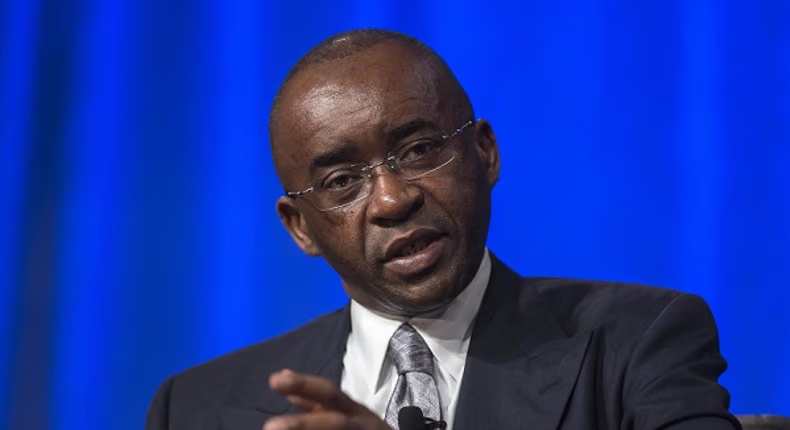
Zimbabwean entrepreneur Strive Masiyiwa founded Econet, helping expand mobile connectivity in African markets. Through Cassava Technologies, his interests include digital infrastructure.
As demand grows for cloud computing, data centres and artificial intelligence, his work reflects a technology challenge: building systems that let businesses and communities use digital tools at scale.
6. Ellen Johnson Sirleaf
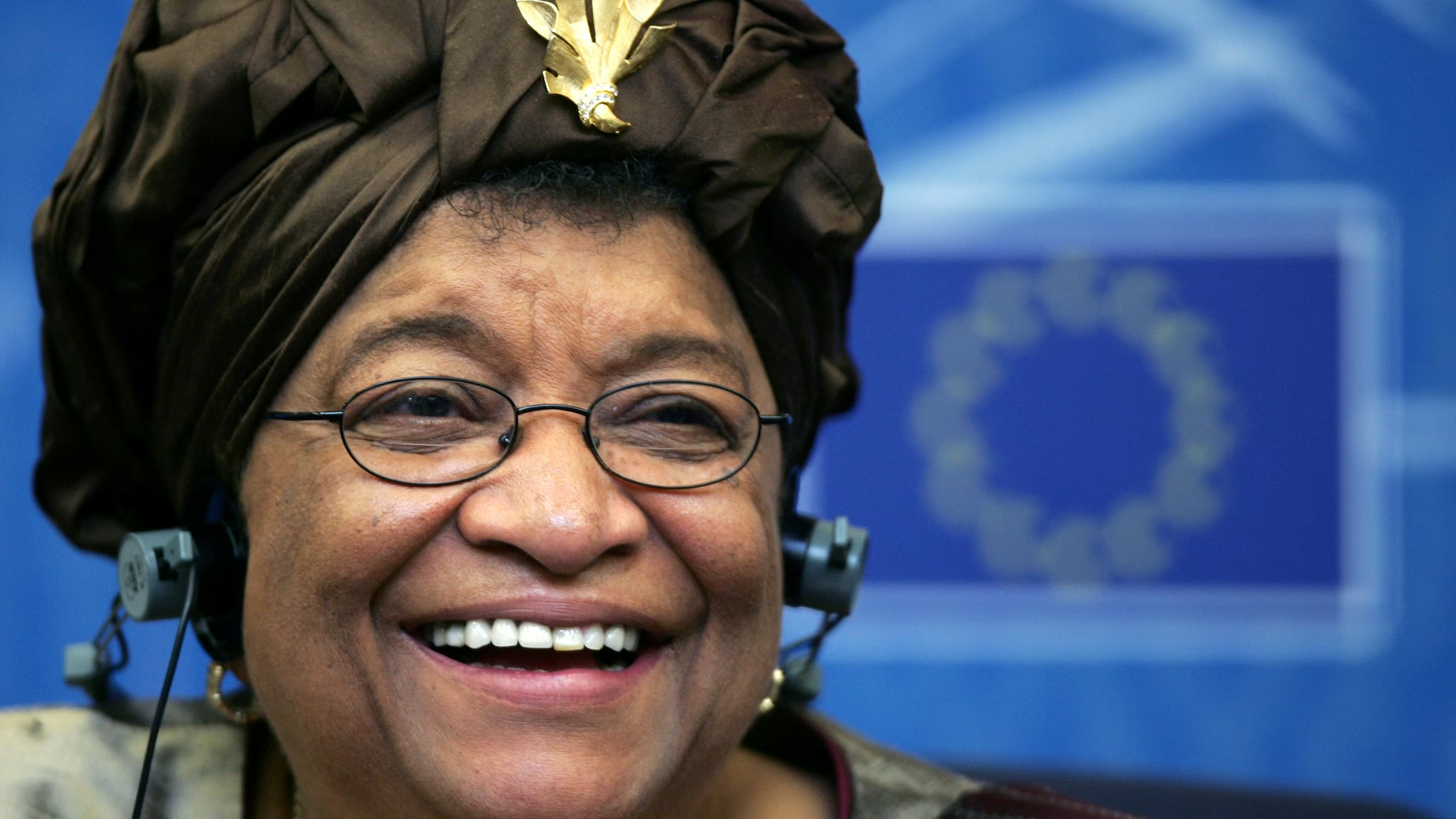
Ellen Johnson Sirleaf became Liberia’s president in 2006, the first woman elected head of state in Africa.
In 2011, she shared the Nobel Peace Prize with Leymah Gbowee and Tawakkol Karman for their work advancing women’s safety and participation in peacebuilding.
7. Aliko Dangote
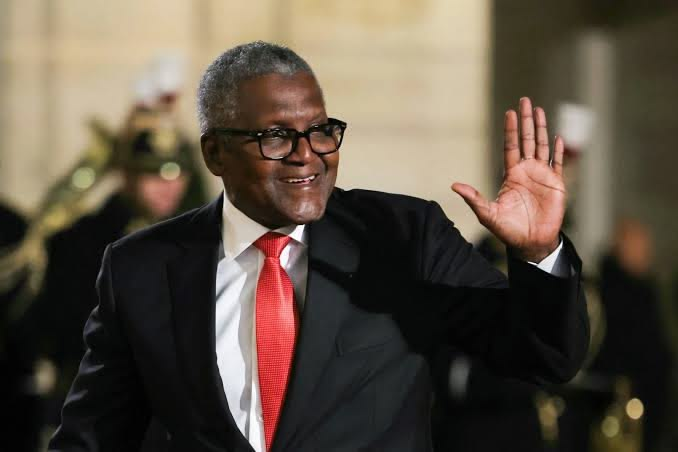
Aliko Dangote built the Dangote Group into one of Africa’s largest industrial conglomerates, with investments in cement, sugar, fertiliser and essential products.

He also established the Dangote Refinery to boost local fuel production and reduce Nigeria’s dependence on imported petroleum products.
8. Burna Boy
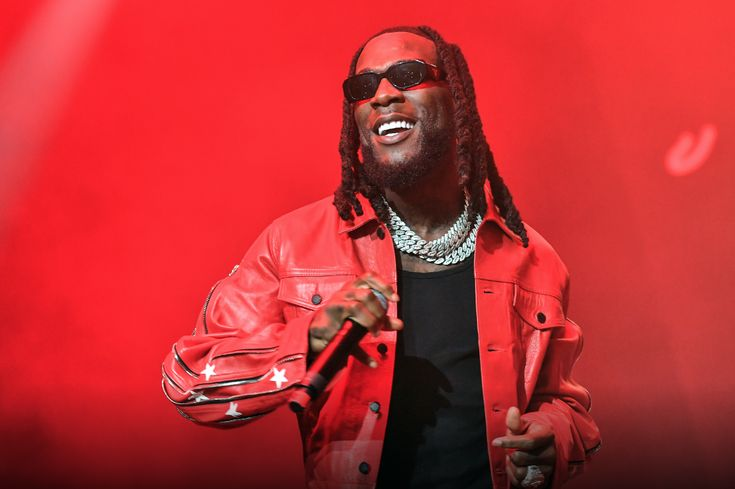
Burna Boy has helped bring African music to global audiences with a sound blending Afrobeats, dancehall, reggae and hip-hop.
He won the Grammy for Best Global Music Album in 2021 for Twice as Tall.
His success shows how artists can take Nigerian sounds onto international stages while retaining their roots.
9. Abdulrazak Gurnah
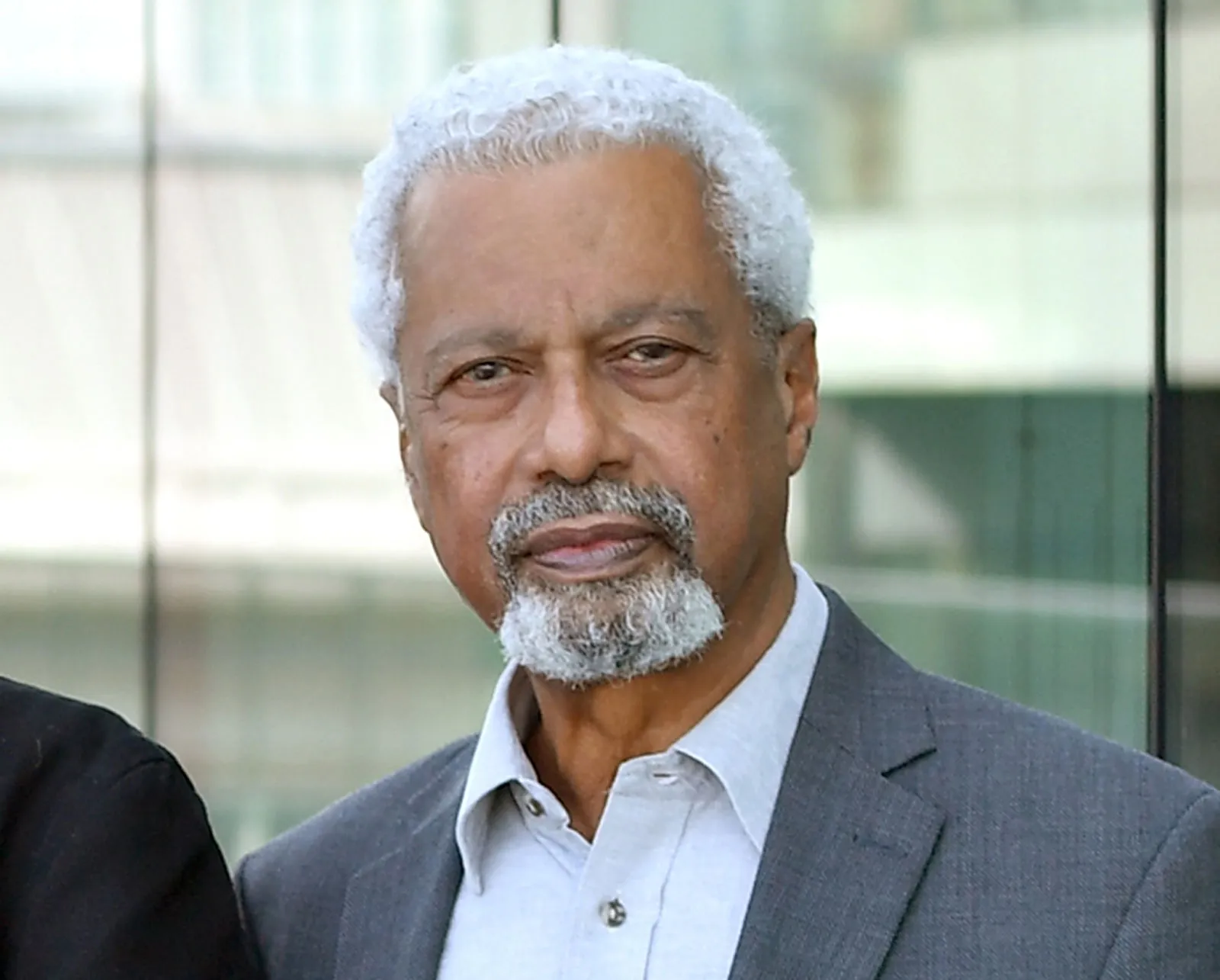
Born in Zanzibar, Abdulrazak Gurnah moved to Britain after political upheaval. His novels examine migration, colonialism, displacement and ties people maintain with home.
In 2021, he received the Nobel Prize in Literature, bringing attention to writing shaped by East African history and refugee experiences.
10. Haile Gebrselassie
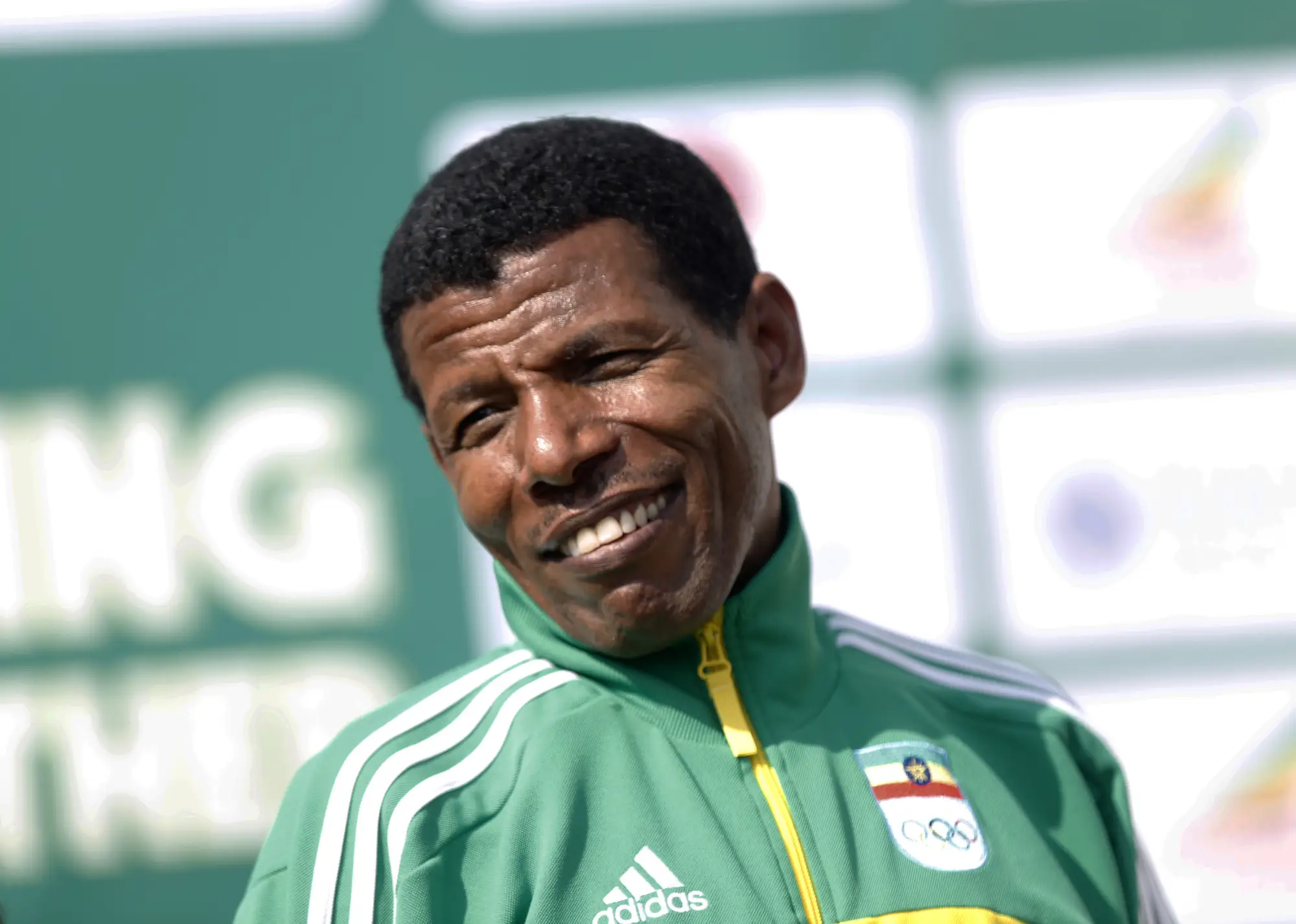
Ethiopian runner Haile Gebrselassie won Olympic gold in the 10,000 metres at the 1996 Atlanta Games and again in Sydney in 2000.
His records cemented Ethiopia’s reputation in distance running. Beyond athletics, he has pursued business interests, including hospitality, beyond the track.
11. Didier Drogba
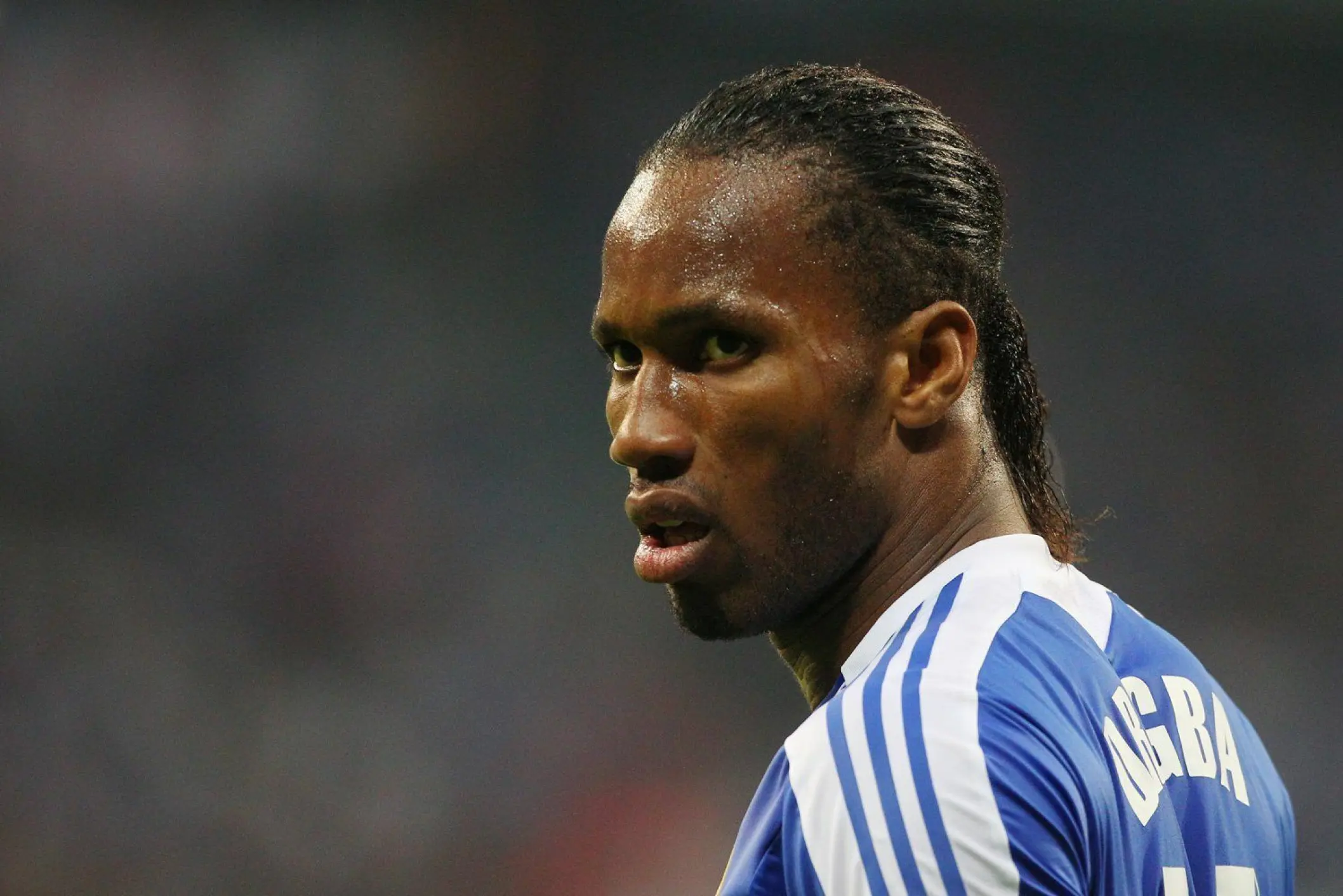
Didier Drogba became a football star at Chelsea, helping the club win the 2012 UEFA Champions League.
During Côte d’Ivoire’s political crisis, he publicly appealed for peace after the national team qualified for the 2006 World Cup. His legacy includes more than goals: he called for national unity.
12. Johann Rupert
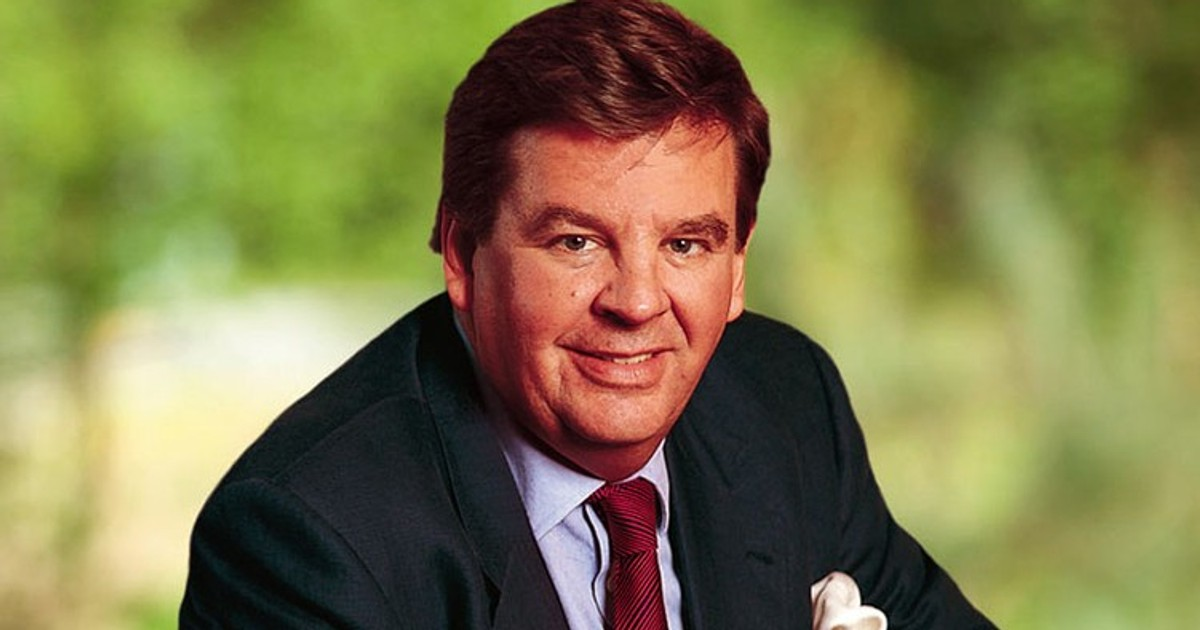
Johann Rupert chairs Richemont, the luxury goods group behind brands including Cartier and Montblanc.
His career places him in an industry built on craftsmanship, heritage and consumer markets. He has also been a prominent voice in South African business debates on economic policy.
13. Lupita Nyong’o
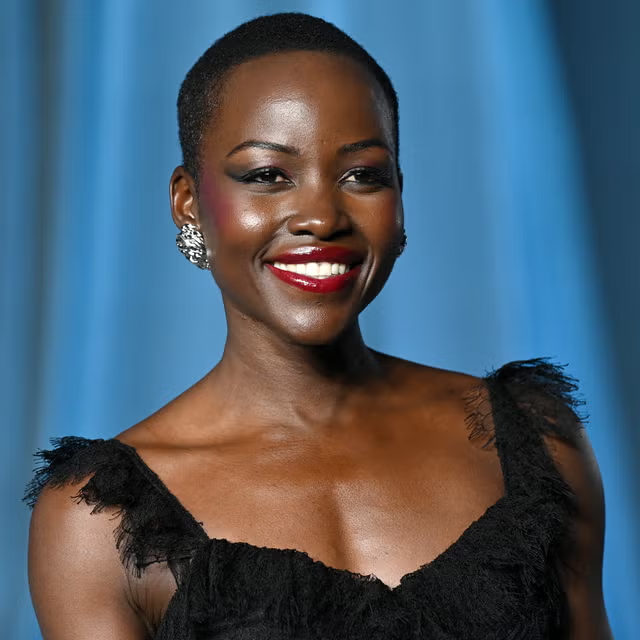
Actor Lupita Nyong’o won the Academy Award for Best Supporting Actress in 2014 for 12 Years a Slave.
She later appeared in productions including Black Panther and Us. Alongside acting, she has spoken about representation, beauty standards and identity, challenging narrow screen stereotypes.
14. Trevor Noah
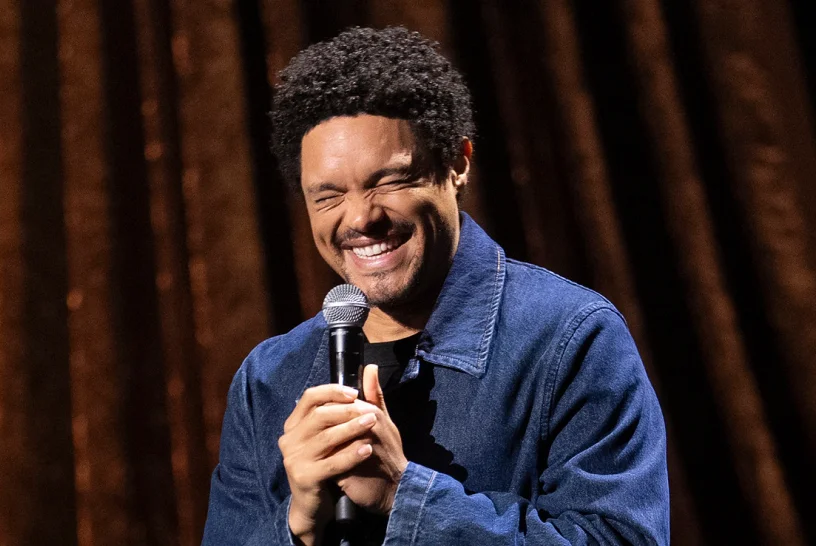
Comedian Trevor Noah became host of The Daily Show in 2015, satirising American politics and global affairs for seven years.
Growing up under apartheid shaped his perspective, explored in his memoir Born a Crime. His career brought a viewpoint formed outside the United States to American television.
15. Angélique Kidjo
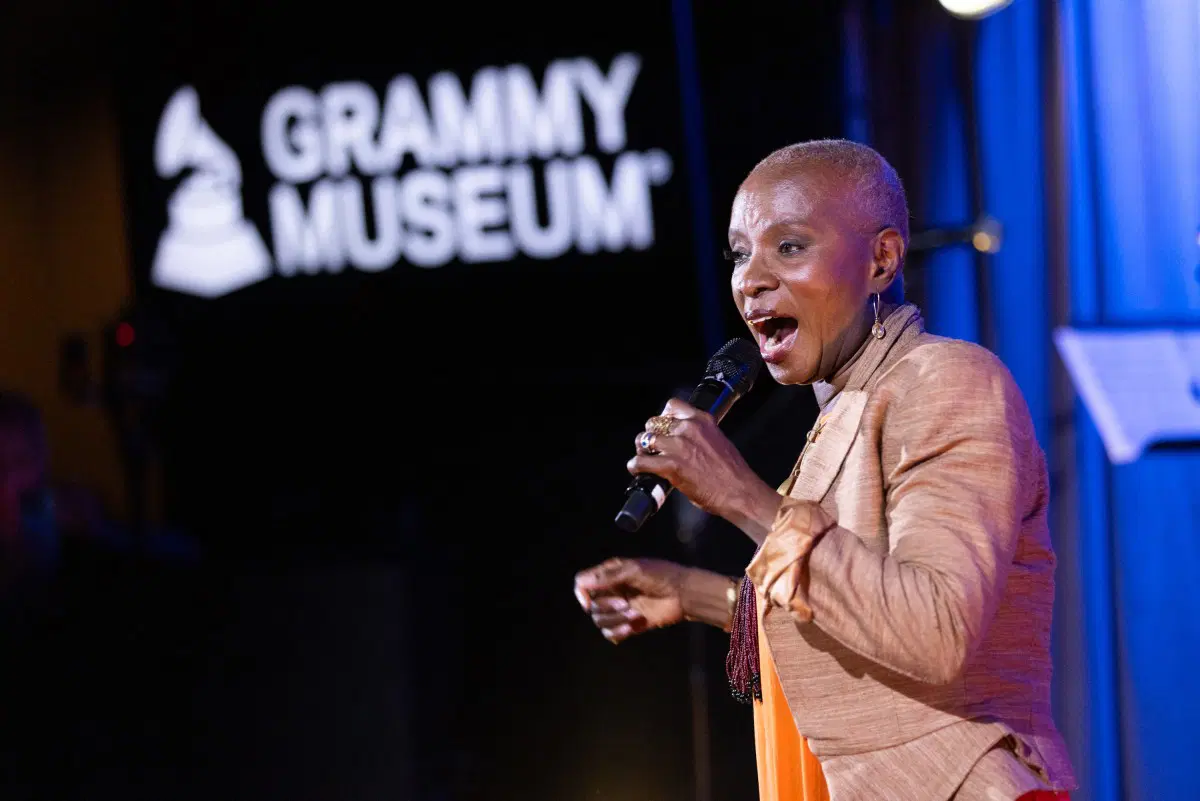
Singer Angélique Kidjo blends West African musical traditions with jazz, funk, Latin music and other influences.
A multiple Grammy winner, she has performed worldwide and supported education and children’s rights.
Her career shows African music is not one sound, but an evolving conversation across traditions and generations.
Conclusion
Who gets to shape Africa’s story next?
These 15 names have left their mark on business, politics, sports, literature and entertainment, but their stories also raise a bigger question: how many more African voices, ideas and talents are still waiting for the opportunity to make their mark on the world?