Global Concern: Pope Leo XIV's Lung Nodules Spark Health Education Drive
Pope Leo XIV is set to undergo surgery for a lung nodule, a medical development announced during his Sunday blessing. Physicians clarify that lung nodules are common and often benign, but emphasize the critical importance of early detection for potential curability, especially in cases of lung cancer.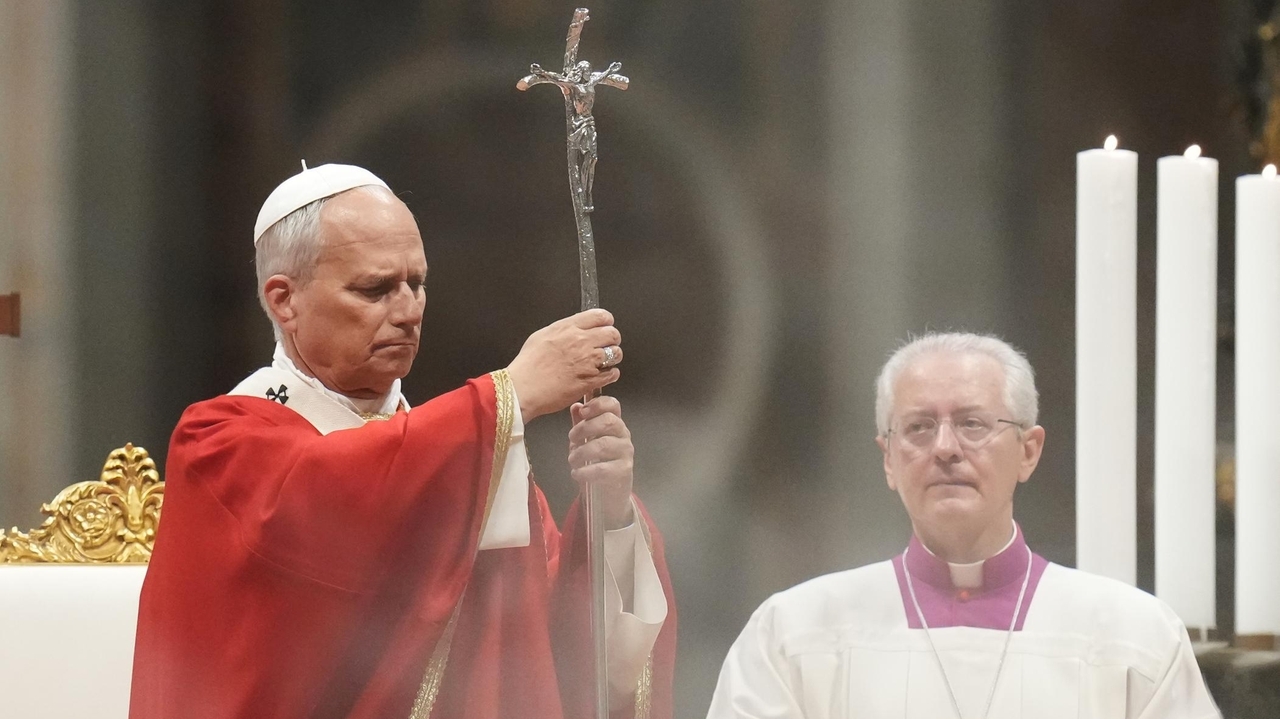
Pope Leo XIV announced Sunday his decision to undergo surgery in the coming days to remove a lung nodule. This marks the first significant medical concern for the American pontiff since his elevation to the papacy last year. Speaking during his Sunday blessing at St. Peter’s Square, Pope Leo XIV, 71, informed thousands of the faithful that doctors had discovered a "circumscribed nodule in my lung" during a recent health evaluation. He emphasized that the nodule was detected at a very early stage and is well-localized. Following medical advice, the Pope decided to proceed with surgery for its removal.
A lung nodule is defined by physicians as a small lesion less than 3 centimeters. These nodules are extremely common and are often identified incidentally during routine medical imaging such as X-rays, CT scans, or lung cancer screenings, particularly in individuals with a history of smoking. Dr. David Zeltsman, chief of thoracic surgery at Long Island Jewish Medical Center, described them as "a little bead in the lung" that millions of people may have. He noted that while many can be benign, some may indicate something more serious, necessitating further investigation.
Many lung nodules are noncancerous and can stem from various causes, including previous infections or autoimmune diseases. Dr. Abbas E. Abbas, system chair of thoracic surgery at Catholic Health, explained that the concern level for a nodule depends on its appearance. When a nodule is found, doctors have several approaches: monitoring the lesion over time, performing a biopsy, or opting for surgery.
If surgery is chosen, it is frequently carried out using minimally invasive techniques, such as robotic assistance or video-assisted thoracic surgery. During such procedures, doctors can often remove the nodule and immediately test it for cancerous cells. Clinicians indicate that if the test is positive for cancer, the surgery may be expanded, while a benign result would typically lead to the conclusion of the procedure. Dr. Abbas affirmed that most patients tolerate this operation well and can quickly resume normal activities.
Regardless of the nodule's nature, physicians universally stress the critical importance of early detection. They highlight that if lung cancer is caught in its early stages, it is highly curable. Dr. Abbas urged individuals to take medical advice regarding scans or follow-ups for lung nodules seriously. He reiterated that early detection is paramount for successfully treating lung cancer, expressing hope and prayers for the Pope's early diagnosis.