From FESTAC ’77 to CANEX 2026: Can Africa Turn Cultural Power Into Economic Value?
CANEX WKND 2026 brings Africa’s creative industries to Lagos. FESTAC ’77 raises a timely question: can cultural visibility become lasting business and investment?
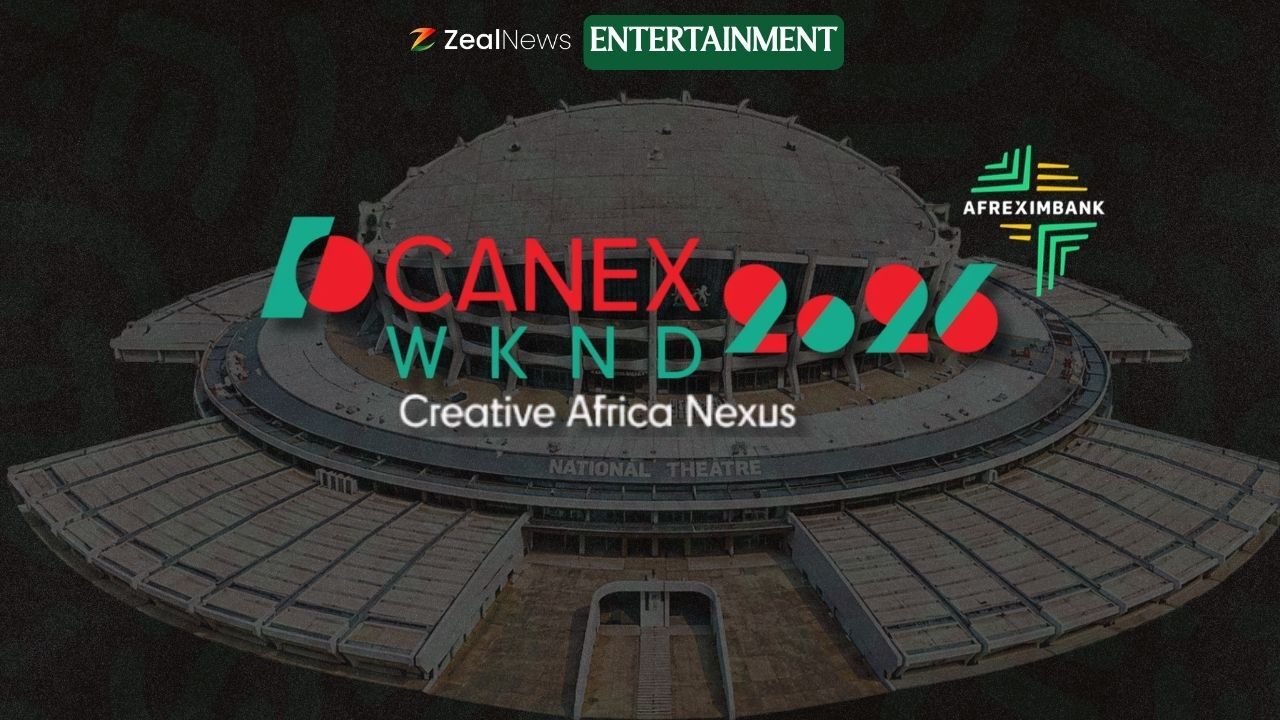
Lagos is preparing to welcome CANEX WKND from November 5 to 8, when artists, financiers, policymakers, buyers and cultural leaders from Africa and the diaspora will gather at the Wole Soyinka Centre for Culture and Creative Arts in Iganmu.
Hosted by the African Export-Import Bank (Afreximbank), with Nigeria, the African Union Commission and the AfCFTA Secretariat, the four-day event promises more than performances and exhibitions: it aims to connect creative talent with people who can help turn it into viable businesses.
There is good reason for the excitement. But as Lagos prepares for the spotlight, an older question deserves attention: what remains when the festival is over?
That question leads back to FESTAC ’77, the Second World Black and African Festival of Arts and Culture, held in Lagos from January 15 to February 12, 1977. Artists, writers, musicians, performers and cultural delegations from Africa and the wider Black world gathered to celebrate shared heritage, creativity and identity.
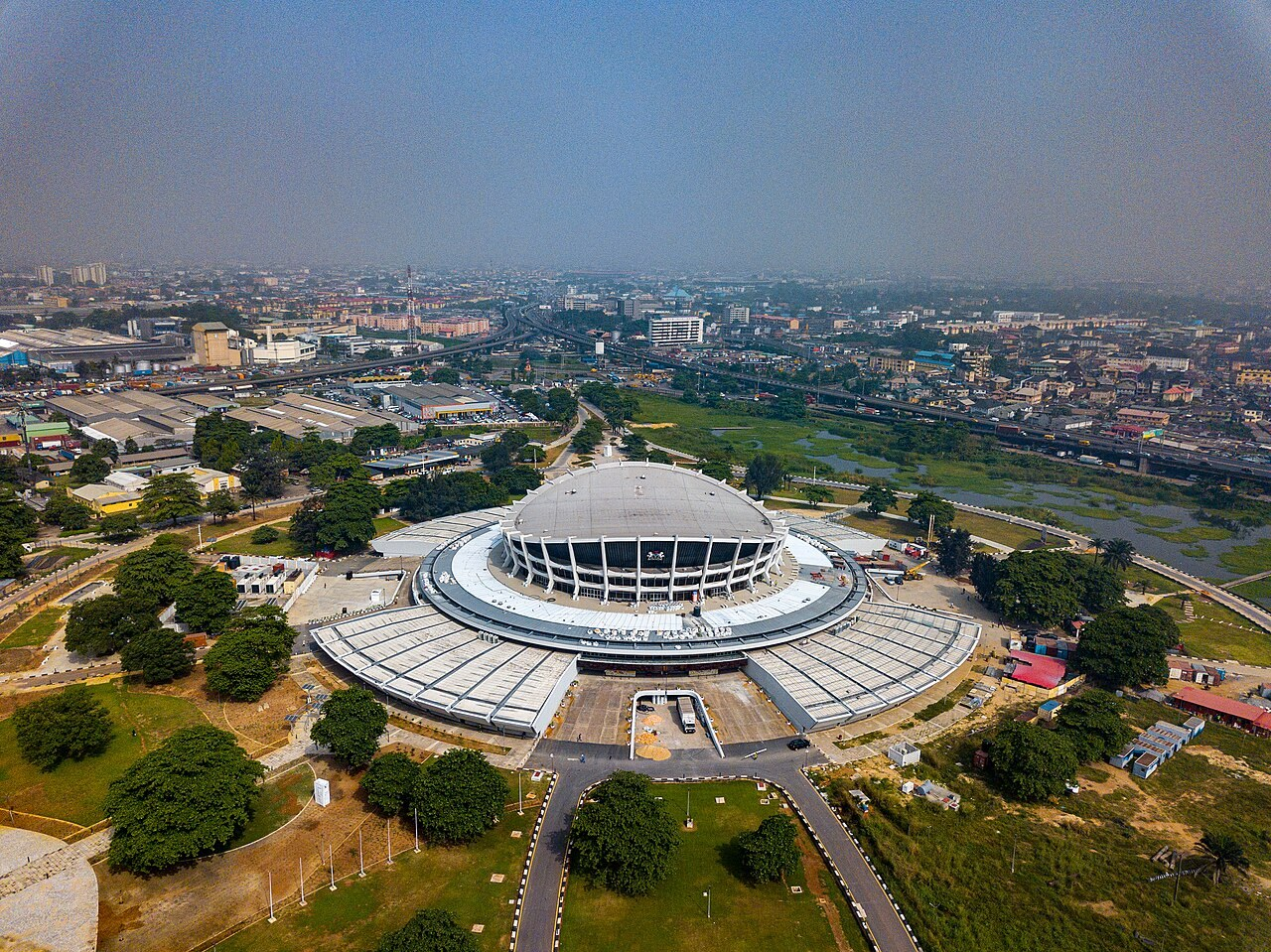
Nigeria hosted it at the height of its oil-boom confidence, projecting itself as a continental power and a centre of Black cultural life. The National Theatre, opened in 1975, became one of its defining landmarks, alongside performances, exhibitions and conferences. FESTAC was a major cultural statement, but not a long-term commercial system for the industries it showcased.
The years after the festival reveal the difference between building a landmark and sustaining an ecosystem. The National Theatre remained a physical legacy, but its fortunes declined as maintenance, programming, and institutional attention faltered.
A National Theatre monograph later observed that after FESTAC, neither government nor the arts community seriously treated the complex as an economic asset; oil revenue had made diversification seem less urgent.
The festival’s cultural memory endured, but it did not automatically create lasting systems for finance, distribution, rights management, training and export markets.
CANEX and the Push to Turn African Creativity Into Business
CANEX approaches the challenge with a different ambition. Launched by Afreximbank in 2020, Creative Africa Nexus is designed to help creative and cultural businesses access finance, skills, partnerships and markets across Africa and beyond.
Sustaining the initiative since 2020 deserves recognition, particularly in a sector where long-term support matters. The wider question, however, is what happens between editions and after the events end. Africa needs more than gatherings; it needs the structures, funding, and follow-through that keep creative businesses growing long after the crowds leave.
The bank has announced plans to raise its CANEX funding facility to $2 billion over three years, building on its earlier $1 billion facility. This ambition positions CANEX as more than a festival brand: it is intended to connect cultural production to trade and investment. The larger question is how effectively such financing and partnerships translate into sustained opportunities for creative businesses across the continent.
The Lagos programme reflects that commercial purpose. Alongside film, music, fashion, literature, visual arts, gastronomy and sport, the schedule is expected to include a CANEX Finance Summit and Deal Room, a short-film competition, songwriting camp, fashion showcases, junior chefs competition, concert and legends football match.

The Deal Room will give entrepreneurs a chance to present projects to financiers and investors considering debt or equity. If those conversations lead to funding, licensing agreements, distribution deals or repeat partnerships, the value could extend well beyond four days.
For creative businesses that struggle to move from promising ideas to commercial scale, access to the right partners could be as valuable as the exposure itself.
For Lagos, the immediate benefits could include hotel bookings, restaurant spending, transport demand, temporary jobs and international attention for local creative businesses. Designers, filmmakers, musicians and food entrepreneurs may find buyers or collaborators they would struggle to reach alone.
For Nigeria, hosting CANEX offers another opportunity to strengthen its position in African music, film and fashion while helping local businesses reach wider markets. These benefits matter, but they are only part of the picture. The longer-term question is whether the connections made during the event develop into contracts, repeat business and sustained export opportunities.
Beyond the Excitement: What Should Africa Measure?
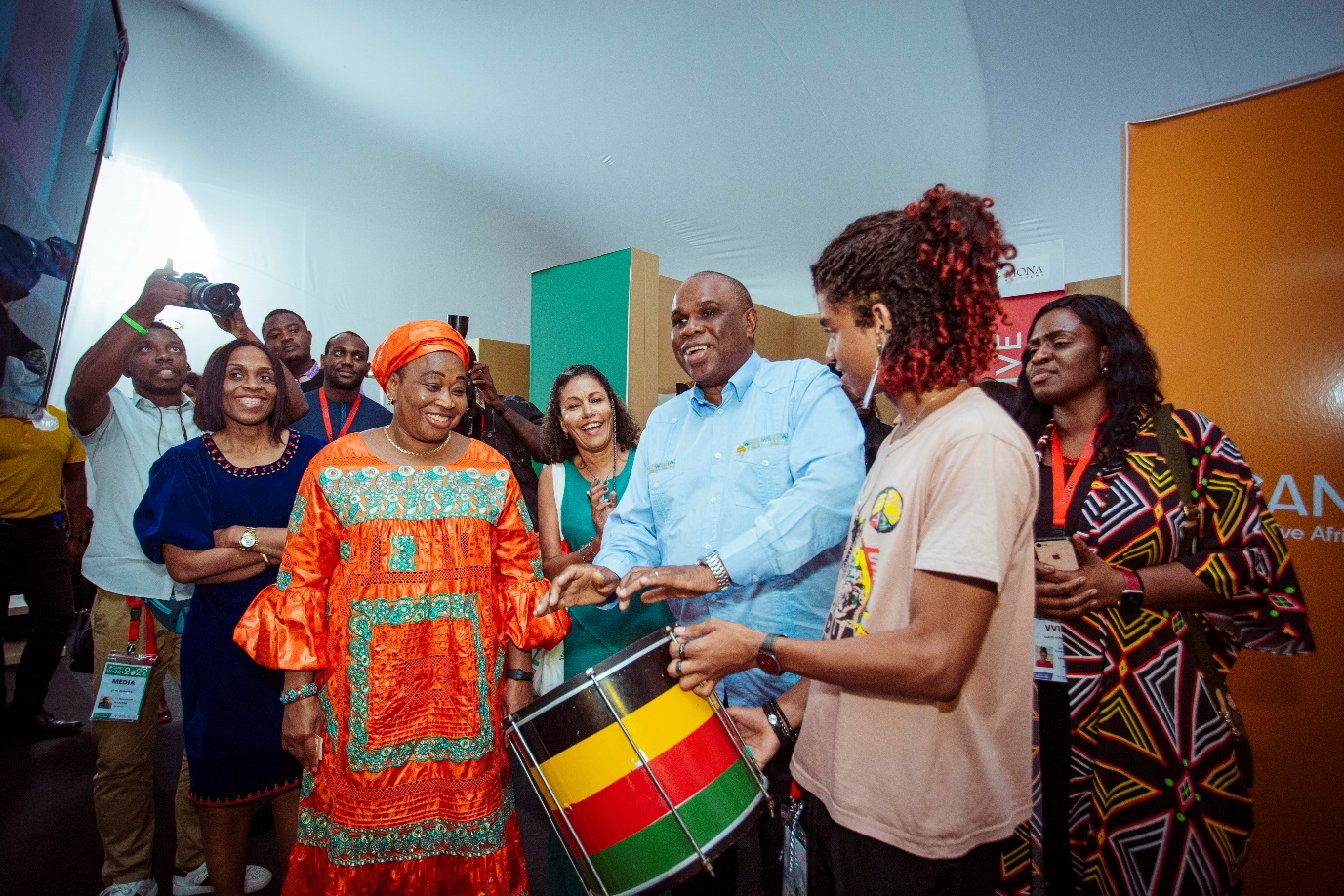
That is where excitement can give way to a closer examination of what sustained progress looks like. How many creatives secure financing or meaningful partnerships? Can smaller businesses access these opportunities?
What becomes of projects introduced in the Deal Room six months later? Tracking funding committed and disbursed, deals completed, jobs sustained, intellectual property protected, and products sold across borders would help show how far the opportunities created through CANEX translate into lasting commercial value.
These are not questions unique to CANEX; they are the wider measures by which Africa's creative economy can assess its progress.

Africa’s creative economy does not lack talent or international attention. Its recurring difficulty is turning that attention into reliable infrastructure and ownership: affordable production spaces, transparent funding, copyright enforcement, professional distribution, and policies that let creative businesses scale.
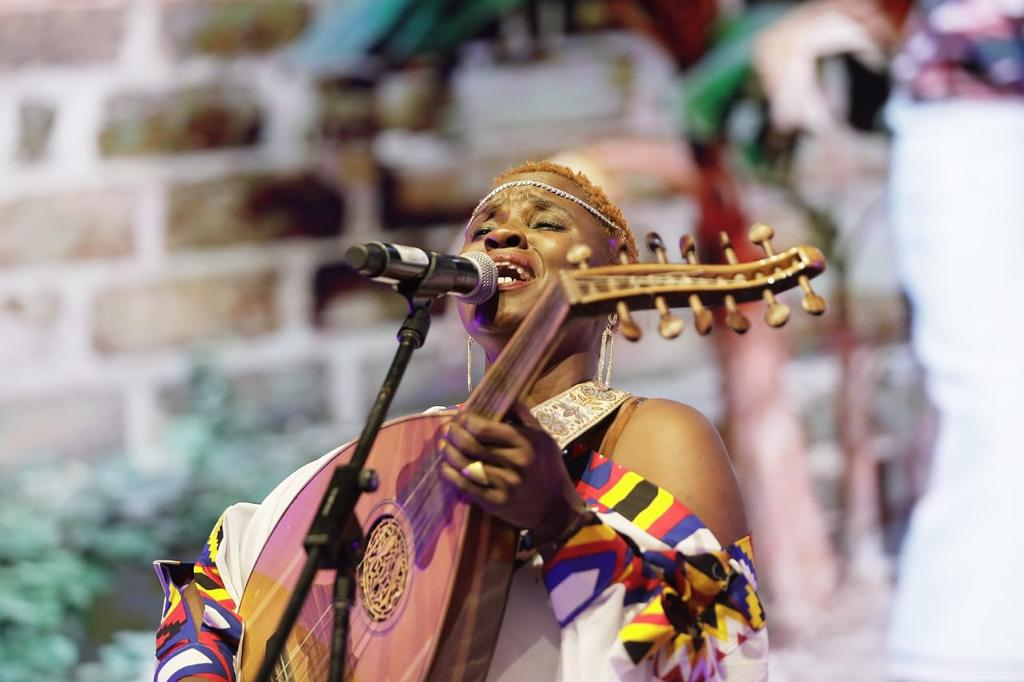
A hit song can travel globally while its creators struggle to negotiate royalties. A film can attract audiences without sustainable distribution. Visibility is valuable, but it is not the same as economic power.
FESTAC ’77 and CANEX 2026 are not the same project, and CANEX's long-term impact should be assessed on its own merits. Still, FESTAC offers a historical reminder that cultural visibility, however powerful, does not automatically create the systems needed to sustain an industry.
CANEX provides an opportunity to strengthen those connections between creativity, finance and trade. When the lights go down in Iganmu, the bigger question will remain: how can Africa build on gatherings like this to make its creative businesses easier to finance, produce, protect and sell to the world?