Why Is Africa Sitting on a $300 Billion Blue Economy and Barely Touching It?
Africa’s blue economy generates nearly $300 billion a year, yet fisheries, shipping, tourism, and marine energy remain largely untapped.
Africa’s economic wealth is often discussed in terms of its oil, minerals, agricultural land, and growing technology sector. Yet, beyond these familiar resources lies another economic frontier stretching across its coastlines, oceans, rivers and lakes.
It could support millions of livelihoods, strengthen food security, create industries, and open new sources of investment. This is the promise of the blue economy, one of the continent’s significant but underexplored economic opportunities.
The African Union’s Africa Blue Economy Strategy estimates that the sector generates nearly $300 billion annually and supports about 49 million jobs. Other estimates run higher, with some placing the value of Africa’s maritime industry at as much as $1 trillion a year, though figures vary widely by source.
With tens of thousands of kilometres of coastline, ocean territories covering roughly 13 million square kilometres and extensive inland water bodies, the continent has considerable aquatic resources that extend far beyond fishing.
Yet much of that value is still lost to raw exports, illegal fishing and underdeveloped infrastructure. The question is not simply what lies beneath its waters, but what Africa can build around them.
Beyond Fishing: The Industries Beneath the Blue Economy
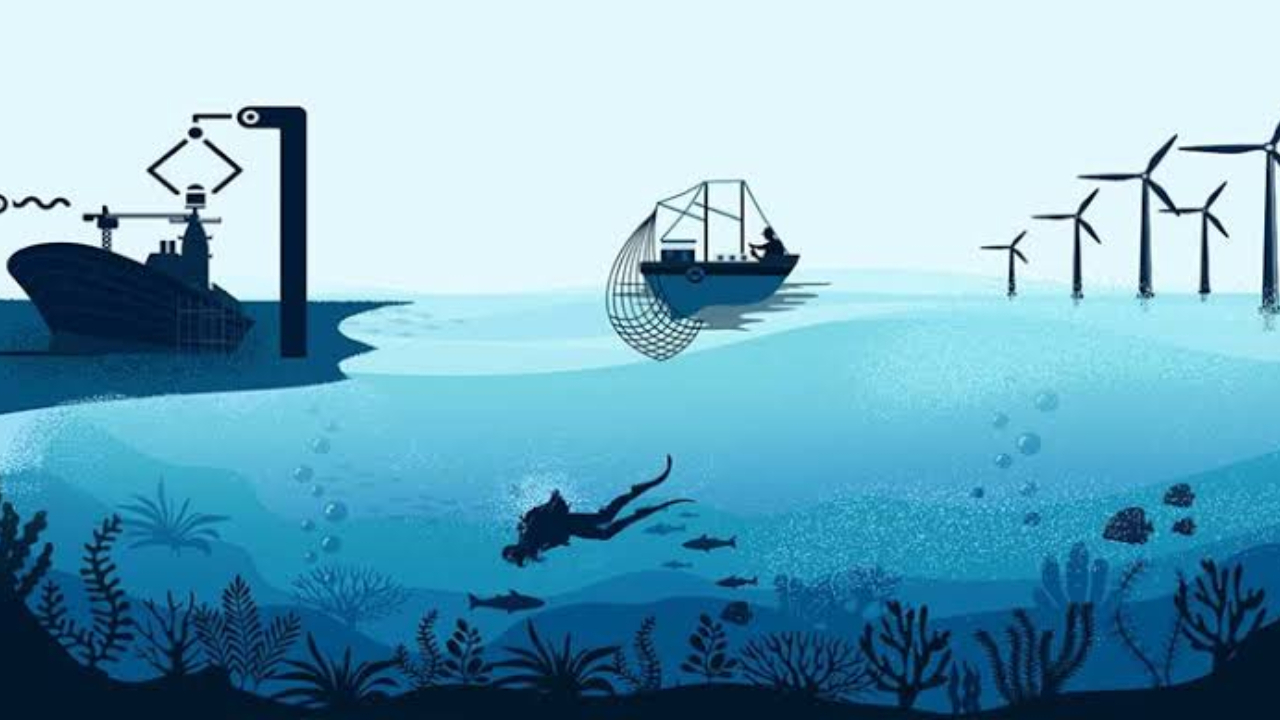
The blue economy refers to the sustainable use of oceans, seas, rivers, lakes, and other aquatic resources to generate economic growth while protecting the ecosystems that support them. It brings together several industries, including fisheries and aquaculture, maritime transport, coastal tourism, offshore energy, marine biotechnology and aquatic resource management.
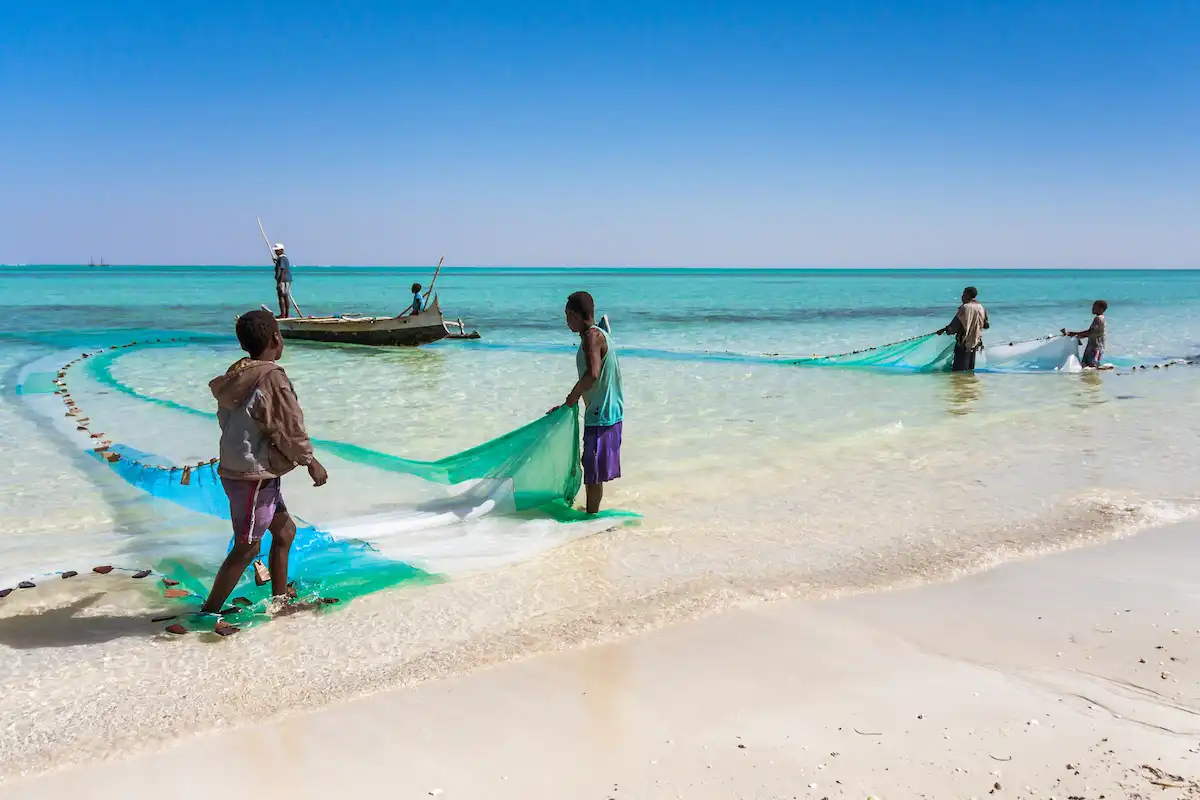
Fishing remains one of its most familiar components, providing food, employment and income for millions of people. However, aquaculture presents another opportunity, particularly as demand for fish continues to grow.
With better infrastructure, processing facilities, storage systems and investment, African countries could move beyond exporting raw seafood to developing stronger local industries and capturing more value from their resources.
That gap between potential and reality is where much of the untapped value lies. When countries export raw seafood rather than processed products, the profits from processing, packaging, and branding go to other economies.
Illegal fishing deepens the loss, with Greenpeace estimating that West African economies lose about $2 billion a year to it alone. Meanwhile, the African Union projects the blue economy could grow to $405 billion by 2030, which suggests how much room remains.
There is also considerable potential in maritime trade. Africa’s international trade depends heavily on its ports and shipping routes, creating opportunities in logistics, shipbuilding, port infrastructure and related services.
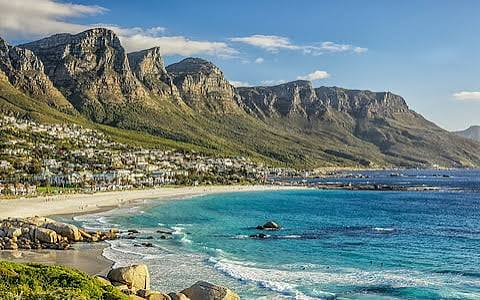
Coastal tourism, meanwhile, offers countries with rich marine ecosystems and attractive shorelines opportunities to expand hospitality, recreation and tourism businesses. Offshore wind, tidal and wave energy also present possibilities for diversifying the continent's energy sources.
These opportunities are interconnected. Developing one sector can strengthen another, creating employment across transportation, manufacturing, technology, research and services.
Why the Wealth Remains Untapped
Several obstacles explain why so much of this value remains out of reach. Illegal fishing, marine pollution, coastal erosion, overexploitation and climate change threaten the very ecosystems on which these industries depend.
Weak maritime governance, inadequate infrastructure, limited financing and insufficient technological capacity also restrict how much value African countries can capture.
Unlocking this opportunity will require more than identifying available resources. Governments must strengthen maritime security, invest in research, improve port infrastructure, support local fishing communities and create policies that encourage responsible private-sector investment. Regional cooperation will also be essential, particularly because oceans, rivers and aquatic ecosystems do not follow national borders.
Africa's waters are not simply geographical features surrounding the continent. They represent food, energy, trade, employment, innovation and investment opportunities. The challenge is to build industries that can generate wealth without exhausting the natural resources that make them possible. In the blue economy, Africa may be looking at a new frontier of prosperity, but its greatest value will depend on what the continent chooses to do with it.