Who Made the Wedding Guest an Unofficial Financial Sponsor in a Nigerian Wedding?
From expensive aso-ebi to wedding gifts, transportation, and accommodation, Nigerian wedding celebrations are becoming an expensive financial commitment for guests.
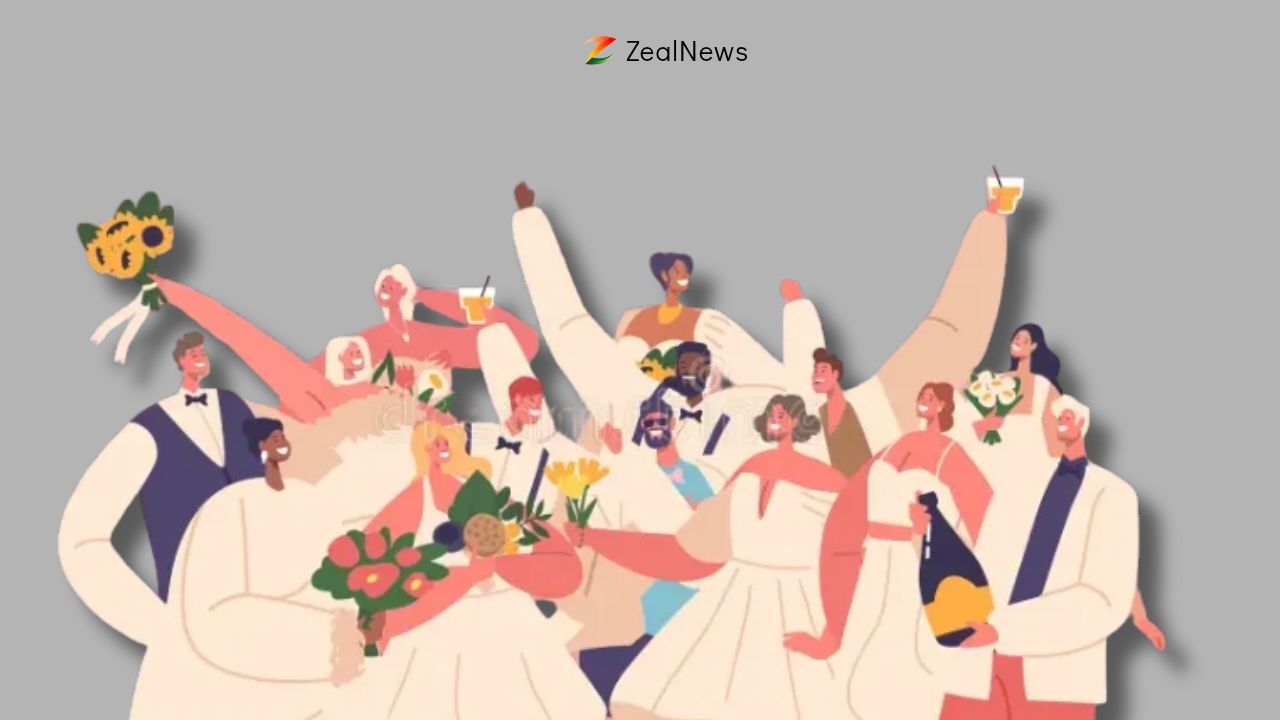
Seven friends grew up together, survived university, shared terrible jokes, and made promises about remaining friends forever. Now, adulthood has arrived, and apparently, everybody wants to get married
Emeka, however, is just chilling and trying to survive an economy that is not smiling at him. Unfortunately, his friends have other plans.
One wedding invitation from Ikenna has already come with a ₦150,000 aso-ebi bill, and he has not even started thinking about the wedding gift.
Excuse me? Is he attending a wedding or investing in a marriage?
And because these are his childhood friends, declining the invitation is not exactly an option. How do you explain to someone you grew up with that you cannot afford to celebrate the biggest day of their life? Apparently, friendship now comes with financial obligations, and the invoices are becoming increasingly difficult to ignore.
The Wedding Invitation That Comes With a Payment Plan
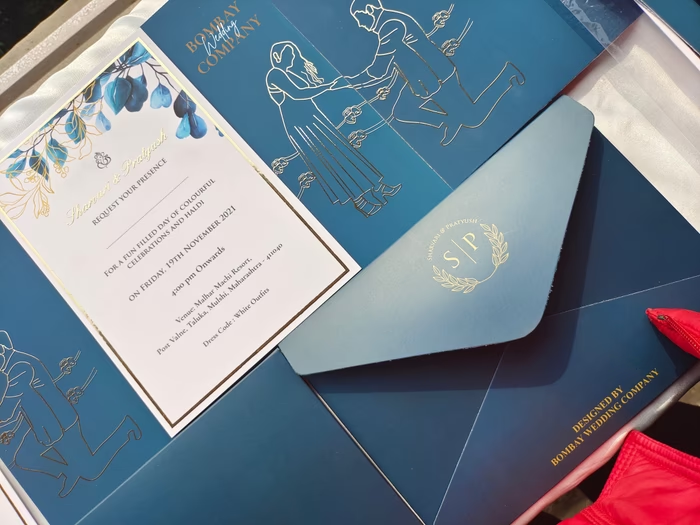
Let us begin with the aso-ebi. What was originally intended to create a sense of unity and distinguish family members and friends at celebrations has increasingly become another expense guests must negotiate.
Some couples and families set prices for the fabric, sometimes running into hundreds of thousands of naira, depending on the material and package. And please, do not forget that buying the fabric is only the beginning. You still have to pay someone to sew it, arrange your accessories, and possibly spend additional money to look presentable on the day.
Emeka's ₦150,000 aso-ebi is therefore not the full wedding budget. It is merely the admission ticket. And how much is Emeka's salary that he needs to make all these payments?
Then comes the wedding gift. Since the couple happens to be his close friend, buying something inexpensive may feel inappropriate. Maybe a household appliance, furniture, or an envelope containing a respectable amount of money. After all, these are people he genuinely cares about.
But why does showing love increasingly feel like a financial examination?
And before anybody starts accusing Emeka of being stingy, remember that he also has rent, food, transportation, and personal responsibilities. His friends are getting married, not sponsoring his monthly expenses.
Who Sent Emeka's Friend to Kano?
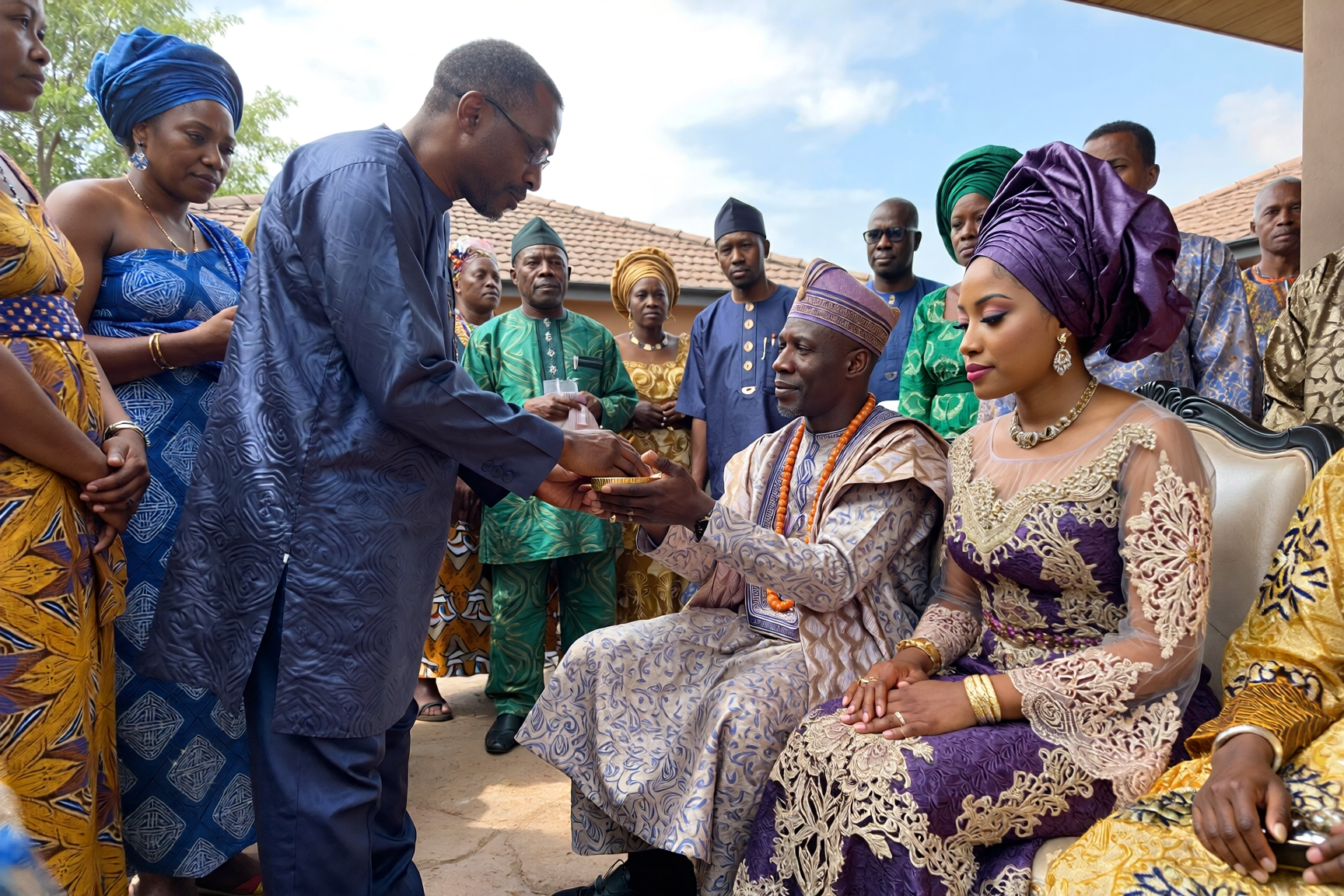
Now, this is where things become particularly interesting.
Chinedu, another member of the seven-person friendship group, has decided to marry in Kano. Wonderful news! We wish him a beautiful marriage. However, Emeka lives in southern Nigeria, and attending this wedding means travelling from Aba to Kano.
Who told Chinedu to go and marry in Kano, for God’s sake? With no bad feelings intended, of course! Emeka is very happy for his friend, just not for his transport fare.
Because transportation alone requires serious planning. Depending on the chosen route and means of travel, there will be additional expenses for accommodation, feeding, and movement within the destination city. If Emeka is expected to arrive early for traditional wedding activities, he might need to spend even more time away from home.
And remember, he is not merely attending. He has been selected as one of the groomsmen.
So, alongside the aso-ebi, wedding gift, and transportation, there are now additional expectations attached to his role. He must participate in the activities, support his friend, and somehow look like somebody who has his finances under control.
To make matters more interesting, Emeka is also expected to support Amina indirectly throughout the wedding process. Amina is Chinedu’s bride. Apparently, marriage has expanded the friendship group and its financial obligations.
At this rate, Emeka may need to open a wedding expense account.
When Celebrating Your Friends Becomes Another Monthly Expense
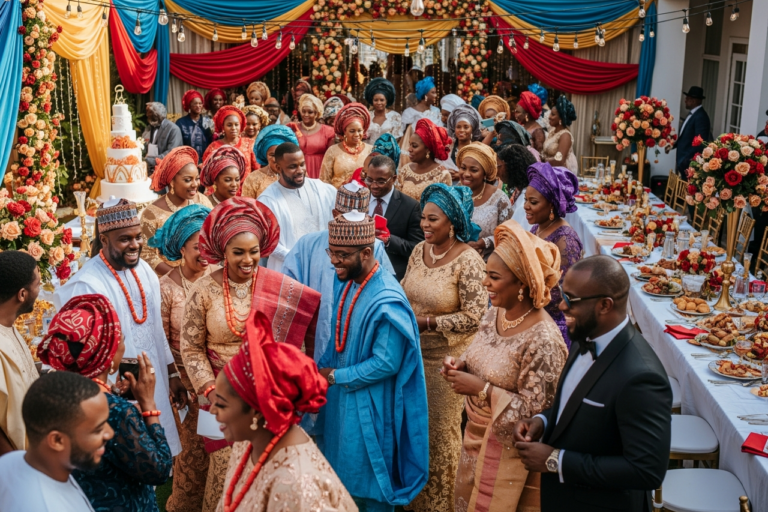

The problem is not that people are getting married or expecting friends to celebrate with them. Weddings are important milestones, and contributing towards the happiness of loved ones is part of maintaining meaningful relationships.
However, there is a growing question about how much financial responsibility should accompany an invitation.
Consider a person like Emeka who has six close friends, all approaching marriageable age:
If each wedding requires ₦150,000 for aso-ebi alone, that is already ₦900,000, excluding gifts, transportation, accommodation, and other contributions.
And that is assuming everybody is getting married only once and nobody has decided to organise a destination wedding or a series of long-planned events that span across different days.
There are also bridal showers, bachelor parties, engagement ceremonies, wedding contributions, and sometimes separate traditional and white wedding celebrations. Each occasion arrives with its own financial expectations.
For young working Nigerians, particularly those earning fixed salaries, these expenses can become difficult to accommodate. The same money that could have gone towards savings, debt repayment, professional development or household needs may disappear into a calendar of wedding celebrations.
And heaven forbid that two close friends decide to marry within the same month!
Is Marriage Becoming a Business Opportunity for Those Getting Married?
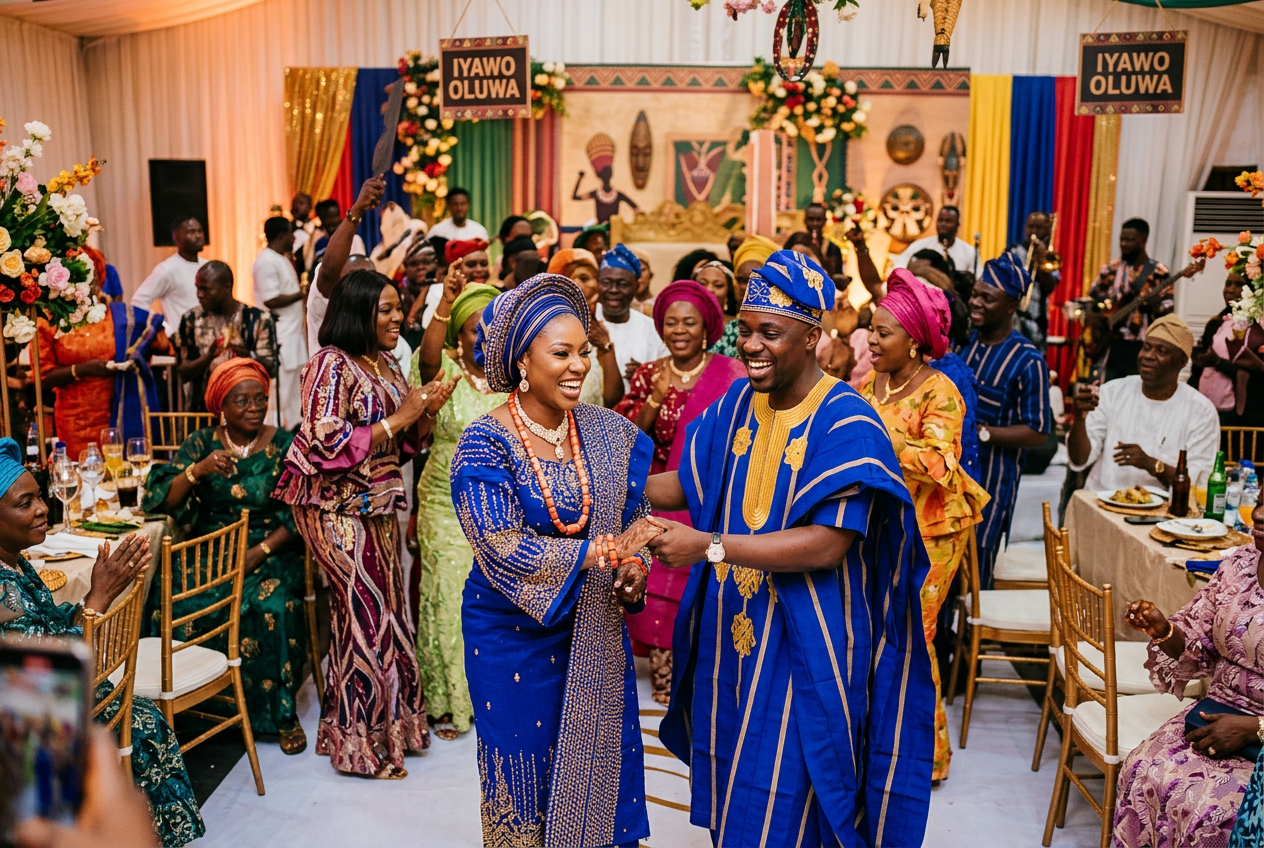
There is nothing wrong with couples organising beautiful weddings or choosing the celebrations they can afford. Neither should guests be discouraged from voluntarily supporting people they love.
But maybe we should reconsider the growing expectation that friends and family members must finance every aspect of a wedding celebration.
A wedding invitation should not automatically become a financial obligation. Aso-ebi should be optional, contributions should remain voluntary, and nobody should have to borrow money to demonstrate friendship.
After all, the people getting married are beginning a new chapter of their lives. Their friends should not have to begin theirs with depleted savings and outstanding debts.
Emeka wants Chinedu to enjoy his marriage. He wants Amina to be happy, and he genuinely wants to celebrate all six of his friends when their respective wedding invitations arrive.
But can we please remember that he is also trying to get married someday? Or at least survive long enough to afford it?
Because if all six friends eventually get married, who exactly is going to finance Emeka's own wedding? More importantly, how is he going to finance his own?
So, maybe the next invitation should come with a complimentary understanding in mind that everyone is trying their best.
Friendship is priceless, they say. Unfortunately, attending Nigerian weddings is increasingly proving otherwise.