Tinubu Helped Fubara Stay in Power. Is Three Million Votes the Payback?
Fubara promises Tinubu three million votes in 2027 after the president helped restore his government, raising questions about political loyalty and voters’ rights.
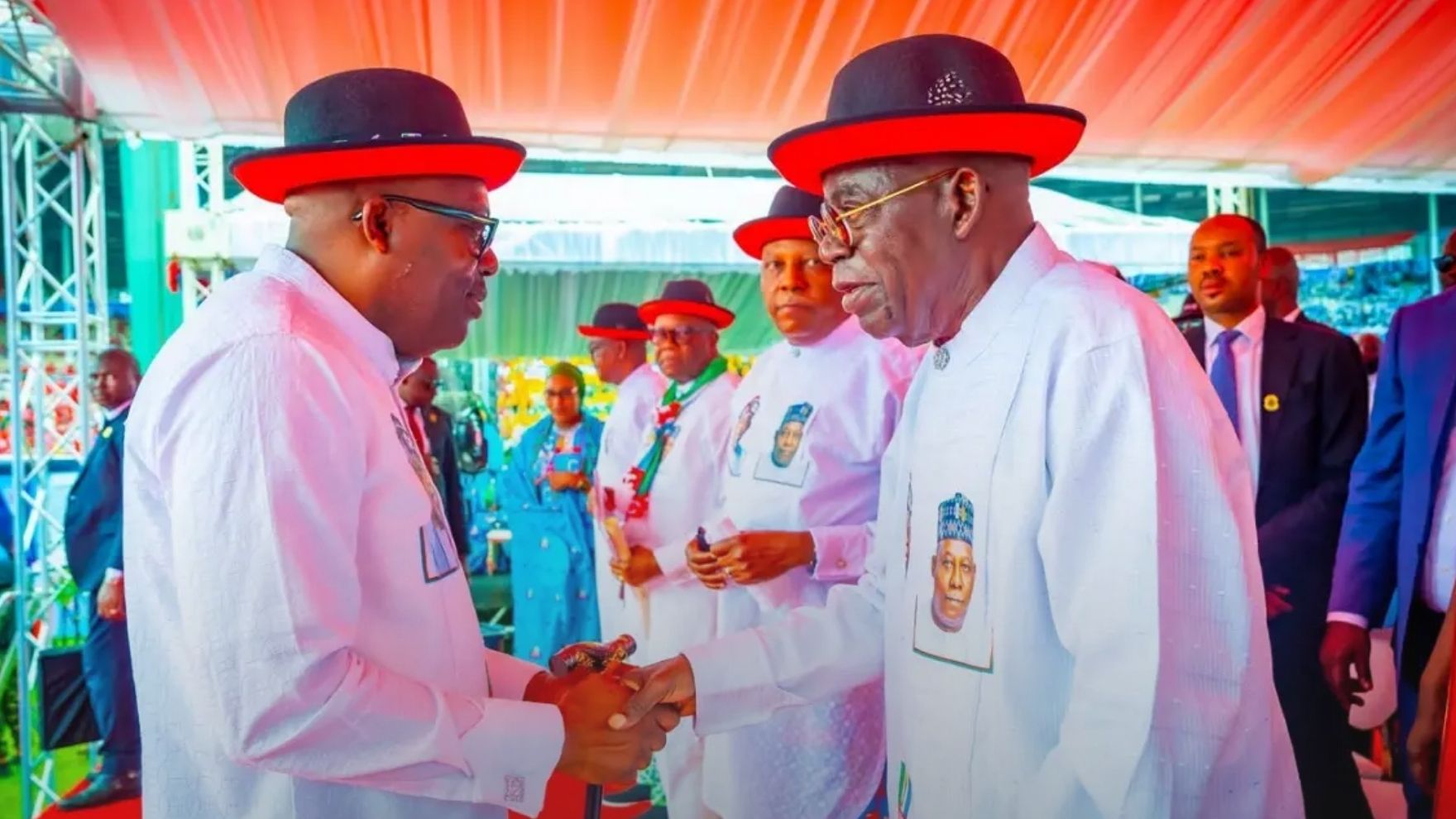
On Saturday, in a packed Port Harcourt stadium, Governor Siminalayi Fubara promised President Bola Tinubu not less than three million votes in the 2027 presidential election.
He had a simple reason. “A good gesture deserves reciprocity,” he said. Support given, support returned.
Alliances run on that logic everywhere. But there is something quite disturbing about his declaration for support. Fubara is promising three million votes to Tinubu. Has Fubara somehow divided himself to become three million people? That is the logic such promise holds up.
It is a vote. And a vote is not Fubara’s to give.
How Tinubu Helped Fubara Stay in Power
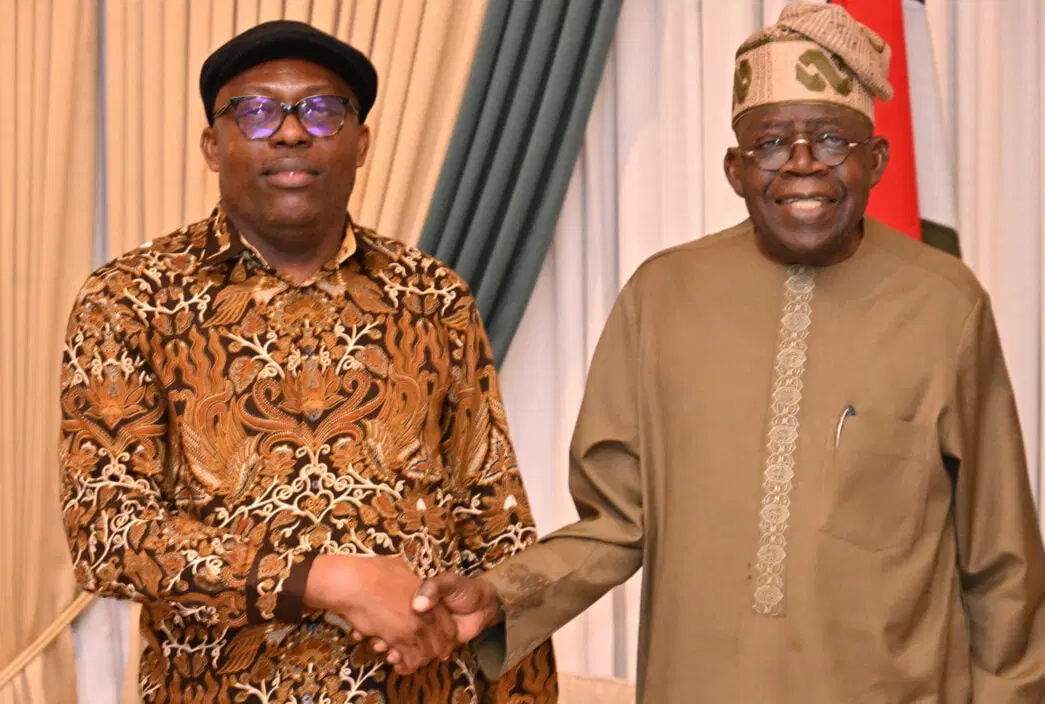
To understand why the promise sounds like a debt, let’s go back toMarch 2025. Tinubu declared a state of emergency in Rivers State, suspended Fubara, his deputy and the state lawmakers, and installed a sole administrator for six months.
In September, the same president lifted the emergency and reinstated them all.
So, Fubara owes his return to the man who sent him away. At the rally, Tinubu reminded the crowd that he intervened on Fubara’s behalf during the family misunderstanding with Nyesom Wike, and told the governor he would never regret his deference to political elders.
That is the language of patronage. It describes a governor whose political survival depends on the goodwill of Abuja.
What Three Million Votes Would Actually Mean
Let’s do a little math, shall we? In 2023, Tinubu won Rivers with 231,591 votes. Fubara is now promising almost thirteen times that figure.
Rivers had about 3.3 million registered voters in 2023, and only around 605,000 were accredited to vote.
Using the 2023 register, three million votes would mean roughly nine in every ten registered voters showing up and choosing the same candidate.
Nationwide turnout in 2023 was about 27%. A promise of three million votes is a claim about an outcome, made before millions of citizens have decided anything.
And with the amount of rigging accusations and violence witnessed during general elections, it should be very concerning.

Why Promising Votes in Rivers State Is a Problem
Political leaders are free to make alliances, trade support and campaign for whoever they choose. Fubara can endorse Tinubu. Wike can mobilise for him. They can fill stadiums, bring the APC and the PDP together under a Rainbow Coalition and call it unity. That is politics.
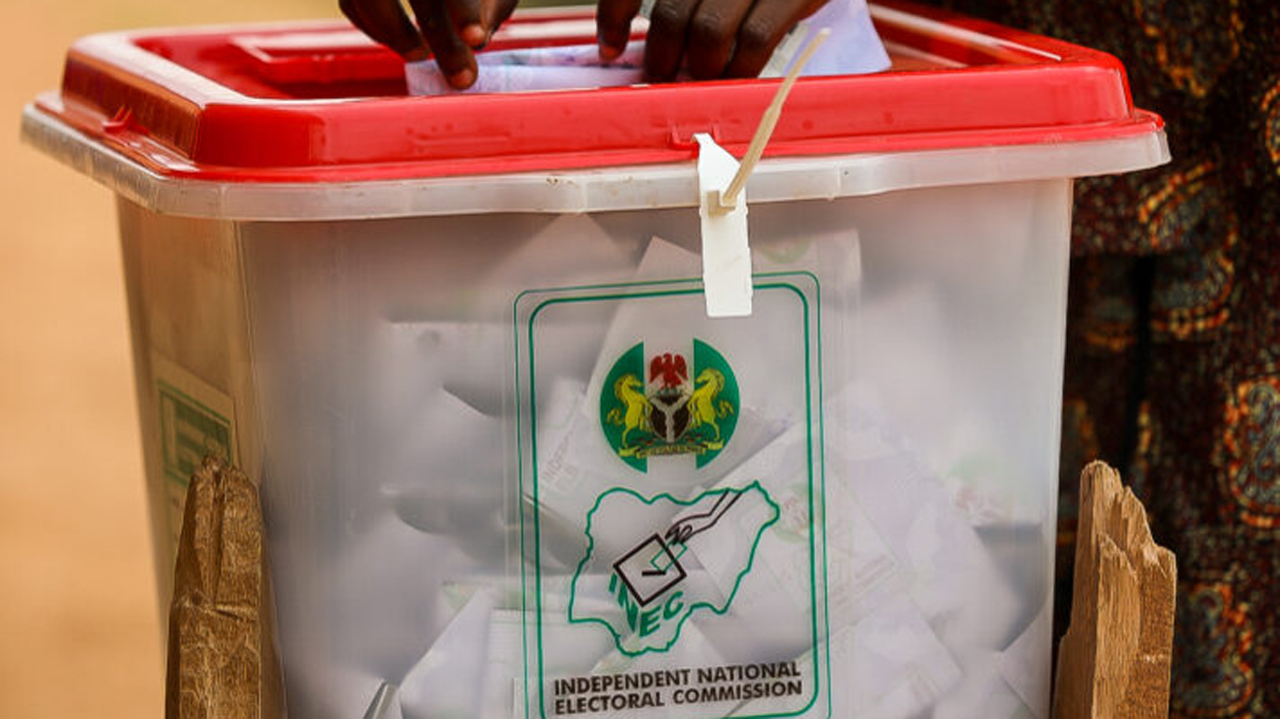
But the votes they promise to deliver belong to citizens. A governor can ask for votes. He cannot sell them, and he should not speak as though he holds them in stock.
Wike told the same rally that Rivers people had already made up their minds for January 16. Nobody can know what millions of voters have concluded months before they reach the polling unit. When politicians speak of delivering votes, citizens are right to ask what exactly is being delivered, and how.
Pledge or Promise? The Language of Delivering Votes
Does it matter whether Fubara pledged or promised? Both words mean a commitment to do something. The verb that follows is what matters, a lot.
Voters are not delivered. They are persuaded, mobilised and, on election day, they choose. Delivering votes treats the electorate like cargo passing between politicians.
There is also the concern of the settings. The rally was organised bythe Rainbow Coalitionled by Wike, who cited 47 political appointments and federal projects as proof that Rivers people have a brother in Tinubu.
Roads and universities are what governments owe citizens regardless of how they vote are being presented as favours that demand repayment in votes.
Rivers Voters Are Not a Bargaining Chip
Rivers has already seen what elite quarrels cost. Six months of emergency rule, a governor sidelined, an assembly suspended, governance disrupted by a feud between political heavyweights.
The reconciliation is welcome, because peace in Rivers benefits everyone. But a settlement between Wike and Fubara is a deal between two politicians. It cannot be spent in the name of millions of Rivers voters.
Rivers voters did not cause that crisis, and they should not be asked to settle its accounts.
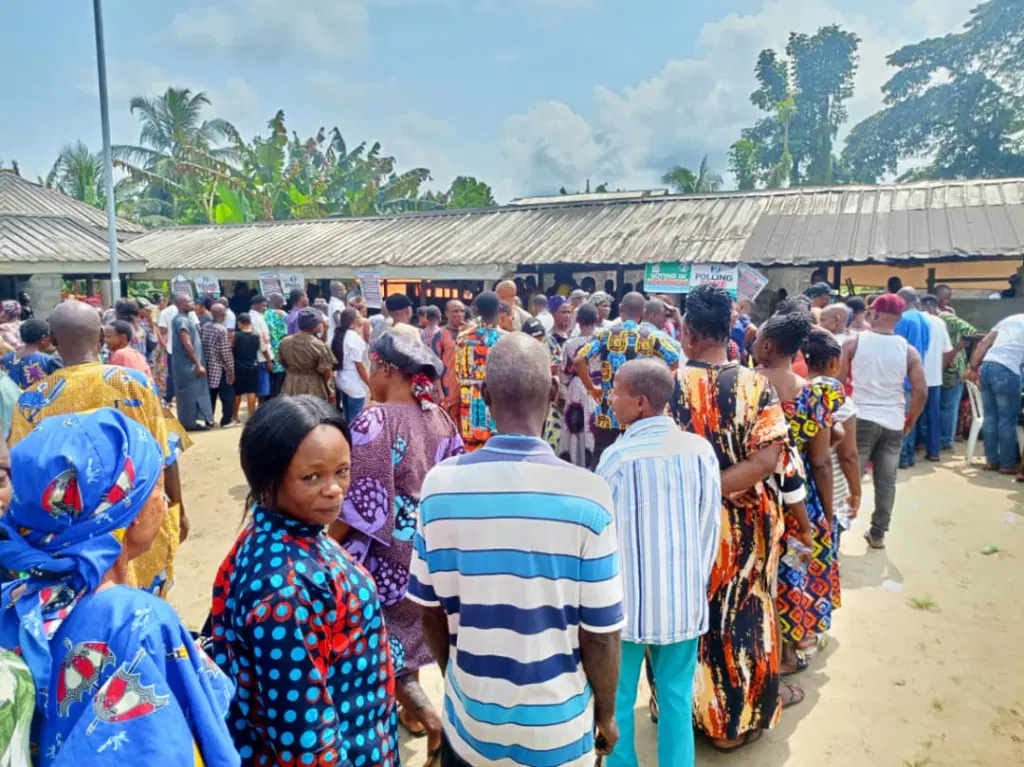
Rivers voters include people who backed Obi in 2023, people who backed Atiku and people who are yet to decide. Some will agree with the coalition. Others will not. The ballot is secret for a reason: so that no governor, minister or president can claim it.
What Rivers Voters Should Demand Before January 16
Support Tinubu if you believe his record deserves it. Reject him if you do not. Either way, let the decision come from what the government has done for the country, and if you believe in the cause.
Ask what the coalition offers beyond appointments. Ask why a promise of three million votes sounds more certain than a promise of services. Rivers deserve much better.
Fubara is entitled to repay a political favour. He is not entitled to spend the franchise of millions of people to do it.
The three million votes he promised do not exist yet. They will exist only if citizens freely decide to cast them. Until then, they are a politician’s boast, and the only people with the power to make it true or false are the voters.