What If Nigeria Had a Midterm? The American Result Makes Us Wonder About Our Own Four-Year Wait
Could Nigeria adopt a midterm-style electoral system? The 2026 U.S. midterms raise questions about accountability, staggered elections, and Nigeria’s four-year wait.
On Tuesday, 3 November 2026, Americans were not choosing a new president. Yet millions still went to the polls, and the results delivered what politics occasionally forgets to leave room for: surprises, corrections and new voices.
Several historic firsts emerged. Keisha Lance Bottoms became the first Black woman elected governor of a U.S. state, and Deb Haaland the first Native American woman elected governor. Peggy Flanagan became the first Native American woman elected to the U.S. Senate, and Abdul El-Sayed the first Muslim elected to it.
Their wins matter beyond identity. The American system had created another moment for citizens to speak before the next presidential election. That raises a question for Nigeria: what if Nigerians had something similar?
What Does a Midterm Actually Do?
A midterm is held halfway through a U.S. president’s four-year term. It does not remove the president, and it does not send the country looking for a new one after two years. The president keeps the veto power, but the balance in Congress can shift, changing how easily bills pass.
Instead, voters elect members of Congress and, depending on the state, governors and state legislators. All 435 House seats are contested every two years, while roughly one-third of the Senate is elected because senators serve staggered six-year terms.
The result can change the balance of power around a sitting president and decide how easily an administration passes laws. The principle is simple: presidential power does not exist in isolation, and voters get another chance to influence the system before the next presidential contest.
How Nigeria Does It Differently
Nigeria operates differently. The presidency, National Assembly and most governorships are elected within the same four-year cycle, and a president or governor can serve a maximum of two terms. Power is tested on one big election day, and then voters wait.
Nigeria does hold elections in between: by-elections, local government elections and off-cycle governorship elections in eight states, namely Anambra, Bayelsa, Edo, Ekiti, Imo, Kogi, Ondo and Osun.
But those calendars were shaped largely by court decisions, reruns and shifts in when governors’ tenures began, not by design. They are not a national midterm accountability system.
Could Nigeria Have Its Own Midterm Moment?
The case for it is easy to understand. A mid-tenure check would let citizens reshape parts of government without waiting four years, and it would remind parties that public dissatisfaction need not stay theoretical until the next general election.
Imagine part of the legislature facing voters halfway through a presidential term, or electoral cycles being deliberately staggered. A government might stay in office, but the political climate around it could shift with how citizens judge its performance.
The arguments against are serious too. Nigeria already spends enormous resources on elections in a country with major security, logistical, and financial challenges.
More elections could mean higher costs, voter fatigue, and politicians permanently stuck in campaign mode. And more elections do not automatically mean better governance.
A midterm could become another expensive contest unless electoral laws, institutions and civic engagement are strong enough to make the vote meaningful.
The Real Barrier Is the Constitution
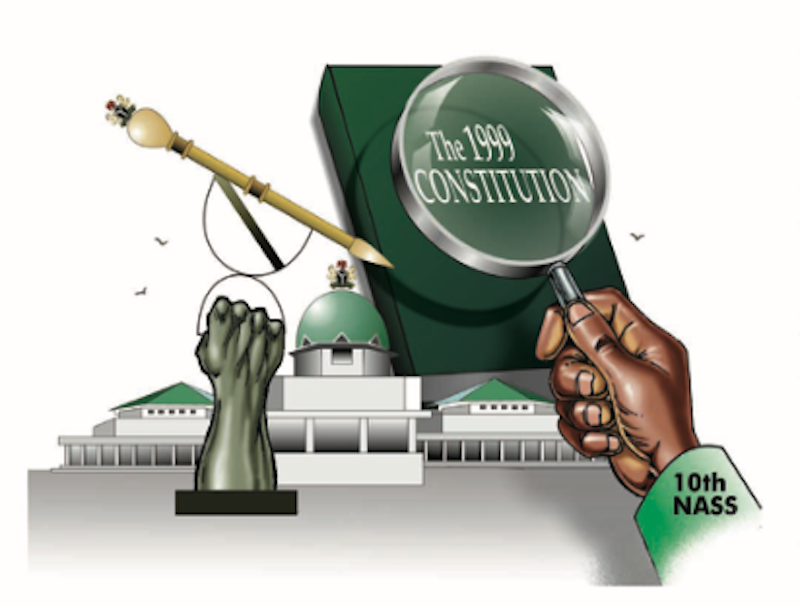
Nigeria cannot copy the American calendar overnight. Major changes to electoral tenure would require a constitutional amendment under Section 9, with two-thirds approval in both chambers of the National Assembly and support from at least two-thirds of the state Houses of Assembly.
Then comes the most human question: would people benefiting from the current system approve a reform that could make their own political lives harder?
That is why this is not about importing American politics. The United States has its own history, institutions and problems, and any Nigerian alternative would have to fit Nigeria’s federal structure and realities.
But the midterm offers a principle worth borrowing: citizens need not wait for the end of every political cycle before their votes can shift the balance of power.
Power Must Answer Between Elections
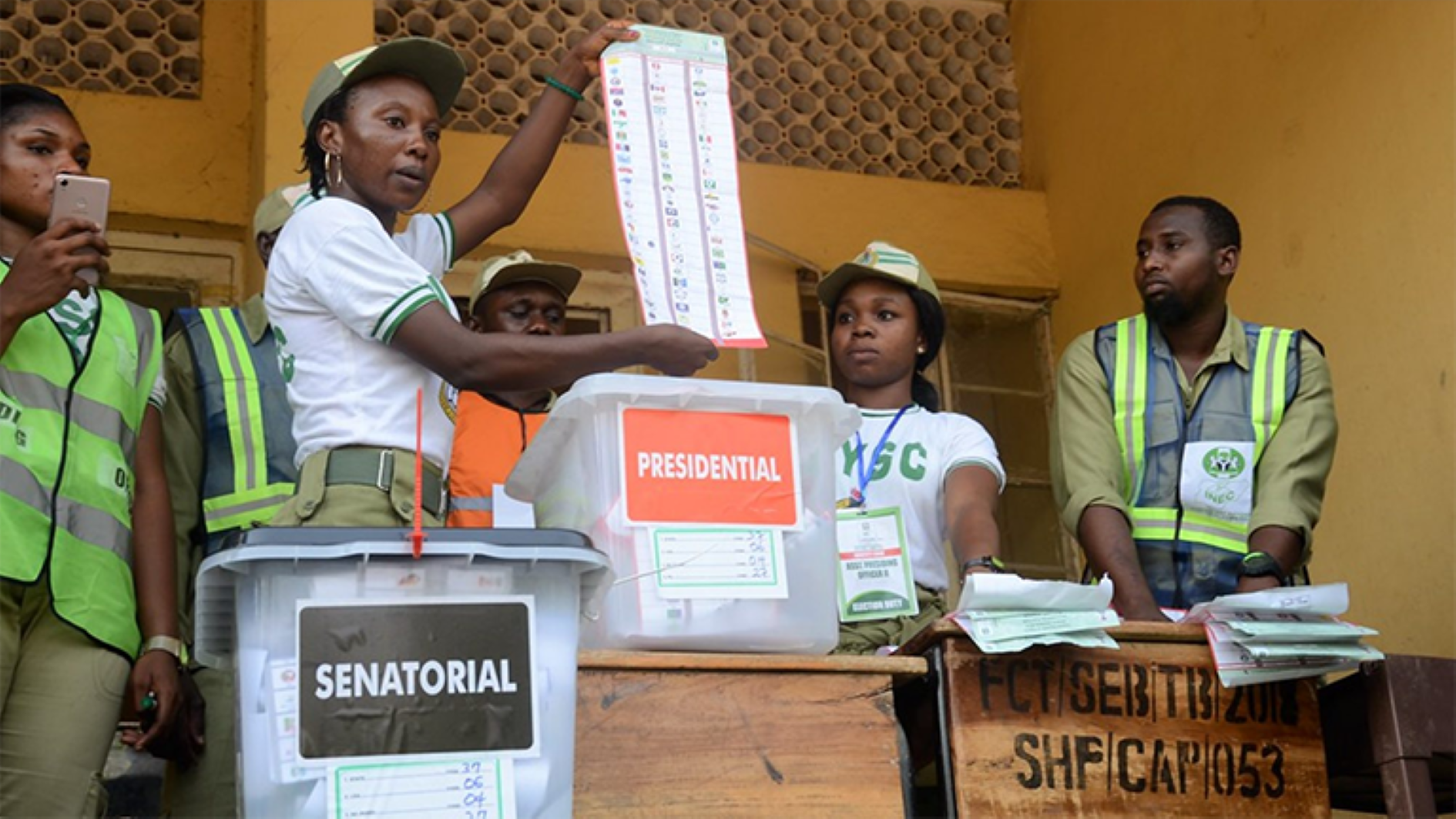

Still, no election calendar can replace civic attention. A midterm would mean little if citizens only cared about governance when campaign posters appeared. Institutions work best when public pressure continues between elections.
So maybe the bigger question is whether Nigeria needs more opportunities to vote, or better systems that make power answerable every day. Maybe the answer is both. A Nigerian midterm would not remove the president, but it might make power listen.