Should You Get Paid When a Brand Uses Your Face in an AI-Generated Advert?
AI can put your face in adverts for products you've never used, without hiring you or asking permission. Can brands legally profit from your likeness without paying you?
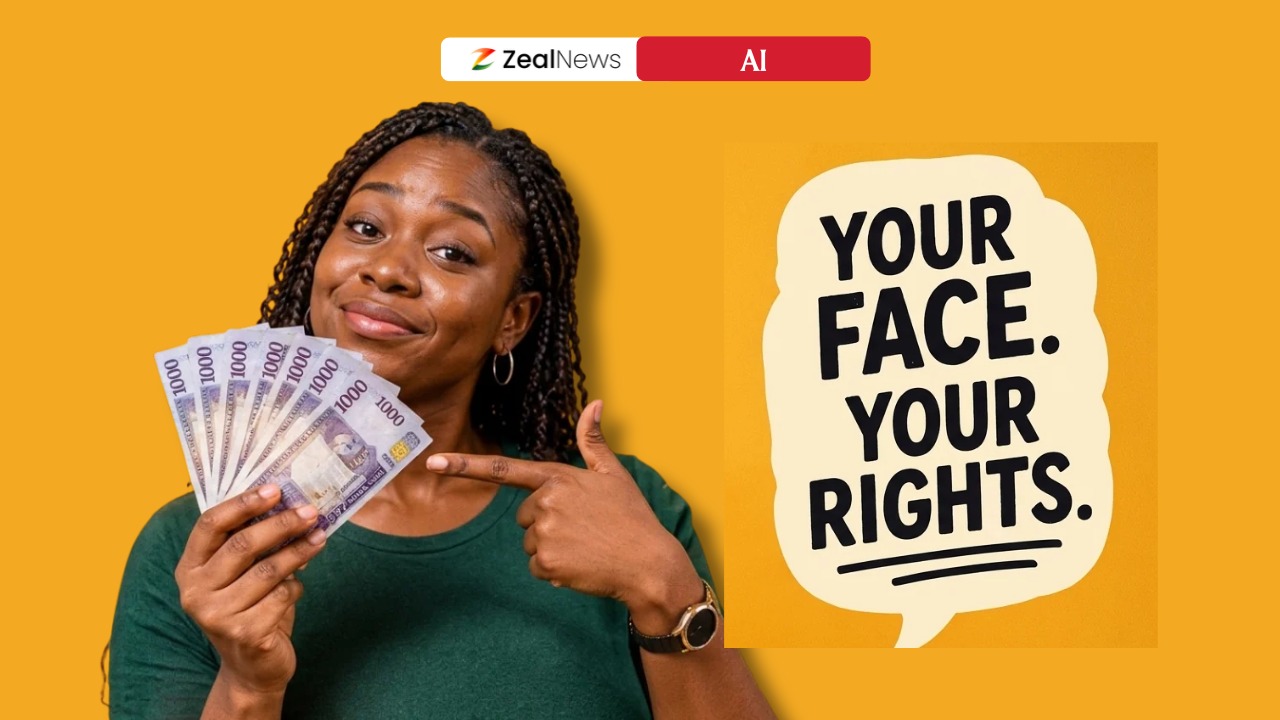
A brand needs an advert: someone smiling beside a bottle of skincare or recommending a financial product. Traditionally, that meant hiring a model and organising a shoot.
Now, the company can upload photographs of someone's face into an AI tool, enter a prompt and wait. Minutes later, it has an advert featuring a person who may never have heard of the company, used its products or agreed to promote them.
The image looks convincing, and the person may not know it exists. AI saves the brand time and money, but raises a difficult question: who gave the company permission to use their likeness, and should they be paid?
Your Face Has Commercial Value
A person's face does more than identify them. It can shape how people perceive them and influence what an audience thinks or buys. This is why brands pay models, actors and influencers: their image can attract attention and build trust.
Artificial intelligence changes how that image can be produced. A company might use someone's photograph as a reference for an AI-generated image, create a digital replica that resembles them, or alter an existing photograph to make it appear as though they endorse a product.
The methods differ, but the purpose is the same: using an identifiable person's likeness to sell something.
Finding someone's photograph on Instagram does not automatically give a company permission to use it in an advertisement. A public profile is not a free image bank. And the fact that an AI tool generated the final image does not mean the person's identity is no longer involved.
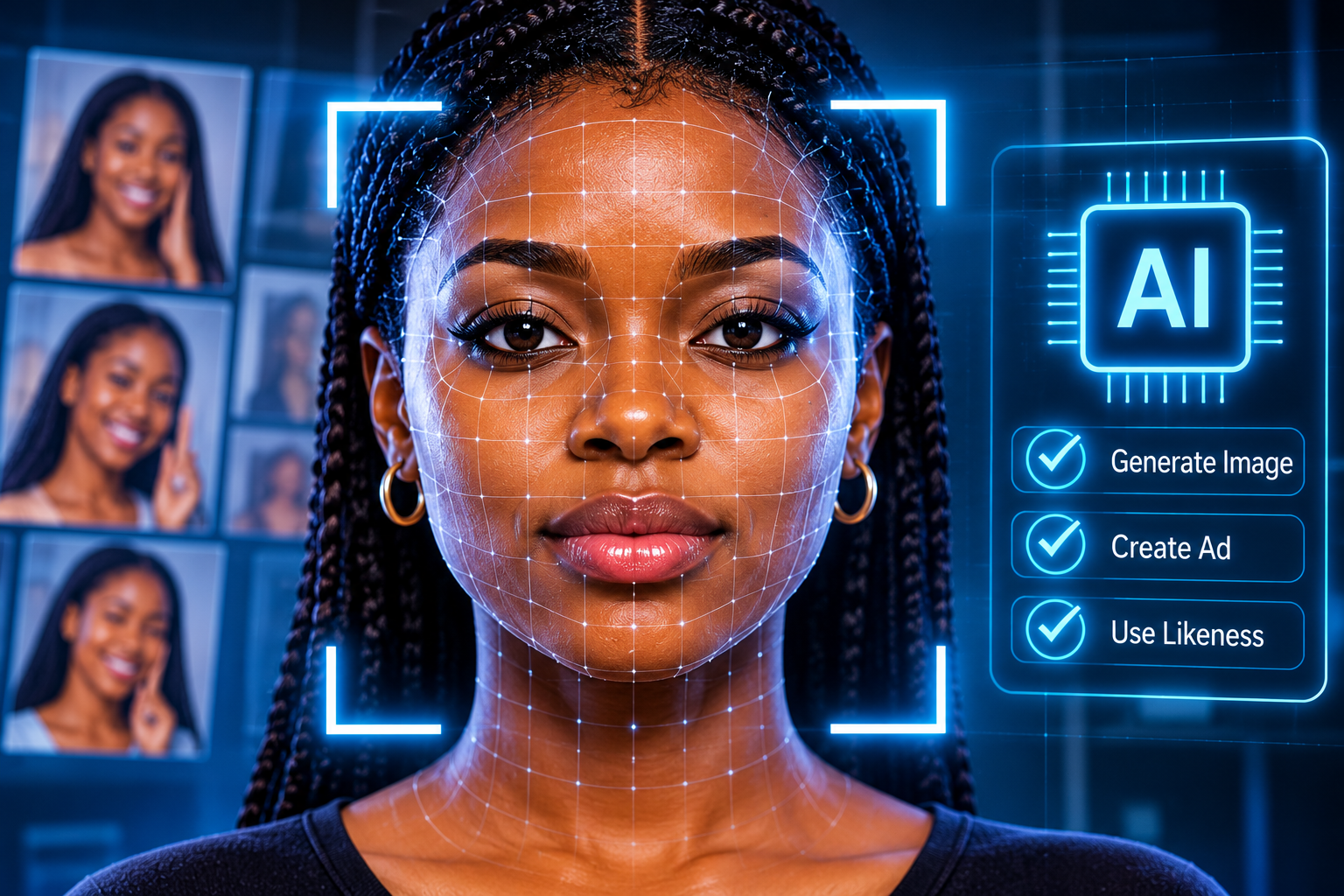
This is not limited to celebrities or models. An ordinary social media user could find their face in an advert for a product they have never used, appearing to recommend it. Their identity gives the advert credibility and associates them with claims they never made.
What Does Nigerian Law Say?
Nigeria does not have one standalone law establishing a complete system of image or personality rights. However, existing privacy and data protection rules may apply when a company collects, processes or uses an identifiable person's image.
The Nigeria Data Protection Act 2023 recognises biometric data, including facial images processed through technical means that allow or confirm a person's unique identification. It also requires personal data to be processed lawfully, fairly and transparently, and for specified purposes.
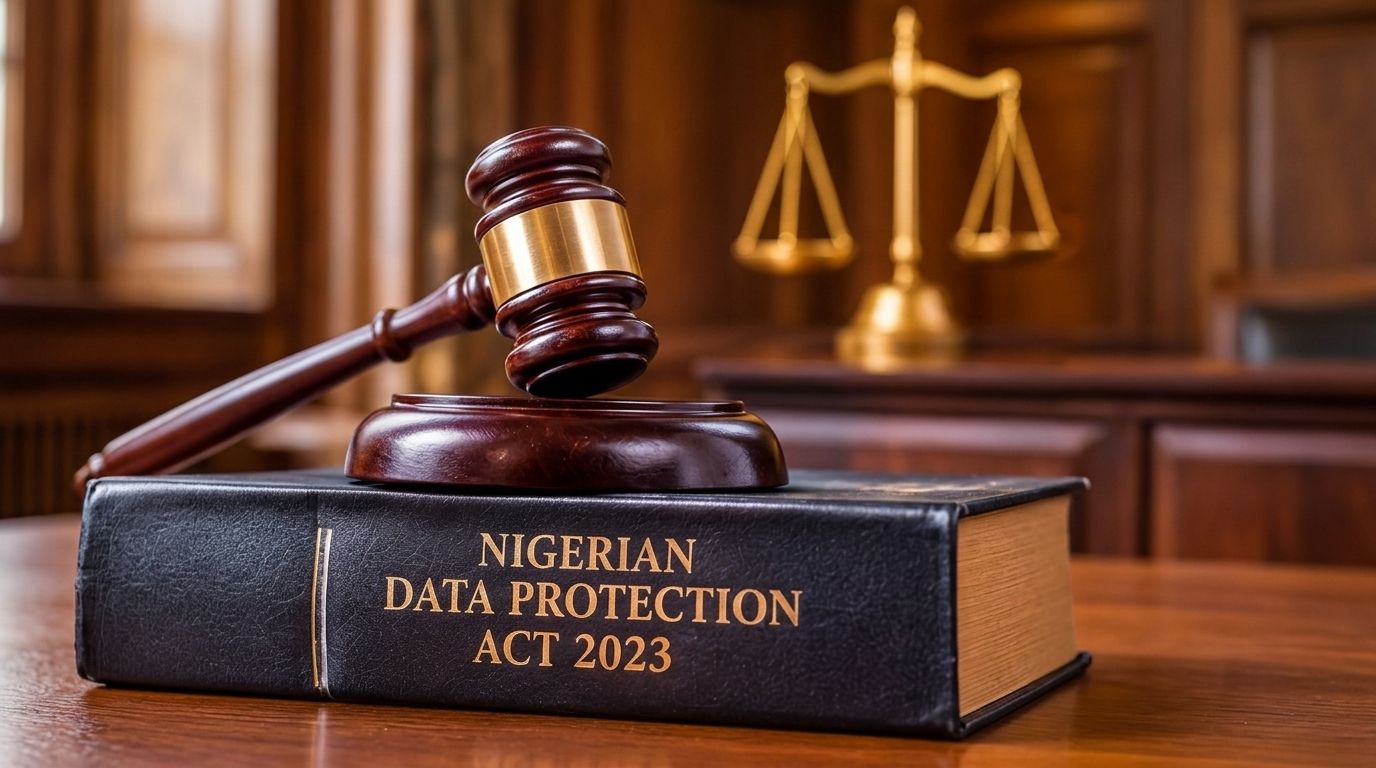

These provisions may apply when a company collects photographs or facial data to create advertising material. The obligations depend on how the information is obtained and processed.
The Nigeria Data Protection Commission's 2025 General Application and Implementation Directive also addresses photographs taken at public events. It distinguishes using such images to report on an event from using them for profit-making or commercial advertising.
The directive says express consent is required for the latter and emphasises that consent must be informed and properly recorded.
Being photographed at a public event does not automatically give a brand permission to turn that image into an advert.
A court decision has also brought the commercial use of people's images into focus. In May 2026, the Lagos State High Court ruled in Larry Nwabueze v. Nigerian Breweries Plcafter the claimant's image was used in Goldberg promotional material without a lawful basis.
The court treated his identifiable photograph as personal data, ordered its removal and awarded ₦10 million in general damages, plus ₦500,000 in costs.
Although the case concerned event footage rather than an AI replica, it shows that commercial use of an identifiable image can have legal consequences.
Nigeria has no detailed code setting out payment for AI-generated likenesses. Existing data protection rules may still apply, but permission and payment are separate issues.
Consent, Payment and the Rules Brands Need to Follow
Someone may agree to appear in an advert without a fee, perhaps as a collaboration or in exchange for another benefit. Others may negotiate a fixed payment, royalties or a licensing fee. The terms depend on the agreement.
But permission should be specific. Agreeing to have a photograph taken at an event is not necessarily agreeing to become the face of a product. Agreeing to one campaign should not give a company permission to use a digital replica indefinitely, across every platform or for unrelated products.
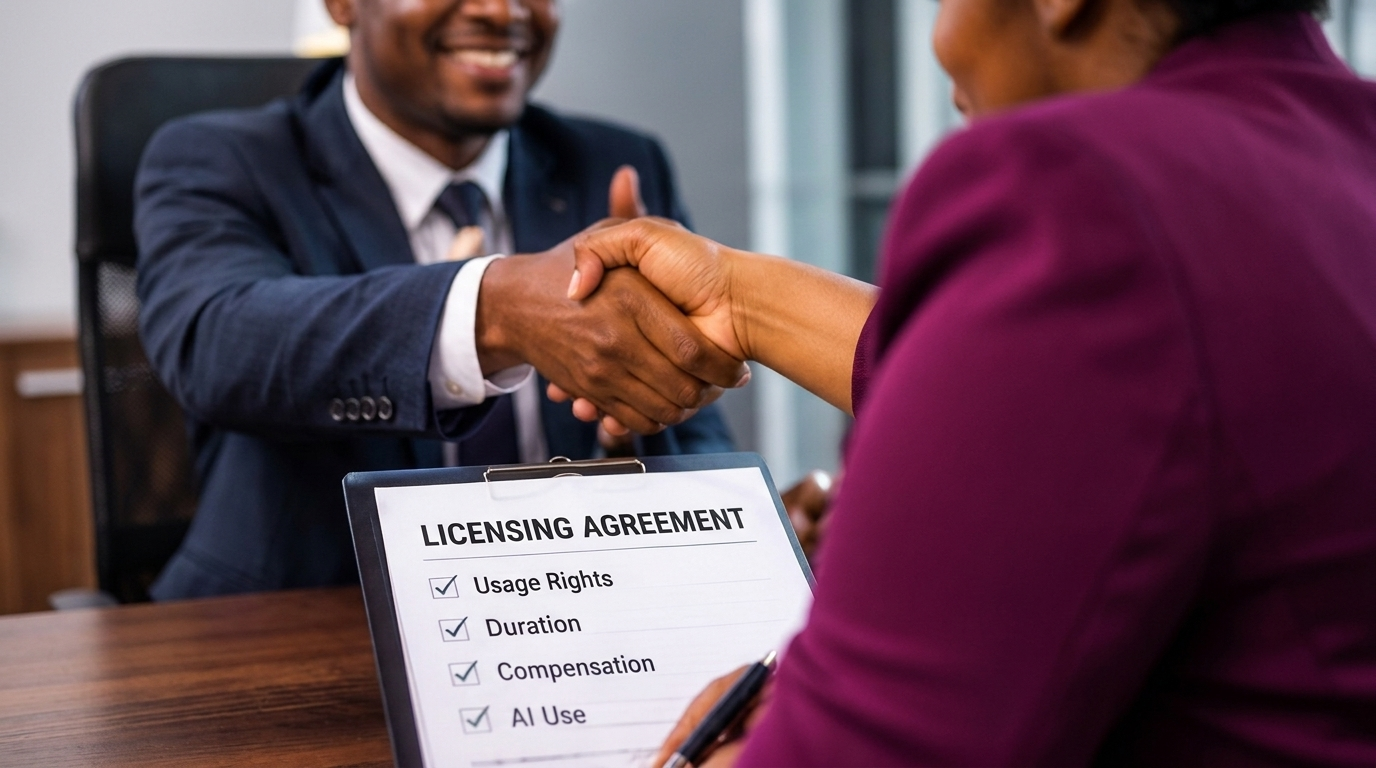
An agreement should specify which images the company can use, what AI may generate, where the advert will appear and how long permission lasts. It should also cover editing, reuse and compensation.
AI training needs separate attention. Permission to make an advert should not automatically allow a company to use the photographs to train or improve an AI system.
Other countries are beginning to respond to AI-generated replicas. In the United States, several states have expanded publicity protections to cover certain digital replicas, although the rules differ.
New York has also introduced disclosure requirements for certain AI-generated synthetic performers appearing in advertisements distributed to its audiences.
These measures do not apply automatically in Nigeria, but show lawmakers are addressing the commercial use of digitally reproduced identities.
So, should people be paid when brands use their faces in AI-generated adverts? They should have the opportunity to negotiate compensation, but payment cannot replace consent. A company cannot simply decide what someone's face is worth, transfer the money and assume it now has unlimited permission to use their identity.
They should know what is being made, where it will appear and how their likeness may be reused, and be free to negotiate or refuse.
AI has made producing advertisements faster and cheaper. It has not made the people featured in them free advertising material. If a brand uses someone's face to earn attention, trust or sales, that person deserves a say in how their identity is used.
Your face may be easy to copy. Your permission should never be assumed.