Undersea Cables Connect Nigeria to the Global Internet. What Happens When They Fail?
Eight undersea cables connect Nigeria to the world. See how undersea cables carry data to your phone in Nigeria, and what happens when one breaks.
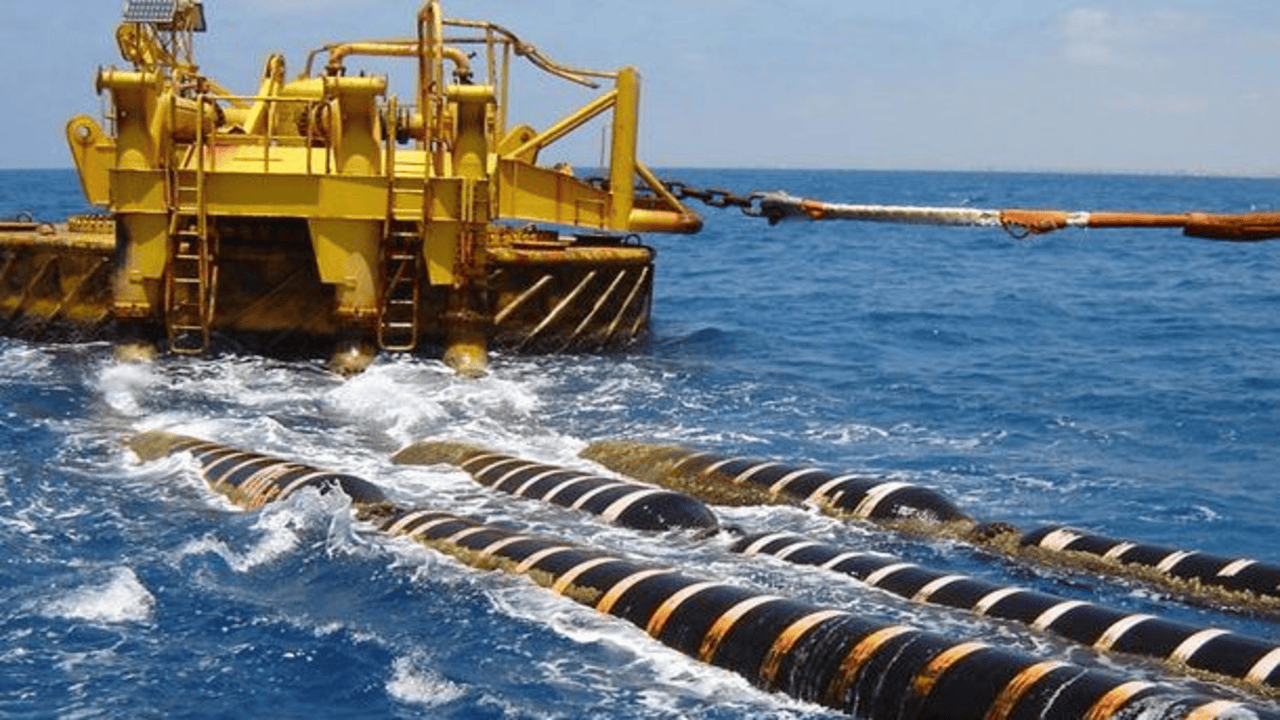
When you open Instagram, search on Google or click a link to read an article, your phone asks another computer for the information.
Sometimes that computer is in Nigeria. Sometimes it is in another country, thousands of kilometres away, and the request has to cross the sea to get there.
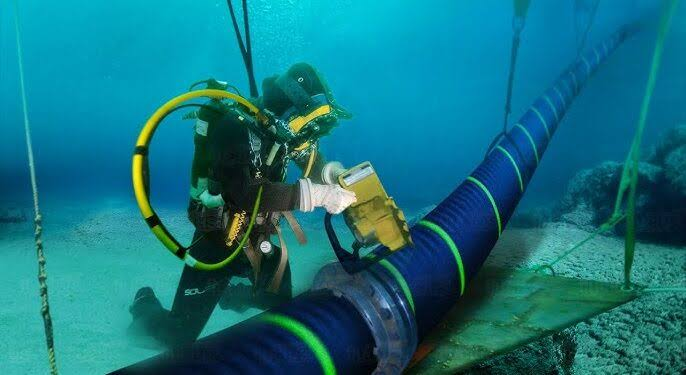
That crossing happens through submarine cables: fibre-optic lines laid along the seabed that connect countries and continents.
Much of the internet traffic between Nigeria and the rest of the world travels through them.
How a request gets from your phone to the other side of the world
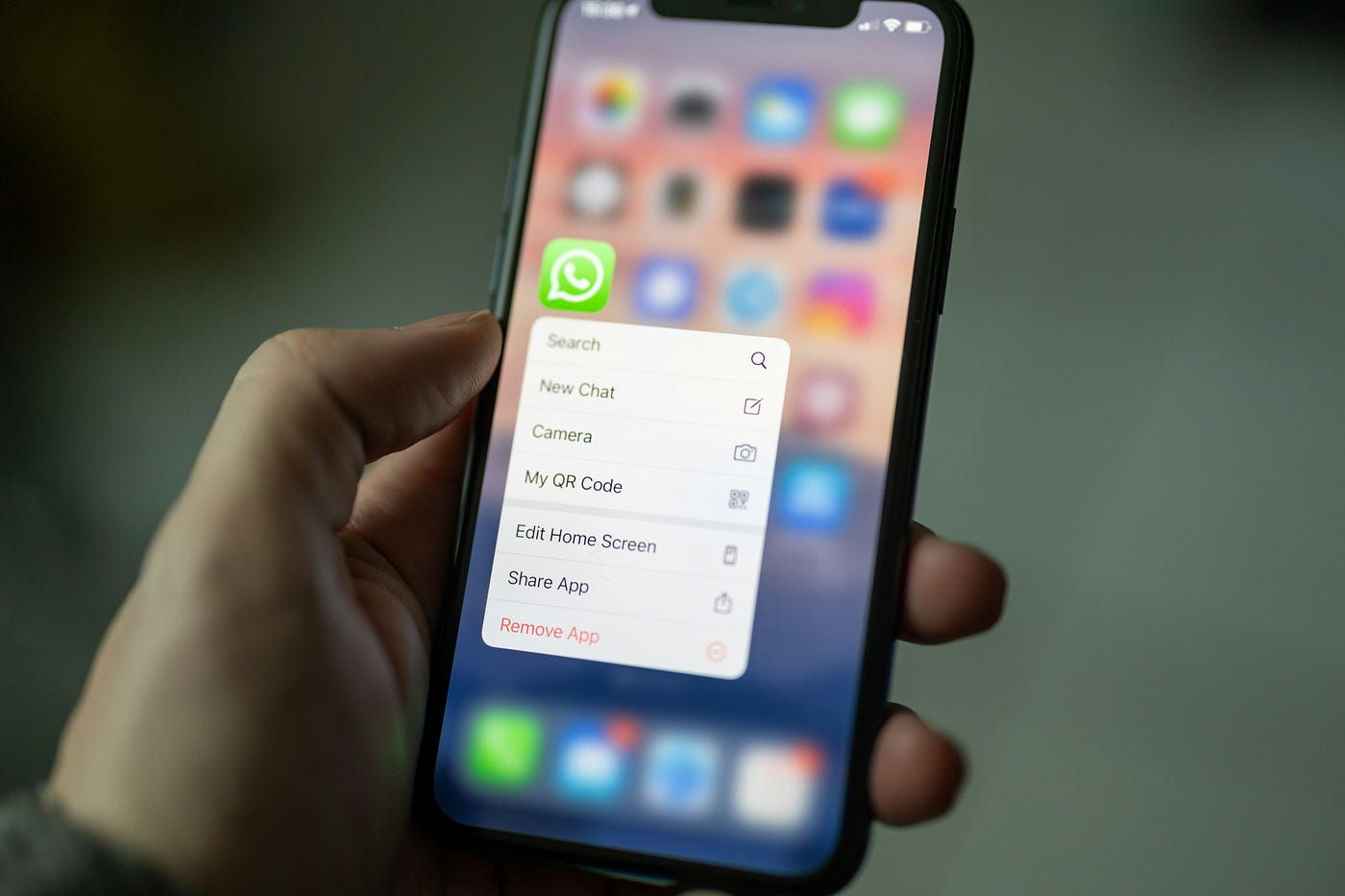
A fibre-optic cable doesn't carry electricity, it carries light. Inside it are very thin strands of glass, and data is turned into pulses of light that move through them at high speed.
Submarine cables work the same way as fibre on land.
They are just built to lie on the seabed across thousands of kilometres of ocean, with protective layers to survive the water, and extra protection in places where fishing gear and ship anchors can damage them.
Say you are in Lagos and you open a website that is stored on a server in Europe.
Your phone sends the request through your mobile network, and your operator passes it on towards an international connection. If there is no closer copy of the site, the request goes through a submarine cable. The server's reply comes back the same way.
The cable doesn't run to your phone. It comes ashore at a cable landing station, where it joins the networks on land. From there, fibre-optic cables on land carry the data to internet service providers and mobile operators, who pass it on towards your area.
The last stretch is wireless: a nearby base station sends the data to your phone by radio signal.
Not everything you open makes this trip. Popular videos, images and web pages are often stored in data centres or caching facilities in Nigeria, so they reach you through local networks without leaving the country.
Which cables connect Nigeria?
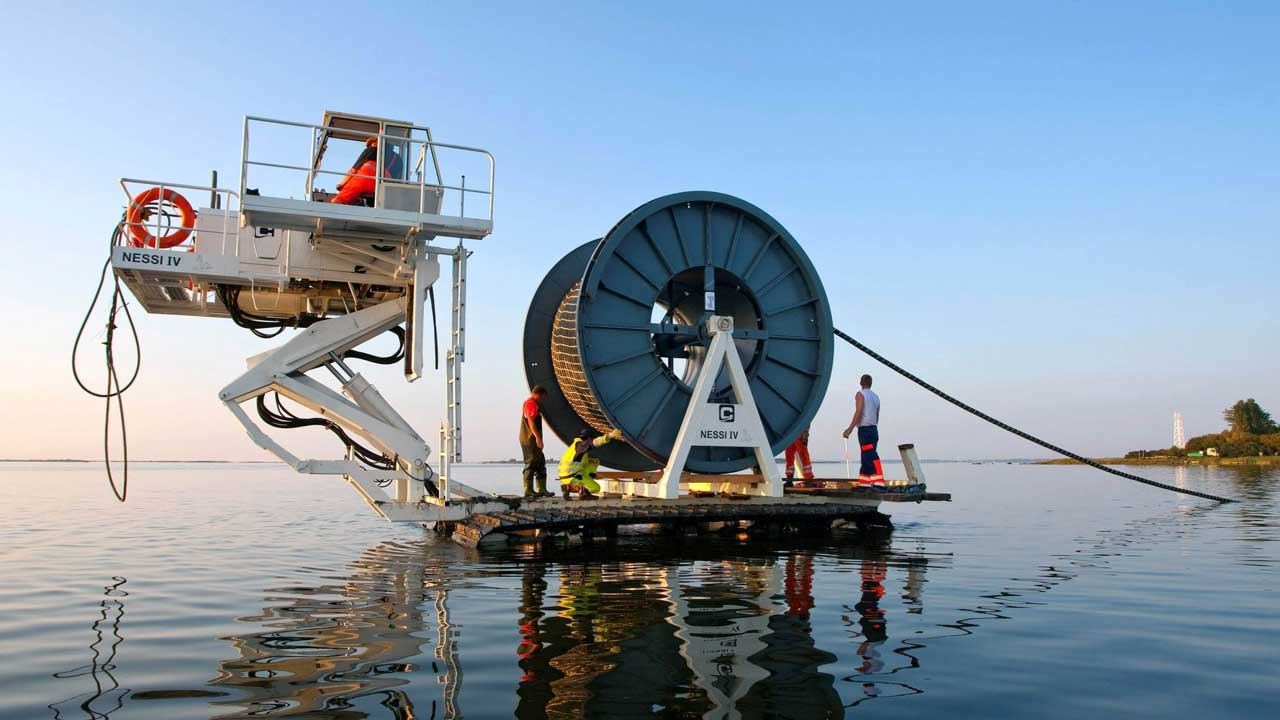
According to theECOWAS Digital Observatory, eight submarine cable systems serve Nigeria:
SAT-3/WASC: An early major cable linking West Africa to international networks. It landed in Nigeria in 2002.
MainOne: A West African cable launched in 2010. Equinix bought the company in 2022.
GLO-1: Globacom's international cable, also launched in 2010.
WACS: The West Africa Cable System, which links countries along Africa's west coast to Europe.
ACE: Africa Coast to Europe, which connects several African countries to Europe.
NCSCS: The Nigeria-Cameroon Submarine Cable System, which links Lagos and Cameroon.
Equiano: Google's cable from Portugal down Africa's west coast, with a landing in Lagos.
2Africa: A large Meta-led project that also involves China Mobile, Orange, Vodafone and WIOCC, with connections across Africa and beyond.
The same listing records nine landing points, and most of them are in Lagos. 2Africa also lands at Qua Iboe in Ibeno, Akwa Ibom State, which MainOne has described as the first submarine cable landing in Nigeria outside Lagos.
These cables don't all follow the same route or connect to the same countries, but together they give Nigeria several physical links to the rest of the world.
What happens when a cable is damaged?
On March 14, 2024, four cable systems went offline after damage off the coast of Côte d'Ivoire: ACE, SAT-3, WACS and MainOne.
The Internet Society pointed to a suspected underwater rockslide. Thirteen African countries, Nigeria included, had disruptions.
Networks had to send some of their traffic through cables that were still working.
Google's Equiano cable was not affected, and some operators used it as an alternative route. The Internet Society reported that traffic on Equiano grew fourfold while this was happening and that is why alternative routes matter.
When one path fails, operators can move traffic to another. In telecommunications this is called redundancy.
But the incident also showed a limit. Having several cables doesn't help much if they pass through the same risky stretch of sea.
The Internet Society's report showed all four cables converging along the coast of Côte d'Ivoire, which made that stretch a single point of failure.
A new cable doesn't automatically mean faster internet
A submarine cable gets international data to the Nigerian coast.
It can't deliver that data to every phone, office or home on its own, and large cable capacity doesn't always show up in the download speeds and streaming quality people get.
On land, the data moves through fibre-optic networks that connect landing stations, data centres, internet exchange points and the networks of operators and internet providers.
An internet exchange point is a place where different networks meet and swap traffic.
It means data travelling between two Nigerian networks can stay in the country, instead of taking a detour through another one.
So what you see on your phone depends on the whole chain.
