8 Times African Elections Produced Shocking Political Plot Twists
What happens when an election produces two presidents, correction fluid becomes evidence in court, or a military takeover interrupts a presidential victory? These 8 African elections had twists nobody saw coming.
Imagine voting for a president, only for the government to announce that the election has been cancelled. Or watching your preferred candidate win, only for another man to declare himself president.
And just when you think the drama is over, the military arrives and takes over the country.
No, this is not the storyline of a political thriller. These things have happened in Africa.
Elections are supposed to be simple: people vote, officials count the votes, and someone wins. But across the continent, some elections have produced court battles, disputed results, protests, violence and even coups.
From Nigeria’s infamous June 12 election to Malawi’s Tippex controversy, here are ten African elections that went completely off script.
1. Nigeria’s June 12 Election Was Cancelled
Nigeria’s June 12, 1993 presidential election is still remembered as one of the country’s most significant democratic moments.
Moshood Abiola of the Social Democratic Party was widely considered to have won against Bashir Tofa of the National Republican Convention.
But before the final results could be officially announced, military ruler Ibrahim Babangida annulled the election.
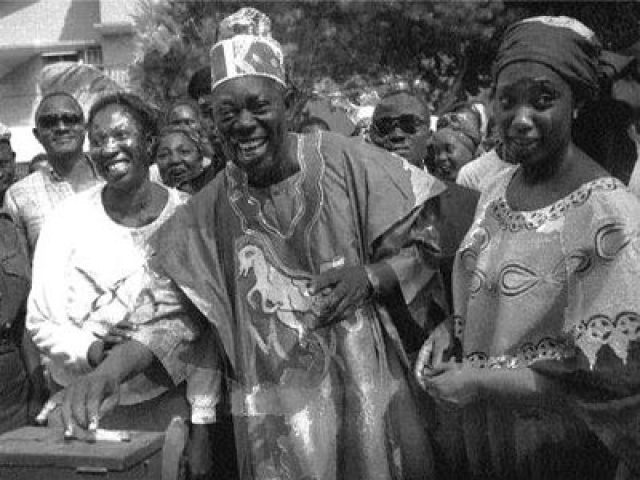
The decision triggered protests and a political crisis. Abiola later declared himself president in 1994, was arrested and died in detention in 1998. Nigeria eventually returned to civilian rule in 1999.
Imagine going out to vote, doing your civic duty, and then being told the entire exercise no longer counts. Nigerians have not forgotten that one.
2. Kenya’s Supreme Court Cancelled a Presidential Victory

In 2017, Kenya made history when its Supreme Court annulled the presidential election that had declared Uhuru Kenyatta the winner.
Opposition leader Raila Odinga challenged the result, arguing that the electoral process was flawed. The court agreed that the election had not been conducted in accordance with the constitution and electoral law. It ordered a fresh election within 60 days.
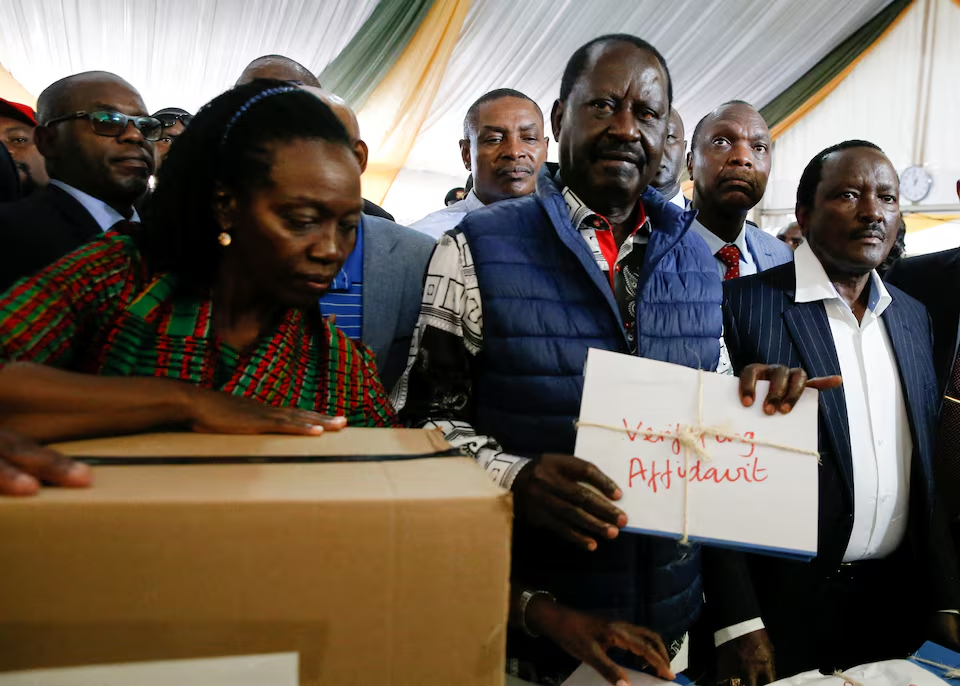
Odinga later withdrew from the repeat election, arguing that the electoral commission had not made the necessary changes. Kenyatta won the rerun.
It was a major moment for African democracy: a court had overturned a presidential election result. Apparently, even winning an election comes with terms and conditions.
3. Côte d’Ivoire Had Two Men Claiming to Be President
Côte d’Ivoire’s 2010 presidential election produced a situation that sounds almost impossible: two men were sworn in as president.
The electoral commission declared opposition candidate Alassane Ouattara the winner, but the Constitutional Council rejected the result and declared incumbent Laurent Gbagbo victorious.
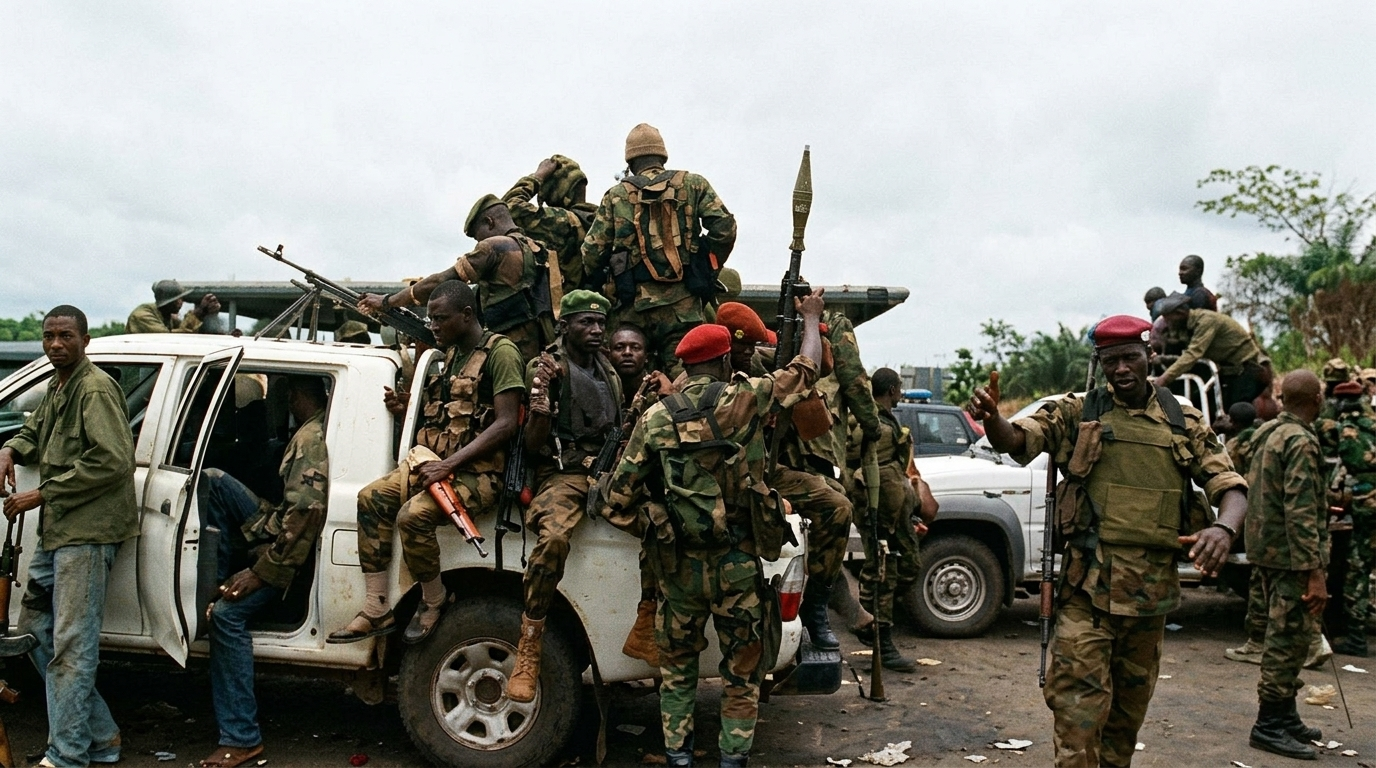
Both men claimed the presidency. Gbagbo refused to leave office, and the dispute escalated into violent conflict that killed thousands and displaced many more.
In April 2011, forces supporting Ouattara, backed by French and United Nations forces, arrested Gbagbo. Ouattara eventually took office.
For months, the country had two competing claims to its highest office. That was not a peaceful transfer of power. It was a political crisis with devastating consequences.
4. Kenya’s 2007 Election Turned Deadly
Kenya’s December 2007election was followed by one of the country’s worst episodes of political violence.
President Mwai Kibaki was declared the winner, but opposition candidate Raila Odinga rejected the result and alleged electoral fraud.
Protests erupted, and violence spread across the country. More than 1,000 people were killed, while hundreds of thousands were displaced.
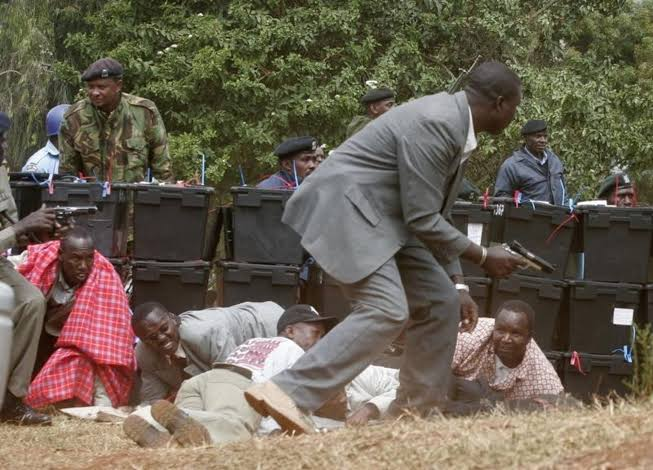
Former United Nations Secretary-General Kofi Annan led mediation efforts between the political rivals.
Their negotiations produced a power-sharing agreement in February 2008, with Kibaki remaining president and Odinga becoming prime minister.
An election that should have settled who governed the country instead left communities traumatised. The people who paid the highest price were not the politicians fighting for power.
5. Malawi’s Election Results Were Challenged Over Tippex
Malawi’s 2019 presidential election became famous for an unlikely political character: Tippex.
President Peter Mutharika was declared the winner, but opposition parties challenged the result, pointing to irregularities in the tally sheets. Among the allegations were alterations made with correction fluid.
In February 2020, Malawi’s Constitutional Court annulled the election, citing widespread and systematic irregularities. A fresh vote took place in June, and opposition candidate Lazarus Chakwera defeated Mutharika.
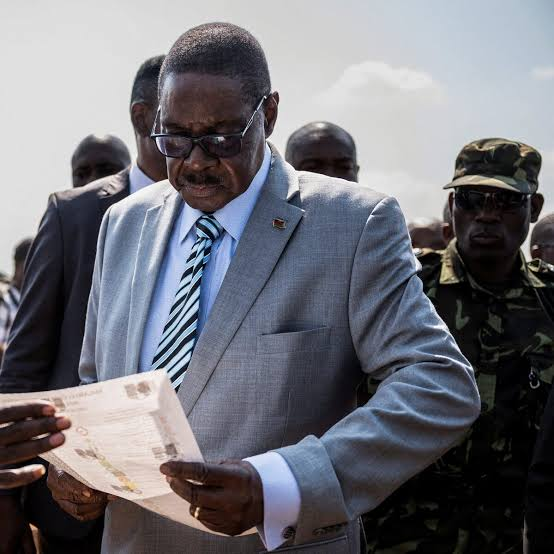
The ruling was significant because it showed that an incumbent’s victory could be overturned and challenged through the courts.
Somewhere in Malawi’s political history, correction fluid became a headline. But beneath the jokes was a serious question about the integrity of the vote.
6. Zimbabwe’s 2008 Election Ended in a Power-Sharing Deal
Zimbabwe’s 2008 election placed longtime president Robert Mugabe under serious pressure. Opposition leader Morgan Tsvangirai received more votes than Mugabe in the first round, but not enough to secure an outright victory.
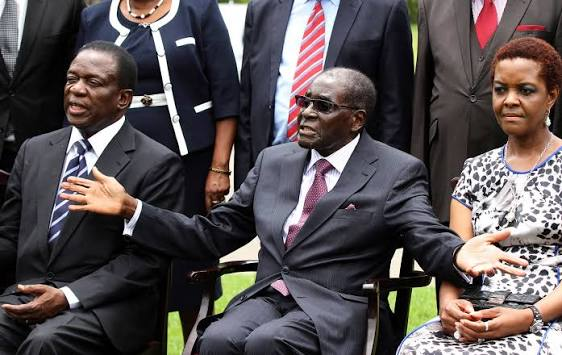
The period before the runoff was marked by violence and intimidation against opposition supporters. Tsvangirai withdrew, saying the conditions made a free and fair contest impossible.
Mugabe proceeded as the sole candidate and was declared the winner. Eventually, negotiations produced a power-sharing agreement in September 2008.
Mugabe remained president, while Tsvangirai became prime minister.
The arrangement brought the rivals into government, but it did not resolve Zimbabwe’s deeper political tensions.
7. Zanzibar’s 2015 Election Was Annulled
In Zanzibar, Tanzania’s semi-autonomous archipelago, the 2015 election became a major political dispute. Opposition candidate Seif Sharif Hamad appeared poised to defeat incumbent Ali Mohamed Shein.
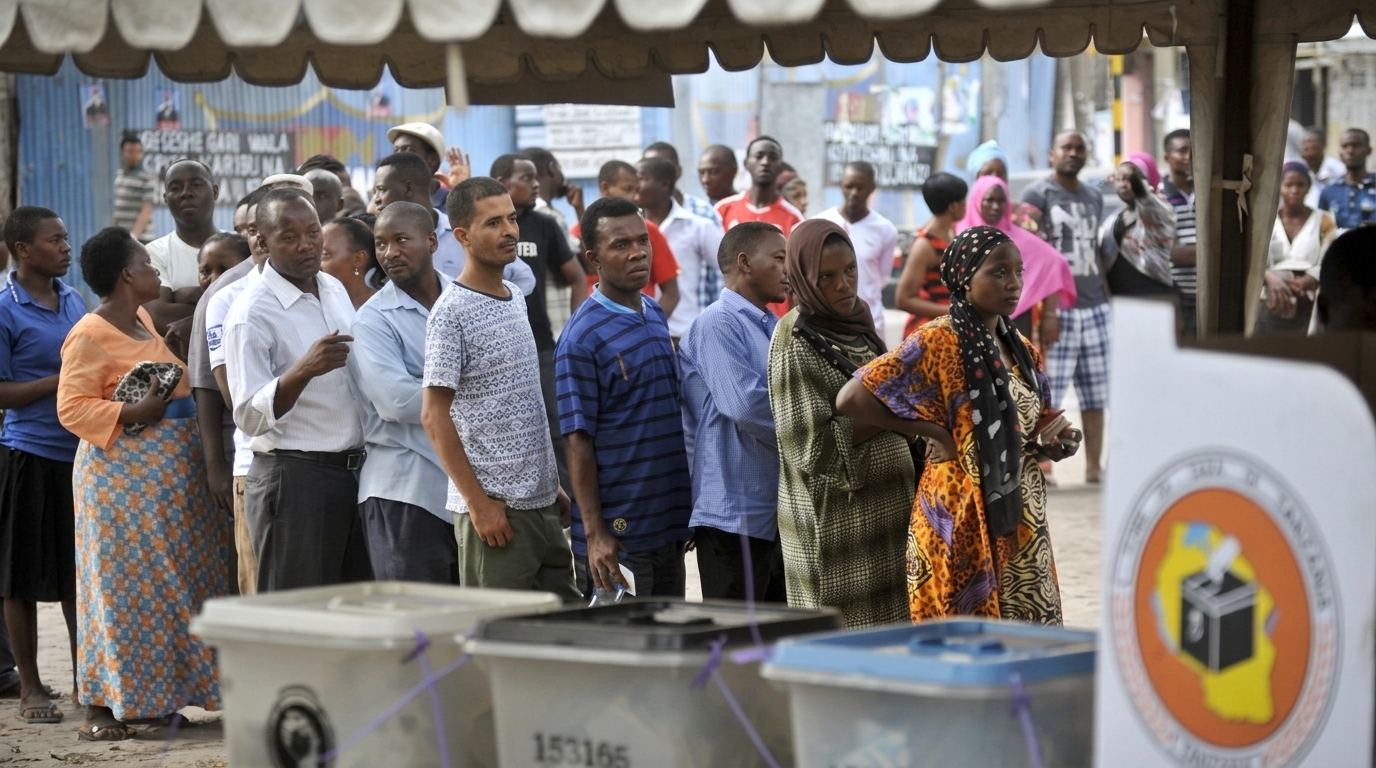
However, the electoral commission chairman annulled the election before the final results were officially completed. The opposition rejected the decision.
A repeat election was held in March 2016, but the main opposition party boycotted it. Shein was declared the winner.
The controversy deepened political tensions and left many voters questioning why an election that had already taken place had been cancelled.
8. Nigeria’s 1983 Election Was Followed by a Coup
Nigeria’s 1983 general election was marked by allegations of widespread rigging, violence and irregularities.
The ruling National Party of Nigeria, led by President Shehu Shagari, was declared the winner, but opposition parties challenged the results.
The political atmosphere became increasingly tense. On December 31, 1983, the military overthrew Shagari’s government in a coup led by Major General Muhammadu Buhari.
The coup ended Nigeria’s Second Republic and returned the country to military rule. The military cited corruption, economic problems and electoral malpractice among its reasons for taking power.
The disputed election contributed to an already unstable political climate, although it was not the only reason for the coup.
The Plot Twists Never Really End
These elections show that democracy is about more than organising a voting day and announcing a winner. It also depends on credible institutions, transparent counting, independent courts and leaders willing to respect the rules.
Across Africa, voters have watched their choices challenged, cancelled or ignored. And when political leaders turn elections into battles for survival, ordinary citizens are often the ones who pay the highest price.
The next time someone says elections are boring, remember that in some countries, announcing the result has been only the beginning of the story.